E-mail us: [email protected]
Tel: +86-15239857375
 English
 中文简体
中文简体

 Home / Author / Tan Xinyue — After-Sales Technical Coordinator / SAE841 Tin Bronze Open-Type Bushing for Reliable Self-Lubricating Motion
 SAE841 Tin Bronze Open-Type Bushing for Reliable Self-Lubricating Motion
 2026.07.08
 Tan Xinyue — After-Sales Technical Coordinator
Content
- 1 Product Overview and Application Purpose
- 2 Key Product Parameters
- 3 Why SAE841 Tin Bronze Is a Strong Material Choice
- 4 The Advantage of the Open-Type Structure
- 5 Self-Lubricating Performance and Maintenance Reduction
- 6 Wear Resistance in Repetitive Motion Applications
- 7 Corrosion Resistance for Humid and Outdoor Environments
- 8 Manufacturing Process and Process Control
- 9 Company Manufacturing Strengths
- 10 Advantages Over Competing Bearing Solutions
- 11 Application in Greenhouse Top Systems
- 12 Quality Control and Inspection
- 13 Customization and Engineering Support
- 14 Packaging, Storage, and Handling
- 15 Design Considerations for Best Performance
- 16 Long-Term Value for Equipment Manufacturers
- 17 Sustainability and Maintenance Efficiency
- 18 Future Development Trends
- 19 Q&A
- 19.1 What is the SAE841 Tin Bronze Open-Type Bushing mainly used for?
- 19.2 Why does SAE841 tin bronze provide self-lubrication?
- 19.3 What is the benefit of the open-type structure?
- 19.4 Does the bushing require additional lubrication?
- 19.5 How does this product compare with ordinary bronze bushings?
- 19.6 Is it suitable for humid greenhouse environments?
- 19.7 Can the dimensions be customized?
- 19.8 Why is manufacturing quality so important for this bushing?
- 19.9 What quality systems support production reliability?
- 19.10 What information should customers provide for custom development?
- 20 Conclusion
- 21 References
- 22 Product: SAE841 Tin Bronze Bushing Open-Type Component
In modern mechanical systems, a small sliding component can determine whether a machine operates smoothly for years or requires frequent maintenance. The SAE841 Tin Bronze Open-Type Bushing is designed for exactly this critical role. It combines the proven reliability of oil-impregnated tin bronze with the installation flexibility of an open structure, making it suitable for greenhouse automation, agricultural equipment, ventilation mechanisms, film rolling systems, shading systems, electric drives, and many other medium-load and medium-speed applications.
This bushing is manufactured from SAE841 tin bronze powder metallurgy material, a widely recognized self-lubricating bearing material. Through compaction, sintering, sizing, vacuum oil impregnation, and professional packaging, the product gains a porous bronze structure capable of storing lubricating oil inside the material itself. During operation, oil is gradually released to the friction surface, forming a stable lubricating film between the shaft and the bushing. This mechanism reduces wear, lowers noise, minimizes maintenance demand, and extends service life.
Unlike ordinary solid bronze sleeves that often require regular external lubrication, the SAE841 Tin Bronze Open-Type Bushing is engineered for long-term stable performance with reduced maintenance. Its open structure also supports easier installation and better adaptability to minor dimensional changes, thermal expansion, and assembly tolerances. These advantages make it especially valuable in applications exposed to humidity, dust, outdoor conditions, and repetitive motion.
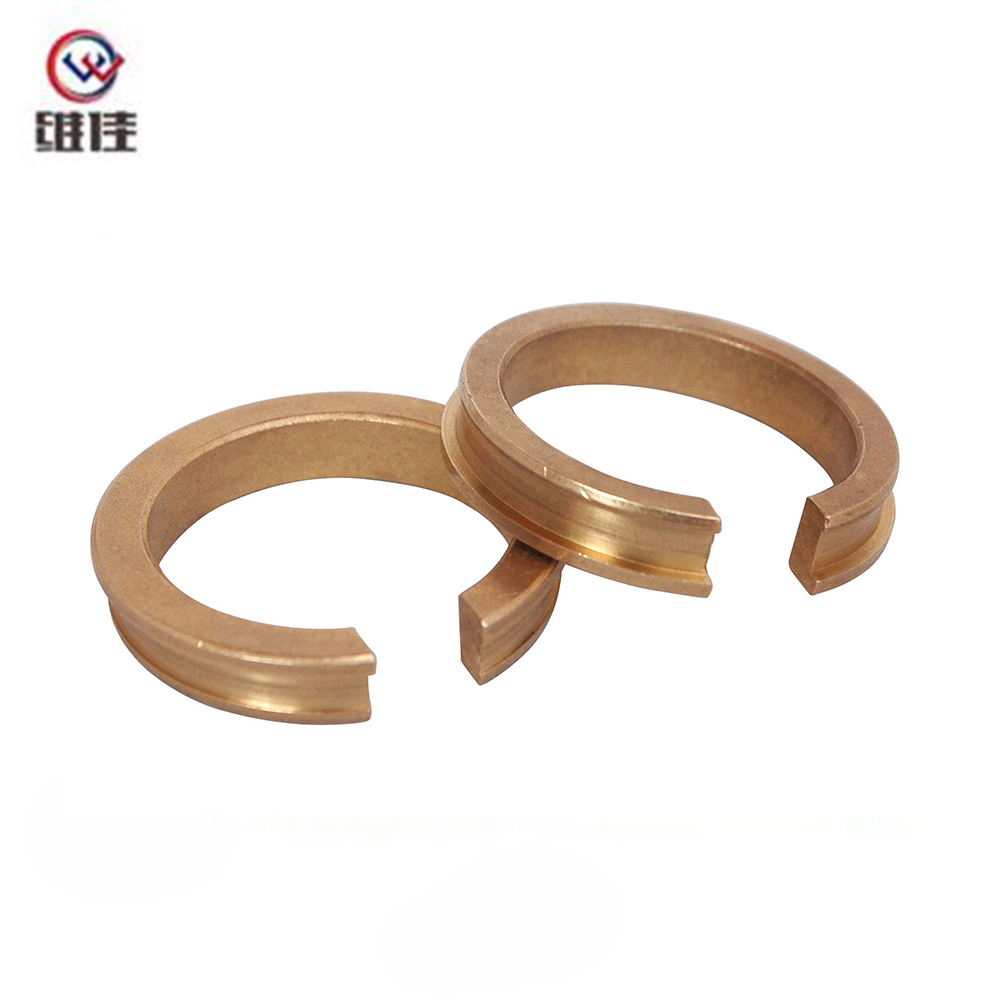
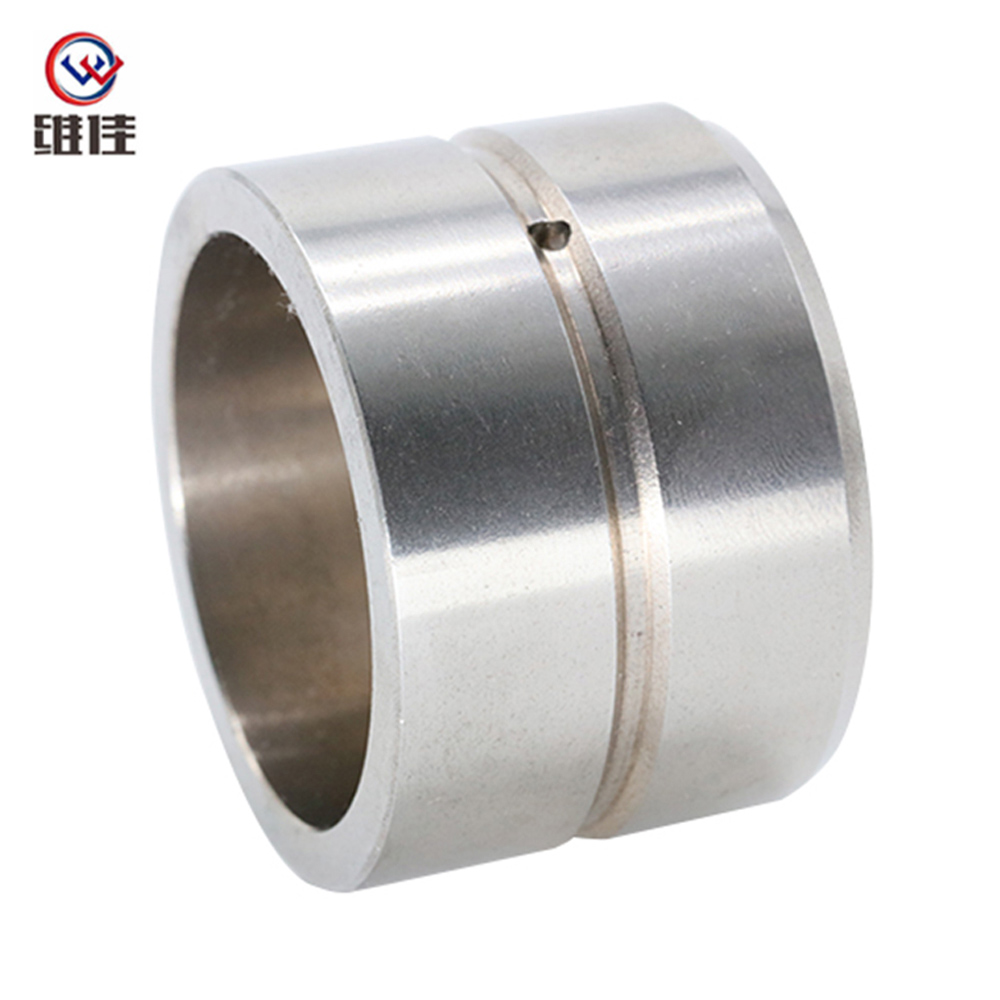
SAE841 Tin Bronze Bushing Open-Type Component
Product Overview and Application Purpose
The SAE841 Tin Bronze Open-Type Bushing is an oil-impregnated bronze-based structural component made by powder metallurgy. It is especially suitable for top components of vegetable greenhouses and agricultural greenhouse systems, where smooth movement, corrosion resistance, and low maintenance are essential. In greenhouse environments, components may be exposed to moisture, temperature changes, fertilizer vapor, outdoor dust, and long operating cycles. A bushing used in this type of equipment must therefore be durable, self-lubricating, dimensionally stable, and resistant to corrosion.
This product is commonly used in film rolling mechanisms, greenhouse ventilation systems, window opening assemblies, sunshade net driving systems, and sliding or rotating parts in agricultural automation equipment. These systems often operate repeatedly over long periods, sometimes in remote agricultural sites where frequent lubrication is inconvenient. The self-lubricating performance of SAE841 tin bronze helps reduce the need for manual maintenance while maintaining stable shaft movement.
The product has an open-type structure rather than a completely closed cylindrical form. This design improves assembly convenience and provides a degree of elastic compensation. In many equipment assemblies, especially high-volume or semi-automated production environments, installation efficiency matters. An open bushing can be installed more easily into a housing bore and can adapt better to certain tolerance variations than a rigid solid sleeve.
The typical production route includes powder compaction, sintering at approximately 720°C with process tolerance control, sizing, oil impregnation, and coil packaging. Each stage affects final performance. Compaction determines the initial density and shape. Sintering bonds the bronze powder particles and creates the porous structure. Sizing improves dimensional precision. Oil impregnation fills the pores with lubricant. Packaging protects the component and supports convenient transportation, storage, and assembly.
Key Product Parameters
The SAE841 Tin Bronze Open-Type Bushing is developed for applications requiring compact size, stable geometry, and dependable self-lubrication. Its basic parameters include SAE841 tin bronze material, open structure, sintering temperature around 720°C, and a complete powder metallurgy production process. The specified dimensions are 34.7 × 42.8 × 44.5 × 1.5 × 7.5K, reflecting a customized structural design for greenhouse top use and related equipment assemblies.
| Parameter | Description |
| Product Name | SAE841 Tin Bronze Open-Type Bushing Component |
| Material | SAE841 oil-impregnated tin bronze |
| Structure | Open-type design |
| Manufacturing Method | Powder metallurgy compaction, sintering, sizing, oil impregnation, packaging |
| Sintering Temperature | Approximately 720°C with controlled tolerance |
| Main Function | Self-lubricating sliding or rotating support |
| Typical Application | Vegetable greenhouse top mechanisms and agricultural automation parts |
| Main Advantages | Wear resistance, corrosion resistance, low friction, maintenance reduction, stable operation |
These parameters can be adjusted according to customer drawings, samples, shaft requirements, housing conditions, and working environments. The ability to customize dimensions, materials, and surface treatments is important because bushings often operate as part of a larger assembly. Even a small difference in clearance, oil content, or material density can influence noise, wear rate, and service life.
Why SAE841 Tin Bronze Is a Strong Material Choice
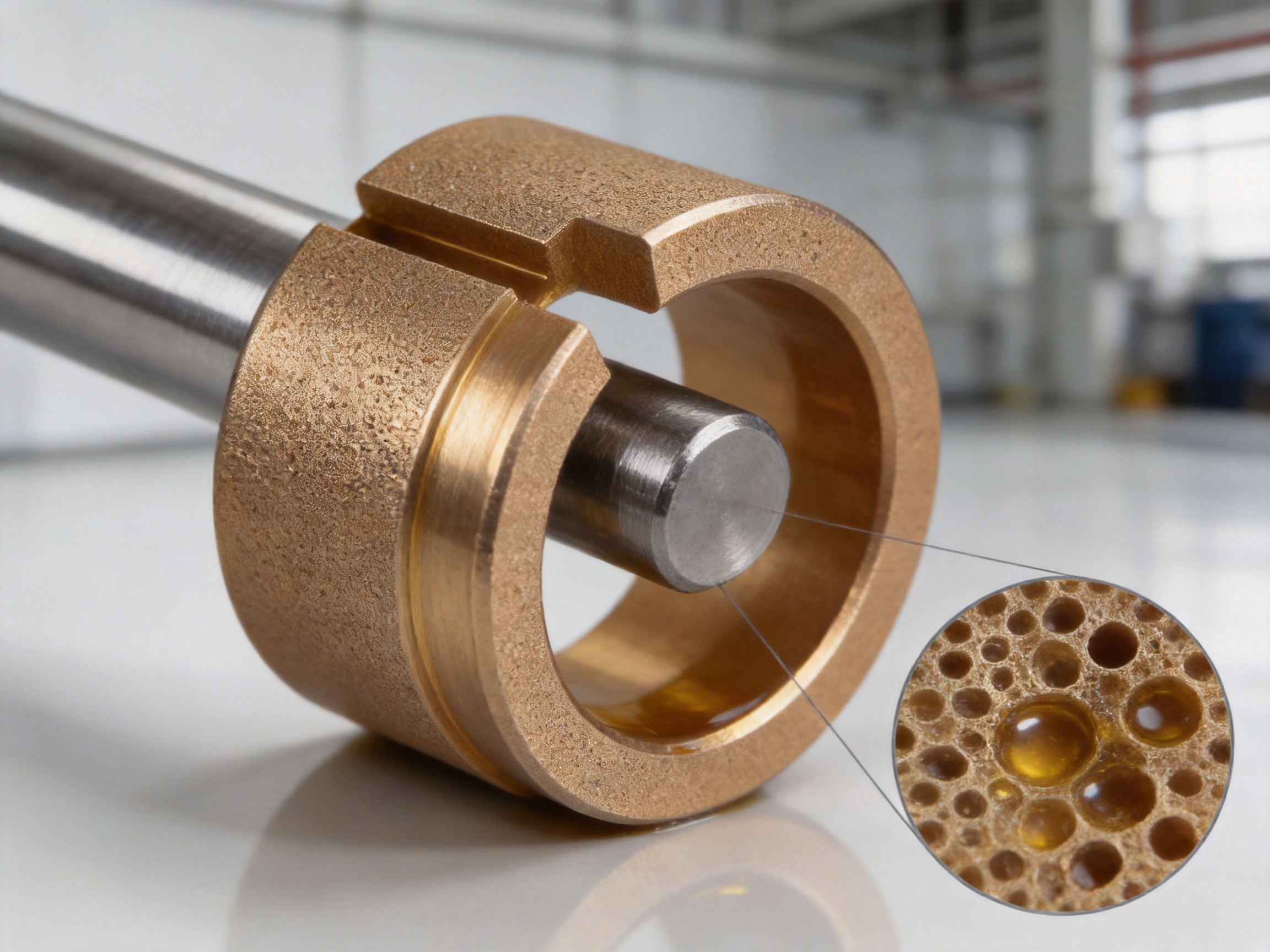
SAE841 is a standard oil-impregnated bronze material widely used in self-lubricating bearings and sliding components. It is produced through powder metallurgy, which creates a controlled porous structure inside the bronze. These pores act as microscopic oil reservoirs. When the bushing is operating, frictional heat and shaft pressure encourage oil to move from the pores to the contact surface. When operation stops and the component cools, some oil can be reabsorbed into the porous network.
This self-lubricating cycle is one of the most important differences between SAE841 oil-impregnated bronze and conventional machined bronze. A conventional bronze bushing may be strong and wear resistant, but it usually depends heavily on external lubrication. If lubrication is missed or unevenly applied, friction rises quickly. This may lead to heat generation, noise, scoring, seizure, or early failure. SAE841 reduces this risk because lubrication is built into the material.
Tin bronze also provides good wear resistance and anti-seizure performance. Tin improves the mechanical and tribological properties of bronze, helping the bushing resist adhesive wear under sliding contact. In agricultural greenhouse equipment, where motion may be intermittent and loads may vary due to wind, film tension, or mechanical misalignment, this resistance is especially useful.
Another important benefit is corrosion resistance. Greenhouse systems are often humid, and condensation may form on metal surfaces. Components may also encounter mild chemical exposure from fertilizers or cleaning agents. SAE841 tin bronze offers better corrosion resistance than many plain ferrous materials, making it suitable for long-term outdoor and semi-outdoor use.
Dimensional stability is also essential. A bushing must maintain appropriate clearance with the shaft. If the bushing expands, deforms, or wears unevenly, the assembly may become noisy, loose, or jammed. Powder metallurgy processing, combined with sizing, helps maintain consistent dimensions and reliable assembly performance.
The Advantage of the Open-Type Structure
The open-type structure distinguishes this product from standard closed cylindrical bushings. A closed bushing is rigid around the full circumference, while an open bushing includes a slot or split feature. This allows slight flexibility during installation and use. The advantage may appear simple, but in actual assembly lines and field applications it can be significant.
First, the open structure improves installation convenience. When a bushing is pressed into a housing, small variations in bore size, surface condition, or alignment can affect the installation force. An open structure can provide limited elastic adjustment, reducing the risk of damage during assembly. This is valuable for components installed in greenhouse frames, drive tubes, brackets, or sheet-metal structures where tolerances may not be as precise as in high-end machine tools.
Second, the split design can help compensate for thermal expansion. Greenhouse equipment may experience temperature fluctuations from cool nights to hot daytime conditions. Metal components expand and contract. The open bushing structure can better adapt to these dimensional changes, helping maintain smoother operation over a wider temperature range.
Third, the open design may simplify replacement. In some assemblies, maintenance teams need to replace worn components quickly without dismantling an entire system. An open bushing can sometimes be easier to position and install, depending on the housing design. Reduced maintenance time is especially important in agricultural operations, where greenhouse ventilation or film rolling systems may need to remain functional during critical growing periods.
Fourth, the open type is suitable for volume production and automated assembly. Coil packaging can support efficient feeding and storage. For equipment manufacturers producing large numbers of greenhouse components or mechanical assemblies, easier handling and faster installation can reduce total production cost.
Self-Lubricating Performance and Maintenance Reduction
The most important functional advantage of the SAE841 Tin Bronze Open-Type Bushing is self-lubrication. In many mechanical systems, lubrication is both essential and inconvenient. If grease or oil is applied too frequently, maintenance costs rise. If lubrication is neglected, the bearing surface wears rapidly. A self-lubricating bushing helps solve this contradiction by storing oil inside the material.
During operation, the shaft rotates or slides against the bushing surface. The pressure and temperature at the contact area cause the impregnated oil to migrate outward. This creates a thin lubricating film that separates the metal surfaces and reduces friction. Lower friction means lower heat generation, less wear, smoother movement, and reduced operating noise.
For greenhouse systems, this is especially beneficial because many components are installed at elevated positions or in locations that are inconvenient to access. Manual lubrication of each top mechanism can be time-consuming and unsafe. By using an oil-impregnated bushing, equipment designers can reduce maintenance frequency and improve system reliability.
In comparison with plastic bushings, SAE841 tin bronze can offer better heat resistance, dimensional stability, and load capacity in many applications. Plastic materials may perform well in certain low-load environments, but they can creep, deform, or age under heat, ultraviolet exposure, or long-term stress. Bronze-based oil-impregnated bushings provide a more robust solution where durability and dimensional consistency are required.
Compared with needle bearings or rolling bearings, the SAE841 open bushing is often simpler, more compact, and more tolerant of dusty or humid environments. Rolling bearings can provide low friction at higher speeds, but they may require seals, precise alignment, and clean operating conditions. For medium-speed, medium-load greenhouse mechanisms, a self-lubricating bronze bushing can be a cost-effective and reliable alternative.
Wear Resistance in Repetitive Motion Applications
Wear resistance determines whether a bushing can maintain proper clearance and stable function over time. In greenhouse systems, motion may be repetitive but not always continuous. For example, a film rolling mechanism may operate several times a day. A ventilation window actuator may open and close according to temperature or humidity. A shading net system may move when sunlight conditions change. These cycles can create repeated friction, start-stop loading, and vibration.
SAE841 tin bronze is well suited to this type of motion. Its oil-filled porosity provides lubrication from within, while its tin bronze matrix provides mechanical strength and anti-wear characteristics. When properly matched with shaft material, surface finish, load, and speed, the bushing can deliver long service life with low maintenance demand.
The open-type structure further supports stable contact by allowing slight accommodation during assembly. If the housing or shaft has minor variation, the bushing can adapt more easily than a completely rigid sleeve. This may reduce localized stress concentration and uneven wear.
Wear resistance also depends on manufacturing quality. Porosity must be controlled carefully. If porosity is too low, oil storage capacity is insufficient. If porosity is too high, strength may be reduced. Density must be uniform so the bushing performs consistently around its full surface. Sizing must be precise so the final dimensions match application requirements. Oil impregnation must be complete and consistent so the self-lubricating function is reliable. These are areas where advanced production control creates a real competitive advantage.
Corrosion Resistance for Humid and Outdoor Environments
Greenhouse environments are challenging for mechanical components. Humidity is high, condensation may occur, and temperature changes can be frequent. In many regions, greenhouse equipment is exposed to rain, dust, fertilizers, and cleaning water. A bushing in this environment must resist corrosion while maintaining smooth movement.
SAE841 tin bronze provides good corrosion resistance compared with many iron-based materials. Bronze naturally resists rust because it does not oxidize in the same way as carbon steel. This makes it appropriate for agricultural systems, ventilation devices, and outdoor mechanical linkages. While no material is completely immune to all corrosion conditions, tin bronze offers a strong balance of durability, lubricity, and environmental resistance.
Oil impregnation also contributes to surface protection. The lubricating oil film helps reduce direct exposure of the sliding surface to moisture and contaminants. This does not replace proper storage and handling, but it supports reliable operation after installation. Professional anti-rust and moisture-proof packaging further protects the component before use.
In comparison, untreated steel sleeves may rust quickly in humid environments, increasing friction and causing shaft damage. Some coated components may perform well initially, but coatings can wear away at the sliding surface. The SAE841 bushing relies on the bronze material and internal lubrication rather than only a surface coating, making its performance more stable over time.
Manufacturing Process and Process Control
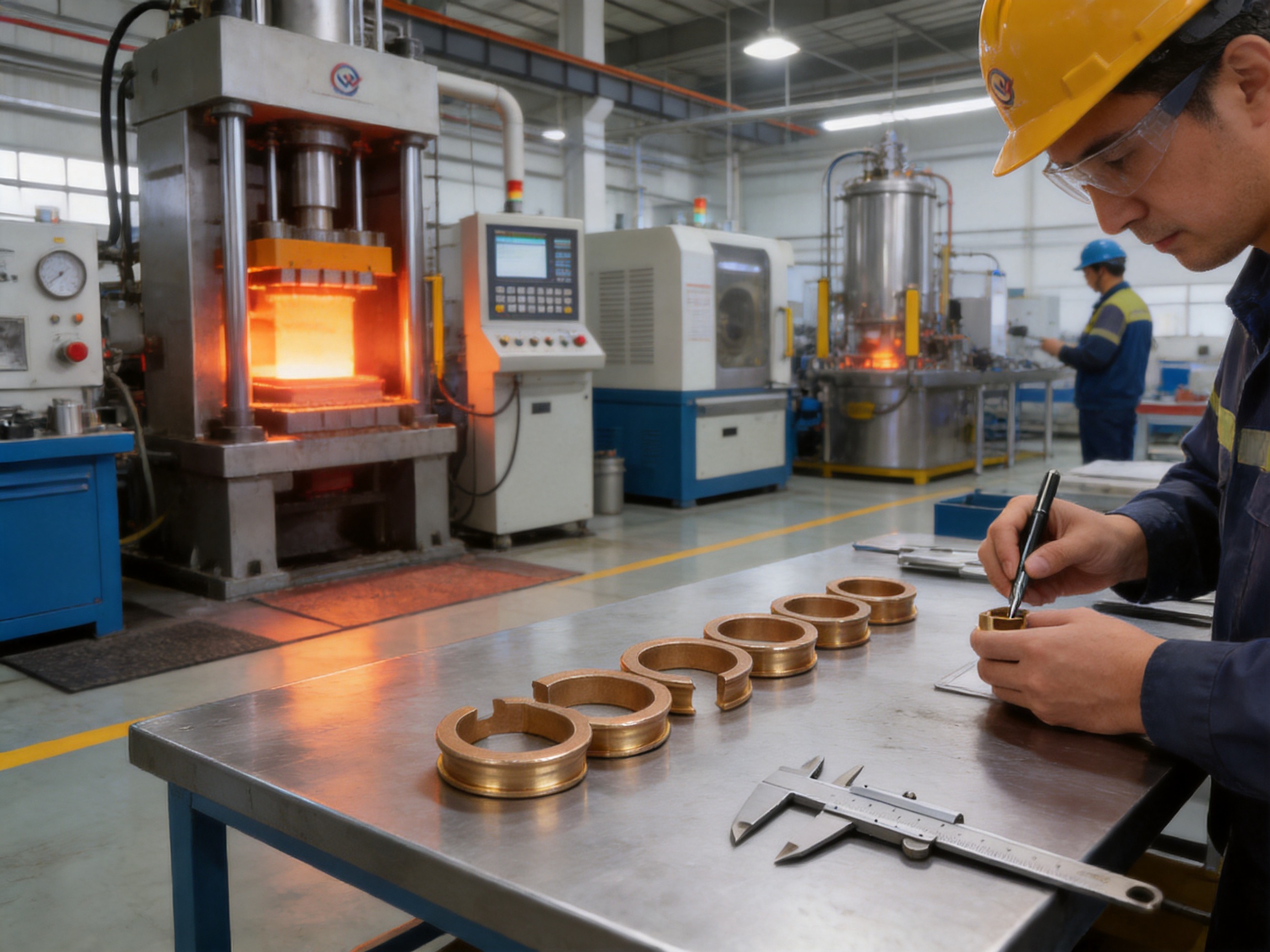
The performance of an SAE841 Tin Bronze Open-Type Bushing depends not only on material selection but also on manufacturing precision. Powder metallurgy is a highly controlled process in which powder characteristics, compaction pressure, sintering temperature, atmosphere, sizing accuracy, and oil impregnation all influence final properties.
Powder Compaction
The first major stage is powder compaction. Bronze powder is pressed in a precision mold to form the desired shape. The compaction stage determines green density, dimensional consistency, and initial structural integrity. High-precision tooling is essential because the shape must be stable before sintering. For an open-type component, mold design is especially important because the split geometry must be formed accurately and consistently.
Sintering at Controlled Temperature
After compaction, the part is sintered at approximately 720°C with controlled process tolerance. Sintering bonds the powder particles together without fully melting the part. The process creates the metallic strength of the component while maintaining a connected porous network. Temperature control is critical. If the temperature is too low, bonding may be insufficient. If it is too high or inconsistent, pore structure and dimensions may be affected.
Controlled sintering also helps ensure mechanical strength, wear resistance, and oil capacity. In self-lubricating bronze bushings, the internal pore network is not a defect; it is a functional feature. The challenge is to create the right pore size, distribution, and volume for both strength and lubrication.
Sizing for Dimensional Accuracy
After sintering, the component is sized. Sizing is a precision calibration process that improves dimensional accuracy and surface condition. Bushings require stable inner and outer dimensions because clearance directly affects performance. Excessive clearance can cause vibration, noise, and misalignment. Insufficient clearance can cause high friction or seizure. Through sizing, the bushing can meet tighter tolerance requirements and provide more predictable assembly behavior.
Oil Impregnation
Oil impregnation is the stage that gives the bushing its self-lubricating function. The sintered porous bronze part is treated so lubricating oil enters the internal pores. Vacuum oil impregnation is commonly used to remove air from the pore network and allow oil to fill the structure more completely. This step must be carefully controlled because uneven impregnation can lead to inconsistent lubrication and shortened service life.
Coil Packaging and Protection
After oil impregnation and inspection, coil packaging supports convenient handling, storage, transportation, and potential automated assembly. Packaging also helps protect the product from moisture, contamination, deformation, and surface damage. For large-scale equipment manufacturers, packaging format can influence production efficiency as much as the part itself.
Company Manufacturing Strengths
Jiande Welfine Technology Co., Ltd. was established in 2001 and focuses on powder metallurgy sintering and related precision machining. With more than 20 years of industry experience, the company has developed strong capabilities in producing powder metallurgy bushings, self-lubricating bushings, and precision sintered parts for various industrial fields.
The company operates a modern production base covering 13,039 square meters. Its manufacturing facility is equipped with high-efficiency presses, high-temperature sintering furnaces, precision forming machines, and testing equipment. These assets support stable production, controlled quality, and the ability to meet customized requirements for global customers.
More than 150 skilled employees contribute to production, inspection, process optimization, and customer service. Experienced operators and engineers are important in powder metallurgy because product quality depends on many interrelated variables. Material blending, compaction pressure, sintering atmosphere, tooling condition, sizing control, and oil impregnation parameters all require expertise and disciplined execution.
The company provides OEM and ODM customized bushing solutions based on customer drawings or samples. This is particularly important for customers whose applications require special dimensions, special structures, modified oil content, different materials, or surface treatment options. Instead of offering only standard catalog parts, the company can support application-specific development from sample testing to small-batch trials and mass production.
Quality management is another major strength. The company has passed ISO 9001:2015 and IATF 16949:2016 certifications. ISO 9001 reflects a systematic quality management foundation, while IATF 16949 is especially important for automotive-related manufacturing because it emphasizes process control, defect prevention, traceability, and continuous improvement. These quality systems support consistent production and help reduce customer risk.
Advantages Over Competing Bearing Solutions
When engineers select a bushing, they often compare several alternatives: conventional bronze sleeves, steel bushings, plastic bushings, rolling bearings, composite bushings, and oil-impregnated powder metallurgy bearings. Each option has value in certain conditions, but the SAE841 Tin Bronze Open-Type Bushing offers a strong balance of performance, cost, reliability, and installation convenience.
| Comparison Item | SAE841 Tin Bronze Open-Type Bushing | Conventional Bronze Sleeve | Plastic Bushing | Rolling Bearing |
| Lubrication | Built-in oil impregnation for self-lubrication | Usually requires external lubrication | May be dry-running but material-dependent | Usually requires grease or sealed lubrication |
| Wear Resistance | High for medium-load sliding use | Good if lubricated properly | Varies widely, may creep or deform | Excellent in clean aligned conditions |
| Installation | Open structure supports easier fitting | Rigid and less tolerant of variation | Easy but may be sensitive to deformation | Requires precise fit and alignment |
| Maintenance | Low under suitable conditions | Moderate to high | Low in some applications | Low if sealed, higher if exposed |
| Environmental Suitability | Good for humid agricultural environments | Good but lubrication dependent | May age under heat or UV exposure | Sensitive to contamination without sealing |
| Cost Effectiveness | Strong balance of durability and economy | Moderate | Low initial cost but performance varies | Higher component and assembly cost |
The biggest competitive advantage is self-lubrication combined with metal strength. Plastic bushings may be inexpensive, but they may not provide the same dimensional stability or load capacity. Rolling bearings can be efficient, but they are often more complex and sensitive to contamination. Conventional bronze sleeves are durable, but they depend on external lubrication. SAE841 oil-impregnated bronze offers a middle path: robust metal structure, low maintenance, reliable lubrication, and economical production.
The second advantage is the open structure. Many competitors offer standard cylindrical bushings, but an open-type design can improve installation efficiency and tolerance accommodation. In greenhouse top parts or sheet-metal assemblies, this flexibility can reduce assembly difficulty and improve consistency.
The third advantage is manufacturing scalability. Powder metallurgy is suitable for producing large quantities of parts with consistent geometry and controlled porosity. Once tooling and process parameters are optimized, production can be stable and efficient. This supports customers who require long-term supply, repeatable quality, and competitive cost.
Application in Greenhouse Top Systems
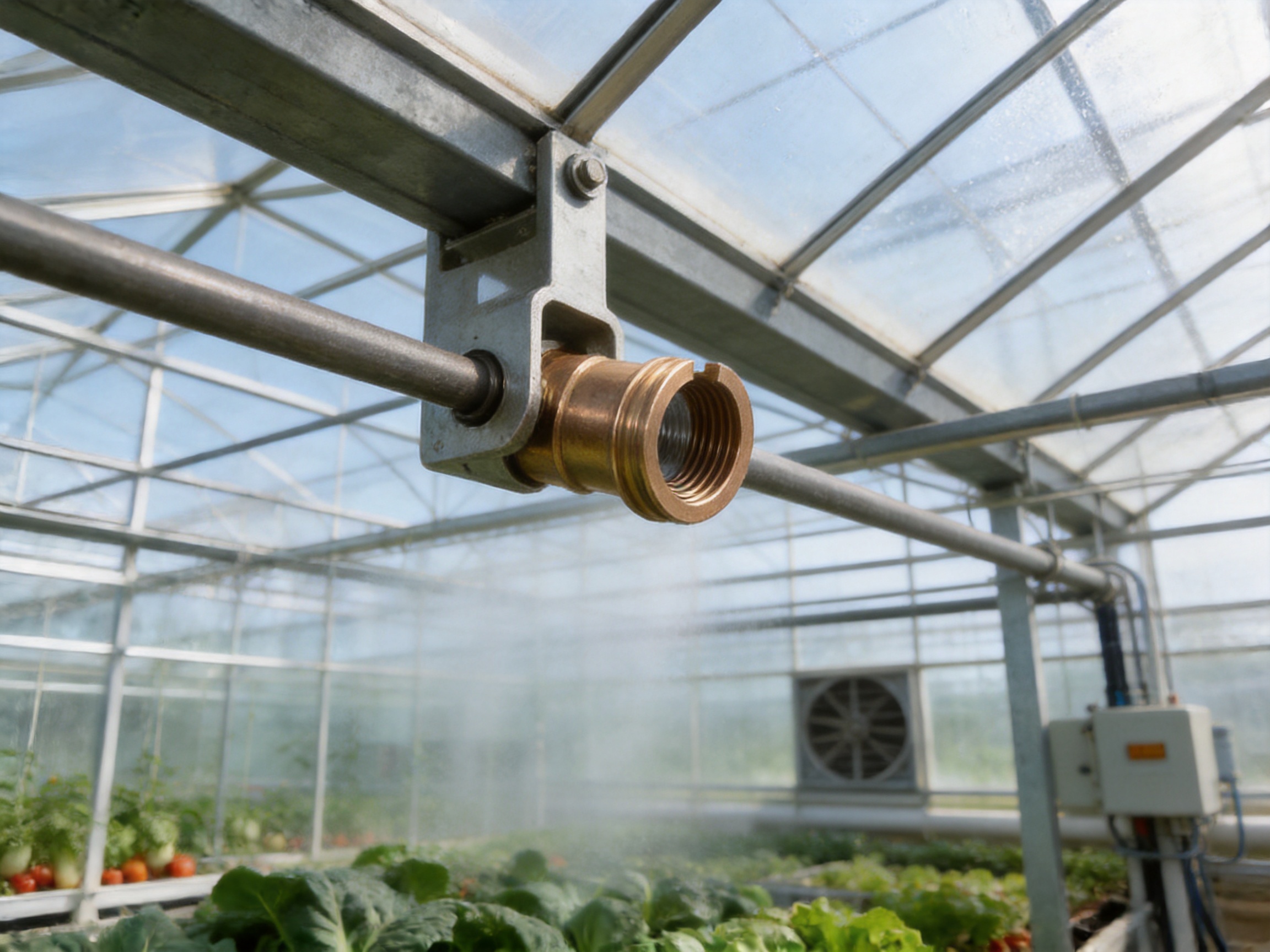
The SAE841 Tin Bronze Open-Type Bushing is especially designed for vegetable greenhouse top applications. Greenhouse systems increasingly use automated mechanisms to improve crop management, reduce labor, and regulate temperature, humidity, and light. These mechanisms depend on reliable motion components.
In film rolling systems, the bushing may support rotating shafts or moving brackets. Smooth rotation is necessary to roll and unroll film evenly. If friction is too high, the motor load increases, energy consumption rises, and the film may move unevenly. A self-lubricating bushing helps maintain consistent motion.
In ventilation and window opening systems, bushings may support linkages, shafts, or pivots. These systems may operate daily based on environmental control needs. Corrosion resistance and low friction are important because windows and vents may be exposed to condensation and outdoor air. If a pivot becomes stiff, ventilation performance may suffer and crop conditions may be affected.
In sunshade net driving systems, bushings may help guide or support moving components. These systems can experience dust, fabric fibers, outdoor exposure, and repeated movement. A bronze oil-impregnated bushing provides durability and smoother sliding than many untreated metal interfaces.
In agricultural automation accessories, bushings are used wherever a shaft, pin, or sliding member requires support. The compact structure and maintenance-free performance of SAE841 material help equipment manufacturers design simpler and more reliable mechanisms.
Quality Control and Inspection
Quality control is essential for self-lubricating bushings because performance depends on both visible dimensions and invisible internal structure. A bushing may look acceptable externally but fail to perform if density, porosity, oil content, or dimensional accuracy is not controlled. Therefore, a complete inspection system is necessary.
Dimensional inspection is carried out using precision measuring tools. Inner diameter, outer diameter, wall thickness, length, slot geometry, and other critical dimensions must meet specifications. For open-type components, slot width and shape may affect installation behavior, so these features also require attention.
Oil content inspection helps confirm that the bushing has sufficient lubricant stored inside the porous bronze network. Insufficient oil impregnation can lead to early wear, increased friction, and noise. Appearance inspection checks for cracks, deformation, burrs, contamination, oxidation, and surface damage.
Strict process control from powder to finished product helps ensure consistency. Raw material quality affects sintering behavior and final properties. Compaction settings influence density. Sintering conditions determine bonding and porosity. Sizing affects clearance and assembly fit. Oil impregnation determines lubrication performance. Final inspection verifies that the product is ready for delivery.
For customers, 100% inspection before delivery provides confidence that each component meets agreed requirements. In applications such as greenhouse automation, equipment reliability is directly related to the quality of many small components. A single defective bushing can cause a mechanism to stick, increase motor load, or require field repair. Strong inspection reduces this risk.
Customization and Engineering Support
Many bushing applications require customized solutions. Shaft diameter, housing bore, load, speed, temperature, operating cycle, humidity, assembly method, and expected service life all influence design. The SAE841 Tin Bronze Open-Type Bushing can be produced according to customer drawings and samples, allowing it to match specific equipment requirements.
Customization may include dimensional adjustment, material selection, oil type selection, structural modification, surface treatment, and packaging method. For example, a greenhouse equipment manufacturer may require a specific open profile for automated assembly. An industrial equipment producer may require tighter tolerance, higher oil content, or a modified bronze composition. A customer may request samples for testing before mass production.
Engineering support helps customers avoid common bearing selection problems. If clearance is too tight, the bushing may overheat. If clearance is too loose, vibration and noise may occur. If shaft surface roughness is unsuitable, wear may increase. If load or speed exceeds the recommended range, supplementary lubrication or a different bearing solution may be needed. Experienced suppliers can help evaluate these factors and recommend practical adjustments.
The company’s OEM and ODM capability supports small-batch development as well as mass production. This is valuable for equipment manufacturers launching new models, improving existing mechanisms, or replacing imported components. Stable supply capacity also helps long-term partners maintain production schedules.
Packaging, Storage, and Handling
Proper packaging and storage are important for oil-impregnated bronze bushings. Although the material is durable, the component should be protected from contamination, excessive moisture, corrosive chemicals, and mechanical deformation before installation. Professional anti-rust and moisture-proof treatment helps maintain product quality during transportation and storage.
Coil packaging can make transportation and assembly more convenient. For high-volume users, packaging is not only a protective measure but also a production efficiency factor. Parts that are easy to store, feed, and handle can reduce labor time and assembly errors.
Storage should be in a dry, ventilated, and non-corrosive environment. Parts should not be exposed to dust, acidic vapor, alkaline vapor, or high humidity for long periods. Before installation, the bushing should be checked for cleanliness and visible damage. Proper handling helps preserve the oil-impregnated surface and dimensional condition.
Design Considerations for Best Performance
To achieve optimal service life, engineers should consider the complete operating system, not only the bushing itself. Shaft material and hardness, shaft surface finish, alignment, housing accuracy, load direction, speed, temperature, contamination level, and duty cycle all affect performance.
The shaft should have a suitable surface finish. If the shaft is too rough, it can scrape the bushing surface and accelerate wear. If it is too smooth in some applications, lubricant film formation may be affected. A balanced finish helps maintain stable lubrication. Shaft hardness should also be appropriate to prevent excessive shaft wear or transfer.
Clearance must be carefully selected. Self-lubricating bronze bushings require enough clearance for oil film formation and thermal expansion, but not so much that the shaft becomes unstable. In open-type designs, installation compression and housing conditions should be considered because they can influence the final running clearance.
Load and speed should remain within suitable ranges. SAE841 oil-impregnated bronze is generally ideal for medium-load and medium-speed conditions. For very high-speed, high-impact, high-temperature, or heavily contaminated environments, additional engineering evaluation is recommended. Supplementary lubrication, alternative materials, or special surface treatments may be required.
Alignment is also important. Misalignment can create edge loading, where only part of the bushing carries the load. This can cause uneven wear and reduce service life. Proper housing design and assembly procedures help ensure full contact and stable operation.
Long-Term Value for Equipment Manufacturers
The value of a bushing should not be judged only by its purchase price. A low-cost component that wears quickly, requires frequent lubrication, or causes equipment downtime can be expensive in the long term. The SAE841 Tin Bronze Open-Type Bushing offers value by reducing maintenance demand, improving reliability, and supporting efficient assembly.
For greenhouse equipment manufacturers, reliable bushings improve customer satisfaction because farmers and operators depend on stable ventilation, film rolling, and shading systems. If these systems fail during extreme weather or critical growing periods, crop quality and productivity may be affected. Durable self-lubricating bushings help reduce such risks.
For industrial manufacturers, consistent bushing quality supports predictable assembly and performance. Components that fit correctly and operate smoothly reduce rework, warranty claims, and field service costs. The open-type structure can further improve assembly efficiency, especially in large production volumes.
For procurement teams, supplier stability is important. A manufacturer with modern equipment, quality certifications, experienced employees, and customization capability can provide more reliable long-term supply than a simple trading source. Consistent process control and inspection reduce variation from batch to batch.
Sustainability and Maintenance Efficiency
Low-maintenance mechanical components can also contribute to sustainability goals. By reducing the need for frequent lubrication, self-lubricating bushings can lower lubricant consumption and maintenance waste. Longer service life also means fewer replacements, less downtime, and reduced material consumption over the life of the equipment.
Powder metallurgy can be an efficient manufacturing method because it forms parts close to final shape, reducing machining waste compared with traditional subtractive manufacturing. For high-volume bushing production, this near-net-shape advantage can improve material utilization and cost efficiency.
In agricultural applications, maintenance efficiency has practical environmental and operational benefits. Equipment that operates smoothly with less manual service reduces labor, travel, and repair activities. Reliable greenhouse automation can also support better climate control, helping growers manage energy, ventilation, and crop conditions more effectively.
Future Development Trends
The demand for self-lubricating bushings is expected to grow as machinery becomes more automated, compact, and maintenance-conscious. Greenhouse systems are increasingly adopting intelligent controls, electric drives, and automated ventilation. These systems require reliable mechanical support components that can operate for long periods without frequent service.
Beyond agriculture, SAE841 tin bronze open-type bushings can be used in home appliances, office equipment, automotive mechanisms, conveyors, small motors, power tools, and new energy equipment. The common requirement is stable movement with low maintenance and good cost control.
Future customers will likely demand higher dimensional precision, better consistency, improved packaging compatibility, and more application-specific customization. Manufacturers with strong research and development capability, advanced process control, and certified quality systems will be better positioned to meet these expectations.
Material development may also continue. Different oil types, pore structures, surface treatments, and bronze compositions can be optimized for specific operating conditions. However, the core principle of SAE841 oil-impregnated bronze will remain valuable: a strong metallic bearing matrix combined with internal lubrication for reliable sliding performance.
Q&A
What is the SAE841 Tin Bronze Open-Type Bushing mainly used for?
It is mainly used as a self-lubricating sliding or rotating support component. It is especially suitable for vegetable greenhouse top systems, including film rolling mechanisms, ventilation systems, window opening assemblies, sunshade net drives, and agricultural automation accessories.
Why does SAE841 tin bronze provide self-lubrication?
SAE841 tin bronze is produced by powder metallurgy, creating a controlled porous structure. During vacuum oil impregnation, lubricating oil fills these pores. When the bushing operates, pressure and temperature help release oil to the friction surface, forming a lubricating film between the shaft and bushing.
What is the benefit of the open-type structure?
The open-type structure improves installation flexibility and provides limited elastic compensation. It can adapt better to minor dimensional variation, thermal expansion, and assembly conditions than a completely closed rigid sleeve.
Does the bushing require additional lubrication?
Under normal medium-load and medium-speed conditions, the impregnated oil provides long-term self-lubrication. However, additional lubrication may be recommended for high-load, high-temperature, high-speed, or unusually harsh environments after engineering evaluation.
How does this product compare with ordinary bronze bushings?
Ordinary bronze bushings often require regular external lubrication. The SAE841 oil-impregnated bushing stores lubricant inside its porous structure, reducing maintenance frequency and improving reliability when external lubrication is inconvenient.
Is it suitable for humid greenhouse environments?
Yes. Tin bronze offers good corrosion resistance, and the oil film helps reduce friction and surface exposure. Proper packaging, storage, and installation further support long-term use in humid agricultural environments.
Can the dimensions be customized?
Yes. Customized production can be provided according to drawings, samples, application requirements, shaft dimensions, housing conditions, and production volume. Options may include dimension changes, structural modifications, materials, oil impregnation requirements, and packaging methods.
Why is manufacturing quality so important for this bushing?
Performance depends on controlled porosity, density, sintering quality, dimensional accuracy, and oil content. If any of these factors are inconsistent, the bushing may experience higher friction, shorter life, or unstable assembly performance.
What quality systems support production reliability?
Jiande Welfine Technology Co., Ltd. implements strict quality management and has obtained ISO 9001:2015 and IATF 16949:2016 certifications. These systems support process control, traceability, continuous improvement, and consistent manufacturing quality.
What information should customers provide for custom development?
Customers should provide drawings or samples, shaft and housing dimensions, load, speed, operating temperature, environmental conditions, duty cycle, expected service life, and assembly method. This information helps determine the most suitable bushing design.
Conclusion
The SAE841 Tin Bronze Open-Type Bushing is a practical and high-value solution for equipment requiring reliable sliding motion, low maintenance, and stable performance. Its SAE841 oil-impregnated tin bronze material provides self-lubrication, wear resistance, corrosion resistance, and dimensional stability. Its open-type structure improves installation flexibility and adaptability, making it especially suitable for greenhouse top mechanisms and agricultural automation systems.
Compared with conventional bronze sleeves, untreated steel bushings, plastic bushings, and more complex rolling bearings, this product offers an excellent balance of durability, simplicity, cost effectiveness, and maintenance reduction. Its performance is strengthened by advanced powder metallurgy manufacturing, controlled sintering, precision sizing, vacuum oil impregnation, complete inspection, and professional packaging.
Backed by more than 20 years of powder metallurgy experience, modern production equipment, skilled employees, OEM and ODM customization capability, and internationally recognized quality certifications, Jiande Welfine Technology Co., Ltd. is well positioned to supply reliable self-lubricating bushing solutions for global customers. For greenhouse equipment manufacturers and industrial users seeking long service life, stable assembly, and reduced maintenance, the SAE841 Tin Bronze Open-Type Bushing is a strong and dependable choice.
References
1. Metal Powder Industries Federation. Powder Metallurgy Design Manual.
2. ASM International. ASM Handbook, Volume 7: Powder Metal Technologies and Applications.
3. SAE International. Standards and Technical Literature on Oil-Impregnated Bronze Bearing Materials.
4. Neale, M. J. The Tribology Handbook.
5. Stachowiak, G. W., and Batchelor, A. W. Engineering Tribology.
6. ISO 9001:2015 Quality Management Systems Requirements.
7. IATF 16949:2016 Quality Management System Standard for Automotive Production and Relevant Service Parts Organizations.
Product: SAE841 Tin Bronze Bushing Open-Type Component

Related products
-
-
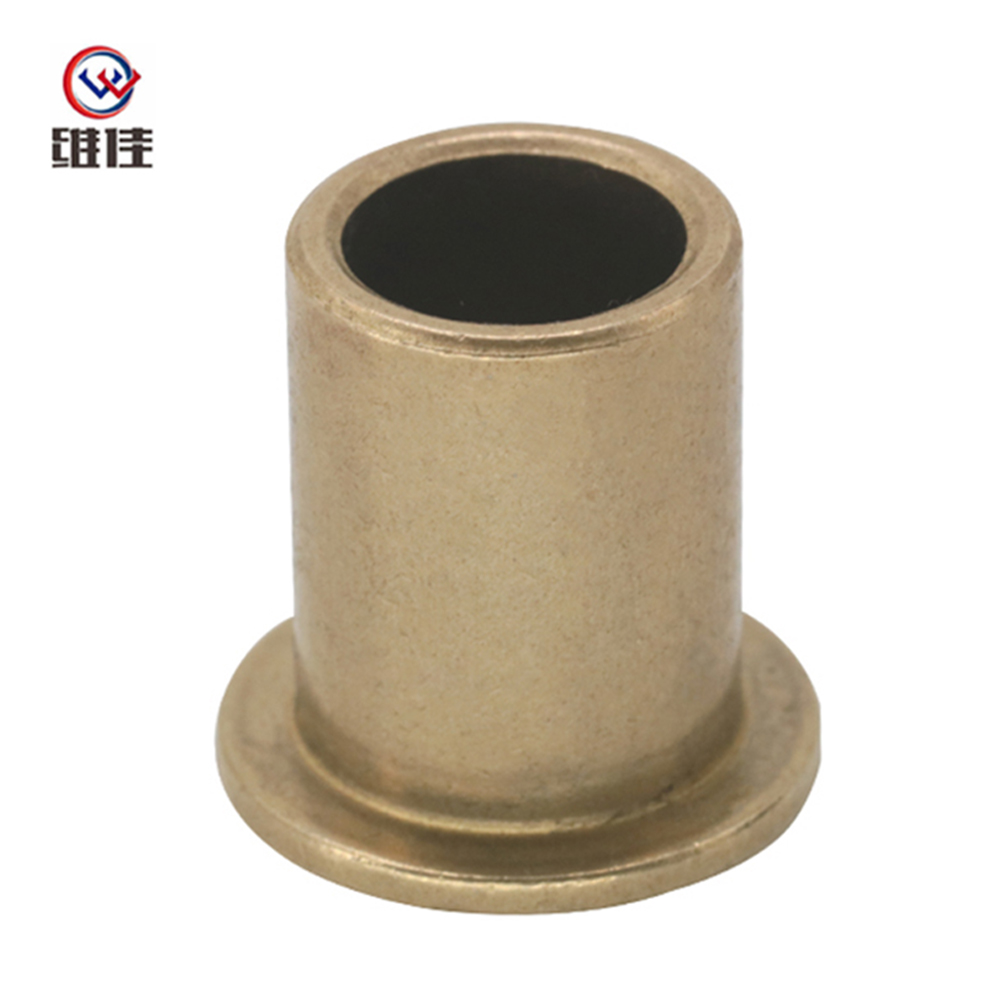
Our sintered bronze self-lubricating bearings are engineered for demanding industrial applications where traditional lubrication is impractical. Designed with advanced powder metallurgy technology, th...
See Details -
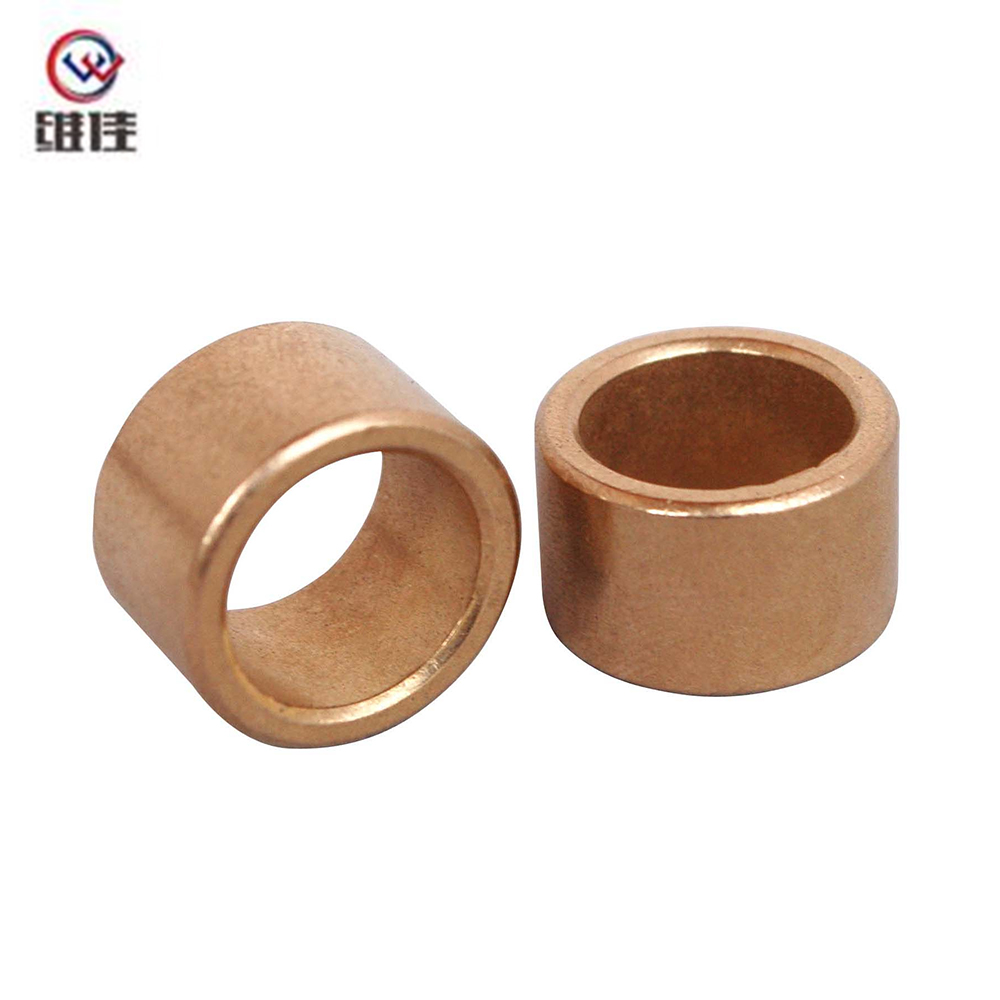
This copper-based powder metallurgy bushing is manufactured through an integrated process of compaction, sintering, sizing, and oil impregnation. It features excellent wear resistance and self-lubrica...
See Details -
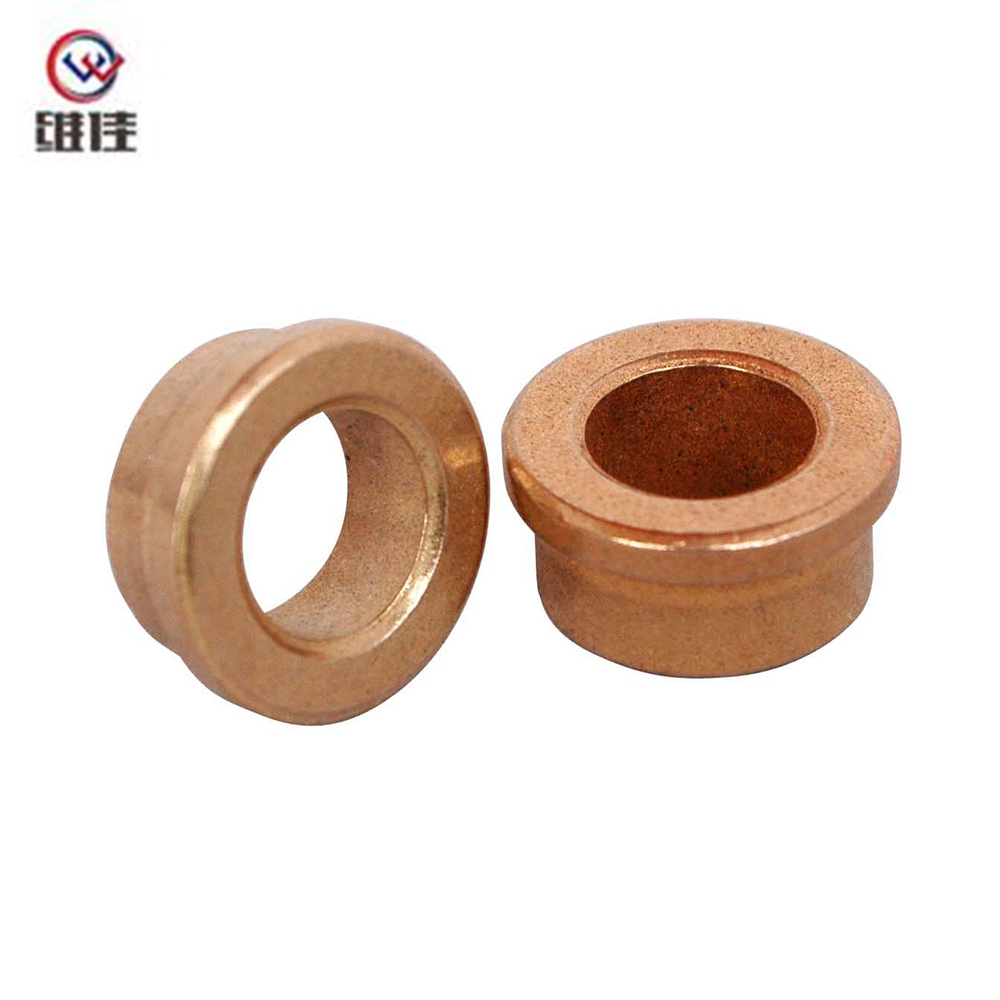
Premium Material: Our flange bushing is crafted from Sint B50 oil-impregnated bronze, featuring an 18% oil content. The high-quality tin bronze material ensures exceptional hardness, wear resistance, ...
See Details
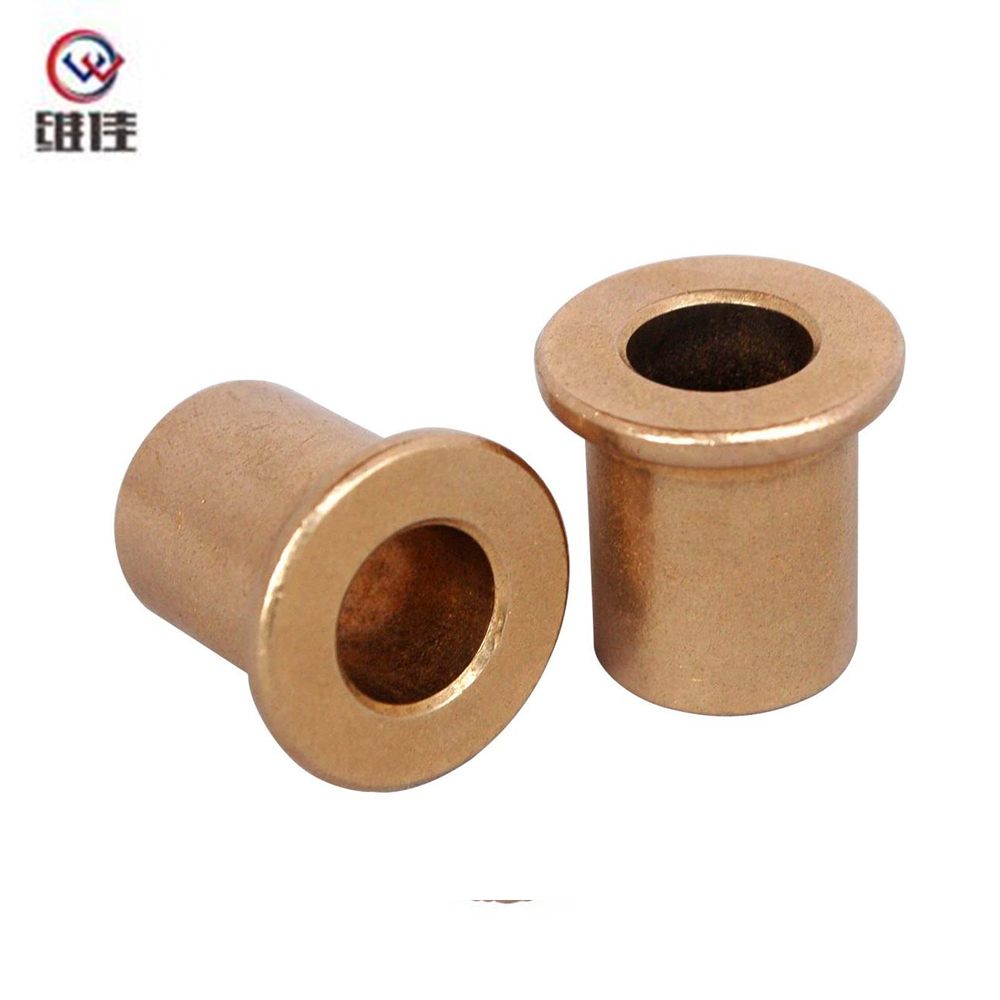
Copyright © Jiande Welfine Technology Co., Ltd. All Rights Reserved. Custom Self-lubricating Sintered Bushing Manufacturers
