 English
 中文简体
中文简体
Description: Custom powder metallurgy planetary gear with high precision, wear resistance for automotive, industrial machinery & home appliances. OEM/ODM supported.
See DetailsE-mail us: [email protected]
Tel: +86-15239857375


 Home / Author / Tan Xinyue — After-Sales Technical Coordinator / Custom Sintered Powder Metallurgy Planetary Gears for Precision Transmission Systems
 Custom Sintered Powder Metallurgy Planetary Gears for Precision Transmission Systems
 2026.08.11
 Tan Xinyue — After-Sales Technical Coordinator
Content
- 1 What Is a Powder Metallurgy Planetary Gear?
- 2 Product Characteristics and Typical Specifications
- 3 Advantages of Powder Metallurgy Planetary Gears
- 4 Comparison with Forged and Machined Steel Gears
- 5 Green Density and Sintering Temperature
- 6 Manufacturing Process for Custom Planetary Gears
- 7 Product: Powder Metallurgy Planetary Gear
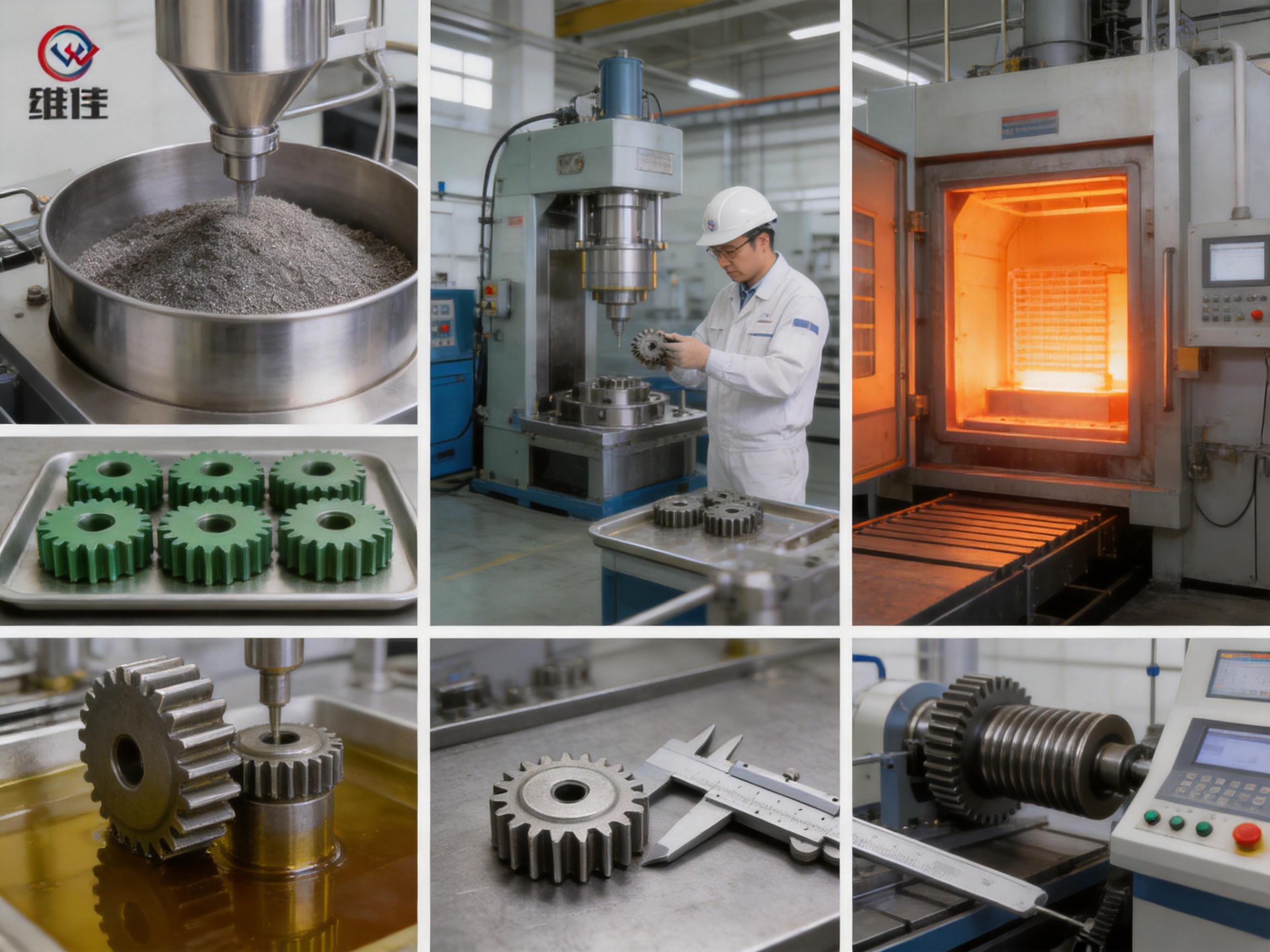
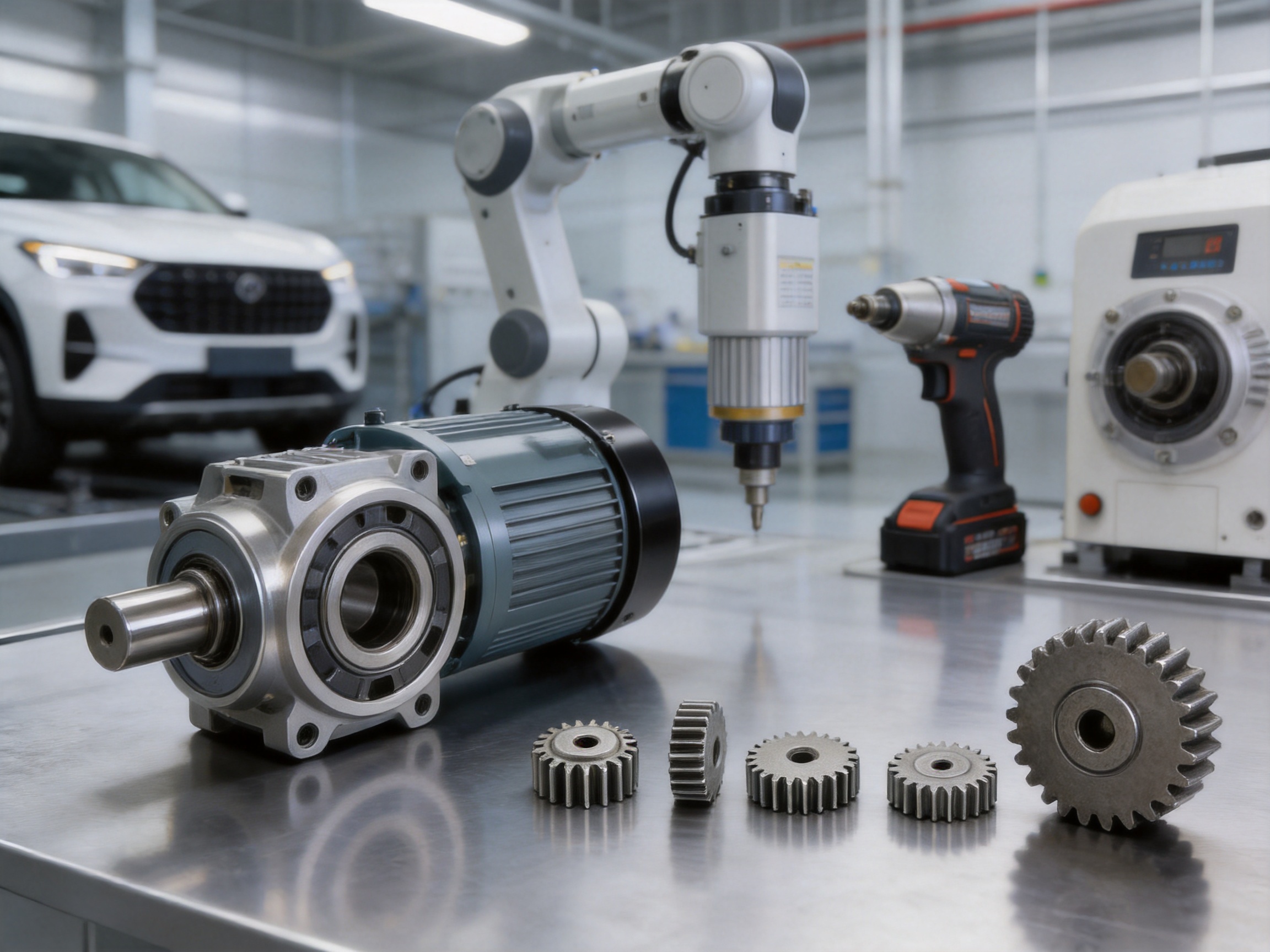
Powder metallurgy planetary gears are compact, efficient, and highly adaptable transmission components designed for applications that require reliable torque transfer, controlled noise, dimensional consistency, and cost-effective mass production. By combining precision compaction, controlled-atmosphere sintering, sizing, and optional surface treatments, a sintered planetary gear can be engineered for automotive mechanisms, electric vehicle motor systems, industrial reducers, robotics, power tools, and household appliances.
Unlike conventionally machined gears, powder metallurgy gears are formed close to their final geometry directly from metal powder. This manufacturing method makes it possible to produce complex tooth profiles, integrated hubs, lightweight webs, lubrication features, and functional recesses with limited material waste. It also provides an efficient way to manufacture large volumes of small and medium-sized gears with stable dimensions and repeatable performance.
Jiande Welfine Technology Co., Ltd. specializes in powder metallurgy sintering and precision component production. Established in 2001, the company operates a 13,039-square-meter production base with more than 150 employees. Its production capabilities include powder mixing, precision pressing, high-temperature sintering, sizing, surface treatment, inspection, and precision machining. ISO 9001:2015 and IATF 16949:2016 quality systems support its OEM and ODM services for customers requiring custom planetary gears based on drawings, samples, or application specifications.
What Is a Powder Metallurgy Planetary Gear?
A planetary gear is a toothed gear used within a planetary transmission system. A typical planetary gear set contains a central sun gear, several planet gears, an internal ring gear, and a carrier that supports the planet gears. As the planet gears rotate around the sun gear while also rotating on their own axes, the system can provide high reduction ratios, compact packaging, balanced load distribution, and multiple operating modes.
A powder metallurgy planetary gear is produced by compacting a carefully formulated metal powder inside a precision die, followed by sintering at a controlled temperature. During sintering, particles bond through diffusion and neck growth, creating a solid component with engineered density, strength, hardness, and dimensional stability.
The basic material options for the gear include reduced iron powder, iron-copper alloys, and iron-nickel alloys. The final composition can be adjusted according to load, speed, wear, impact, corrosion, and cost requirements. Carbon, copper, nickel, molybdenum, and other alloying elements may be incorporated into the powder formulation when higher strength or hardenability is required.
Depending on the design and application, the gear can receive oil impregnation, zinc plating, phosphatization, steam treatment, carburizing, carbonitriding, or other post-processing treatments. These options enable the same basic powder metallurgy platform to serve low-load appliance mechanisms as well as demanding automotive and industrial transmission assemblies.
Product Characteristics and Typical Specifications
Custom planetary gears are developed around the customer’s gear drawing, mating components, load conditions, and assembly requirements. Standard product information provides a starting point, while the final material, density, heat treatment, tooth accuracy, and surface finish are confirmed during technical review and sample validation.
| Item | Typical Specification | Customization Considerations |
|---|---|---|
| Product | Powder metallurgy planetary gear | Gear geometry, module, tooth count, bore, hub, and carrier fit |
| Material | Reduced iron powder, Fe-Cu alloy, or Fe-Ni alloy | Formula selected according to torque, speed, wear, and heat-treatment needs |
| Gear accuracy | ISO or DIN Grade 7–9, depending on design | Further sizing, machining, or finishing may be applied for tighter requirements |
| Hardness | Approximately HRB 60–90 for selected sintered conditions | Hardness can be increased through carburizing or carbonitriding |
| Sintered density | Typically at least 6.8 g/cm³; higher density options available | High-density compaction and advanced processes support demanding applications |
| Surface treatment | Oil impregnation, zinc plating, phosphatization, or steam treatment | Selected according to lubrication, corrosion, and wear requirements |
| Torque range | Approximately 5–500 N·m for application-specific designs | Actual performance depends on size, material, tooth geometry, speed, and duty cycle |
| Quality systems | ISO 9001:2015 and IATF 16949:2016 | Supporting traceability, process control, and automotive quality requirements |
Tooth profile tolerance can be controlled to approximately 0.02 mm in suitable designs. Gear roll testing, density measurement, hardness inspection, dimensional measurement, and metallographic analysis are used to verify the final product. The actual achievable accuracy must be confirmed for each gear size and geometry because tooth module, face width, wall thickness, bore design, and density distribution all influence sintering shrinkage and distortion.
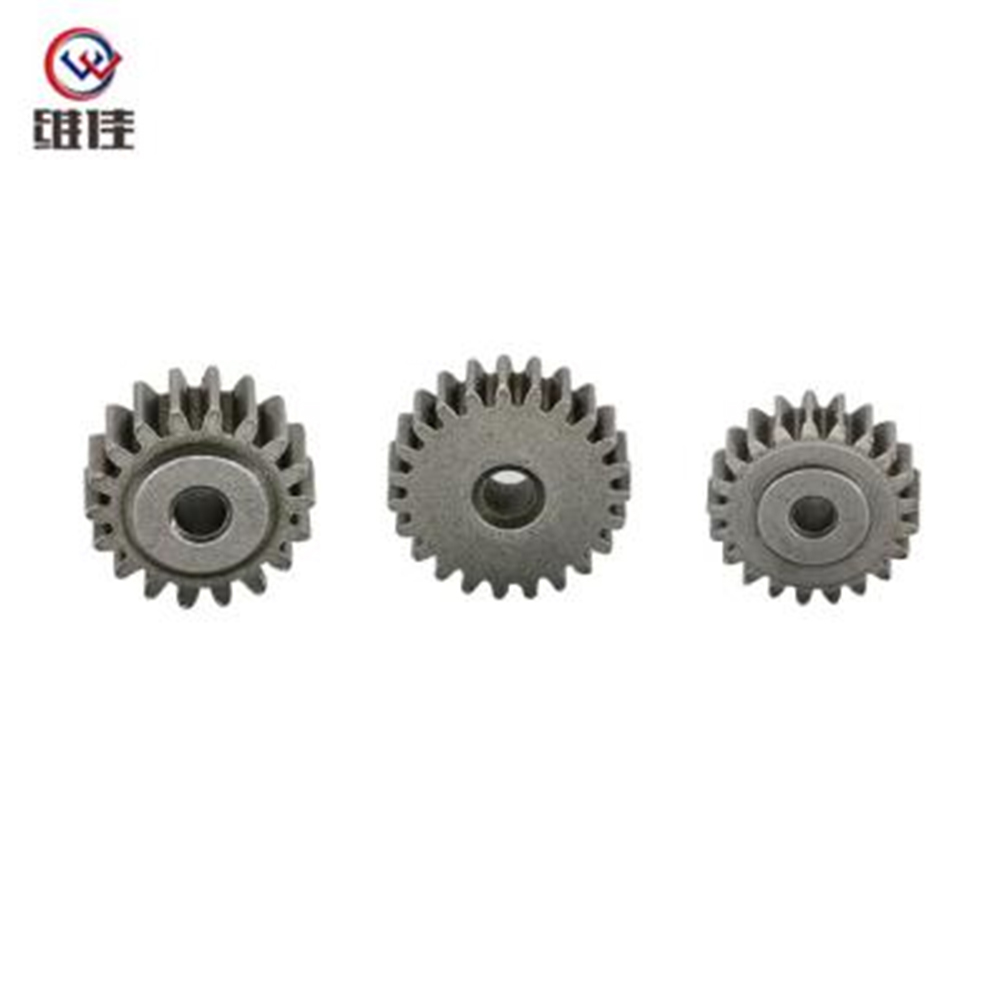
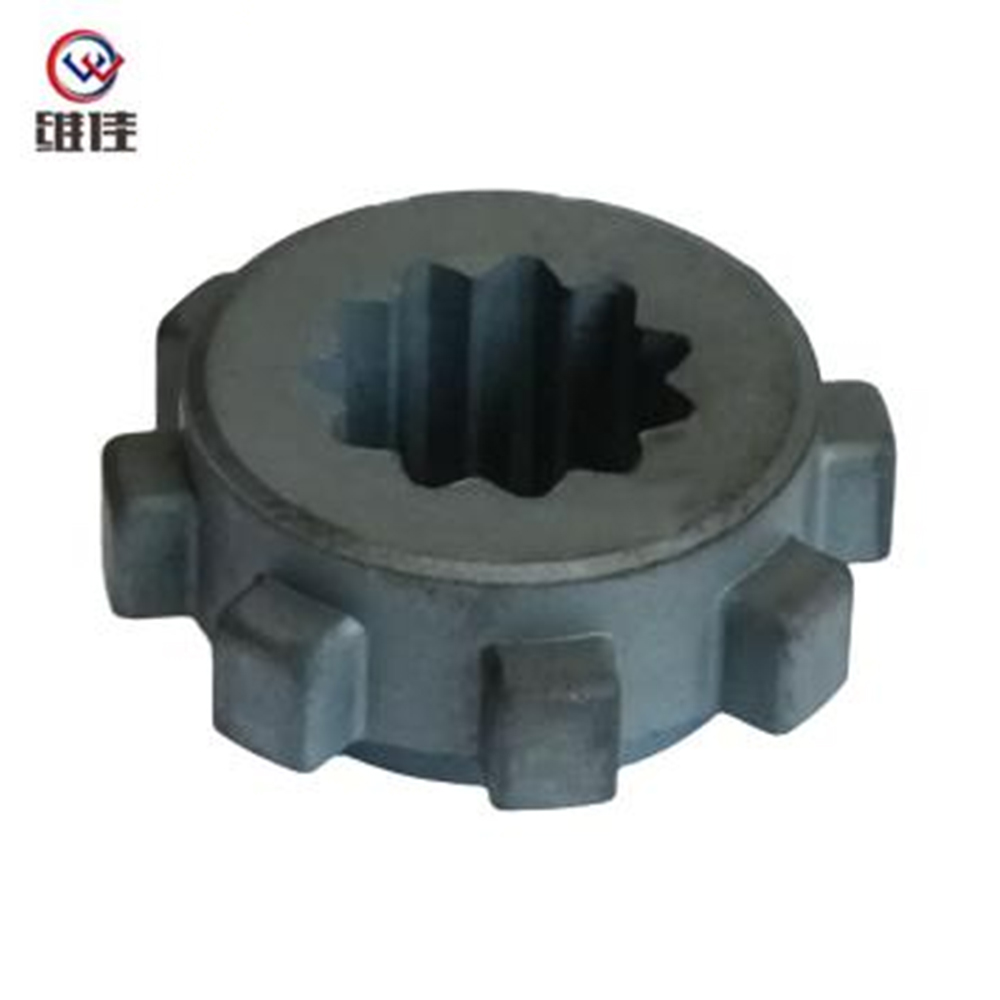
Powder Metallurgy Planetary Gear
Advantages of Powder Metallurgy Planetary Gears
Near-Net-Shape Manufacturing
The main advantage of powder metallurgy is the ability to form a gear close to its final shape in a single pressing operation. The tooth profile, bore, hub, recesses, and selected lightweight features can be formed at the same time. This reduces the amount of turning, milling, hobbing, broaching, and other machining normally required for conventionally manufactured gears.
Near-net-shape production lowers material waste and reduces the number of manufacturing stages. For high-volume applications, it also improves production consistency because every part is formed using the same controlled die geometry. Secondary sizing or machining can be added where necessary, but it is usually limited to critical dimensions rather than the entire component.
Cost-Efficient Mass Production
Once the tooling has been developed and qualified, powder metallurgy is highly suitable for repeat production. A press can produce large quantities of identical components with consistent cycle times. Compared with a process based on cutting a gear from bar stock or forging followed by extensive machining, powder metallurgy may reduce material consumption, labor requirements, and processing time.
For suitable gear designs, one-step mold forming can improve production efficiency by approximately 50 percent compared with more machining-intensive routes. Unit cost reductions of 20–30 percent may be possible in large-volume programs, although the final economic result depends on tooling investment, material selection, part size, production quantity, and tolerance requirements.
Integrated Functional Features
Powder compaction allows designers to integrate features that would require additional operations in forged or machined steel gears. Examples include stepped hubs, oil grooves, relief areas, balancing recesses, small holes, and lightweight webs. Integrating these features reduces assembly complexity and can improve the relationship between the gear and its shaft, bearing, or carrier.
Lightweight geometry is particularly useful in high-speed motor systems. A thinner web or a controlled recess can reduce mass near the outer radius, where material contributes strongly to the polar moment of inertia. The result may be faster acceleration, lower dynamic loading, and improved responsiveness in rotating assemblies.
Controlled Porosity and Self-Lubrication
Unlike fully dense wrought steel, sintered metal contains a controlled pore structure. When the gear is oil impregnated, these interconnected pores can retain lubricant and gradually release it during operation. This creates a self-lubricating effect that can reduce friction and support operation in mechanisms where applying liquid lubricant directly to the gear is difficult.
Oil impregnation is especially useful in seat adjusters, mirror adjustment mechanisms, small actuators, appliance gearboxes, and other enclosed systems. The correct porosity level must be selected carefully, because high density improves strength while sufficient connected porosity improves oil retention. The ideal balance depends on tooth load, operating speed, temperature, lubricant type, and expected service life.
Wear Resistance and Surface Engineering
Powder metallurgy gears can be engineered for wear resistance through alloy formulation, density control, sizing, heat treatment, and surface treatment. Copper-containing and nickel-containing iron alloys can provide improved mechanical performance compared with basic iron grades. Carburizing and carbonitriding can create a hard surface layer while retaining a tougher interior structure.
Steam treatment creates a thin oxide layer that can improve corrosion resistance, surface stability, and initial running behavior. Phosphatization can support lubrication and reduce friction during the early operating period. Zinc plating is available when additional corrosion protection is required. For oil-impregnated gears, the treatment must be selected so that surface pores and lubricant behavior remain compatible with the application.
Consistent Meshing and Low Transmission Noise
Planetary transmissions depend on smooth engagement between the sun gear, planet gears, and ring gear. Tooth profile error, pitch variation, runout, and density-related distortion can cause transmission error, vibration, and audible gear whine. Precision powder metallurgy tooling and controlled sizing help minimize these variations.
For suitable designs, tooth-to-tooth spacing variation can be controlled to approximately 0.015 mm, while pitch-circle runout may be controlled below approximately 0.03 mm. These values are design targets rather than universal guarantees, but they illustrate the dimensional capability available through precision compaction and finishing.
The controlled microstructure of a sintered gear can also provide internal damping. Residual porosity absorbs a portion of high-frequency vibration energy, while accurate tooth geometry reduces excitation caused by inconsistent meshing. In EV motor and actuator systems, optimized PM gears may therefore contribute to lower noise, vibration, and harshness compared with heavier and less precisely finished alternatives.
Comparison with Forged and Machined Steel Gears
Forged steel gears are valued for their high density, toughness, and excellent fatigue strength. They remain an appropriate choice for very high-load applications and designs requiring maximum material performance. However, forged gears commonly require extensive post-forging machining, tooth cutting, heat treatment, grinding, and inspection. These operations increase production cost and lead time, particularly for small gears with complex hubs or lightweight structures.
Powder metallurgy gears offer a different performance and manufacturing balance. They are especially competitive when the design involves moderate loads, high production volumes, integrated geometry, controlled mass, and the need for repeatable dimensions. They may also reduce the need for hard finishing when an ISO Grade 7–9 accuracy level is sufficient.
| Comparison Factor | Powder Metallurgy Planetary Gear | Forged or Machined Steel Gear |
|---|---|---|
| Material utilization | High; near-net-shape forming minimizes scrap | Lower when substantial turning, milling, or tooth cutting is required |
| Complex geometry | Hubs, recesses, grooves, and lightening features can be integrated during pressing | Usually requires additional machining operations |
| Production volume | Highly suitable for medium and high-volume production | Suitable across volumes but often more expensive for repeated small parts |
| Density | Controlled, commonly approximately 6.8–7.4 g/cm³ | Typically close to 7.85 g/cm³ for steel |
| Weight | Can be reduced through density control and integrated lightweight design | Generally higher for identical external geometry |
| Lubrication | Oil impregnation can provide self-lubricating behavior | Normally depends on external grease or oil supply |
| Fatigue strength | Strong performance when density, alloy, and heat treatment are optimized | Usually higher ultimate strength for severe heavy-duty service |
| Finishing requirement | Sizing or selective machining may achieve the required accuracy | Tooth grinding or shaving may be needed for high accuracy |
| Cost structure | Tooling investment followed by efficient repeat production | Lower tooling dependence but higher machining cost per piece |
Material selection should therefore be based on the complete duty cycle rather than on strength alone. A PM planetary gear may be the better solution when its lower mass, self-lubrication, near-net-shape geometry, and production efficiency outweigh the need for the maximum possible steel density.
Green Density and Sintering Temperature
Green density is the density of the compacted part before sintering. It is one of the most important variables in powder metallurgy gear production because it affects porosity, shrinkage, strength, hardness, dimensional stability, and fatigue performance.
A higher green density creates larger contact areas between powder particles and reduces the volume of residual pores. During sintering, these contact points grow into stronger metallurgical bonds. A dense and uniform compact generally supports better load distribution across the tooth flank and reduces stress concentrations that can initiate pitting or spalling.
Low green density can leave interconnected porosity after sintering. Under Hertzian contact stress, these pores may act as crack initiation sites. However, simply increasing density without considering tooling, lubrication, ejection, and dimensional change is not sufficient. Excessive compaction pressure may create density gradients, tooling wear, or ejection problems. The pressing strategy must be matched to the gear’s geometry.
Sintering temperature controls diffusion, alloying, pore rounding, bond development, and dimensional change. Iron-based gears may be sintered within a broad temperature range, but high-performance applications commonly require carefully controlled profiles. A typical optimized range for selected iron-based alloys may be approximately 1,180–1,220°C, subject to material composition and furnace atmosphere.
Insufficient sintering can leave weak particle bonds and inadequate fatigue strength. Excessive temperature can cause grain growth, distortion, abnormal shrinkage, or loss of dimensional control. Furnace atmosphere is equally important. Nitrogen-based or endothermic atmospheres, sometimes combined with hydrogen, are controlled to reduce oxidation and support stable carbon transfer.
| Green Density | Typical Sintering Range | General Performance Trend | Potential Application |
|---|---|---|---|
| 6.6–6.8 g/cm³ | 1,120–1,150°C | Lower strength with greater residual porosity | Light-load actuators and simple mechanisms |
| 6.9–7.1 g/cm³ | 1,150–1,180°C | Balanced strength, cost, and dimensional control | Power tools and medium-duty reducers |
| 7.2–7.4 g/cm³ | 1,180–1,220°C | Improved contact fatigue resistance and gear accuracy | Automotive mechanisms and e-bike transmissions |
| Above 7.4 g/cm³ with advanced processing | 1,220–1,250°C | High density and strength, requiring close process control | Selected heavy-duty planetary systems |
For applications requiring high precision and long service life, a target green density above 7.2 g/cm³ may be considered, together with a controlled sintering profile. The exact values must be verified by testing because density, temperature, alloy composition, atmosphere, and geometry operate as an interconnected system.
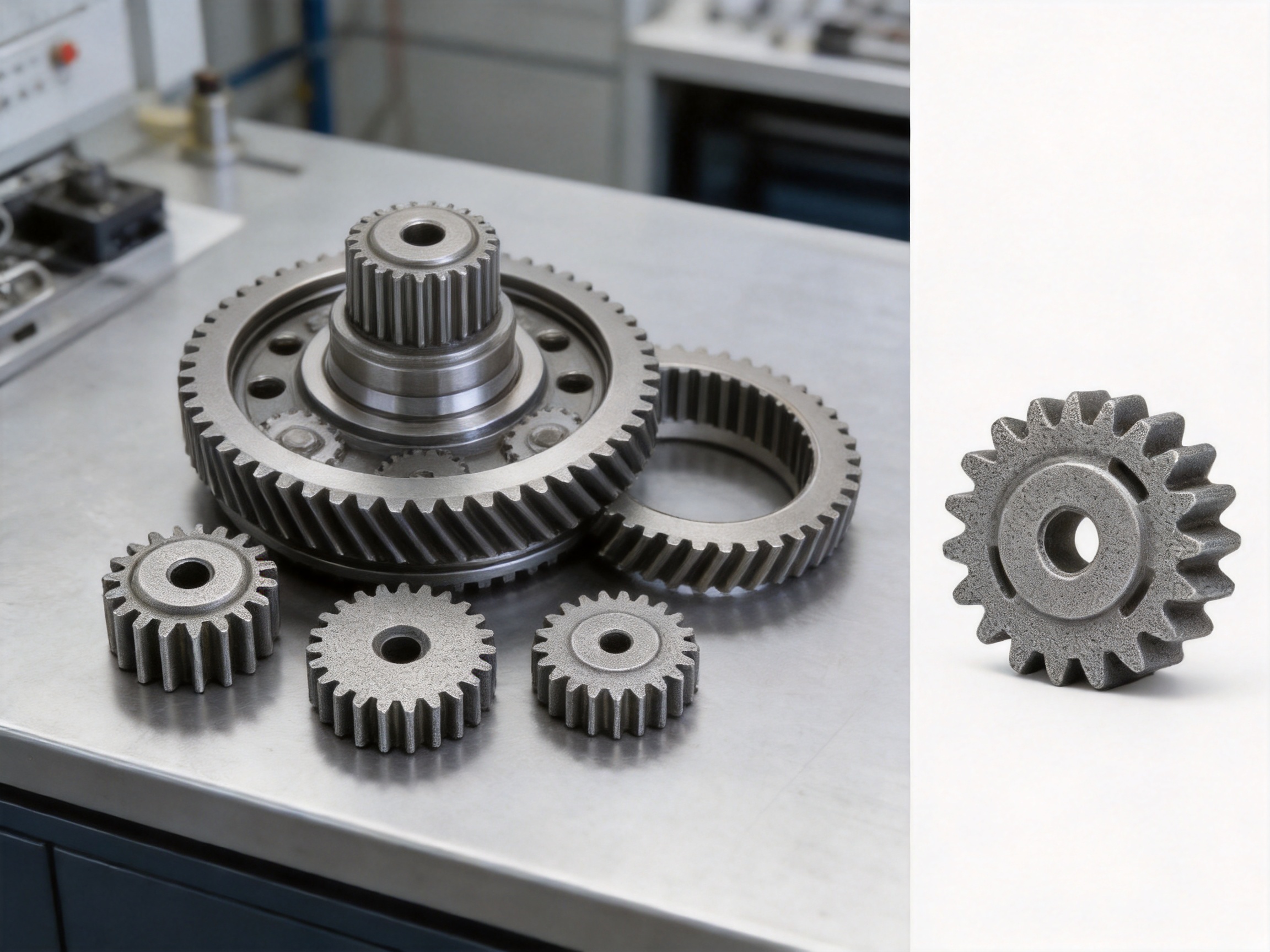
Manufacturing Process for Custom Planetary Gears
1. Engineering Review and Design Confirmation
Production begins with a review of the customer’s drawing, sample, or functional specification. Engineers evaluate tooth count, module, pressure angle, face width, bore tolerance, hub shape, carrier interface, gear ratio, rotational speed, torque, impact loading, operating temperature, lubricant, and expected service life.
This review identifies whether the gear is suitable for powder compaction and whether features should be formed in the die or completed by secondary machining. Engineers also examine the direction of pressing, the location of steps and undercuts, the risk of density variation, and the expected sintering shrinkage. Early design review helps prevent costly tooling changes later in the project.
2. Powder Selection and Mixing
The powder system is selected according to the required mechanical and tribological properties. Reduced iron powder may be suitable for cost-sensitive, moderate-load gears. Fe-Cu alloys can improve strength and dimensional behavior, while Fe-Ni alloys can support higher performance and heat-treatment response.
Powders are blended with alloying additions and processing lubricants in controlled proportions. Particle size distribution, apparent density, flowability, compressibility, and chemical uniformity are monitored. Consistent mixing is essential because variations in composition can cause uneven sintering, hardness differences, and unstable dimensions.
Custom material formulation allows the manufacturer to balance density, strength, wear resistance, machinability, and cost. The selected powder must also be compatible with the customer’s lubrication system and any post-sintering treatment.
3. Precision Die Design and Tooling
The compaction die determines the basic geometry of the gear. Tooling is designed to fill the cavity evenly and provide the correct pressing motion for the tooth profile, bore, hub, and any integrated features. Multi-level tooling may be used where the component has stepped sections or different cross-sectional heights.
Tool materials, clearances, surface finishes, and wear allowances are selected according to production volume and powder characteristics. Precision tooling is critical because die geometry is transferred directly to the green compact. Tooling simulation and trial pressing can help identify areas where powder flow or ejection may create density variation.
4. High-Pressure Compaction
Prepared powder is accurately metered into the die cavity and compacted under high pressure. Production equipment may include CNC-controlled presses ranging from approximately 200 to 800 tons, while the actual pressing pressure depends on part size and material. The objective is to achieve a uniform green density throughout the gear, especially around the tooth roots, tips, hub, and bore.
Improper filling can cause local voids or density gradients. Excessive pressure can increase tool stress and make ejection difficult. Pressing speed, powder lubrication, fill height, upper and lower punch movement, and transfer control are therefore monitored as part of the process window.
In some cases, double-action pressing or double-press/double-sinter processing is used to improve density distribution and reduce distortion. These techniques are particularly useful for gears with substantial height differences or demanding fatigue requirements.
5. Sintering in a Protective Atmosphere
Green compacts are transported through a controlled-atmosphere furnace. The sintering cycle includes preheating, lubricant removal, high-temperature bonding, controlled cooling, and, when required, carbon adjustment. Temperatures may range from approximately 1,050 to 1,250°C, depending on the selected alloy and performance target.
Multi-zone mesh-belt and pusher furnaces provide control over temperature and atmosphere. Furnace uniformity can be maintained within approximately ±5°C in suitable production conditions. Atmosphere control minimizes oxidation and supports stable carbon potential, which is important for hardness and heat-treatment response.
During sintering, particles diffuse together and form metallurgical necks. Pores become more rounded and isolated, while the part experiences a controlled change in size. The final result depends on green density distribution, powder composition, heating rate, peak temperature, holding time, atmosphere, and cooling conditions.
6. Sizing and Finishing
After sintering, the gear may undergo sizing to improve tooth profile, bore size, runout, and overall dimensional stability. Sizing uses a precision tool to apply controlled pressure to selected surfaces without fully reshaping the component. It is an efficient way to improve repeatability for high-volume parts.
Where tighter tolerances are needed, selective machining can be applied to the bore, reference faces, or other critical features. Depending on the design, additional operations may include turning, grinding, honing, deburring, or gear finishing. The purpose is not to replace the near-net-shape advantage of powder metallurgy, but to apply machining only where it creates clear functional value.
7. Surface Treatment and Impregnation
Oil impregnation fills the accessible pore network with lubricant. The gear can then release oil gradually during operation, reducing friction and improving startup behavior. This treatment is suitable for many enclosed mechanisms and can
Product: Powder Metallurgy Planetary Gear
Related products
-
-
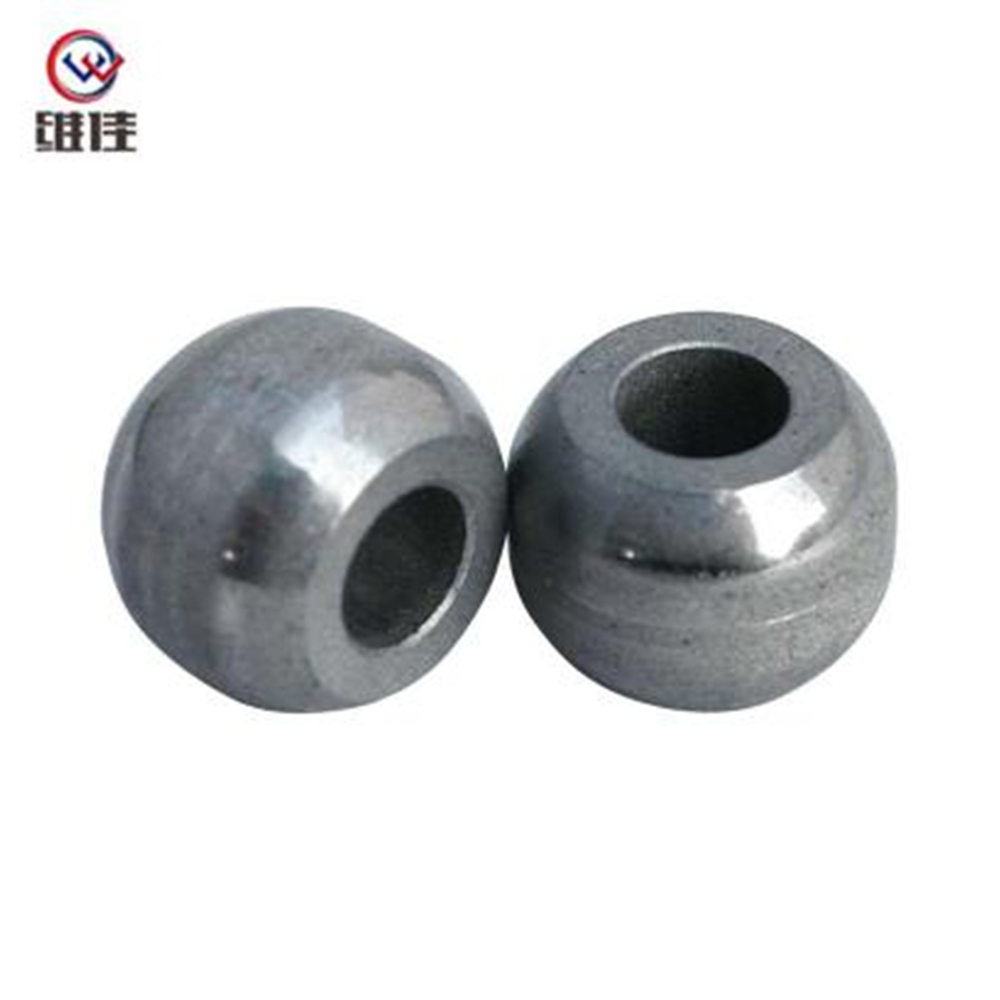
Product Description: High-precision powder metallurgy part (S14*7*10) made of iron material from Jiande Wefine, customized PM components with strict tolerance control.
See Details -
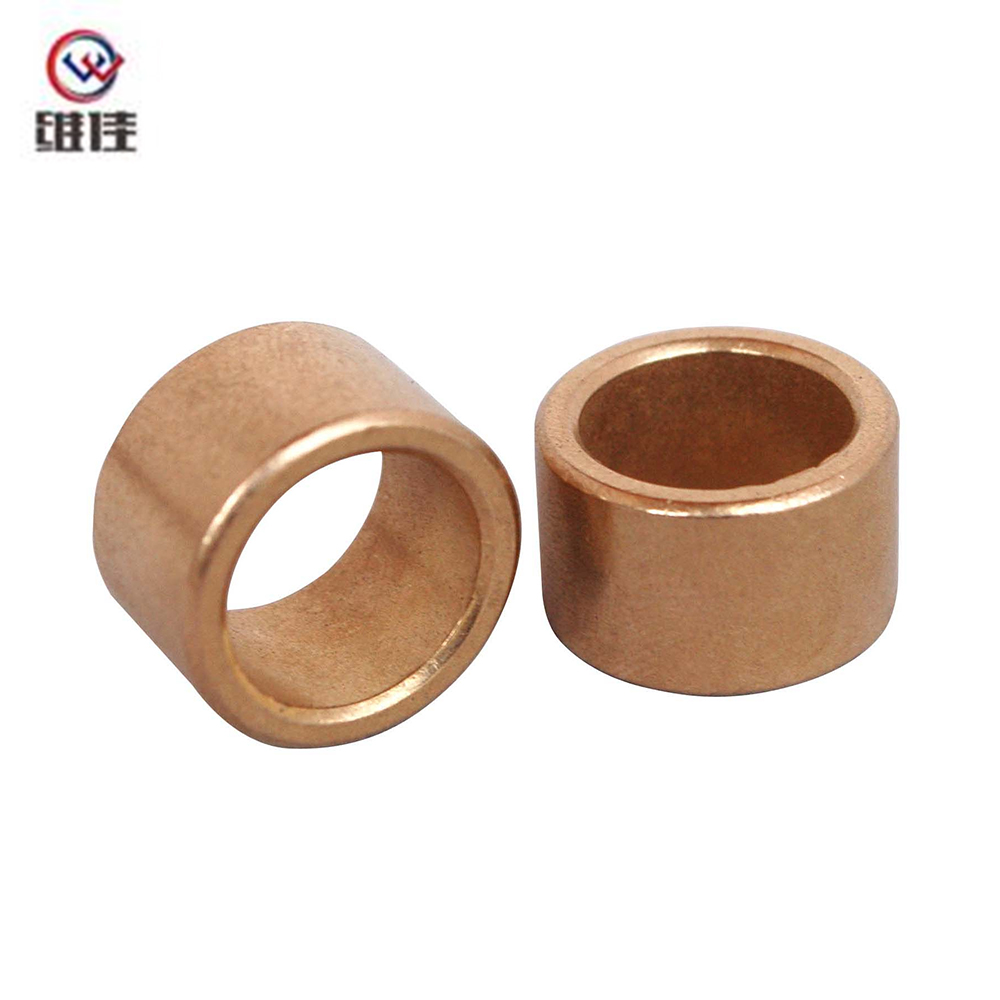
This copper-based powder metallurgy bushing is manufactured through an integrated process of compaction, sintering, sizing, and oil impregnation. It features excellent wear resistance and self-lubrica...
See Details -
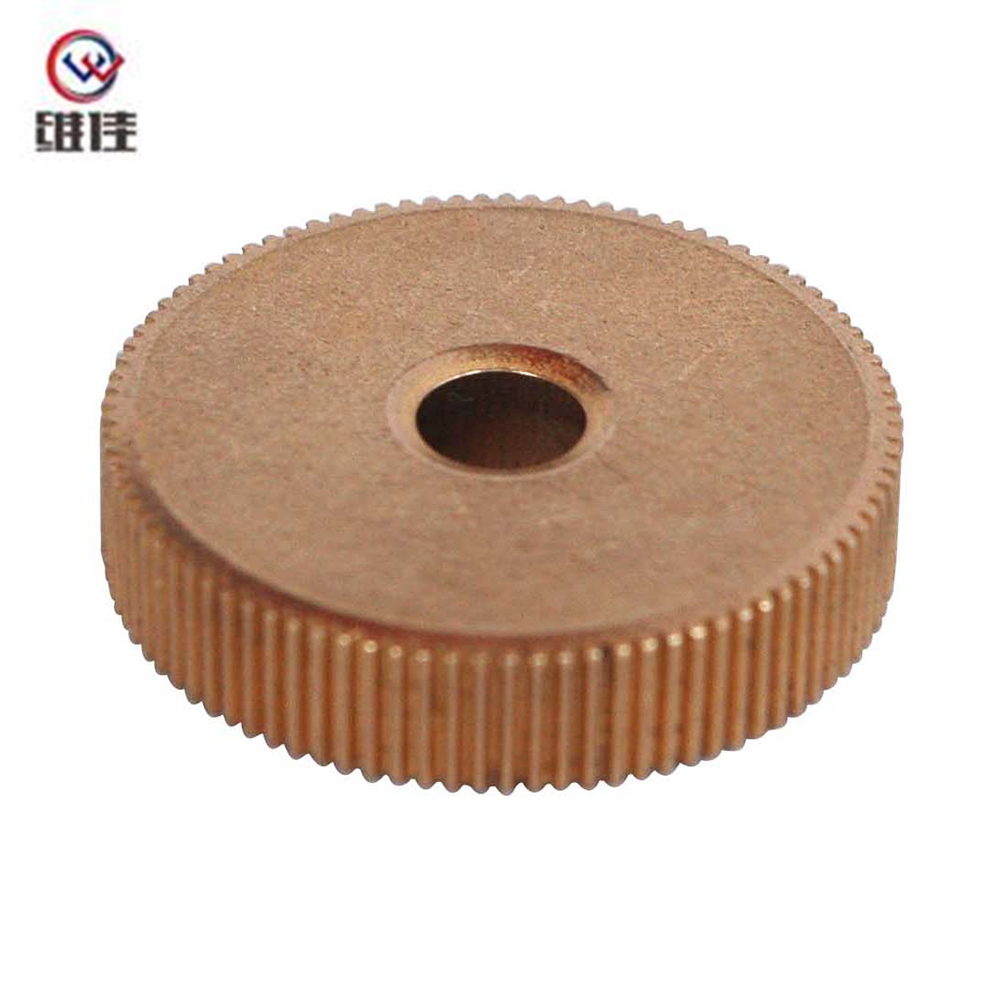
This 4×11.5×5.2mm powder metallurgy gear is manufactured through a precise press-sinter-through hole-oil impregnation process, with strict control of press density (6.7–6.8g/cm³) and sintering tempera...
See Details
Copyright © Jiande Welfine Technology Co., Ltd. All Rights Reserved. Custom Self-lubricating Sintered Bushing Manufacturers
