E-mail us: [email protected]
Tel: +86-15239857375
 English
 中文简体
中文简体

 Home / Author / Shen Yiruo — Senior After-Sales Service Manager / Sintered Iron Self-Lubricating Bushings for Reliable Motor Performance
 Sintered Iron Self-Lubricating Bushings for Reliable Motor Performance
 2026.08.25
 Shen Yiruo — Senior After-Sales Service Manager
Content
- 1 What Is a Sintered Iron Self-Lubricating Bushing?
- 2 Why Self-Lubricating Bushings Matter in Motor Applications
- 3 Operating Principle of the Oil-Impregnated Structure
- 4 Advantages Compared with Conventional Bearing Solutions
- 5 Material Engineering for Sintered Iron Bushings
- 6 Advanced Powder Metallurgy Manufacturing Process
- 7 Manufacturing Strengths of Jiande Welfine Technology Co., Ltd.
- 8 Applications Across Multiple Industries
- 9 Design Considerations for Motor Manufacturers
- 10 Comparison with Bronze, Babbitt, Polymer, and Rolling Bearings
- 11 How to Select the Correct Bushing
- 12 Reliability Benefits for OEM and ODM Customers
- 13 Common Causes of Bushing Failure
- 14 Sustainability and Resource Efficiency
- 15 Future Development of Sintered Iron Self-Lubricating Bushings
- 16 Q&A
- 16.1 What is the main advantage of a sintered iron self-lubricating bushing?
- 16.2 Does the bushing require additional grease or oil after installation?
- 16.3 Can these bushings be used in electric motors?
- 16.4 How does a sintered iron bushing compare with a rolling bearing?
- 16.5 How does it compare with a bronze oil-impregnated bushing?
- 16.6 Can the bushing shape be customized?
- 16.7 Can the material formulation be customized?
- 16.8 What information should be provided when requesting a quotation?
- 16.9 How is dimensional consistency controlled?
- 16.10 What certifications does Jiande Welfine Technology Co., Ltd. have?
- 16.11 Are sintered iron bushings maintenance-free in every condition?
- 16.12 Can the company support prototype development?
- 17 Conclusion
- 18 References
- 19 Product: Sintered iron Self-lubricating Bushings
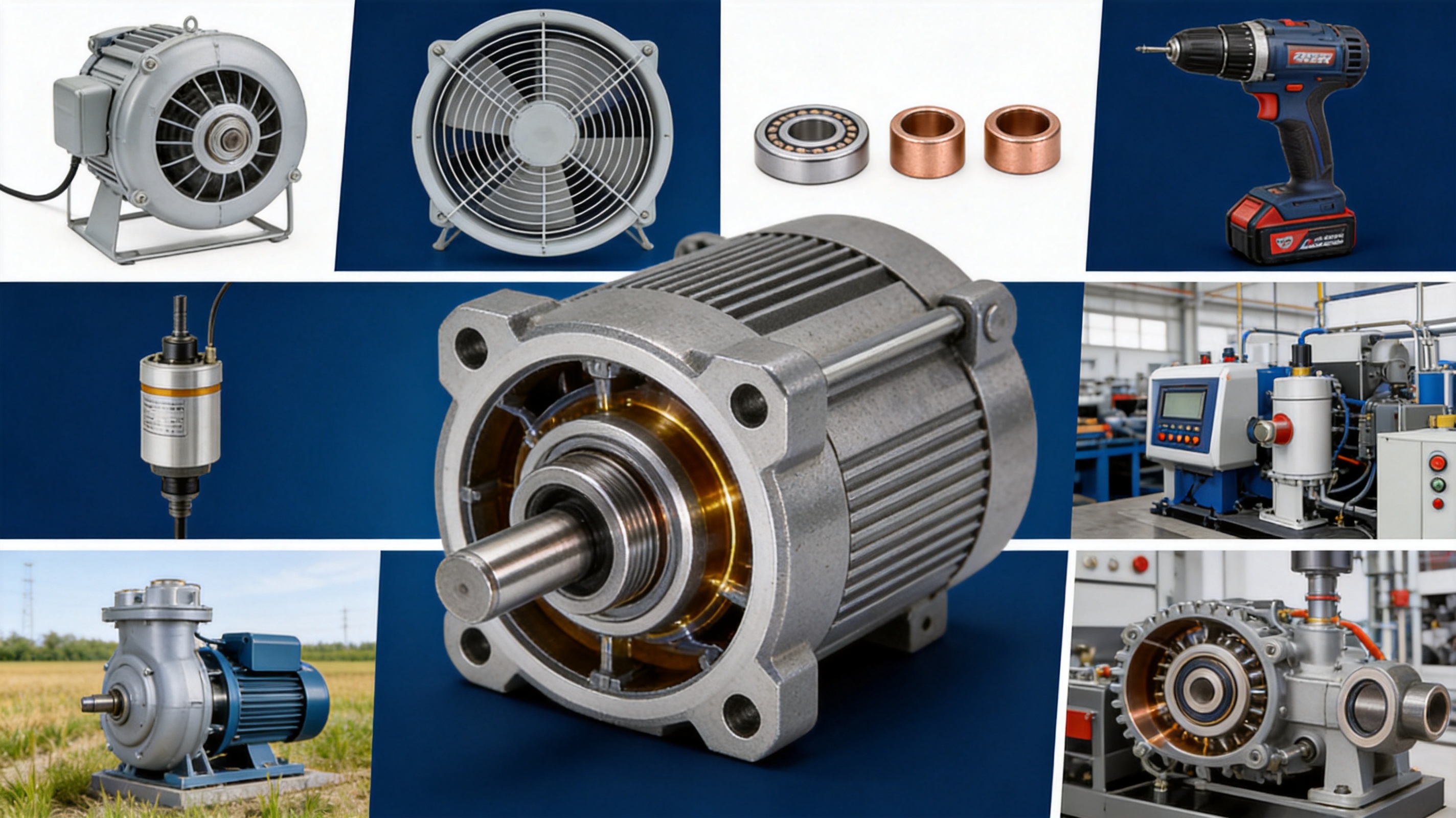
Sintered iron self-lubricating bushings are precision-engineered bearing components designed to support rotating shafts while reducing friction, wear, noise, and maintenance requirements. Produced through powder metallurgy, these bushings combine the strength of an iron-based structure with the lubrication capability of a controlled porous material. The result is a cost-effective component suitable for motors, household appliances, power tools, automotive systems, industrial machinery, fans, agricultural equipment, and other applications requiring dependable rotational support.
Modern motor manufacturers face increasing pressure to improve efficiency, extend service life, reduce noise, and minimize maintenance. Conventional plain bearings may require regular external lubrication, while rolling bearings can increase cost, assembly complexity, noise, and space requirements. Sintered iron self-lubricating bushings provide an alternative that addresses many of these challenges through an oil-impregnated porous structure and customizable material formulation.
When manufactured with accurate powder preparation, controlled compaction, high-temperature sintering, precision sizing, and effective quality inspection, these bushings can deliver consistent dimensions and stable performance over long operating periods. Jiande Welfine Technology Co., Ltd. specializes in powder metallurgy bushings, self-lubricating bushings, and precision sintered components, supporting customers with standard and customized solutions based on drawings, samples, and application requirements.
What Is a Sintered Iron Self-Lubricating Bushing?
A sintered iron self-lubricating bushing is a plain bearing manufactured from compacted iron-based powder and processed through controlled sintering. During production, the powder is pressed into a near-net-shape component and heated below its melting point. The particles bond together to form a solid bearing body containing interconnected microscopic pores.
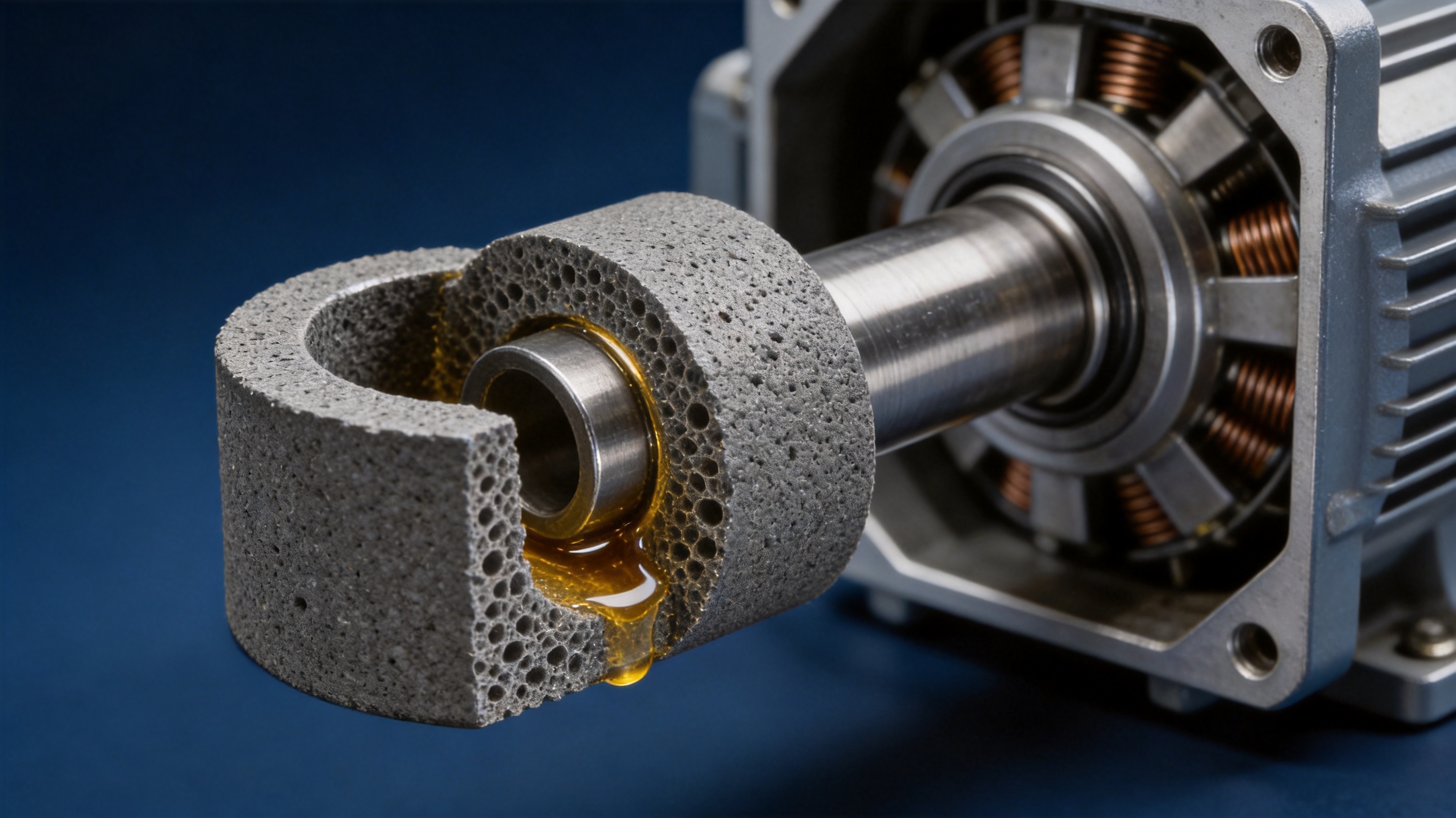
After sintering and precision sizing, the bushing is impregnated with lubricating oil. The pores act as reservoirs that hold the lubricant inside the bearing wall. During operation, heat and friction cause a controlled amount of oil to migrate toward the shaft interface. When the bushing cools or stops operating, some of the oil can return to the porous structure. This process creates a self-regulating lubrication cycle.
The bushing therefore does not depend entirely on a continuous external oil supply. Under suitable operating conditions, the stored lubricant supports a stable film between the shaft and the bearing surface. This reduces direct metal-to-metal contact and helps control friction, wear, and operating noise.
Iron-based materials are particularly valuable when an application requires more mechanical strength and load capacity than many conventional low-strength bearing materials can provide. The basic iron matrix can also be modified with alloying elements, graphite, copper, and other additives to adjust friction behavior, machinability, hardness, strength, and wear resistance.
| Product characteristic | Functional benefit |
| Porous iron-based structure | Stores and gradually releases lubricating oil |
| Powder metallurgy production | Provides repeatable geometry and material consistency |
| Alloy and additive flexibility | Allows performance to be adapted to different loads and speeds |
| Self-lubricating operation | Reduces dependence on frequent external lubrication |
| High structural strength | Supports demanding static and dynamic loads |
| Near-net-shape forming | Reduces material waste and supports economical mass production |
Why Self-Lubricating Bushings Matter in Motor Applications
Motors often operate for long periods with limited access for maintenance. A bushing inside a fan motor, appliance motor, actuator, or power tool may be difficult to inspect or lubricate after assembly. In sealed systems, external lubrication may not be practical at all. If the bearing interface loses lubrication, friction rises and the motor may experience higher power consumption, heat generation, noise, vibration, and accelerated wear.
A self-lubricating bushing helps address these risks by carrying its own lubricant. Instead of requiring frequent grease application, the bearing is supplied with oil during manufacturing. The lubricant is stored throughout the porous structure and released in response to operating conditions. This makes the component suitable for products where reduced service intervention is an important design objective.
Motor manufacturers also need components that can be produced consistently in high volumes. Small differences in bore size, outside diameter, wall thickness, density, or concentricity may affect shaft fit and motor performance. Powder metallurgy allows the manufacturer to create dedicated forming tools and repeatable production parameters. When supported by precision sizing and inspection, this process can provide stable dimensions from batch to batch.
Another important consideration is acoustic performance. Many motors are used in homes, offices, vehicles, and hand-held equipment where noise is a major product quality factor. A properly selected and correctly installed self-lubricating bushing can reduce friction at the shaft interface and help the motor operate more smoothly. The actual noise level depends on the motor design, shaft finish, alignment, load, speed, clearance, and operating environment, but the bearing material is an important part of the overall system.
Operating Principle of the Oil-Impregnated Structure
The working mechanism of a sintered iron self-lubricating bushing depends on the relationship between porosity, lubricant viscosity, shaft movement, temperature, and load. During impregnation, oil fills the connected pores within the sintered wall. The quantity of oil retained depends on the material density, pore volume, pore distribution, oil type, and impregnation method.
When the shaft begins to rotate, friction generates a small amount of heat at the sliding interface. The temperature change reduces the viscosity of the stored oil and encourages it to move toward the surface. Shaft rotation distributes the lubricant along the contact area. A thin film forms between the shaft and the bushing, reducing direct contact and supporting smooth movement.
As operating conditions stabilize, the release rate of oil can also stabilize. When the motor stops and the interface cools, some lubricant may be drawn back into the pores by capillary action. This ability to store and redistribute oil is the basis of the self-lubricating effect.
The structure does not mean that every bushing is suitable for every dry-running condition. Product selection must consider load, speed, temperature, shaft material, shaft roughness, alignment, clearance, environment, and duty cycle. A bushing designed for intermittent low-load operation may not be appropriate for continuous high-speed service. For this reason, engineering evaluation and application-specific material selection are essential.
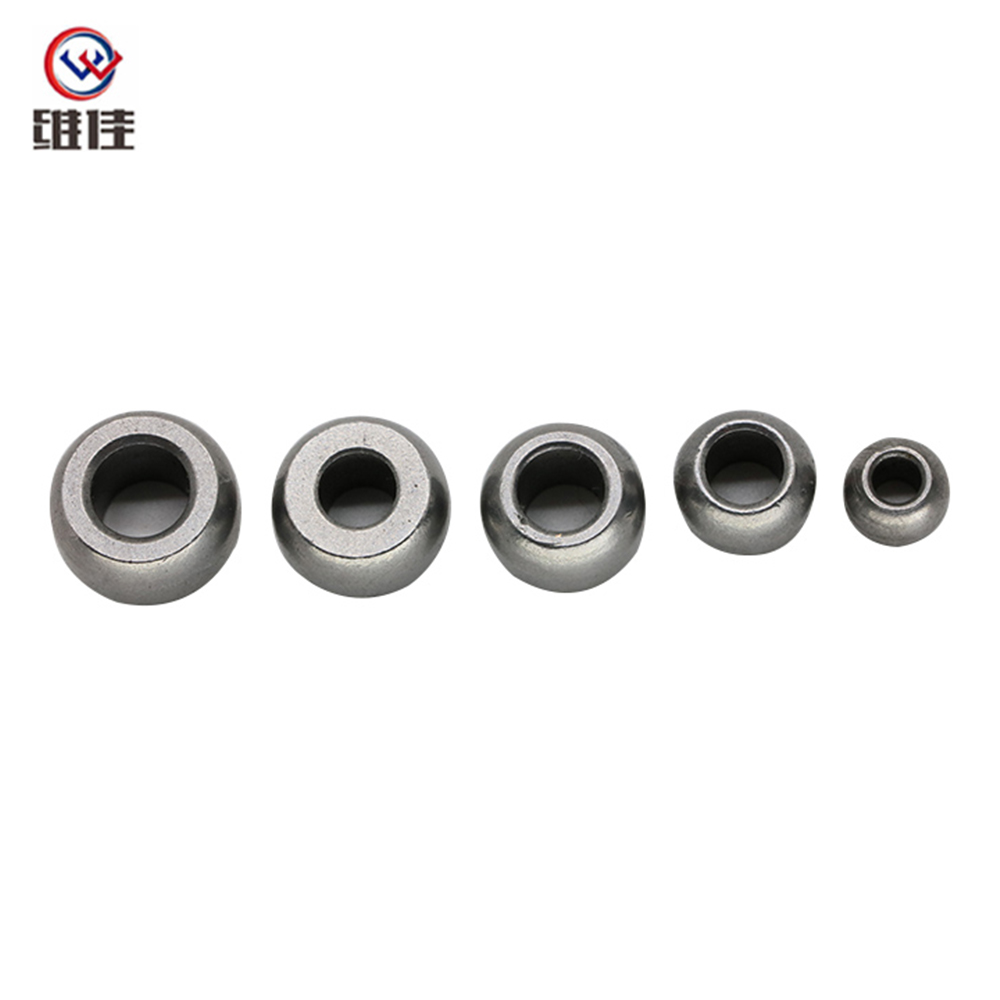
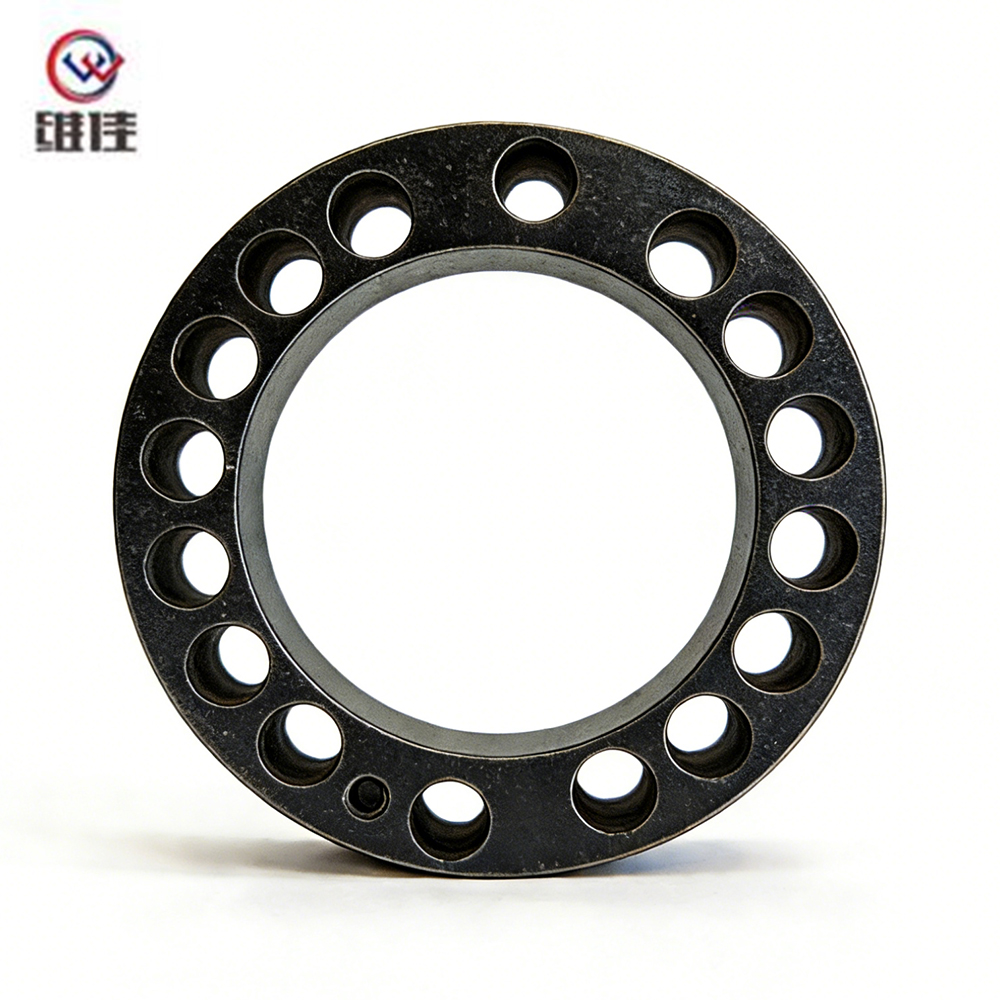
Sintered iron Self-lubricating Bushings
Advantages Compared with Conventional Bearing Solutions
Lower Maintenance Requirements
Traditional plain bushings often rely on grease or oil applied during assembly or service. Over time, the lubricant can evaporate, migrate away from the contact area, become contaminated, or lose its original performance. In applications where maintenance access is limited, lubrication failure can shorten the life of the equipment.
Oil-impregnated sintered iron bushings reduce this dependence on routine lubrication. The lubricant is incorporated into the component before installation, providing a built-in supply during operation. This can reduce maintenance frequency and simplify equipment design, particularly in compact motors and sealed assemblies.
Higher Load Capacity Than Many Lightweight Alternatives
Iron-based sintered materials offer a strong structural matrix that can support substantial radial loads. Compared with certain low-strength bronze, polymer, or lightweight bushing materials, sintered iron may provide improved resistance to deformation under demanding conditions. This is particularly useful in motor systems with high starting loads, repeated cycling, vibration, or heavy rotating assemblies.
Load capacity is influenced by material density, alloy composition, wall thickness, contact area, shaft diameter, speed, and lubrication. Therefore, the correct comparison must be based on actual application data rather than material names alone. Nevertheless, the iron-based structure provides a strong foundation for applications requiring a balance of load support and self-lubrication.
Improved Cost Efficiency
Powder metallurgy is well suited to high-volume production of small and medium-sized components. Once the forming tooling is developed, parts can be pressed with limited material waste and relatively consistent geometry. This can reduce machining requirements and support competitive unit costs.
Sintered iron bushings can also reduce total system cost. Their self-lubricating design may eliminate separate grease channels, oil reservoirs, seals, or periodic service operations. In addition, their long service potential can reduce replacement and downtime expenses. The most meaningful cost evaluation should therefore consider the full life cycle of the motor rather than the initial component price alone.
Low Friction and Reduced Energy Loss
Friction at a bearing interface consumes energy and generates heat. Excessive friction can increase motor temperature and require additional electrical input to maintain performance. By maintaining a lubricated sliding interface, a self-lubricating bushing can help reduce frictional resistance and support efficient operation.
The actual friction coefficient depends on surface finish, shaft speed, pressure, temperature, oil characteristics, clearance, and material formulation. A properly specified bushing can provide reliable friction performance within its design range. This makes it useful in energy-conscious products such as fans, small motors, actuators, and household appliances.
Quiet and Smooth Operation
Rolling bearings may generate noise from rolling elements, cages, raceways, and manufacturing tolerances. Conventional dry bushings may generate squeaking or rubbing sounds when lubrication is insufficient. A properly lubricated sintered bushing provides a continuous sliding interface that can contribute to smooth and quiet motor operation.
Noise performance is especially important in domestic appliances, office equipment, ventilation systems, and automotive auxiliary systems. The bushing cannot compensate for poor alignment or an unsuitable shaft, but its self-lubricating surface can help reduce one important source of mechanical noise.
Design Flexibility
Powder metallurgy allows bushings to be designed in a wide range of shapes, sizes, wall thicknesses, grooves, flanges, steps, and external profiles. Components can be developed for different motor housings and shaft configurations. The material formulation can also be adjusted to meet different requirements for strength, friction, wear, and machinability.
For OEM projects, this flexibility is valuable because the bushing can be developed as part of the complete motor system. A manufacturer can provide drawings, samples, or technical requirements, and the bearing supplier can evaluate the geometry, material, tolerance, and production method together.
Material Engineering for Sintered Iron Bushings
The performance of a sintered iron bushing begins with the selection and preparation of the powder mixture. Iron powder provides the primary structural matrix, while alloying elements and functional additives can modify the finished material. Graphite may be used to influence friction and solid lubrication behavior. Copper or other alloying additions may improve strength, conductivity, dimensional behavior, or compatibility with the shaft system. Lubricant selection affects oil retention, release, temperature resistance, and long-term stability.
Material design is not simply a matter of adding more lubricant or increasing density. Higher density may improve mechanical strength but reduce available pore volume for oil. Greater porosity may improve oil storage but reduce load-bearing strength. The appropriate balance depends on the intended application.
For a motor bushing, engineers may consider the following conditions:
Operating speed and shaft surface velocity.
Radial load, starting load, shock load, and load distribution.
Continuous, intermittent, reversing, or oscillating movement.
Operating temperature and possible temperature peaks.
Environmental exposure to dust, moisture, chemicals, or cleaning agents.
Shaft diameter, hardness, surface roughness, and material.
Required service life and acceptable wear limit.
Available installation clearance and housing tolerance.
These factors guide the selection of density, porosity, alloy composition, lubricant type, and finishing process. Experienced powder metallurgy manufacturers use production data and application feedback to refine the formulation for consistent performance.
Advanced Powder Metallurgy Manufacturing Process
Powder Preparation and Blending
The first step is the preparation of the iron-based powder mixture. Raw materials are weighed according to a controlled formulation and blended to achieve uniform distribution. Mixing quality is important because local variation in alloying elements or lubricating additives can cause differences in density, strength, friction, and dimensional change.
Production engineers control blending time, sequence, powder condition, and storage environment. Consistent powder flow is also necessary for stable die filling. A well-prepared mixture supports reliable compaction and reduces the possibility of defects such as lamination, cracking, density variation, or incomplete filling.
Compaction and Forming
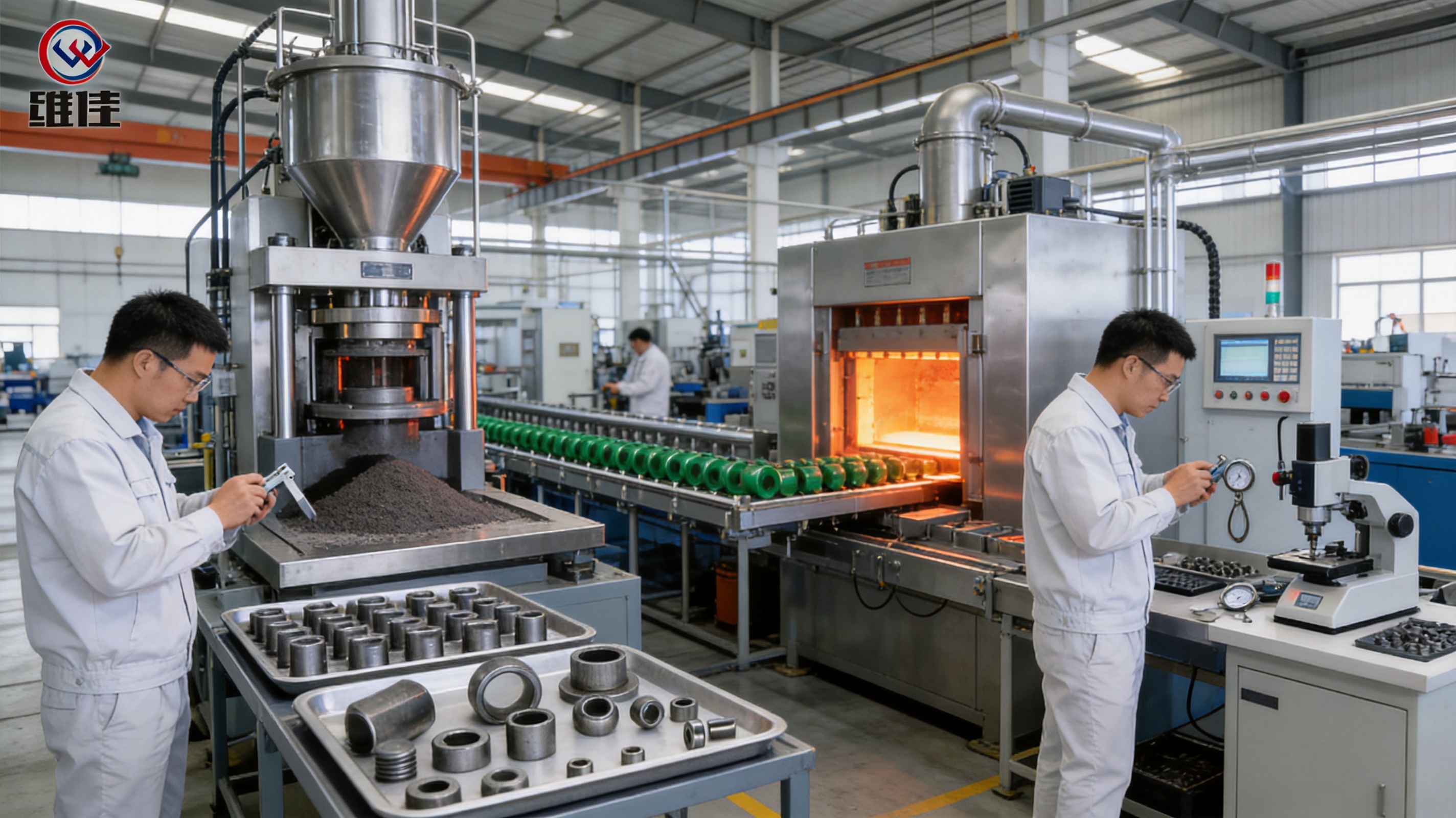
During compaction, the powder is filled into a precision die and pressed under controlled force. The tooling defines the basic shape of the bushing, including the bore, outer diameter, flange, shoulder, or other features. Powder metallurgy presses can produce large quantities of parts with repeatable geometry.
Compaction pressure, filling height, tool movement, powder lubrication, and ejection conditions all influence the green compact. The green part must have enough strength for handling while retaining the correct dimensions for sintering. For components with different cross-sectional areas, specialized tooling and carefully balanced pressing conditions may be required to achieve uniform density.
Controlled-Atmosphere Sintering
The compacted parts are heated in a sintering furnace under a controlled atmosphere. The temperature is selected below the melting point of the principal material, allowing particle boundaries to bond through diffusion. This creates a coherent metallic structure while preserving controlled interconnected pores.
Furnace temperature, heating rate, atmosphere composition, belt speed, cooling conditions, and loading arrangement affect the final properties. A stable sintering process helps control dimensional change, strength, hardness, surface condition, and porosity. High-temperature furnaces and process monitoring systems are therefore central to reliable bushing production.
Precision Sizing and Calibration
After sintering, bushings may undergo sizing or calibration to achieve the required dimensional accuracy. A sizing operation applies controlled pressure to adjust the bore, outside diameter, roundness, and other critical features. This is especially important for motor applications where shaft clearance must be carefully controlled.
Too little clearance may cause excessive friction, heat, or seizure during thermal expansion. Too much clearance may increase vibration, noise, leakage of lubricant, or uneven wear. Precision sizing provides a practical way to achieve the fit required by the motor design.
Machining and Secondary Operations
Some bushing geometries can be produced close to final shape through pressing and sizing. Other components require secondary machining for tighter tolerances, special grooves, stepped profiles, chamfers, or complex features. Precision turning, boring, grinding, deburring, and surface finishing may be used according to the drawing.
Secondary operations must be controlled carefully because excessive machining can alter the surface condition or remove material needed for proper oil retention. The production route is selected to balance precision, performance, productivity, and cost.
Oil Impregnation
After dimensional processing and cleaning, the porous bushing is impregnated with a suitable lubricating oil. Vacuum-assisted impregnation is commonly used to remove air from the pores and encourage thorough oil penetration. The component is then exposed to the lubricant under controlled conditions so that the internal pore network is filled as evenly as possible.
Impregnation quality affects the initial lubrication supply and the long-term performance of the bearing. The oil type must be compatible with the operating temperature, speed, load, shaft material, surrounding components, and expected service life. Handling and storage procedures are also important to prevent contamination or premature oil loss before assembly.
Inspection and Testing
Quality control may include dimensional inspection, density testing, hardness measurement, visual inspection, oil content verification, porosity evaluation, and functional testing. Depending on the customer requirement, the manufacturer may also evaluate friction, wear, load capacity, temperature behavior, or endurance performance.
Inspection data can be used to monitor process capability and identify trends before they affect larger production batches. A complete quality system links incoming material control, production parameters, equipment maintenance, in-process inspection, final testing, packaging, and traceability.
Manufacturing Strengths of Jiande Welfine Technology Co., Ltd.
Jiande Welfine Technology Co., Ltd. was established in 2001 and focuses on powder metallurgy sintering, self-lubricating bushings, powder metallurgy bushings, and related precision components. More than two decades of manufacturing experience provide a strong foundation for handling different material requirements, component geometries, production volumes, and industry standards.
The company operates a modern production base of approximately 13,039 square meters and employs more than 150 skilled personnel. Its manufacturing resources include high-efficiency presses, high-temperature sintering furnaces, precision forming machines, machining equipment, and testing systems. This combination supports the complete production cycle from powder preparation and forming to sintering, sizing, machining, impregnation, inspection, and delivery.
An integrated manufacturing structure can improve communication between engineering, production, quality, and sales teams. It also helps reduce the risk of inconsistent subcontracting processes and allows production parameters to be adjusted more efficiently when a customer requires a custom solution.
OEM and ODM Development Capability
Motor manufacturers often require bushings that are not available as standard catalog items. The component may need a special flange, stepped outside diameter, oil groove, mounting feature, unusual tolerance, or application-specific material. Jiande Welfine Technology Co., Ltd. supports OEM and ODM development based on customer drawings or samples.
The development process can include drawing review, material evaluation, tooling design, prototype production, dimensional verification, functional testing, and mass-production planning. Engineers can assess whether the proposed geometry is suitable for powder pressing and whether secondary machining is needed. This early evaluation helps avoid unnecessary tooling changes and improves the transition from prototype to volume production.
Quality Management and Certification
Reliable bushings require more than good raw materials. They require a controlled and documented process. Jiande Welfine Technology Co., Ltd. implements a quality management system certified to ISO 9001:2015 and IATF 16949:2016. These systems support process control, corrective action, traceability, customer communication, and continuous improvement.
IATF 16949:2016 is particularly relevant to automotive supply chains, where process consistency, risk management, defect prevention, and production traceability are important. Certification does not replace application testing, but it demonstrates that the organization follows a structured approach to quality management.
Consistency in High-Volume Production
For motor manufacturers, consistent batch performance is often more valuable than a single excellent sample. Variation in bore size, density, oil content, or hardness can affect assembly yield and field reliability. The company’s production and testing systems are intended to maintain uniformity across repeated orders.
Process monitoring can include control of powder mixing, press settings, furnace conditions, sizing force, machining parameters, and oil impregnation. When these variables are recorded and reviewed, manufacturers can identify sources of variation and maintain stable production standards.
Applications Across Multiple Industries
Electric Motors
Sintered iron self-lubricating bushings are used in motors for fans, pumps, blowers, actuators, appliances, and general equipment. They provide shaft support in compact spaces and can reduce the need for external lubrication systems. The design is particularly useful for motors that operate continuously or are installed in locations where maintenance is inconvenient.
Household Appliances
Appliance motors must often combine low noise, compact dimensions, reasonable cost, and dependable service life. Washing machines, air-circulation systems, refrigerators, air conditioners, kitchen equipment, and small domestic appliances may use self-lubricating bushings in auxiliary motors or moving mechanisms.
Because household products are produced in large volumes, manufacturing consistency and cost control are critical. Powder metallurgy supports repeatable component production and can accommodate application-specific shapes.
Automotive Components
Automotive systems contain many small motors and actuators, including ventilation systems, seat adjustment mechanisms, window systems, pumps, fans, and locking devices. These systems may experience temperature changes, vibration, repeated cycling, and limited access for maintenance.
Material selection for automotive applications must consider the full environmental range and the specific duty cycle. The bushing may require a formulation that supports dimensional stability, wear resistance, and reliable lubrication under changing temperatures.
Power Tools
Power tools place demanding requirements on compact bearing components. High rotational speed, vibration, sudden load changes, and frequent starting and stopping can increase friction and wear. A properly designed sintered iron bushing can provide a practical balance between strength, lubrication, and cost.
Tool manufacturers may also benefit from customized bushings that fit complex housings or support shafts with limited available space. Component consistency is important because small deviations can influence vibration, noise, and assembly performance.
Industrial Machinery
Industrial equipment often includes conveyors, actuators, fans, pumps, gear mechanisms, positioning systems, and automated machinery. In these applications, maintenance reduction and stable operation can improve equipment availability.
Sintered bushings may be selected where moderate speed, controlled loads, and suitable environmental conditions permit oil-impregnated plain bearing operation. For severe contamination, very high temperature, or extreme loads, additional engineering review may be necessary.
Agricultural Equipment
Agricultural machinery can operate in dusty, humid, and variable environments. Bushings may be used in actuators, linkages, rotating mechanisms, and motor-driven equipment. Sealing, clearance, protective design, and lubricant compatibility should be considered when applying self-lubricating components in these conditions.
Design Considerations for Motor Manufacturers
Load and Speed Relationship
Bushing performance is determined by the combined effect of load and sliding speed rather than by either factor alone. Engineers commonly evaluate the pressure-velocity relationship to determine whether the material is appropriate for the application. A high load at low speed may be acceptable for one formulation, while a high-speed application may require a different material and clearance design.
Starting and stopping conditions also deserve attention. Static friction, repeated acceleration, and short-term overloads may be more demanding than steady-state operation. Application testing should reproduce the actual duty cycle whenever possible.
Shaft Compatibility
The shaft is part of the bearing system. Its diameter, hardness, roundness, surface roughness, coating, and material affect friction and wear. A bushing cannot perform properly if the shaft surface is rough, contaminated, misaligned, or outside the specified diameter range.
For reliable operation, the shaft and bushing should be evaluated together. A suitable shaft finish helps distribute the oil film and minimizes abrasive wear. The recommended clearance should account for assembly tolerances, operating temperature, lubricant behavior, and any expected dimensional change.
Housing and Alignment
The bushing should be securely supported by the housing without distortion. An undersized or misaligned housing can deform the bearing bore and create uneven contact. Excessive press-fitting force may also reduce the designed running clearance.
Motor manufacturers should control the housing bore, concentricity, perpendicularity, and assembly force. If the shaft is not aligned with the bushing, edge loading may occur, causing localized heating and accelerated wear.
Temperature and Environment
Temperature affects oil viscosity, dimensional clearance, material strength, and lubricant release. The selected oil must remain stable within the expected temperature range. Moisture, dust, chemicals, and cleaning fluids can also influence service life.
Where the motor operates in a harsh environment, the complete assembly should be reviewed. Protective seals, shields, surface treatments, special lubricants, or alternative material formulations may be needed.
Storage and Assembly
Oil-impregnated bushings should be stored in clean packaging and protected from excessive heat, direct sunlight, dust, and absorbent materials that could draw oil from the pores. Components should be handled with clean tools and installed without damaging the bore or outer surface.
Before assembly, the shaft and housing should be clean and free from burrs. Pressing force should be applied evenly and aligned with the bushing axis. Hammering directly on the bearing may deform the component or affect the internal clearance.
Comparison with Bronze, Babbitt, Polymer, and Rolling Bearings
| Bearing type | Typical strengths | Potential limitations |
| Sintered iron self-lubricating bushing | Self-lubrication, high structural strength, low maintenance, economical mass production | Requires correct shaft, clearance, load, speed, and temperature selection |
| Oil-impregnated bronze bushing | Good sliding performance, established technology, strong corrosion resistance in many conditions | May offer lower load capacity than selected iron-based formulations and can have higher material cost |
| Cast babbitt bearing | Good conformability and traditional use in some heavy machinery | May require external lubrication and can have lower mechanical strength |
| Polymer bushing | Low weight, corrosion resistance, and suitability for some dry-running applications | Temperature, load, creep, and dimensional limitations may apply |
| Rolling bearing | Low rolling resistance and suitability for many high-speed applications | Higher cost, more parts, possible noise, sensitivity to contamination, and greater radial space |
This comparison does not mean that one bearing type is universally superior. Each technology has a suitable operating range. The advantage of a sintered iron self-lubricating bushing is its combination of self-lubrication, load support, compact design, manufacturing economy, and customization potential.
Compared with bronze bushings, iron-based bushings may provide a more economical option where higher structural strength is required and the application is compatible with the selected iron formulation. Compared with babbitt bearings, they can offer improved strength and reduced dependence on external lubrication. Compared with polymer bushings, they may provide better resistance to deformation under mechanical loads. Compared with rolling bearings, they can simplify the assembly and reduce component count.
How to Select the Correct Bushing
Selection should begin with a complete operating specification. Important information includes shaft diameter, radial load, rotational speed, temperature, duty cycle, housing material, environmental exposure, required life, and available installation space.
Customers should also identify whether the movement is continuous rotation, intermittent rotation, oscillation, or reciprocation. Reversing movement may influence oil distribution and wear behavior. If the motor experiences frequent starts and stops, the starting condition should be included in testing.
Drawings should show the bore, outside diameter, length, flange dimensions, grooves, chamfers, tolerances, and surface requirements. If the customer does not yet have a finalized drawing, a physical sample and application data may help the engineering team develop a suitable proposal.
The material should be selected according to the required balance of strength, porosity, friction, wear, temperature resistance, and cost. In some cases, a standard material is adequate. In other cases, a custom alloy or additive system may offer better performance.
A prototype or trial batch is recommended before full-scale production. Testing can verify assembly fit, friction, noise, temperature rise, wear, and endurance under realistic conditions. This development stage helps confirm that the bushing and motor operate as an integrated system.
Reliability Benefits for OEM and ODM Customers
For original equipment manufacturers, a reliable bushing supplier can contribute to more than component delivery. Technical support during the design stage can help identify potential problems with clearance, wall thickness, pressing direction, oil retention, or machining requirements.
Early collaboration may also reduce production risk. A design that is technically functional but difficult to press or size may result in higher tooling costs or greater batch variation. An experienced powder metallurgy manufacturer can suggest changes that improve formability, reduce secondary processing, and maintain the required performance.
For ODM customers, customized material and geometry options make it possible to develop a bearing around the product rather than forcing the product to use an unsuitable standard component. This is useful when the motor has unusual dimensions, limited installation space, a special temperature range, or a unique duty cycle.
Long-term supply stability is another important consideration. A supplier with its own production base, trained employees, controlled equipment, and documented quality system can support repeat orders more effectively. Stable manufacturing is especially important for products that require consistent motor noise, speed, power consumption, and service life.
Common Causes of Bushing Failure
Insufficient or Incorrect Clearance
Clearance that is too small can prevent the oil film from forming properly and may cause overheating or seizure. Clearance that is too large can result in vibration, noise, uneven load distribution, and increased wear. Thermal expansion must be considered when defining the final dimensions.
Excessive Load or Speed
Operating beyond the designed pressure-velocity range can accelerate oil depletion, surface wear, and heat generation. Short-term overloads may also damage the structure if they exceed the material’s mechanical capability.
Poor Shaft Condition
A rough, soft, damaged, or contaminated shaft can abrade the bushing surface. Corrosion or burrs may remove lubricant and create local stress concentrations. Shaft quality should be included in incoming inspection and assembly control.
Misalignment
Misalignment produces edge loading and uneven contact. Even a strong bushing may fail prematurely when the load is concentrated on a small area. Housing and shaft alignment should be checked during motor assembly.
Contamination
Dust, metal particles, moisture, and chemical contaminants can interfere with the lubricating film and increase abrasive wear. Protective design and clean assembly practices are important in industrial and agricultural environments.
Improper Installation
Pressing the bushing at an angle, striking the bore, using excessive force, or failing to remove housing burrs can cause deformation. Correct tooling and controlled assembly procedures help preserve the intended geometry.
Sustainability and Resource Efficiency
Powder metallurgy can support efficient use of metal materials because parts are formed close to their final geometry. Compared with machining a component from a large solid bar, the process can reduce scrap and shorten the amount of material removed during finishing.
Longer-lasting bushings may also reduce the number of replacement components consumed over the life of a machine. Lower maintenance requirements can reduce service visits, lubricant consumption, and equipment downtime. These benefits should be evaluated together with responsible powder handling, energy management, recycling of production waste, and appropriate lubricant control.
As manufacturers seek lower energy consumption and improved product life cycles, self-lubricating bearing components can contribute to more efficient mechanical systems. Their environmental value depends on the complete product design, but their durability and reduced service demand are important advantages.
Future Development of Sintered Iron Self-Lubricating Bushings
Motor technology is moving toward higher efficiency, smaller dimensions, increased automation, and longer service intervals. These trends will place greater demands on bushings. Future material development may focus on improved oil retention, wider temperature capability, lower friction, greater wear resistance, and compatibility with new shaft coatings and lubricants.
More precise forming and digital process monitoring may also improve dimensional consistency. Automated inspection systems can support faster detection of defects and provide better production traceability. Advanced simulation may help engineers predict density distribution, sintering shrinkage, stress concentration, and tool performance before production begins.
Applications in electric vehicles, robotics, smart appliances, automated equipment, and compact actuators may require customized bushings that combine low noise, high reliability, and limited maintenance. The bushing will increasingly be treated as a functional part of the motor system rather than as a basic replaceable sleeve.
Q&A
What is the main advantage of a sintered iron self-lubricating bushing?
Its main advantage is the combination of an oil-retaining porous structure and a strong iron-based matrix. The bushing can provide continuous lubrication during suitable operating conditions while supporting substantial mechanical loads and reducing maintenance requirements.
Does the bushing require additional grease or oil after installation?
In many applications, no routine external lubrication is required during the designed service life because the bushing is oil-impregnated during production. However, the application must remain within the specified load, speed, temperature, and environmental range. Extreme operating conditions may require a special lubricant or additional maintenance.
Can these bushings be used in electric motors?
Yes. They are commonly used in electric motors, fans, household appliances, power tools, industrial equipment, and automotive auxiliary systems. The correct product should be selected according to shaft size, load, speed, temperature, noise requirements, and duty cycle.
How does a sintered iron bushing compare with a rolling bearing?
A sintered iron bushing generally has a simpler structure, fewer components, compact radial dimensions, and self-lubricating capability. It may also be more economical for many moderate-speed applications. Rolling bearings may be more suitable for certain high-speed, low-friction, or specialized load conditions. The best choice depends on the complete application.
How does it compare with a bronze oil-impregnated bushing?
Both materials can provide self-lubricating performance. Sintered iron may offer higher structural strength and competitive cost in applications that require stronger load support. Bronze may be preferred in some environments or designs because of its material characteristics. The decision should be based on load, speed, temperature, corrosion exposure, shaft compatibility, and cost objectives.
Can the bushing shape be customized?
Yes. Custom options may include bore diameter, outside diameter, length, flange geometry, stepped sections, grooves, chamfers, and other features. Jiande Welfine Technology Co., Ltd. supports OEM and ODM production according to customer drawings or samples.
Can the material formulation be customized?
Material formulation can be evaluated according to the application. Iron powder, alloying elements, graphite, copper, lubricants, and other additives may be adjusted to achieve a suitable balance of strength, friction, wear resistance, porosity, and temperature performance.
What information should be provided when requesting a quotation?
Useful information includes a drawing or sample, shaft diameter, bushing dimensions, radial load, rotational speed, temperature range, movement type, duty cycle, housing material, shaft material and finish, required service life, annual quantity, and applicable quality requirements.
How is dimensional consistency controlled?
Consistency is supported through controlled powder blending, precision compaction tooling, stable sintering conditions, sizing or calibration, secondary machining where necessary, and final inspection. A documented quality management system helps maintain process discipline and traceability.
What certifications does Jiande Welfine Technology Co., Ltd. have?
The company has passed ISO 9001:2015 and IATF 16949:2016 certifications. These systems support structured quality management, process control, corrective action, customer requirements management, and continuous improvement.
Are sintered iron bushings maintenance-free in every condition?
No bearing should be described as suitable for every condition. Sintered iron self-lubricating bushings can provide low-maintenance or maintenance-free operation within their designed service range. Excessive load, speed, temperature, contamination, misalignment, or unsuitable shaft conditions may require inspection or a different bearing solution.
Can the company support prototype development?
Yes. OEM and ODM development may include drawing review, tooling evaluation, sample production, dimensional inspection, material selection, and application testing before mass production. Early technical communication is recommended for complex or critical motor components.
Conclusion
Sintered iron self-lubricating bushings provide motor manufacturers with a practical combination of strength, lubrication capability, low maintenance, dimensional flexibility, and cost efficiency. Their porous structure stores oil and releases it during operation, while the iron-based matrix supports demanding mechanical conditions. Compared with conventional dry bushings, bronze or babbitt alternatives, polymer components, and rolling bearings, they can offer a balanced solution for many moderate-speed motor and machinery applications.
The performance of the finished component depends on more than the basic material. Powder quality, blending, compaction, sintering, sizing, machining, oil impregnation, inspection, shaft compatibility, alignment, clearance, and application conditions all contribute to reliability. For this reason, selecting an experienced manufacturer is important.
Jiande Welfine Technology Co., Ltd. combines powder metallurgy production, precision machining, engineering support, OEM and ODM customization, modern equipment, and ISO 9001:2015 and IATF 16949:2016 quality systems. With a production base of approximately 13,039 square meters and more than 20 years of industry experience, the company provides customized sintered iron self-lubricating bushings and precision powder metallurgy components for customers in motor, automotive, appliance, power tool, industrial, and agricultural markets.
For a new project, customers can provide drawings, samples, operating conditions, and performance targets for technical evaluation. A properly specified and carefully manufactured bushing can help improve motor efficiency, reduce noise, extend service life, and create a more reliable mechanical system.
References
1. ISO 9001:2015, Quality Management Systems—Requirements.
2. IATF 16949:2016, Quality Management System Requirements for Automotive Production and Relevant Service Parts Organizations.
3. Powder Metallurgy Materials and Processes, technical reference literature on compaction, sintering, porosity, and dimensional control.
4. Plain Bearings—Fundamentals of Friction, Wear, Lubrication, and Bearing Design, engineering reference literature.
5. Tribology and Lubrication Engineering, reference materials covering sliding contacts, oil films, wear mechanisms, and bearing performance.
6. Technical information supplied by Jiande Welfine Technology Co., Ltd. regarding powder metallurgy bushings, self-lubricating bushings, manufacturing capabilities, and quality systems.
7. Engineering principles for oil-impregnated sintered bearings, including application considerations for load, speed, temperature, clearance, shaft finish, and alignment.
Product: Sintered iron Self-lubricating Bushings

Related products
-
-
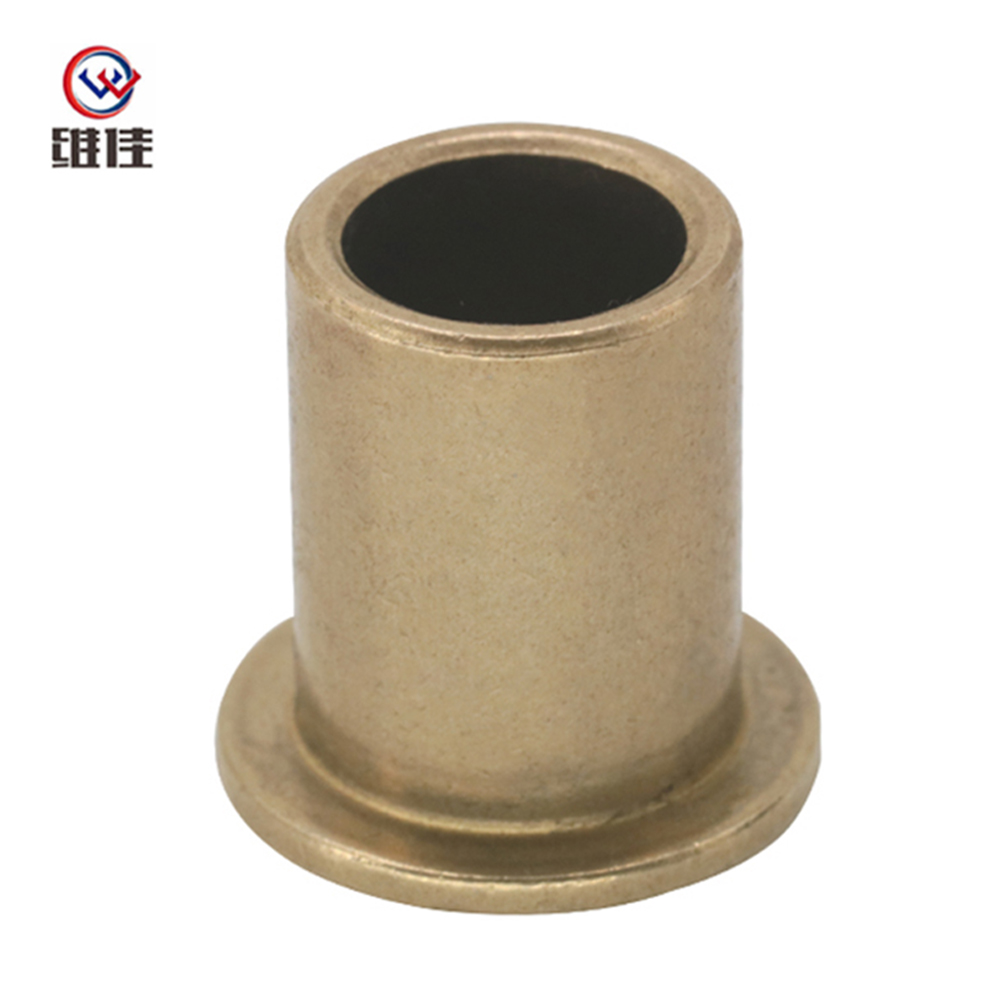
Our sintered bronze self-lubricating bearings are engineered for demanding industrial applications where traditional lubrication is impractical. Designed with advanced powder metallurgy technology, th...
See Details
Copyright © Jiande Welfine Technology Co., Ltd. All Rights Reserved. Custom Self-lubricating Sintered Bushing Manufacturers
