 English
 中文简体
中文简体
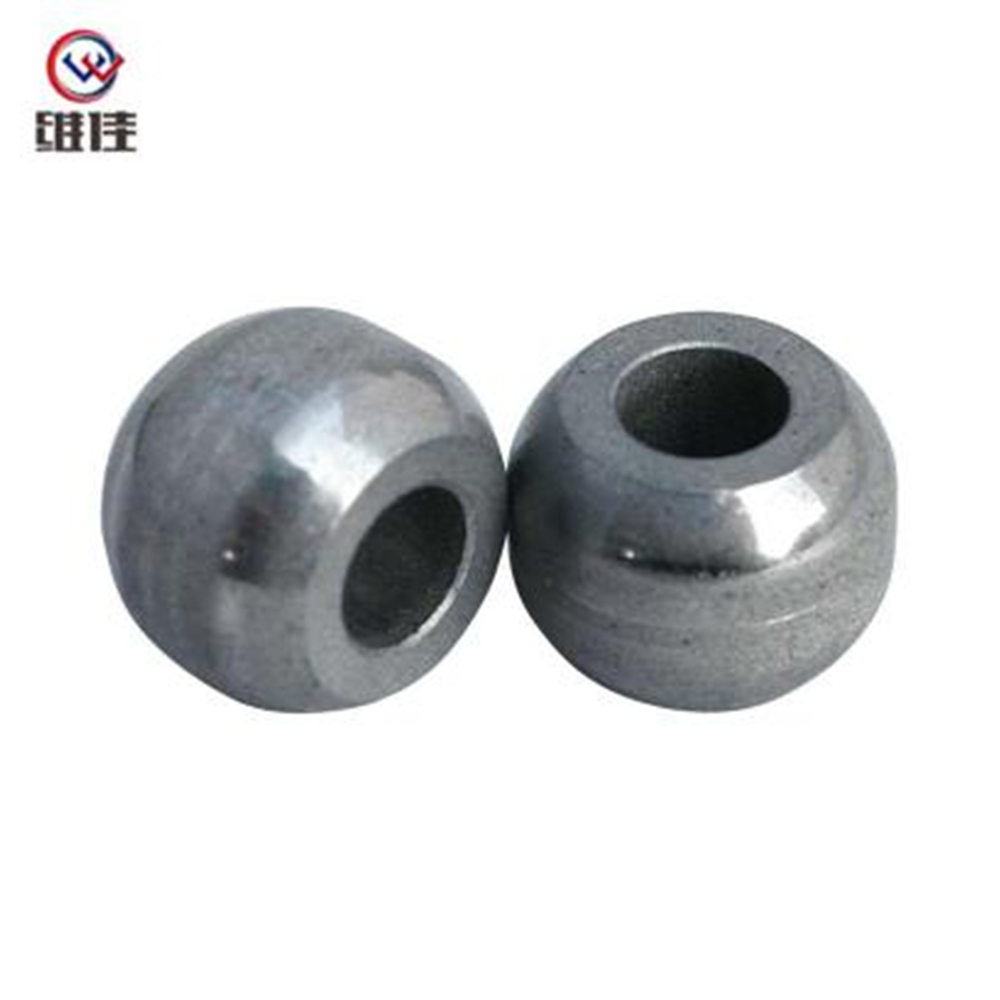
Product Description: High-precision powder metallurgy part (S14*7*10) made of iron material from Jiande Wefine, customized PM components with strict tolerance control.
See DetailsE-mail us: [email protected]
Tel: +86-15239857375


 Home / Author / Shen Yiruo — Senior After-Sales Service Manager / High-Precision Powder Metallurgy Double Pinion Gear for Reliable Transmission Systems
 High-Precision Powder Metallurgy Double Pinion Gear for Reliable Transmission Systems
 2026.05.25
 Shen Yiruo — Senior After-Sales Service Manager
Content
- 1 Product Overview
- 2 Why Powder Metallurgy Is a Strong Choice for Double Pinion Gears
- 3 Material Advantages of High-Strength AB Iron-Based Alloy
- 4 Heat Treatment for Balanced Hardness and Toughness
- 5 Precision Dual-Tooth Design
- 6 Manufacturing Process and Quality Control
- 7 Advantages Over Competing Gear Solutions
- 8 Application Areas
- 9 Performance Benefits in Real Operating Conditions
- 10 Company Manufacturing Strengths
- 11 Design Considerations for Buyers and Engineers
- 12 Cost Efficiency and Supply Reliability
- 13 Customization Support
- 14 Q&A Section
- 14.1 What is the main function of the AB Powder Metallurgy Double Pinion Gear?
- 14.2 Why is powder metallurgy suitable for this gear?
- 14.3 What are the key specifications of this product?
- 14.4 Why is HRC 32–38 hardness important?
- 14.5 How does the integrated double pinion design improve reliability?
- 14.6 How does this product compare with plastic gears?
- 14.7 How does this product compare with fully machined gears?
- 14.8 Can the gear be customized?
- 14.9 What industries can use this gear?
- 14.10 What company capabilities support product quality?
- 15 Conclusion
- 16 References
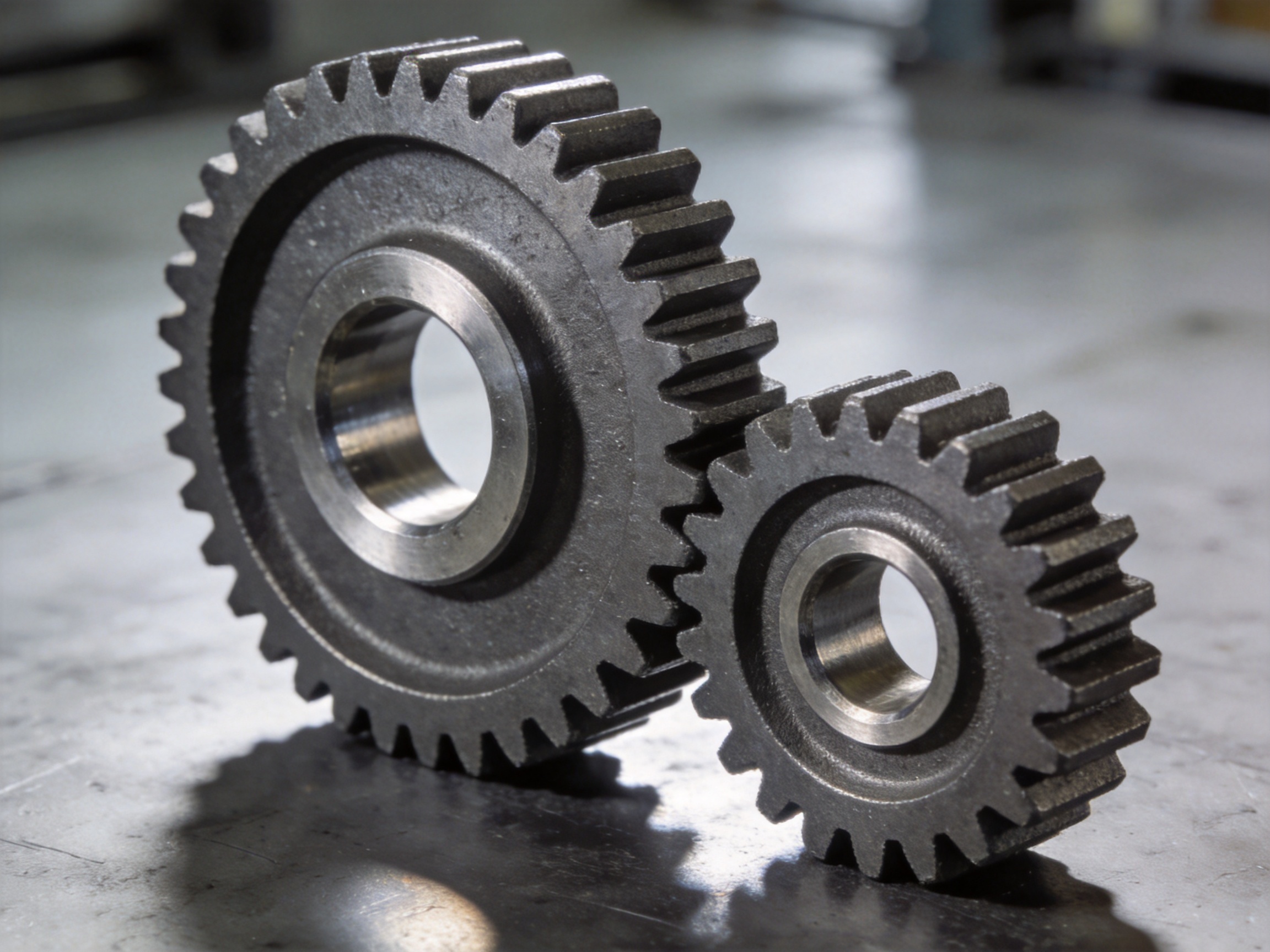
In precision transmission design, every gear must do more than simply rotate. It must transfer torque smoothly, maintain stable tooth engagement, resist wear under repeated loading, and fit accurately into compact assemblies where dimensional variation can affect the performance of the entire mechanism. The AB Powder Metallurgy Double Pinion Gear with Z46/Z11 tooth configuration and M0.8 module is engineered for these requirements. Designed as a one-piece double pinion gear, it combines a large gear with 46 teeth and a small pinion with 11 teeth, creating a compact and efficient component for applications that demand accurate motion control, reliable load transfer, and consistent long-term operation.
This product belongs to the field of powder metallurgy structural parts and is especially suitable for gears and hubs used in industrial machinery, automotive mechanisms, automation equipment, power tools, office devices, and precision instruments. Its core value lies in the combination of powder metallurgy forming, high-strength iron-based alloy material, precision machining, and controlled heat treatment. Compared with conventional machined or forged gears, powder metallurgy gears can offer excellent material utilization, strong repeatability, competitive cost efficiency, and the ability to produce complex geometries with stable quality in volume production.
The gear is manufactured from high-strength AB powder metallurgy iron-based alloy and is heat-treated through quenching and tempering to reach a hardness range of HRC 32–38. This hardness is selected to provide a practical balance between wear resistance and toughness. A gear that is too soft may wear prematurely, while a gear that is excessively hard may become brittle under shock loads. The HRC 32–38 range supports stable performance in many transmission conditions where repeated meshing, moderate load, and dimensional stability are essential.
Jiande Welfine Technology Co., Ltd. produces this component with more than two decades of experience in powder metallurgy sintering and precision machining. Established in 2001, the company integrates research and development, manufacturing, and sales, with a production base of 13,039 square meters and more than 150 skilled employees. Its manufacturing system includes high-efficiency presses, high-temperature sintering furnaces, precision forming machines, inspection equipment, and quality management systems certified to ISO 9001:2015 and IATF 16949:2016. These strengths support stable production, reliable customization, and consistent delivery for demanding industrial customers.
Product Overview
The AB Powder Metallurgy Double Pinion Gear is a compact transmission component designed with two gear sections integrated into one body. The large gear has 46 teeth, while the smaller pinion has 11 teeth. Both are produced with a module of 0.8, making the gear suitable for mechanisms where compact dimensions and accurate tooth engagement are required. The small gear bore is 11 mm, offering convenient compatibility with shafts, bearings, and related mounting structures in many mechanical systems.
The integrated double pinion structure is especially valuable because it reduces the number of separate parts required in an assembly. In a traditional design, two independent gears may need to be mounted, aligned, fastened, and checked for concentricity. Any error in assembly can create backlash, noise, vibration, or uneven tooth loading. By forming the gear as a single integrated unit, the product reduces assembly-related errors and improves transmission reliability. This is one of its important advantages over many conventional multi-part gear solutions.
In practical applications, the component can be used in reduction mechanisms, compound gear trains, actuator systems, motion transfer modules, seat adjustment mechanisms, window lift systems, printer drives, small machinery, power tools, and various automation devices. Its powder metallurgy structure supports efficient mass production while maintaining repeatability in shape, density, and dimensional control. The gear is also suitable for customized development, including changes in tooth count, module, bore size, hardness, and post-processing requirements based on customer drawings or samples.
| Parameter | Specification |
| Product Type | Powder metallurgy double pinion gear |
| Gear Teeth | Z46 large gear and Z11 small pinion |
| Module | 0.8 |
| Small Gear Bore | 11 mm |
| Material | High-strength AB iron-based powder metallurgy alloy |
| Heat Treatment | Quenching and tempering |
| Hardness | HRC 32–38 |
| Production Process | Powder compaction, sintering, precision machining, heat treatment, and finishing |
| Typical Applications | Precision transmission systems, industrial machinery, automotive components, power tools, appliances, and instruments |
Why Powder Metallurgy Is a Strong Choice for Double Pinion Gears
Powder metallurgy is a manufacturing process that begins with metal powder rather than solid bar stock. The powder is compacted in a die under high pressure, sintered at elevated temperature to bond the particles, and then finished through machining, heat treatment, and other processes as required. For precision gears, powder metallurgy offers several advantages that are difficult to achieve with traditional subtractive machining alone.
One major advantage is material efficiency. Conventional machining often removes a significant amount of metal to create gear teeth and complex profiles. Powder metallurgy forms the component close to its final shape, reducing waste and improving production economy. This is especially important for high-volume gear programs where material utilization directly affects cost competitiveness.
Another advantage is repeatability. Once the powder composition, compaction pressure, tooling, sintering conditions, and finishing process are controlled, powder metallurgy can produce parts with stable geometry and consistent properties. For double pinion gears, this repeatability helps ensure tooth profile consistency, bore alignment, and predictable mechanical performance across production batches.
Powder metallurgy also allows complex shapes to be formed efficiently. An integrated Z46/Z11 double pinion gear requires accurate tooth formation and concentricity between the two gear sections. Producing such a structure through conventional machining can involve multiple operations, fixtures, and inspection steps. Powder metallurgy reduces the complexity of producing the basic form and allows critical areas to be precision-machined afterward.
Compared with some cast gears, powder metallurgy gears can provide better dimensional control and more uniform properties when produced under a disciplined quality system. Compared with some plastic gears, iron-based powder metallurgy gears provide higher strength, better thermal stability, and stronger resistance to deformation under load. Compared with fully machined steel gears, powder metallurgy gears can provide a more cost-effective solution for medium-load applications where high repeatability and efficient production are priorities.
Material Advantages of High-Strength AB Iron-Based Alloy
The product is made from AB powder metallurgy material, described as a high-strength iron-based alloy. The material selection is important because gears experience rolling and sliding contact, bending stress at the tooth root, and repeated load cycles. A reliable gear material must resist wear on the tooth surface while maintaining enough toughness to avoid cracking or tooth fracture.
The iron-based powder metallurgy alloy provides a strong foundation for transmission applications. It supports good load-bearing performance, stable tooth engagement, and reliable response to heat treatment. The powder metallurgy route also contributes to a uniform microstructure when properly compacted and sintered. Uniformity reduces the risk of weak zones that may lead to premature failure under repeated loading.
Another benefit is machinability. After sintering, critical features such as the bore, faces, and certain tolerance-sensitive surfaces can be precision-machined. Good machinability helps maintain dimensional accuracy and surface quality, both of which are essential for smooth transmission. A gear with accurate bore geometry and stable tooth positioning is easier to mount and less likely to create imbalance, noise, or abnormal meshing.
In comparison with low-grade powder metal gears that may be produced with less controlled powder composition or inconsistent density, this high-strength material offers improved mechanical reliability. The result is a gear suitable for applications where cost must be controlled but performance cannot be compromised. For industrial buyers, this balance is often more valuable than choosing either a very low-cost component with uncertain durability or an unnecessarily expensive forged gear for a moderate-duty mechanism.
Heat Treatment for Balanced Hardness and Toughness
Heat treatment is a key factor in the performance of this double pinion gear. The component is treated by quenching and tempering, and the final hardness is controlled within HRC 32–38. This range is selected to enhance wear resistance while maintaining toughness and reducing the risk of brittleness.
During gear operation, tooth surfaces repeatedly contact mating gears. The contact area must resist wear, pitting, deformation, and local damage. Increased hardness helps reduce surface wear and improves service life. However, if hardness is pushed too high without proper consideration of material structure and application load, the gear may become more sensitive to impact or fatigue cracking. The controlled HRC 32–38 range provides a practical balance for many precision transmission systems.
Quenching changes the microstructure to increase hardness, while tempering reduces internal stress and improves toughness. The combination is especially important for powder metallurgy parts, where dimensional stability must be preserved. A well-controlled heat treatment process helps prevent excessive distortion, allowing the gear to maintain accurate tooth meshing and bore alignment.
This heat treatment advantage differentiates the gear from competing components that may only be sintered without adequate post-treatment or that may be hardened without sufficient dimensional control. A gear may look acceptable visually but still fail in service if hardness is inconsistent, tooth distortion is excessive, or internal stresses remain uncontrolled. The disciplined heat treatment process supports repeatable quality and long-term reliability.
Precision Dual-Tooth Design
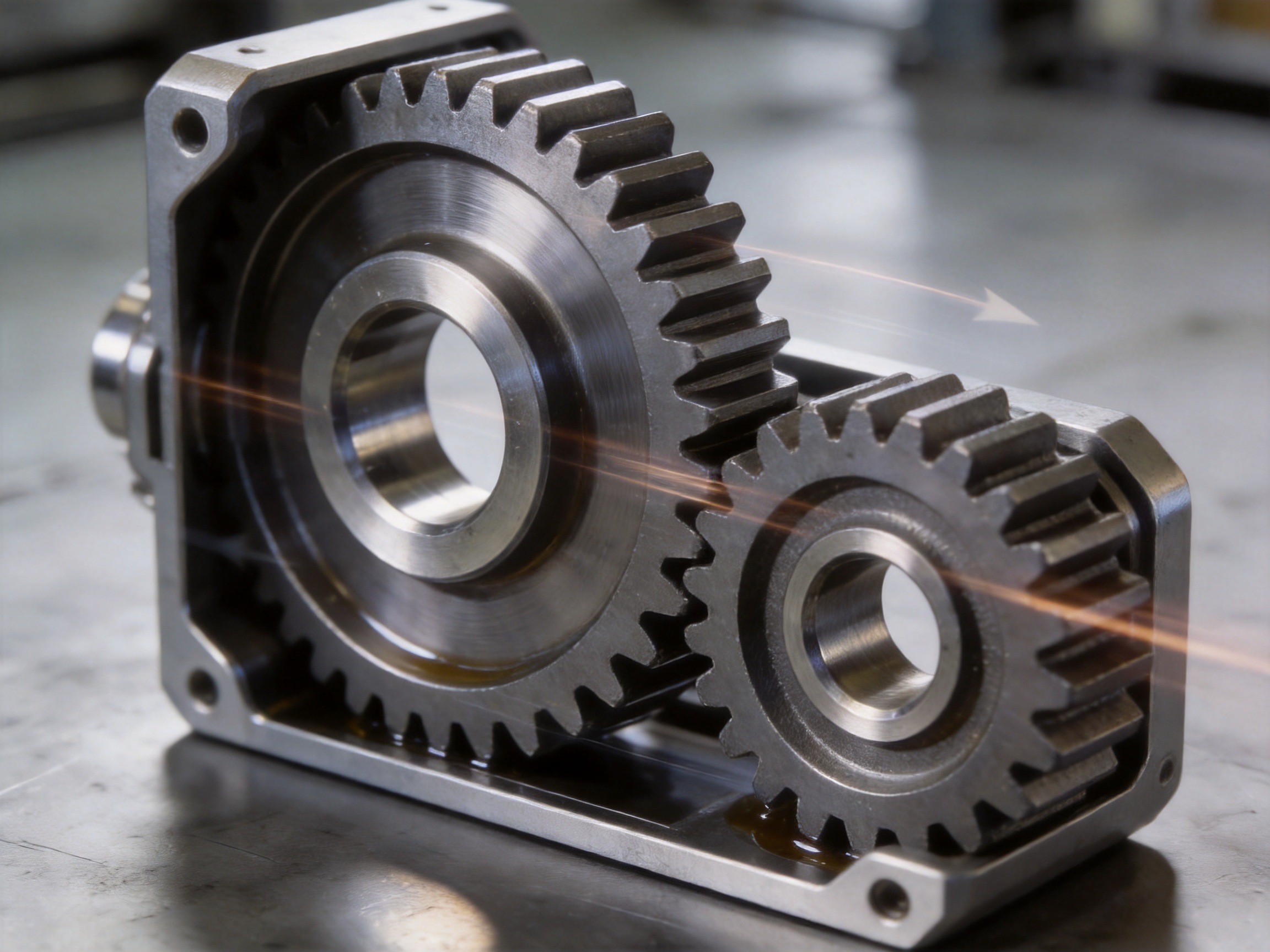
The Z46/Z11 configuration gives the gear its functional versatility. The large gear with 46 teeth and the small pinion with 11 teeth allow the part to participate in compound gear trains where speed reduction, torque multiplication, or directional transfer is required. With a module of 0.8, the teeth are suitable for compact mechanisms that require fine pitch and accurate engagement.
The integrated dual-tooth design eliminates many risks associated with separate gears mounted on a shared shaft. In separate assemblies, installers must control spacing, angular relationship, axial positioning, and concentricity. If one gear shifts or is mounted incorrectly, the transmission may produce noise, uneven wear, or intermittent motion. By integrating the large gear and small pinion into one component, the product improves positional consistency and reduces assembly complexity.
The 11 mm bore on the small gear section supports convenient installation with common shaft dimensions. A precise bore helps maintain coaxial rotation, reducing vibration and improving torque transfer. In applications such as actuators, automotive seat adjusters, printer drive systems, and small machinery, bore accuracy directly influences smoothness and service life.
The dual-tooth structure also supports compact design. Mechanical engineers often need to fit transmission components into limited spaces while maintaining required ratios and load capacity. A one-piece double pinion gear can reduce axial length, simplify bill of materials, and support more efficient product assembly. This is valuable for manufacturers seeking both performance and production efficiency.
Manufacturing Process and Quality Control
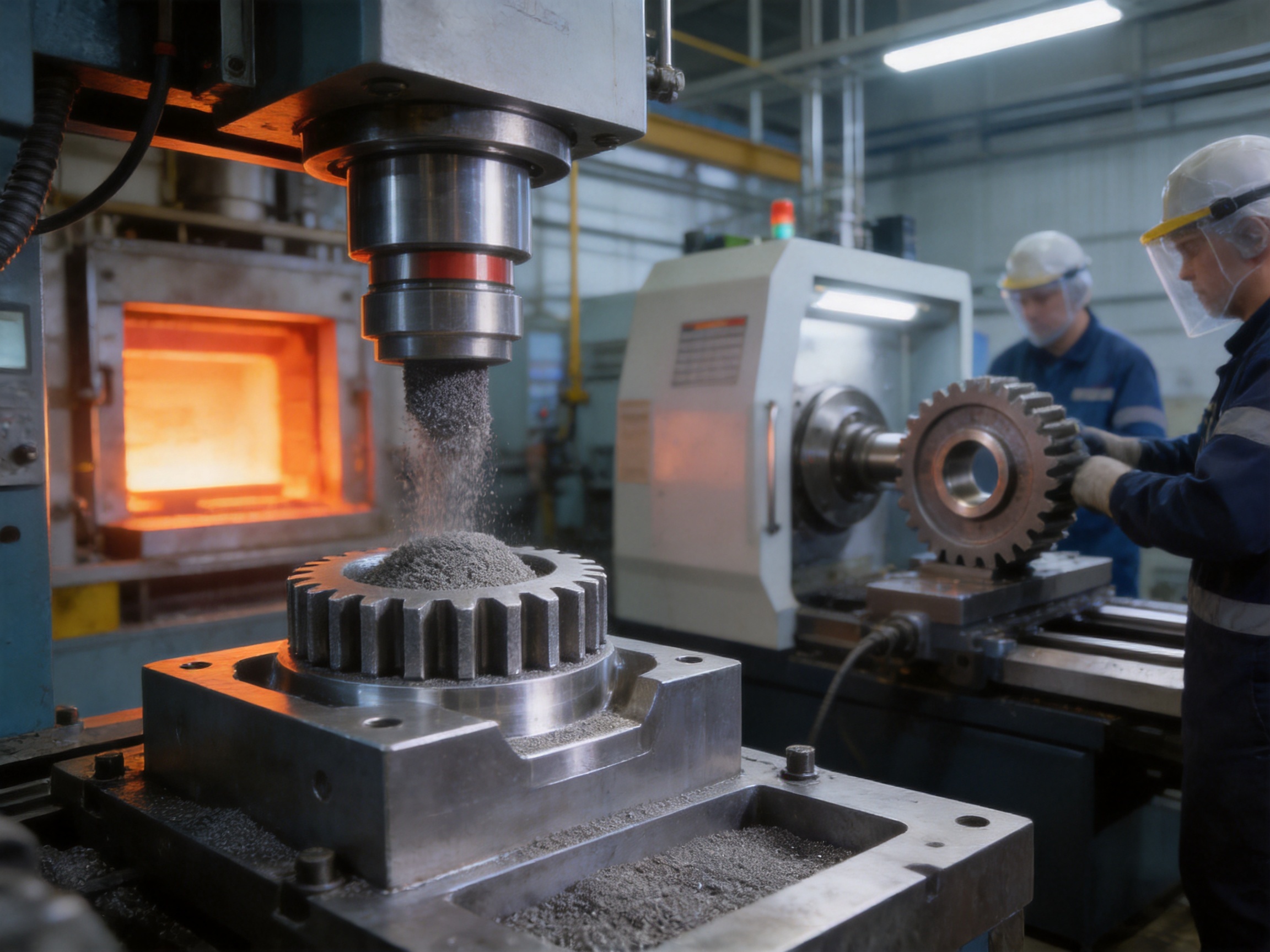
The production route for this gear includes powder compaction, sintering, precision machining, heat treatment, and finishing. Each stage contributes to the final quality of the component, and each must be controlled carefully to avoid dimensional or mechanical defects.
Powder Preparation and Compaction
The process begins with selected iron-based metal powder. Powder characteristics such as particle size distribution, flowability, apparent density, and composition influence the final gear quality. The powder is placed into a precision die and compacted under high pressure. This operation forms the basic geometry of the double pinion gear, including the gear body and tooth features.
Compaction quality is essential because density distribution affects strength, dimensional stability, and sintering behavior. Advanced presses and carefully designed tooling help control part shape, minimize density variation, and improve repeatability. For a double pinion gear, tooling precision is particularly important because two gear sections must be formed in correct relationship to one another.
Sintering
After compaction, the part is sintered in a high-temperature furnace. Sintering bonds the powder particles together, transforming the compacted powder shape into a solid metallic component. Furnace temperature, time, atmosphere, and cooling conditions must be controlled to achieve the required mechanical properties and dimensional stability.
High-temperature sintering equipment is one of the company’s important manufacturing strengths. Proper sintering improves particle bonding, enhances strength, and supports consistent microstructure. Poor sintering may lead to insufficient strength, dimensional variation, or unstable mechanical properties. A controlled sintering system helps ensure the gear can withstand transmission loads in real service environments.
Precision Machining
After sintering, selected surfaces may be precision-machined to achieve tighter tolerances and better surface finish. Machining may include bore finishing, face finishing, or other operations required by the customer’s drawing. The 11 mm bore, for example, must support accurate mounting and smooth rotation.
Precision machining is a major differentiator for suppliers of powder metallurgy components. Some manufacturers may provide only as-sintered parts, but complex transmission applications often require additional accuracy. By combining powder metallurgy forming with machining capability, the company provides parts that meet practical assembly and performance requirements.
Heat Treatment
The gear is quenched and tempered to reach HRC 32–38. The objective is to increase wear resistance, improve strength, and maintain toughness. Heat treatment must be carefully controlled to avoid excessive distortion, oxidation, decarburization, or uneven hardness. The company’s experience with sintered parts supports process selection that respects both material behavior and final dimensional requirements.
Finishing and Inspection
Final finishing improves surface condition and prepares the gear for delivery. Inspection verifies dimensions, hardness, appearance, and other quality requirements. Quality control may include checking bore diameter, tooth profile, runout, hardness, density-related characteristics, and surface condition depending on the order specification.
The company’s ISO 9001:2015 and IATF 16949:2016 certifications demonstrate a structured approach to quality management. These systems are especially important for automotive and industrial customers who require stable documentation, traceability, corrective action processes, and consistent batch performance. For buyers, certification is not merely a document; it indicates that manufacturing is managed through defined procedures rather than informal workshop habits.
Advantages Over Competing Gear Solutions
The AB Powder Metallurgy Double Pinion Gear offers several advantages over competing gear solutions, especially in applications that require a balance of strength, accuracy, cost efficiency, and production repeatability.
Compared with Fully Machined Gears
Fully machined gears can offer high precision, but they often require more material removal, longer machining time, and higher cost. For complex double pinion designs, machining from solid stock may involve multiple setups and careful alignment. Powder metallurgy creates the near-net shape efficiently, reducing waste and improving production economy. Critical features can still be machined afterward, giving the product a strong balance of cost and accuracy.
Compared with Cast Gears
Cast gears may suffer from porosity, inconsistent dimensions, or surface defects if not carefully controlled. Powder metallurgy uses controlled compaction and sintering to produce repeatable geometry and predictable material characteristics. For small and medium precision gears, powder metallurgy can provide better dimensional consistency and less post-processing than many casting routes.
Compared with Plastic Gears
Plastic gears are lightweight and quiet, but they may deform under heat, creep under load, or wear faster in demanding conditions. The iron-based powder metallurgy gear offers higher mechanical strength, better load capacity, improved thermal stability, and stronger resistance to permanent deformation. For applications where durability is more important than minimal weight, the metal powder metallurgy gear is often the superior choice.
Compared with Low-Grade Powder Metal Gears
Not all powder metallurgy gears are equivalent. Differences in powder selection, compaction pressure, sintering control, machining precision, heat treatment, and inspection can significantly affect performance. This product benefits from controlled manufacturing, quenching and tempering, and a hardness range designed for balanced performance. Buyers gain a more reliable solution than low-cost powder metal gears produced without strong process control.
Compared with Two-Piece Gear Assemblies
A two-piece assembly can increase part count, assembly time, and risk of misalignment. The integrated one-piece double pinion structure improves concentricity, reduces assembly error, and simplifies installation. In volume production, fewer components can mean lower assembly cost, easier inventory management, and improved consistency across finished products.
Application Areas
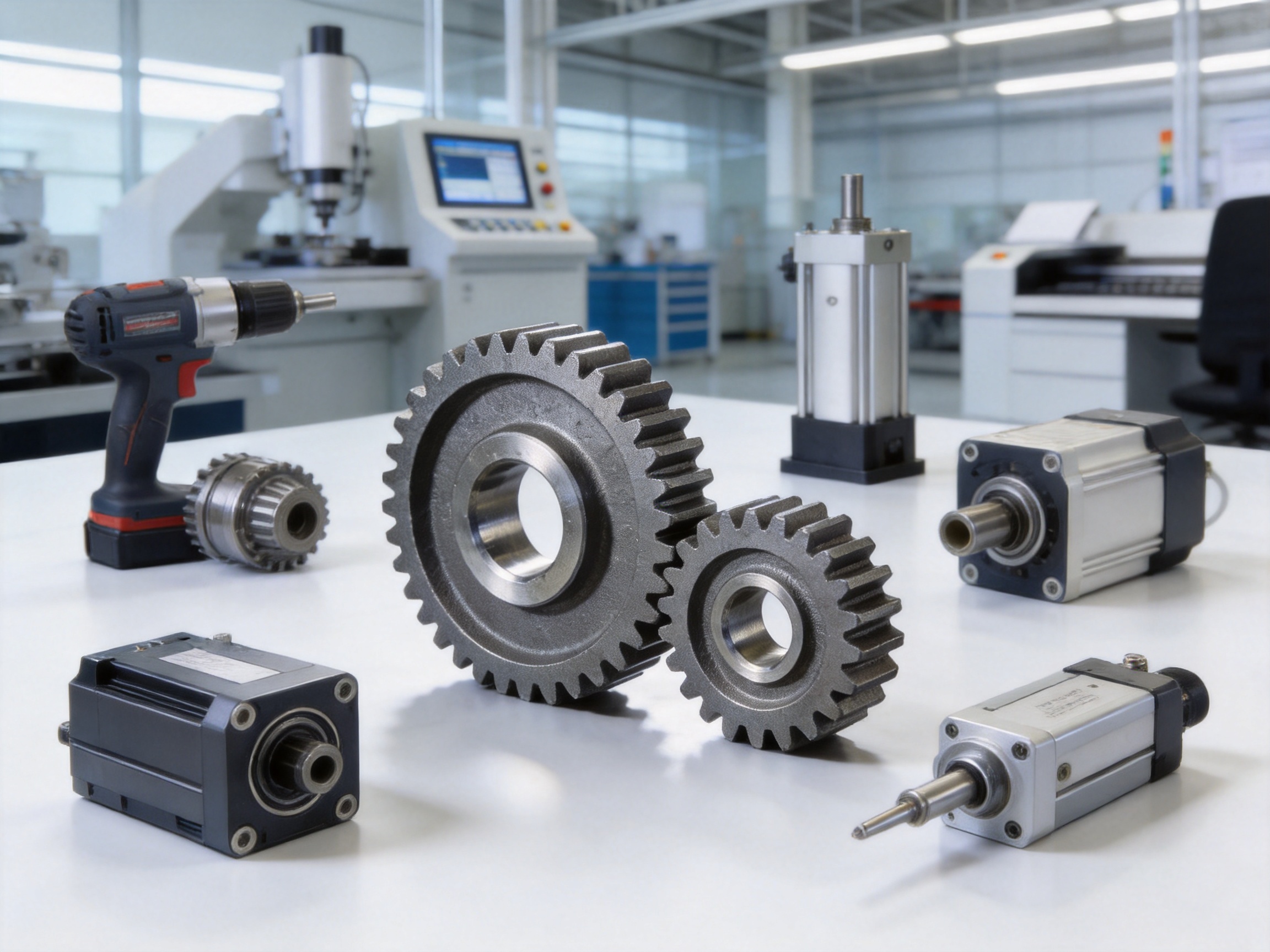
The gear is suitable for a broad range of transmission systems. Its compact size, integrated structure, and balanced hardness make it useful in applications where reliable motion transfer is required.
Industrial Automation
In automation equipment, gears must operate repeatedly with minimal downtime. The double pinion gear can be used in robotic modules, conveyor mechanisms, indexing systems, CNC auxiliary drives, and compact actuators. Its dimensional stability and wear resistance help support continuous operation and predictable motion.
Automotive Components
Automotive systems often require components that are durable, compact, and suitable for high-volume production. This gear can be applied in seat adjusters, window lift mechanisms, transmission-related auxiliary systems, and small motor-driven assemblies. The company’s IATF 16949:2016 certification is especially relevant for automotive customers because it reflects quality management practices aligned with automotive supply chain expectations.
Power Tools
Electric drills, grinders, saws, and other power tools require gears that can handle repeated load cycles, vibration, and changing torque. The iron-based powder metallurgy alloy and heat-treated hardness support durability in these operating conditions. The integrated design also helps reduce assembly complexity in compact gearbox layouts.
Office and Household Appliances
Printers, copiers, small kitchen appliances, and household machinery often use compact gear trains. A powder metallurgy double pinion gear can provide more strength than plastic alternatives while maintaining good production efficiency. In devices where quiet operation and consistent movement are important, accurate tooth profile and bore alignment contribute to smooth performance.
Precision Instruments
Medical devices, measuring equipment, optical systems, and other precision instruments require stable and predictable movement. The M0.8 module and controlled gear geometry support fine mechanical transmission. When combined with appropriate lubrication and mating gear design, the product can help achieve smooth motion with reduced backlash and stable service life.
Performance Benefits in Real Operating Conditions
In real equipment, gears face a combination of mechanical and environmental stresses. Loads may change during operation, temperature may rise, lubrication may vary, and repeated cycling may cause fatigue. The value of this double pinion gear lies in its ability to provide stable performance under such practical conditions.
Wear resistance is one of the most important benefits. The heat-treated hardness helps reduce tooth surface wear, maintaining gear geometry for a longer period. This improves transmission accuracy and reduces the need for frequent replacement. In industrial environments, reduced replacement frequency means less downtime and lower maintenance cost.
Load-bearing capability is another key strength. The high-strength iron-based alloy supports torque transmission better than many low-strength materials. While the gear should always be applied within proper design limits, its material and heat treatment make it suitable for demanding compact mechanisms.
Noise and vibration control are also influenced by gear quality. Accurate tooth formation, bore precision, and stable heat treatment help create smoother engagement. Poor gear quality can lead to uneven contact, vibration, and audible noise. In automotive interiors, office equipment, and precision devices, lower noise is a significant performance advantage.
Dimensional stability supports reliable assembly. If a gear deforms during manufacturing or heat treatment, it may require rework or may cause problems after installation. By controlling compaction, sintering, machining, and heat treatment, the product is designed to maintain consistent dimensions and improve assembly success.
Company Manufacturing Strengths
Jiande Welfine Technology Co., Ltd. has focused on powder metallurgy sintering and related precision machining since its establishment in 2001. This long industry experience is important because powder metallurgy quality depends heavily on process knowledge. The relationship between powder composition, pressing parameters, sintering conditions, part geometry, machining allowance, and heat treatment behavior must be understood in detail.
The company operates a modern production base covering 13,039 square meters. This scale supports stable manufacturing capacity for bulk orders and customized projects. With more than 150 skilled employees, the company can support process engineering, production operation, inspection, and customer communication. Skilled personnel are essential because advanced equipment alone cannot guarantee quality; trained teams must maintain tooling, monitor furnace conditions, inspect parts, and respond to technical requirements.
The equipment base includes high-efficiency presses, high-temperature sintering furnaces, precision forming machines, and testing equipment. These capabilities allow the company to manage the full process from powder forming to finishing. For customers, integrated capability reduces supplier coordination risk. Instead of sourcing forming, machining, and heat treatment from separate vendors, buyers can work with a manufacturer that understands the entire production chain.
Quality certification further strengthens the company’s position. ISO 9001:2015 demonstrates a general quality management system, while IATF 16949:2016 is particularly significant for automotive-related production. These certifications support process control, documentation, continuous improvement, risk management, and corrective actions. For global buyers, they provide confidence that products can be manufactured with stable procedures and repeatable inspection standards.
The company also provides OEM and ODM customization based on drawings or samples. This is important for gear buyers because transmission components are often application-specific. Customers may require different tooth counts, modules, bores, materials, densities, surface treatments, or hardness values. A supplier with customization capability can help transform design requirements into manufacturable powder metallurgy solutions.
Design Considerations for Buyers and Engineers
When selecting the AB Powder Metallurgy Double Pinion Gear, engineers should consider the full operating environment. Important factors include torque, speed, duty cycle, lubrication, mating gear material, alignment, shaft support, temperature, shock load, and expected service life. Proper gear selection is not only a matter of matching tooth count and module; the entire mechanism must be designed to support stable operation.
The Z46/Z11 and M0.8 configuration should be matched with compatible mating gears. Tooth profile accuracy and backlash should be evaluated based on the requirements of the final assembly. In applications requiring very low backlash, additional inspection or finishing requirements may be specified. In applications where noise is critical, surface finish, lubrication, and housing stiffness should also be considered.
The 11 mm bore should be matched with shaft tolerance and assembly method. Depending on the design, the gear may require press fit, clearance fit, keying, bonding, or other mounting approaches. Bore precision and shaft alignment are critical for avoiding eccentric rotation and uneven tooth loading.
Lubrication is another important design factor. Even heat-treated metal gears benefit from proper lubrication, which reduces friction, lowers temperature, minimizes wear, and improves efficiency. The lubricant should be selected according to speed, load, temperature, and surrounding materials. In compact sealed gearboxes, grease may be preferred, while other systems may use oil lubrication.
Engineers should also consider whether additional surface treatment or secondary processing is needed. Depending on application requirements, options may include special finishing, coating, impregnation, or tighter inspection standards. The manufacturer’s customization capability allows customers to discuss these requirements during product development.
Cost Efficiency and Supply Reliability
Cost efficiency is one of the strongest reasons to choose powder metallurgy for this type of gear. Near-net-shape forming reduces machining time and material waste. For high-volume production, tooling investment can be offset by repeatable output and lower per-part processing cost. This makes the product attractive for automotive, appliance, power tool, and industrial equipment manufacturers that require stable quality at competitive cost.
Supply reliability is also a major advantage. A gear supplier must deliver not only acceptable samples but also consistent batches over time. The company’s production scale, experienced workforce, and quality management systems support dependable delivery for bulk orders. Stable production capacity reduces the risk of project delays and helps customers maintain their own assembly schedules.
For customers with long-term product programs, supplier consistency matters as much as initial price. A low-cost gear that varies from batch to batch can create hidden costs through inspection, rework, assembly failures, warranty claims, and production interruptions. A controlled powder metallurgy process provides a more stable value proposition by reducing quality variation and supporting predictable performance.
Customization Support
Although the standard product features Z46/Z11 teeth, M0.8 module, and an 11 mm small gear bore, customization is available. Customers can request changes to tooth count, module, bore size, overall dimensions, hardness, material composition, and finishing requirements. This flexibility is important because gear systems are often designed around unique space, load, and ratio requirements.
Customization can begin from a drawing, sample, or performance requirement. The manufacturer can evaluate powder metallurgy feasibility, tooling needs, machining allowance, heat treatment response, and inspection standards. This collaborative approach helps customers develop a component that is not only technically suitable but also manufacturable at stable cost.
For OEM and ODM projects, early communication is recommended. Design decisions such as wall thickness, tooth geometry, bore tolerance, and heat treatment requirements can influence tooling complexity and production stability. When supplier engineering input is introduced early, the final part is more likely to achieve the desired balance of performance, cost, and manufacturability.
Q&A Section
What is the main function of the AB Powder Metallurgy Double Pinion Gear?
The gear is designed to transfer motion and torque in compact transmission systems. Its integrated Z46/Z11 double pinion structure allows it to function in compound gear trains, reduction mechanisms, actuators, automotive assemblies, power tools, appliances, and precision instruments.
Why is powder metallurgy suitable for this gear?
Powder metallurgy is suitable because it can form complex near-net-shape components with high material efficiency and strong repeatability. It reduces waste compared with extensive machining and supports stable production for high-volume applications.
What are the key specifications of this product?
The product has a large gear with 46 teeth, a small pinion with 11 teeth, a module of 0.8, an 11 mm bore on the small gear, high-strength AB iron-based powder metallurgy material, quenching and tempering heat treatment, and hardness of HRC 32–38.
Why is HRC 32–38 hardness important?
This hardness range provides a balance between wear resistance and toughness. It helps the gear resist tooth surface wear while avoiding excessive brittleness that could increase the risk of cracking under shock or repeated load.
How does the integrated double pinion design improve reliability?
The one-piece design reduces assembly errors that can occur when two separate gears are mounted together. It improves alignment, reduces part count, simplifies installation, and supports smoother transmission performance.
How does this product compare with plastic gears?
Compared with plastic gears, the iron-based powder metallurgy gear provides higher strength, better heat resistance, improved load-bearing capacity, and stronger resistance to deformation. It is suitable for applications where durability is more important than very low weight.
How does this product compare with fully machined gears?
Fully machined gears may offer high precision but often require more material removal and higher processing cost. This powder metallurgy gear provides near-net-shape efficiency while still allowing precision machining of critical areas, delivering a strong balance of accuracy and cost efficiency.
Can the gear be customized?
Yes. Tooth count, module, bore size, material, hardness, dimensions, and finishing requirements can be adjusted according to customer drawings, samples, or application requirements.
What industries can use this gear?
Typical industries include industrial automation, automotive components, power tools, office equipment, household appliances, medical devices, measuring instruments, optical systems, and compact machinery.
What company capabilities support product quality?
Jiande Welfine Technology Co., Ltd. has more than 20 years of powder metallurgy experience, a 13,039-square-meter production base, advanced pressing and sintering equipment, precision machining capability, more than 150 skilled employees, and ISO 9001:2015 and IATF 16949:2016 certifications.
Conclusion
The AB Powder Metallurgy Double Pinion Gear with Z46/Z11 teeth and M0.8 module is a practical and reliable solution for compact precision transmission systems. Its high-strength iron-based powder metallurgy material, integrated dual-tooth design, 11 mm bore, and controlled HRC 32–38 hardness give it the performance balance needed for industrial, automotive, appliance, power tool, and instrument applications.
The product’s advantages come from both design and manufacturing. The integrated gear structure reduces assembly error and improves reliability. Powder metallurgy supports efficient production, material savings, and repeatable geometry. Precision machining ensures critical dimensional accuracy. Quenching and tempering improve wear resistance and toughness. Together, these features create a gear that offers strong value compared with fully machined, cast, plastic, low-grade powder metal, and two-piece gear alternatives.
Jiande Welfine Technology Co., Ltd. strengthens the product offering through advanced manufacturing equipment, experienced engineering and production teams, strict quality management, and customization capability. With ISO 9001:2015 and IATF 16949:2016 certifications, the company is well positioned to serve customers requiring stable quality and dependable supply. For buyers seeking a durable, cost-effective, and customizable double pinion gear, this product provides a strong combination of mechanical performance, production efficiency, and long-term reliability.
References
1. German, R. M. Powder Metallurgy and Particulate Materials Processing. Metal Powder Industries Federation.
2. ASM International. ASM Handbook, Volume 7: Powder Metal Technologies and Applications.
3. Dudley, D. W. Dudley’s Handbook of Practical Gear Design and Manufacture.
4. ISO 9001:2015. Quality Management Systems Requirements.
5. IATF 16949:2016. Quality Management System Standard for Automotive Production and Relevant Service Parts Organizations.
6. Metal Powder Industries Federation. Standard Test Methods for Metal Powders and Powder Metallurgy Products.
Related products
-
-
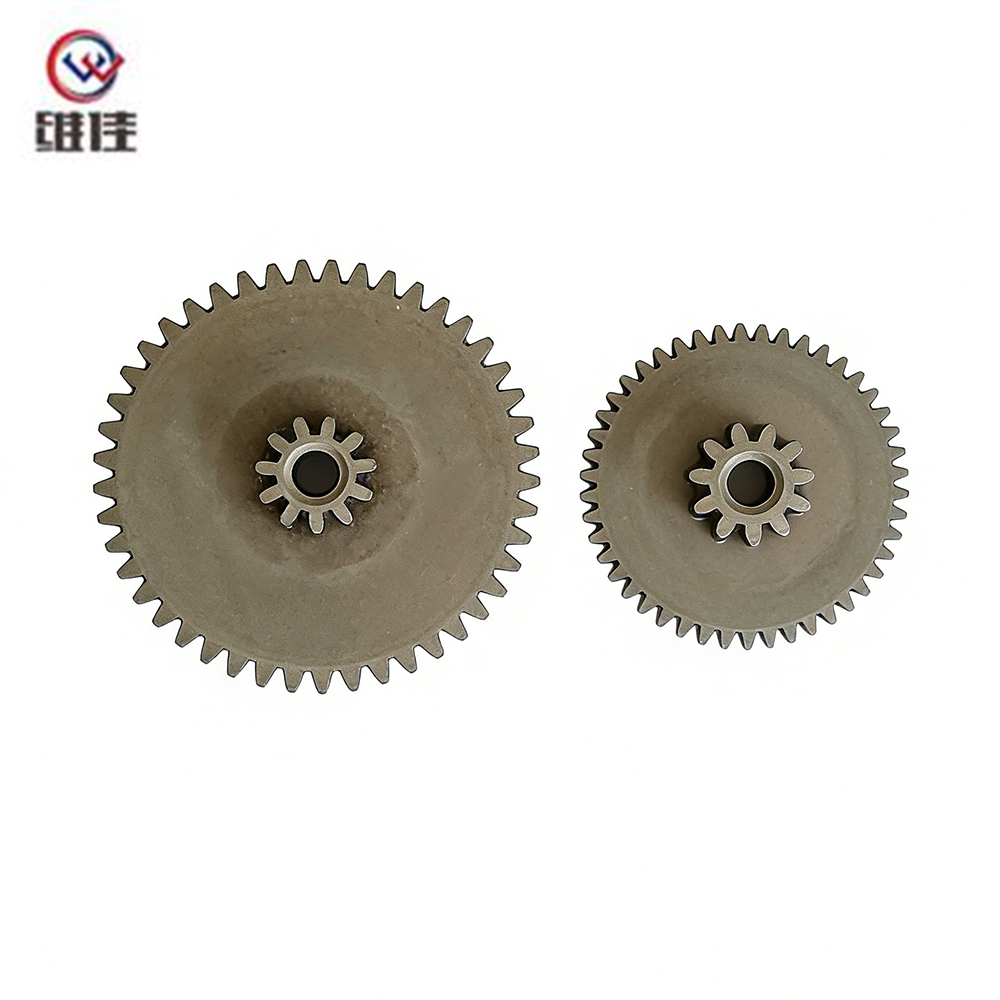
Core Specifications Parameter Specification Gear Teeth Z46 (large gear) & Z11 (small pinion) Module 0.8 Small Gear Bore 11 mm Material AB powder metallurgy (high-strength iron-based all...
See Details -
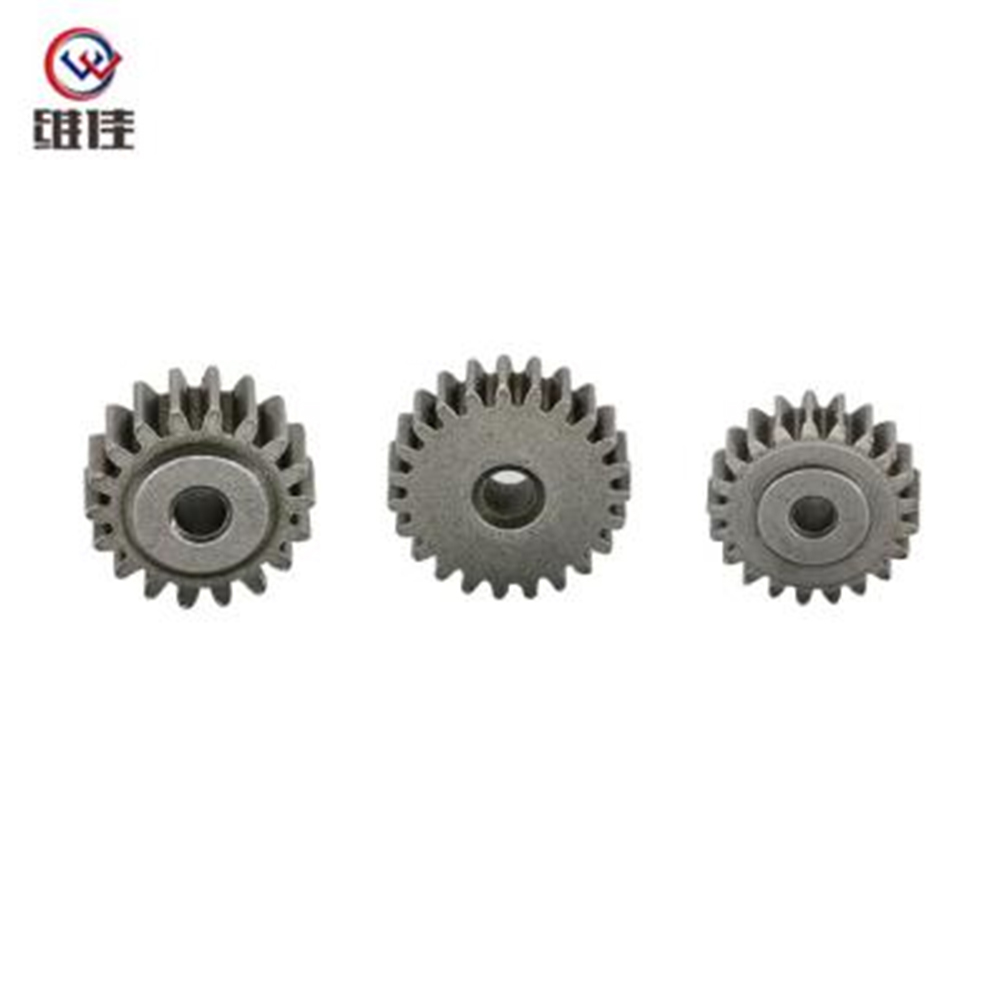
Description: Custom powder metallurgy planetary gear with high precision, wear resistance for automotive, industrial machinery & home appliances. OEM/ODM supported.
See Details -
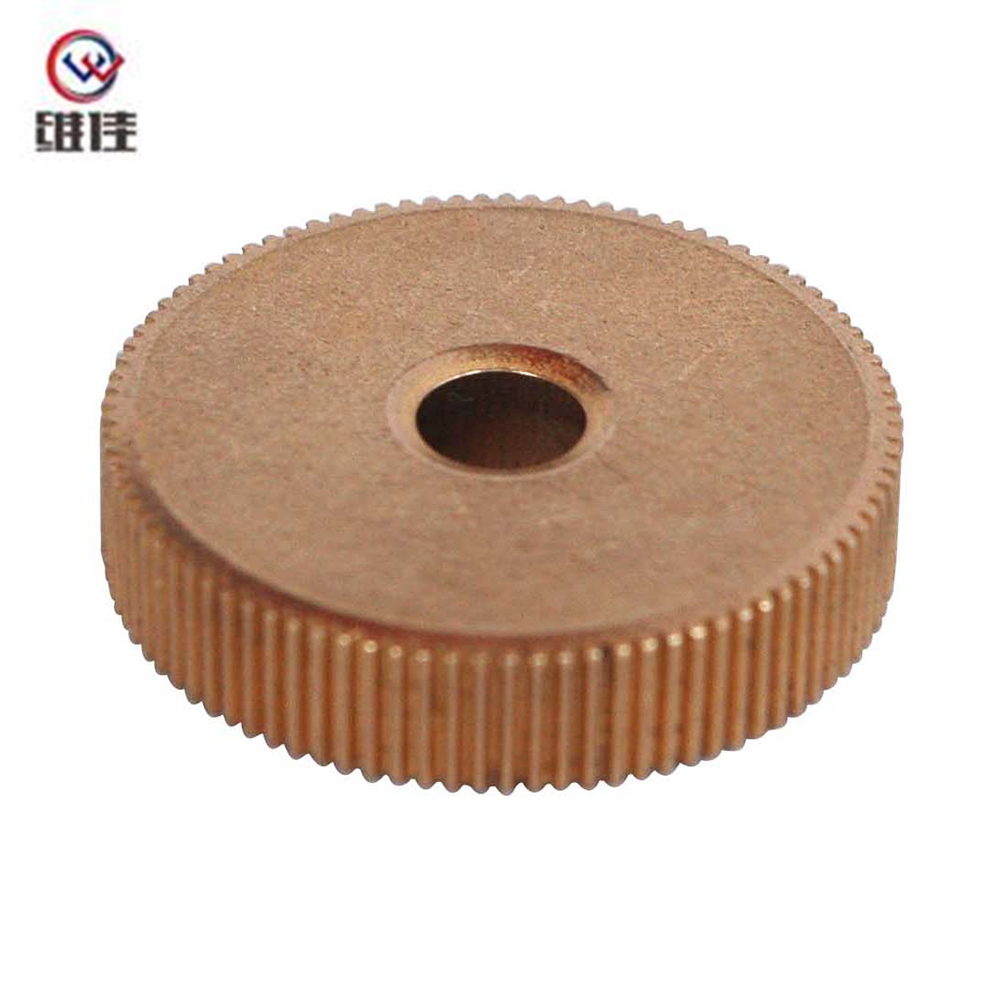
This 4×11.5×5.2mm powder metallurgy gear is manufactured through a precise press-sinter-through hole-oil impregnation process, with strict control of press density (6.7–6.8g/cm³) and sintering tempera...
See Details
Copyright © Jiande Welfine Technology Co., Ltd. All Rights Reserved. Custom Self-lubricating Sintered Bushing Manufacturers
