E-mail us: [email protected]
Tel: +86-15239857375
 English
 中文简体
中文简体

 Home / Author / Luo Qian — Product Sales Supervisor / Sintered Stainless Steel Self-Lubricating Bushings: Corrosion-Resistant Bearing Solutions for Demanding Applications
 Sintered Stainless Steel Self-Lubricating Bushings: Corrosion-Resistant Bearing Solutions for Demanding Applications
 2026.08.01
 Luo Qian — Product Sales Supervisor
Content
- 1 What Is a Sintered Stainless Steel Self-Lubricating Bushing?
- 2 How the Powder Metallurgy Structure Supports Self-Lubrication
- 3 Key Advantages Compared with Conventional Bushings
- 4 Performance in Harsh and Extreme Environments
- 5 Applications in Food Processing Machinery
- 6 Applications in Medical and Laboratory Equipment
- 7 Applications in Marine, Chemical, and Water Treatment Equipment
- 8 Manufacturing Process of Sintered Stainless Steel Bushings
- 9 How Advanced Manufacturing Improves Product Reliability
- 10 Customization Capabilities for OEM and ODM Projects
- 11 Comparison with Other Bearing Materials
- 12 Design Considerations for Better Service Life
- 13 Installation and Maintenance Recommendations
- 14 Why Choose an Experienced Powder Metallurgy Manufacturer?
- 15 Economic and Environmental Benefits
- 16 Quality Assurance and Customer Support
- 17 Frequently Asked Questions
- 17.1 What is the main benefit of a sintered stainless steel self-lubricating bushing?
- 17.2 How does the bushing lubricate itself?
- 17.3 Are these bushings completely maintenance-free?
- 17.4 Can these bushings be used in food processing machinery?
- 17.5 Are they suitable for medical equipment?
- 17.6 Can stainless steel self-lubricating bushings operate in seawater?
- 17.7 What information is needed for a custom bushing quotation?
- 17.8 Can the manufacturer produce bushings according to samples?
- 17.9 What is the role of porosity in a sintered bushing?
- 17.10 Can these bushings run without oil?
- 17.11 How should the shaft be prepared?
- 17.12 Can the bushings operate at very high sliding speeds?
- 17.13 Why is stainless steel preferred over carbon steel in harsh environments?
- 17.14 Why is powder metallurgy suitable for high-volume bushing production?
- 18 Conclusion
- 19 References
- 20 Product: Sintered Stainless Steel Self-lubricating Bushings
Sintered stainless steel self-lubricating bushings are engineered plain bearings designed to provide dependable, low-maintenance movement in environments where conventional lubricated bearings may corrode, wear quickly, or require frequent servicing. By combining stainless steel powder metallurgy with controlled porosity and oil impregnation, these bushings create a compact bearing solution with built-in lubrication, strong dimensional stability, and excellent resistance to moisture, chemicals, heat, and difficult operating conditions.
They are especially valuable in food processing machinery, medical equipment, marine systems, chemical processing machinery, packaging equipment, water treatment systems, and industrial automation. In these applications, equipment designers often need more than a standard carbon steel bushing can provide. They may require corrosion resistance, quiet operation, minimal lubricant leakage, reliable movement during long service intervals, and stable performance when external lubrication is difficult or impossible.
A sintered stainless steel self-lubricating bushing addresses these requirements through a carefully controlled manufacturing process. Stainless steel powder is compacted into the required shape, sintered at a controlled temperature, machined when necessary, and impregnated with lubricating oil. The resulting porous structure acts as an internal oil reservoir. During operation, lubricant gradually reaches the bearing surface, reducing friction and wear. When the equipment stops, a portion of the lubricant can return to the pores, helping maintain the lubrication cycle.
For customers seeking custom powder metallurgy components, the quality of the finished bushing depends on much more than the choice of stainless steel. Powder composition, particle characteristics, compaction pressure, sintering atmosphere, pore distribution, oil viscosity, dimensional tolerances, surface finish, and inspection procedures all affect performance. A manufacturer with integrated research, production, machining, and quality-control capabilities can therefore provide more consistent and reliable solutions than a supplier focused only on basic forming.
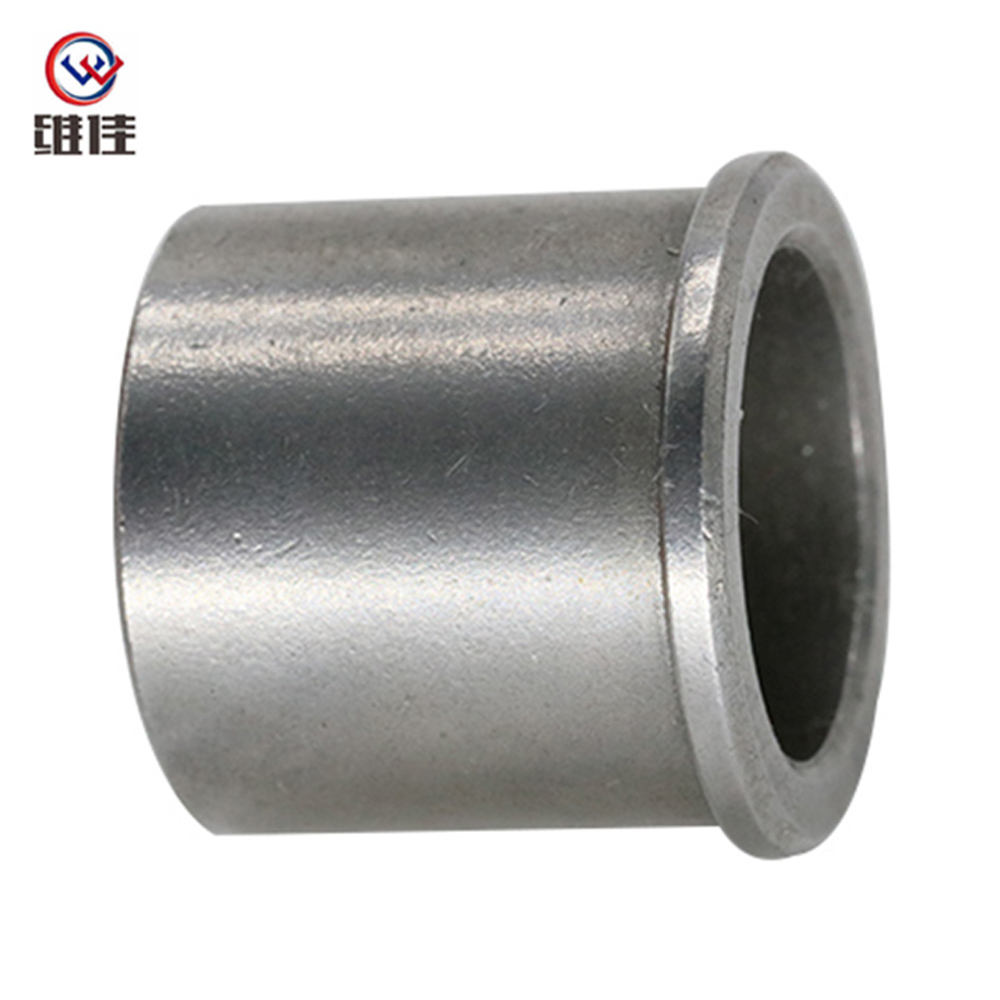
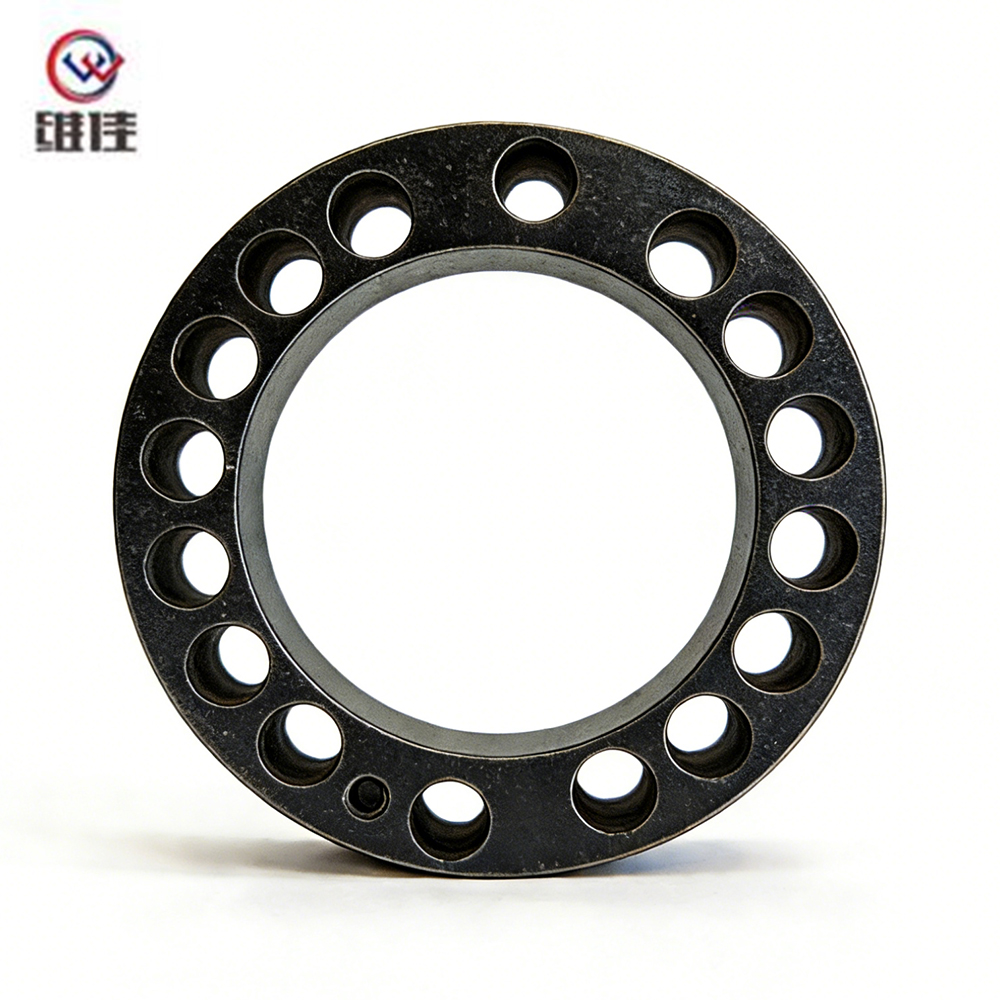
Sintered Stainless Steel Self-lubricating Bushings
What Is a Sintered Stainless Steel Self-Lubricating Bushing?
A bushing is a plain bearing that supports relative movement between two components. Unlike a rolling-element bearing, it does not use balls or rollers. Instead, a shaft or pin moves directly against the inner surface of the bushing. This simple construction allows bushings to operate in compact assemblies, tolerate oscillating movement, and reduce the number of components required in a mechanism.
A sintered stainless steel self-lubricating bushing is produced from stainless steel powder through powder metallurgy. The powder is pressed in a die to form a near-net-shape component. It is then heated below the melting point of the primary metal so that the particles bond together. This process creates a solid bushing with a controlled network of microscopic pores.
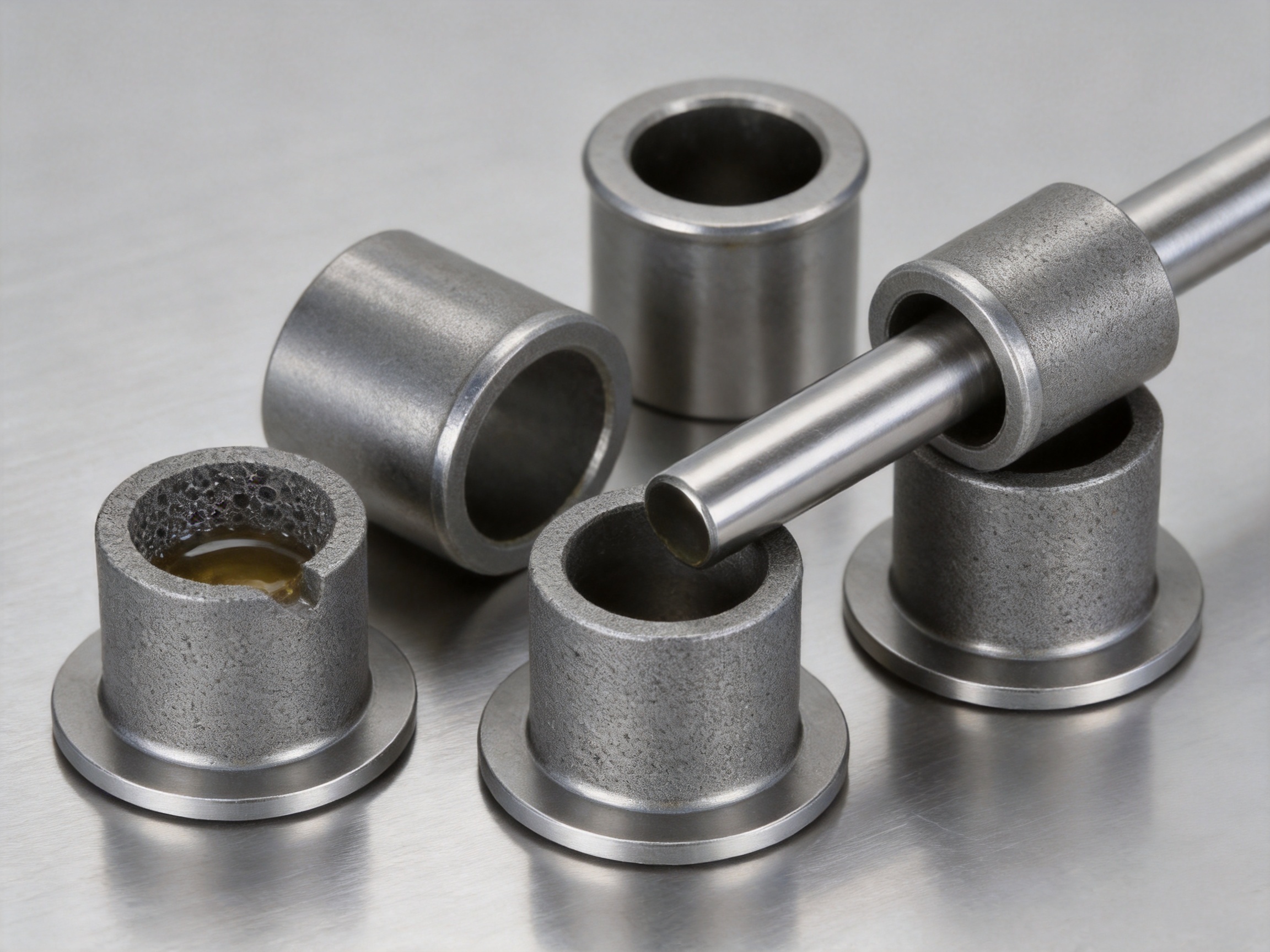
After sintering, the component can be impregnated with lubricating oil. The oil fills a substantial portion of the interconnected pores and remains stored inside the bushing. When a shaft rotates or oscillates, frictional heat and capillary action encourage a small quantity of oil to migrate toward the sliding interface. This provides lubrication without requiring a separate grease fitting, oil line, or regular manual application.
The term “self-lubricating” does not mean that the bushing operates without any lubricant. Rather, it means that lubricant is stored within the bearing material and supplied automatically during operation. Correct shaft hardness, surface finish, operating load, speed, temperature, alignment, and environmental conditions remain important for achieving the expected service life.
How the Powder Metallurgy Structure Supports Self-Lubrication
The internal porosity of a sintered bushing is one of its most important functional characteristics. In a conventional wrought metal bushing, the material is generally dense and does not provide an internal oil-storage network. Lubricant must therefore be supplied externally. In a porous sintered bushing, the voids between bonded metal particles can be engineered to hold oil throughout the body of the component.
During operation, the bearing surface experiences contact pressure and frictional heat. These conditions encourage oil to move from the pores to the sliding surface. A thin lubrication film forms between the shaft and the bushing, reducing direct metal-to-metal contact. When operation stops and the component cools, some of the oil can be drawn back into the pore structure.
This continuous exchange helps the bushing maintain a stable lubrication condition over long periods. It also reduces the possibility of a single lubrication application being lost immediately through leakage, evaporation, or displacement. The amount and rate of oil release depend on porosity, pore size, oil properties, surface conditions, temperature, and the operating duty cycle.
Controlled porosity is therefore essential. Excessive porosity may reduce mechanical strength, while insufficient porosity may limit oil capacity and reduce the self-lubricating effect. Advanced powder metallurgy production aims to achieve a balanced structure that provides both adequate load-bearing capability and sufficient lubricant retention.
Key Advantages Compared with Conventional Bushings
Excellent Corrosion Resistance
The stainless steel material provides a major advantage in wet, humid, chemical, and marine environments. Carbon steel bushings can develop rust when exposed to water, condensation, cleaning agents, or salt spray. Corrosion can increase friction, damage the shaft, change the bearing clearance, and eventually cause seizure or premature failure.
Sintered stainless steel bushings are designed to resist corrosion more effectively than ordinary carbon steel alternatives. This makes them suitable for equipment exposed to washdown procedures, saltwater atmospheres, corrosive vapors, and chemical processing conditions. Material selection should still be based on the actual environment, because different stainless steel grades provide different resistance to chlorides, acids, alkalis, and elevated temperatures.
Reduced Maintenance
Traditional plain bearings often require periodic greasing or oiling. In large production lines, maintenance personnel may need to access multiple lubrication points, stop equipment, remove guards, and verify that the correct lubricant has been applied. If lubrication is missed, the bushing can experience accelerated wear and overheating.
Oil-impregnated bushings reduce this maintenance burden because the lubricant is already stored inside the component. They are especially useful in assemblies where a lubrication fitting would be difficult to install or where external lubricant could contaminate products, attract dust, or interfere with cleanroom procedures.
Longer Service Intervals
Because the porous structure supplies lubricant over time, a self-lubricating bushing can operate for extended periods without routine relubrication. Longer service intervals can improve equipment availability and reduce the total cost of ownership. The actual interval depends on load, speed, temperature, shaft material, operating cycle, and environmental exposure.
Low Friction and Smooth Movement
A stable oil film reduces friction between the shaft and the bearing surface. Lower friction can reduce drive power, operating temperature, noise, and wear. Smooth movement is particularly important in medical equipment, laboratory instruments, precision automation, and packaging machinery, where vibration and inconsistent motion may affect product quality or measurement accuracy.
Compact and Simple Design
Plain bushings require fewer parts than rolling-element bearings. They can be designed with a small radial envelope and installed in compact housings. This is useful where space is limited or where the mechanism requires a simple press-fit component. The absence of balls, cages, seals, and complex raceways may also simplify assembly and reduce potential failure points.
Good Performance During Oscillating Movement
Many mechanisms do not rotate continuously. They move through a limited angle or perform repeated reciprocating motion. Rolling bearings may experience localized loading or false-brinelling damage under certain oscillating conditions. A properly selected plain bushing can be well suited to slow oscillation, pivoting, indexing, and reciprocating movement.
Dimensional Consistency
Modern powder metallurgy allows manufacturers to produce large quantities of parts with repeatable dimensions. Near-net-shape forming reduces the amount of material removed during machining and supports efficient production of complex external profiles. Additional sizing, reaming, grinding, or precision machining can be used when tighter tolerances are required.
Performance in Harsh and Extreme Environments
High-Temperature Applications
Sintered stainless steel self-lubricating bushings can be used in elevated-temperature equipment when the stainless steel grade, oil type, clearance, and operating duty are correctly selected. Applications may include industrial ovens, thermal processing equipment, fuel systems, combustion-related mechanisms, and high-temperature automation.
Temperature affects both the metal and the lubricant. As temperature rises, oil viscosity may decrease, changing the rate at which lubricant moves through the pores. Excessive heat can also accelerate oxidation or evaporation of the oil. For this reason, high-temperature applications require a suitable impregnation oil and a design review of bearing pressure, speed, clearance, and heat dissipation.
Corrosive Liquids and Gases
In chemical, petrochemical, and water treatment equipment, bushings may be exposed to corrosive liquids, vapors, cleaning chemicals, or process gases. Stainless steel offers better protection against rust and surface degradation than standard carbon steel. However, corrosion resistance is not universal. Chloride concentration, temperature, acidity, crevice conditions, and exposure duration must be evaluated when selecting the material.
The bushing’s internal oil can also be affected by the environment. If process fluids can penetrate the pores, they may dilute, displace, or chemically alter the lubricant. Seals, protective housings, compatible oil selection, and appropriate clearances can help reduce these risks.
Marine and Saltwater Conditions
Marine equipment faces a combination of saltwater, humidity, spray, vibration, and temperature changes. These conditions can cause rapid corrosion in ordinary steel components. Stainless steel self-lubricating bushings provide a more durable alternative for marine pumps, deck equipment, navigation systems, steering mechanisms, hatch systems, and auxiliary assemblies.
For direct seawater exposure, material grade and component design are particularly important. Stainless steel selection should reflect the chloride environment, and the shaft should be compatible with the bushing. Galvanic corrosion between dissimilar metals should also be considered during system design.
Radioactive and Restricted-Access Environments
Some specialized facilities require components that can operate reliably in areas where maintenance access is limited. A self-lubricating bushing can reduce the need for routine service visits and minimize the risk associated with manual lubrication. Its simple structure and corrosion-resistant material may support use in specialized industrial or research equipment.
Radiation compatibility depends on the complete material system, including the oil, seals, coatings, and surrounding components. Specific radiation dose, temperature, vacuum, and contamination requirements should be reviewed before approval for a radioactive application.
Applications in Food Processing Machinery
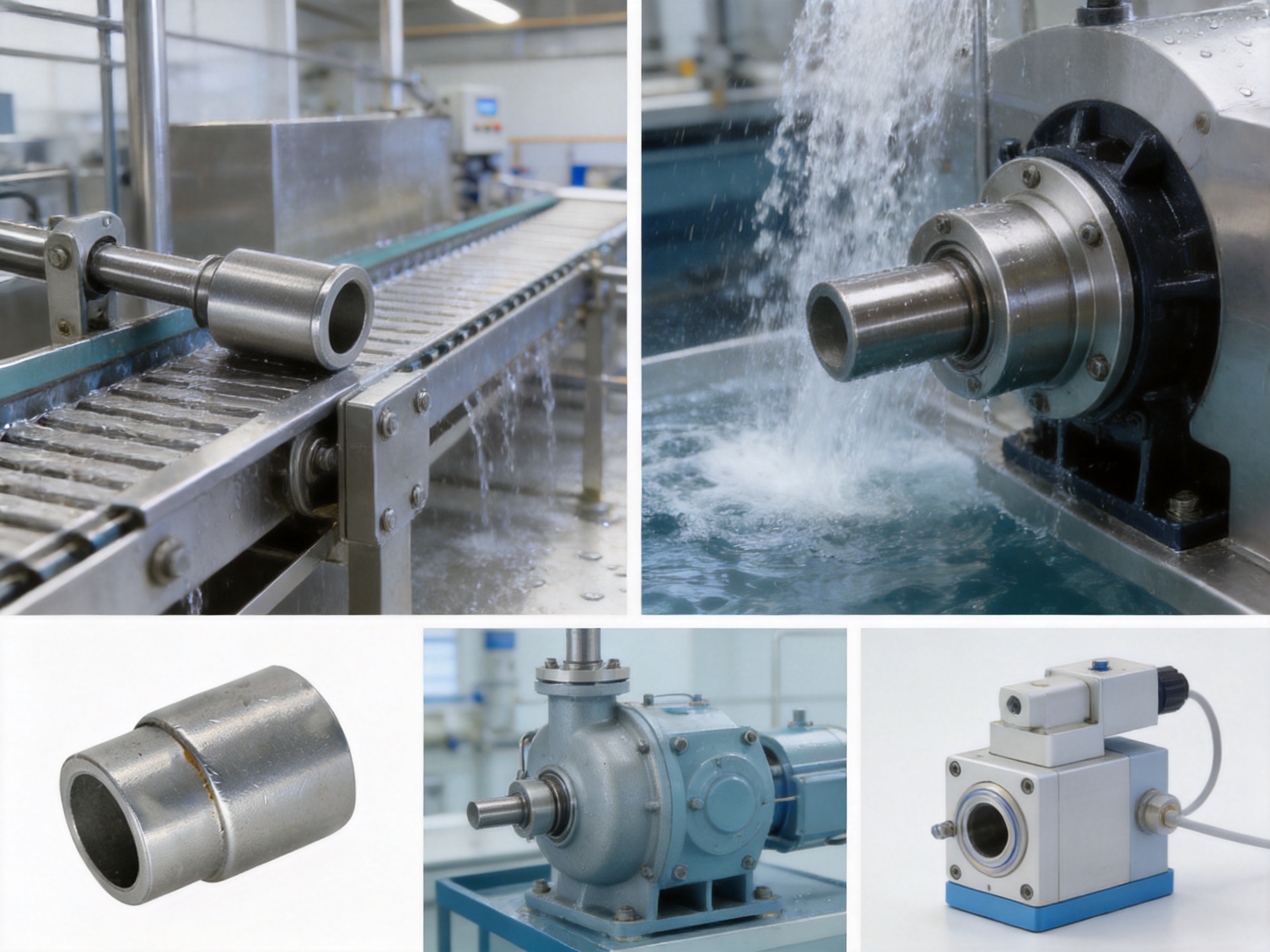
Food processing equipment commonly experiences water, steam, detergents, disinfectants, frequent washdowns, and temperature changes. Bearings and bushings must remain functional while resisting corrosion and minimizing maintenance-related contamination risks.
Sintered stainless steel self-lubricating bushings can be used in conveyors, filling machines, mixers, slicing equipment, packaging mechanisms, inspection systems, and automated handling units. Their corrosion-resistant construction helps reduce rust-related failures, while internal lubrication reduces the need for exposed grease points.
In hygienic equipment, the complete assembly must be designed for cleanability. The bushing itself should be selected for material compatibility, but the housing, shaft, seals, surface finish, and drainage design are equally important. Food-contact or incidental-contact requirements may require specially approved materials and lubricants. A standard industrial oil-impregnated bushing should not automatically be considered suitable for direct food contact.
The self-lubricating design can also reduce the risk of excess grease being thrown onto nearby products or packaging surfaces. This does not eliminate the need for hygienic design, inspection, and appropriate lubricant compliance. Instead, it provides a practical bearing option for locations where external lubrication is undesirable or difficult to control.
Applications in Medical and Laboratory Equipment
Medical devices and laboratory systems often require smooth, quiet, repeatable motion. Components may be exposed to cleaning solutions, sterilization procedures, humidity, and long periods of intermittent operation. Equipment designers may also need compact parts with consistent dimensions and low maintenance requirements.
Stainless steel self-lubricating bushings can support movement in diagnostic equipment, laboratory instruments, hospital automation, patient-handling systems, imaging accessories, sample-processing machines, and specialized medical mechanisms. Their low-friction operation can help reduce vibration and noise, while their corrosion resistance supports repeated cleaning cycles.
Medical applications require careful evaluation of lubricant composition, outgassing, sterilization temperature, chemical compatibility, and biocompatibility. If the bushing is located near a sterile field or sensitive process, the manufacturer and equipment designer should confirm that the selected lubricant and material system meet the applicable requirements.
Dimensional accuracy is another important consideration. Excessive clearance can create play and reduce positioning precision, while insufficient clearance can cause binding as temperature changes. Powder metallurgy forming, sizing, and precision machining can be combined to achieve the dimensional performance required by the mechanism.
Applications in Marine, Chemical, and Water Treatment Equipment
Marine pumps, valves, deck machinery, navigation systems, and steering mechanisms often operate in wet environments where maintenance access is limited. A corrosion-resistant self-lubricating bushing can provide reliable support for shafts, hinges, pivots, and linkages while reducing the need for frequent grease application.
In chemical processing equipment, bushings may be installed in actuators, pumps, mixers, conveyors, and valve systems. Stainless steel construction can improve resistance to process vapors and splashes. The final selection should account for chemical concentration, temperature, pressure, shaft speed, and the possibility of fluid entering the porous structure.
Water treatment systems may include filtration equipment, dosing mechanisms, rotating screens, mixers, and automated valves. Moisture resistance and reduced lubrication requirements are useful in these applications. A self-lubricating bushing can help simplify maintenance plans, particularly in installations with many distributed mechanisms.
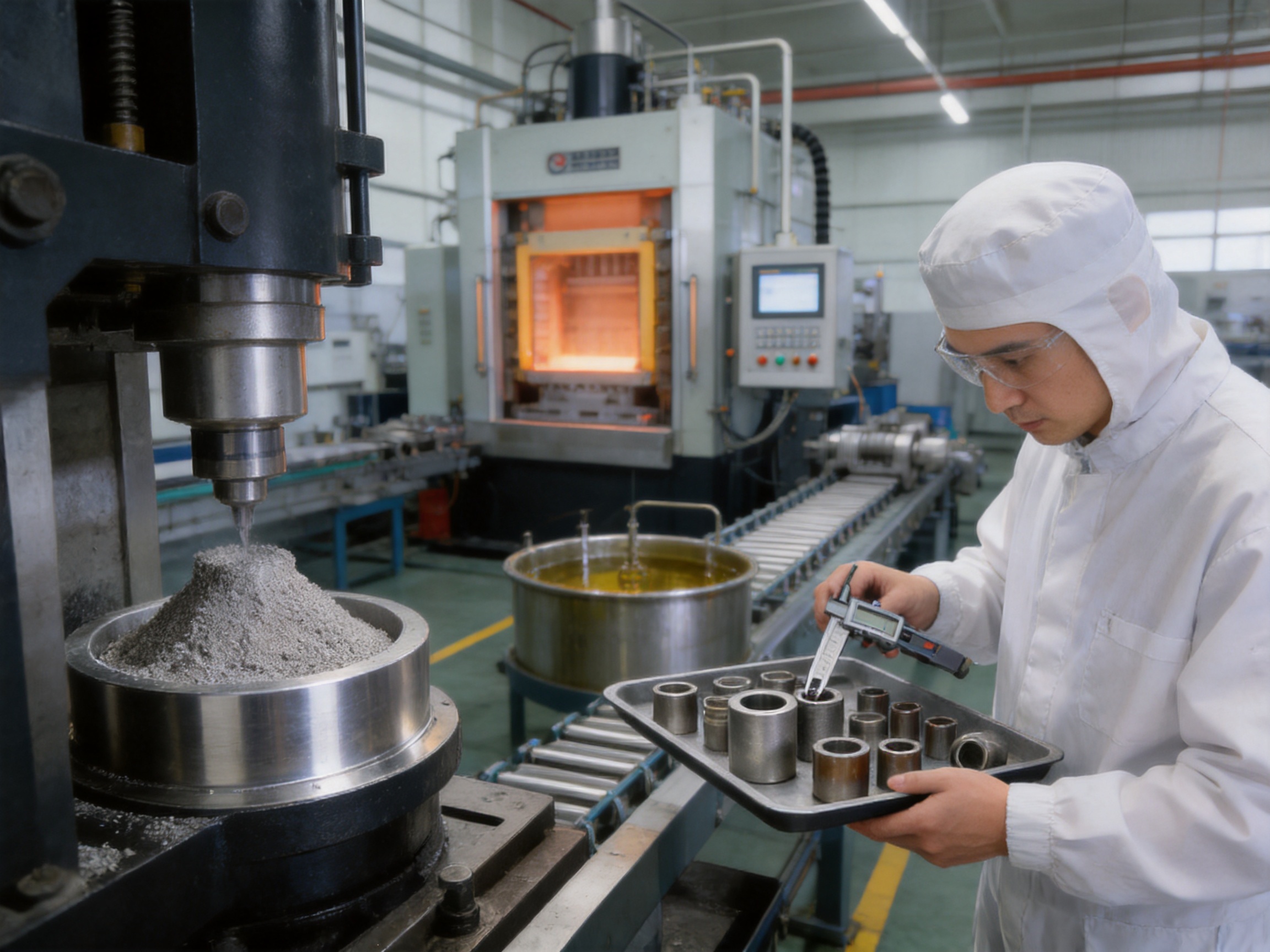
Manufacturing Process of Sintered Stainless Steel Bushings
Material Selection and Powder Preparation
Manufacturing begins with the selection of stainless steel powder suitable for the required corrosion resistance, strength, wear performance, and operating temperature. Powder characteristics such as particle size distribution, shape, flowability, compressibility, and apparent density influence the forming process and the final pore structure.
Powders may be blended with processing additives to improve die filling, compaction, ejection, and green strength. The formulation must be controlled carefully so that additives are removed effectively during sintering and do not create unwanted defects.
Precision Die Compaction
In the compaction stage, measured powder is placed into a precision die and compressed under controlled pressure. The die defines the basic geometry of the bushing, including the outer diameter, inner diameter, length, shoulders, grooves, flanges, and other features that can be formed directly.
Uniform density is important. Density variation can lead to uneven shrinkage, dimensional changes, weak areas, or inconsistent porosity. Modern presses, carefully designed tooling, controlled filling, and optimized compaction parameters help produce stable green parts with repeatable geometry.
Controlled-Atmosphere Sintering
The compacted part is heated in a sintering furnace under a controlled atmosphere. The thermal cycle removes processing additives and allows metal particles to bond at their contact points. Sintering temperature, heating rate, holding time, cooling rate, and atmosphere all influence strength, dimensional stability, corrosion resistance, and pore morphology.
Stainless steel requires careful atmosphere control because oxidation can affect surface quality and material performance. Proper furnace management supports consistent bonding while preserving the intended porous structure.
Sizing and Precision Machining
After sintering, the bushing may undergo sizing to improve dimensional accuracy and roundness. Depending on the drawing requirements, additional turning, drilling, reaming, grinding, or other machining operations can be performed.
Near-net-shape powder metallurgy reduces material waste and machining time, but critical bearing surfaces may still require secondary processing. The inner diameter is especially important because it determines the running clearance between the shaft and bushing. Precision machining allows the manufacturer to meet more demanding dimensional and surface-finish requirements.
Oil Impregnation
Oil impregnation is performed after the metal structure has reached the required condition. The component is placed in a controlled oil bath or vacuum-pressure system. Vacuum treatment removes air from the pores, allowing oil to penetrate more completely. Pressure may then be applied to improve filling of the internal pore network.
The selected oil must match the expected operating temperature, load, speed, and environmental conditions. A low-viscosity oil may support easier migration at lower temperatures, while a higher-viscosity formulation may provide stronger film retention in particular applications. Special lubricants may be required for high-temperature, food-processing, vacuum, or chemically demanding environments.
Inspection and Testing
Quality control may include dimensional inspection, density measurement, porosity evaluation, hardness testing, surface-finish checks, oil content verification, visual inspection, and functional testing. Depending on the customer’s requirements, testing may also include corrosion evaluation, wear testing, friction measurement, load testing, temperature testing, or endurance testing.
Inspection records help verify batch consistency and support traceability. For OEM applications, documented process controls and inspection standards provide additional confidence that the bushings will perform consistently when installed in production equipment.
How Advanced Manufacturing Improves Product Reliability
Reliable self-lubricating performance begins with process control. If porosity varies significantly from one area of a bushing to another, oil distribution and mechanical strength may also vary. If sintering is incomplete, the part may have insufficient strength. If the part is over-sintered, excessive pore closure may reduce oil capacity.
Advanced production therefore requires coordination between material preparation, tooling, compaction, furnace operation, machining, impregnation, and inspection. An integrated manufacturer can identify relationships between these stages and make adjustments before defects affect large production quantities.
Jiande Welfine Technology Co., Ltd. was established in 2001 and focuses on powder metallurgy sintering and related precision machining. Its production capabilities include powder metallurgy bushings, self-lubricating bushings, and various precision components for industrial applications.
The company operates a 13,039-square-meter manufacturing base with production and testing equipment designed to support stable powder metallurgy manufacturing. Its equipment includes efficient powder compaction presses, high-temperature sintering furnaces, and precision forming machines. These resources support both standard products and customized components produced according to customer drawings or samples.
With more than 20 years of industry experience and over 150 skilled employees, the company combines engineering knowledge with volume manufacturing capability. This is important for customers who need more than a catalog bushing. Custom projects may require a specific stainless steel grade, nonstandard dimensions, modified porosity, special oil, customized flange geometry, or secondary machining.
The company operates under ISO 9001:2015 and IATF 16949:2016 quality management certifications. These systems support documented procedures, process monitoring, corrective action, traceability, and continuous improvement. Quality certifications do not replace application-specific engineering, but they provide a structured foundation for consistent production and customer communication.
Customization Capabilities for OEM and ODM Projects
Equipment manufacturers often require bushings that match an existing housing, shaft, assembly sequence, or performance specification. A standard size may not provide the correct clearance, flange profile, oil capacity, or installation method. Custom powder metallurgy production can address these requirements while maintaining efficient repeatability.
Customization may include:
- Outer diameter, inner diameter, and overall length
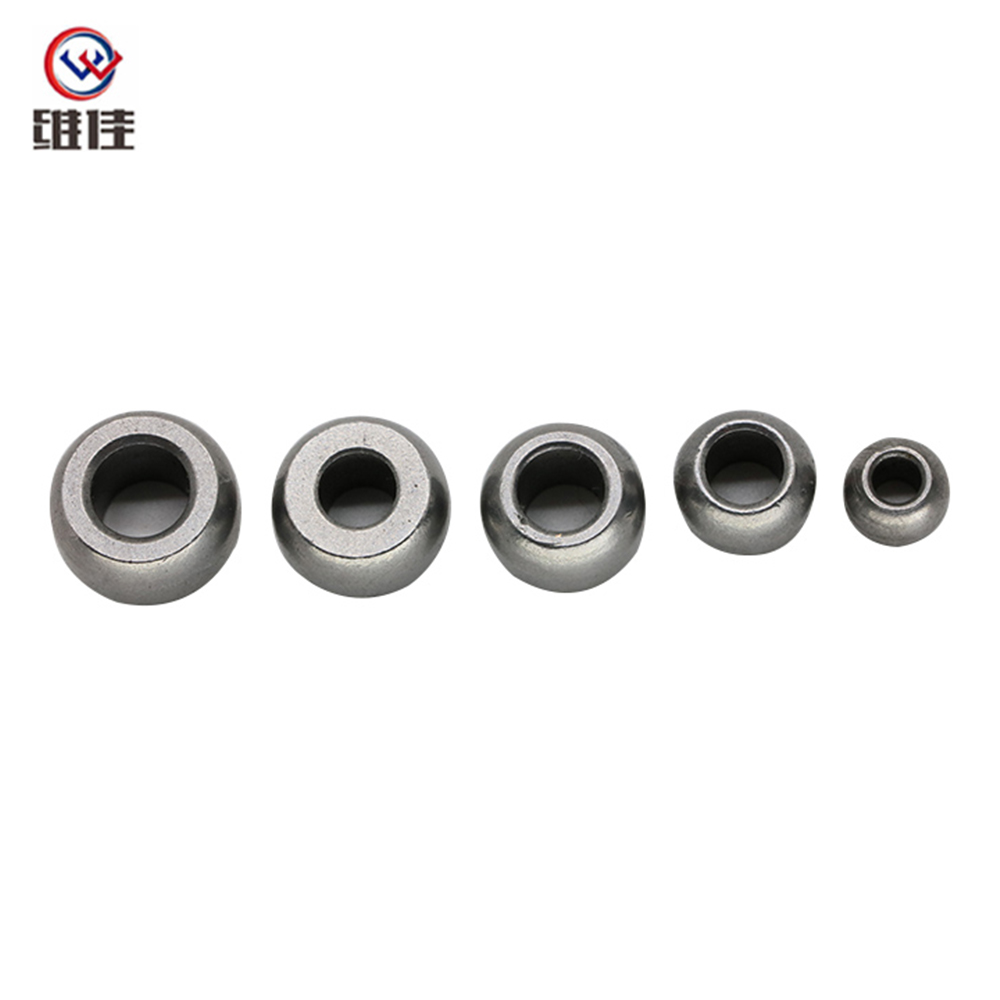
- Flanged, stepped, spherical, or special external profiles
- Slots, grooves, holes, and locating features
- Different stainless steel material grades
- Customized density and porosity ranges
- Special oil impregnation formulas
- Additional machining for critical dimensions
- Surface treatments or protective finishing where appropriate
- Special packaging and corrosion protection during storage
- Production based on technical drawings, samples, or application data
A successful custom project begins with accurate technical information. Useful data includes shaft diameter, housing diameter, bearing length, radial load, rotational or oscillating speed, operating temperature, duty cycle, environmental exposure, shaft material, surface hardness, surface roughness, and expected service life.
When customers provide a sample rather than a drawing, the manufacturer can evaluate the sample’s dimensions, material characteristics, construction, and application requirements. Engineering review can then determine whether the existing design should be reproduced or improved for corrosion resistance, oil retention, wear life, assembly tolerance, or production efficiency.
Comparison with Other Bearing Materials
| Performance Factor | Sintered Stainless Steel Self-Lubricating Bushing | Conventional Carbon Steel Bushing | Polymer Bushing | Bronze Bushing |
| Corrosion Resistance | Excellent when the correct stainless steel grade is selected | Moderate to poor without protective treatment | Generally good, depending on polymer chemistry | Good in many environments, but dependent on alloy and exposure |
| Lubrication Method | Oil stored in internal pores | Usually requires external lubrication | May be inherently lubricating or require a dry additive | May require grease, oil, or solid lubricant |
| High-Temperature Capability | Good with suitable material and impregnation oil | Good for metal, but lubricant and corrosion remain concerns | Limited by polymer temperature rating | Good, depending on alloy and lubrication method |
| Maintenance Requirement | Low under suitable operating conditions | Moderate to high | Low to moderate | Moderate unless specially designed |
| Dimensional Stability | High with controlled processing and machining | High, but corrosion may affect dimensions | May be affected by temperature, moisture, and creep | High with proper design |
| Suitable Movement | Rotary, oscillating, and reciprocating movement | Rotary and oscillating movement with maintenance | Often suitable for low-load movement | Rotary and oscillating movement |
| Design Flexibility | High for near-net-shape powder metallurgy components | High through machining | High through molding or machining | High through casting or machining |
This comparison does not mean that one material is ideal for every application. Polymer bushings may be preferred where electrical insulation or very low weight is important. Bronze may be selected for heavy loads or particular compatibility requirements. Carbon steel can be economical in clean, dry, regularly serviced equipment. Sintered stainless steel becomes especially attractive when corrosion resistance, internal lubrication, compact design, and reduced maintenance must be combined.
Design Considerations for Better Service Life
Load and Pressure
Designers should calculate the projected bearing area and determine the load carried by the bushing. Excessive pressure can squeeze lubricant from the interface, deform the bearing, or accelerate wear. Static, dynamic, shock, and edge loads should be evaluated separately.
Speed and PV Value
Plain bearing performance is commonly assessed using pressure-velocity conditions. The product of bearing pressure and sliding velocity provides a useful reference for evaluating heat generation and lubrication demand. A bushing that performs well at moderate load and speed may not be suitable for a high-speed, high-load combination.
The supplied product information indicates sliding speeds of up to approximately 70–75 meters per second in certain non-lubricated or specialized conditions. Such a value should not be treated as a universal rating. Actual allowable speed depends on bearing pressure, shaft condition, temperature, oil type, cooling, duty cycle, and test standards. Application validation is recommended before using any bushing at extreme speed.
Running Clearance
Correct clearance allows the shaft to move freely while maintaining an effective lubrication film. If clearance is too small, thermal expansion or contamination may cause binding. If clearance is too large, the mechanism may develop excessive play, vibration, noise, or uneven wear.
Clearance should be selected according to shaft diameter, temperature range, material expansion, speed, load, and installation method. Press-fitting the bushing into a housing can reduce the effective inner diameter, so the final installed condition should be considered rather than relying only on free-state measurements.
Shaft Surface Quality
The shaft is part of the bearing system. A hard, smooth, properly aligned shaft generally improves wear life and reduces friction. A rough, soft, damaged, or contaminated shaft can rapidly wear the bushing and prevent a stable oil film from forming.
Designers should evaluate shaft hardness, roughness, roundness, runout, material compatibility, and corrosion resistance. In marine or humid environments, a corrosion-resistant shaft may be necessary even when the bushing itself is stainless steel.
Alignment and Housing Accuracy
Misalignment creates edge loading and uneven pressure distribution. This can cause localized heating and premature wear. Housing bores should be properly aligned, and the bushing should be installed without distortion. For assemblies with unavoidable angular movement, a flanged, spherical, or specially designed bushing may be more suitable than a simple cylindrical type.
Contamination and Sealing
Although oil-impregnated bushings reduce external lubrication, they are not immune to abrasive particles. Dust, metal chips, food residue, salt crystals, and process contamination can enter the sliding interface and increase wear.
Protective seals, shields, clean assembly procedures, suitable shaft finishes, and regular inspection can improve service life. In washdown applications, the housing should also prevent water from being trapped around the bushing.
Installation and Maintenance Recommendations
Before installation, confirm the bushing dimensions, shaft condition, housing condition, and orientation. Remove burrs and contaminants from the housing and shaft. Do not force the part into position with uncontrolled impact, since deformation can change the internal clearance and damage the porous structure.
Press-fitting should use a suitable mandrel that contacts the correct surface. Applying force through an inappropriate location may distort a flange or damage a thin wall. If the design requires a retaining compound, the chemical compatibility and effect on the porous material should be verified in advance.
The shaft should be inserted carefully and should not be rotated against a dry, contaminated, or damaged surface. Some applications benefit from applying a small amount of compatible lubricant during initial assembly, even when the bushing is already oil impregnated. This depends on the manufacturer’s recommendation and the operating environment.
During operation, monitor noise, temperature, vibration, movement quality, and visible wear. A sudden increase in temperature or friction may indicate misalignment, overload, inadequate clearance, shaft damage, contamination, or lubricant incompatibility. Early inspection can prevent damage to the shaft and housing.
Self-lubricating bushings generally do not require routine grease application. Adding an incompatible grease or oil can block pores, wash out the original lubricant, attract abrasive particles, or interfere with the intended lubrication mechanism. If supplementary lubrication is necessary, the lubricant should be approved for the specific bushing material and operating conditions.
Why Choose an Experienced Powder Metallurgy Manufacturer?
The performance of a sintered stainless steel bushing is closely connected to manufacturing consistency. Two bushings with the same external dimensions may perform very differently if their density, pore structure, oil content, or machining quality differs.
An experienced manufacturer can help optimize the full component rather than simply reproducing its dimensions. The engineering team can assess whether the selected material is appropriate for the environment, whether the oil is suitable for the temperature range, whether the clearance matches the shaft, and whether the production method can achieve the required tolerances at the target volume.
Jiande Welfine Technology Co., Ltd. integrates research and development, production, sales, powder metallurgy sintering, and related precision machining. This integrated structure supports communication from initial design through mass production. It can also reduce the need for customers to coordinate multiple suppliers for forming, machining, and oil impregnation.
The company’s modern production base, advanced presses, high-temperature sintering furnaces, precision forming equipment, and testing resources provide a foundation for manufacturing stable, repeatable components. More than 20 years of experience in powder metallurgy supports practical problem solving for complex bushing requirements.
OEM and ODM customers can receive customized components based on drawings or samples. This is valuable for equipment manufacturers who need a long-term supply of bushings with consistent dimensions, controlled material performance, and reliable delivery. The company’s quality systems, including ISO 9001:2015 and IATF 16949:2016 certification, support structured manufacturing and inspection practices.
Economic and Environmental Benefits
Powder metallurgy can reduce material waste because parts are formed close to their final shape. Compared with manufacturing a bushing entirely from bar stock, near-net-shape compaction may reduce machining time, metal removal, and energy consumption associated with secondary processing.
Lower maintenance requirements can also produce economic benefits throughout the equipment life cycle. Fewer lubrication tasks mean less labor, reduced lubricant consumption, and shorter maintenance shutdowns. Longer component life can reduce replacement frequency and limit unplanned downtime.
The environmental value depends on the complete product life cycle, including material production, furnace energy, oil selection, component life, and end-of-life recycling. A durable bushing that prevents repeated equipment failures may provide meaningful operational benefits, particularly in high-volume manufacturing systems.
Quality Assurance and Customer Support
Quality assurance should begin with incoming raw materials and continue through every manufacturing stage. Powder characteristics, blend uniformity, die condition, press settings, furnace atmosphere, sintering temperature, machining parameters, and impregnation conditions all require control.
Finished bushings should be evaluated against approved drawings and specifications. Typical checks may include outer diameter, inner diameter, length, flange dimensions, roundness, concentricity, surface finish, density, hardness, oil content, and visual appearance. Sampling plans should reflect product criticality, order volume, and customer requirements.
For specialized applications, the manufacturer may support prototype production, sample approval, process validation, endurance testing, and production ramp-up. Technical communication is especially important when the bushing operates at high speed, high temperature, high load, vacuum, corrosive exposure, or frequent washdown.
Customers should provide feedback from field operation whenever possible. Information about wear patterns, temperature, shaft condition, installation force, maintenance intervals, and failure modes can help improve future designs and establish more accurate operating limits.
Frequently Asked Questions
What is the main benefit of a sintered stainless steel self-lubricating bushing?
The main benefit is the combination of stainless steel corrosion resistance and an internal oil-storage structure. The bushing can provide low-maintenance sliding support in wet, corrosive, high-temperature, or difficult-to-access equipment where external lubrication is undesirable or impractical.
How does the bushing lubricate itself?
Lubricating oil is impregnated into interconnected pores created during powder metallurgy. During movement, friction and contact conditions encourage a small amount of oil to reach the sliding surface. When movement stops, some lubricant can return to the pores, allowing the oil reservoir to support continued operation.
Are these bushings completely maintenance-free?
They are designed to require little or no routine external lubrication under suitable operating conditions. However, the equipment should still be inspected for alignment, contamination, shaft wear, abnormal noise, and temperature changes. Self-lubrication does not compensate for overload, incorrect clearance, poor installation, or severe contamination.
Can these bushings be used in food processing machinery?
They can be suitable for food processing machinery when the material, lubricant, surface finish, sealing arrangement, and complete assembly meet the applicable hygiene and regulatory requirements. A standard industrial oil should not be assumed to be suitable for direct food contact. Customers should specify washdown conditions and any food-grade requirements before production.
Are they suitable for medical equipment?
They may be used in medical and laboratory mechanisms requiring smooth motion, corrosion resistance, low maintenance, and dimensional stability. The selected material and lubricant must be reviewed for sterilization, cleaning chemicals, outgassing, biocompatibility, and any other requirements associated with the medical application.
Can stainless steel self-lubricating bushings operate in seawater?
They can be considered for marine environments, but direct seawater exposure requires careful material selection and system design. Chloride concentration, temperature, shaft material, galvanic corrosion, sealing, and lubricant compatibility should all be evaluated. The most corrosion-resistant stainless steel option is not automatically required or suitable for every marine system.
What information is needed for a custom bushing quotation?
Useful information includes a drawing or sample, inner and outer diameters, length, flange or groove details, shaft material, housing material, radial and axial loads, rotational or oscillating speed, temperature range, duty cycle, environment, required service life, surface-finish requirements, and annual quantity.
Can the manufacturer produce bushings according to samples?
Yes. Custom powder metallurgy bushings can be developed from customer drawings or physical samples. The sample should be accompanied by application information whenever possible, because reproducing dimensions alone may not address the actual load, speed, temperature, corrosion, or lubrication requirements.
What is the role of porosity in a sintered bushing?
Porosity provides space for storing lubricating oil and supports gradual lubricant release during operation. At the same time, the bushing must retain sufficient metal density and strength to carry the applied load. Controlled porosity is therefore a balance between oil capacity and mechanical performance.
Can these bushings run without oil?
Oil-impregnated bushings are designed around an internal lubrication system. Some specialized sintered materials may operate for limited periods under dry or boundary-lubrication conditions, but this should not be assumed. If the application requires true dry running, the material formulation and operating limits should be specifically confirmed.
How should the shaft be prepared?
The shaft should be clean, properly aligned, sufficiently hard for the application, and free from burrs, deep scratches, corrosion, and excessive roughness. The correct shaft diameter and surface condition are essential for maintaining the intended clearance and lubrication film.
Can the bushings operate at very high sliding speeds?
Some specialized designs may support high sliding speeds under carefully controlled conditions. The supplied product information refers to speeds of approximately 70–75 meters per second in certain conditions, but this should not be considered a general rating. Pressure, temperature, oil type, cooling, shaft finish, and duty cycle must be evaluated through engineering review or testing.
Why is stainless steel preferred over carbon steel in harsh environments?
Stainless steel generally provides substantially better resistance to rust, moisture, cleaning agents, and saltwater than untreated carbon steel. This helps preserve the bushing surface and dimensional accuracy. The appropriate stainless steel grade must still be selected according to the actual chemical and temperature exposure.
Why is powder metallurgy suitable for high-volume bushing production?
Powder metallurgy supports near-net-shape forming, repeatable dimensions, efficient material utilization, and the creation of controlled porosity. These advantages make it suitable for producing large quantities of consistent bushings while reducing machining requirements compared with components made entirely from solid bar stock.
Conclusion
Sintered stainless steel self-lubricating bushings provide a practical combination of corrosion resistance, internal lubrication, compact design, low maintenance, and stable sliding performance. They are particularly valuable in food processing, medical, marine, chemical, water treatment, packaging, and industrial automation applications where conventional carbon steel bushings may require excessive maintenance or provide inadequate environmental resistance.
The performance advantage comes from the complete engineering system: stainless steel material selection, controlled powder characteristics, precise compaction, controlled-atmosphere sintering, accurate sizing and machining, suitable oil impregnation, and systematic inspection. When these elements are properly controlled, the bushing can provide dependable operation in demanding environments while reducing lubrication tasks and equipment downtime.
Jiande Welfine Technology Co., Ltd. supports these requirements through integrated powder metallurgy production and precision machining capabilities. Its 13,039-square-meter manufacturing base, advanced equipment, experienced workforce, OEM/ODM customization service, and ISO 9001:2015 and IATF 16949:2016 quality systems provide a strong foundation for supplying customized sintered metal components.
For the best result, every bushing should be selected according to its actual operating conditions. Load, speed, temperature, clearance, shaft condition, chemical exposure, washdown requirements, and service-life expectations should be reviewed before final approval. With correct design and manufacturing control, a sintered stainless steel self-lubricating bushing can become a durable and efficient bearing solution for modern industrial equipment.
References
1. Powder Metallurgy Design and Manufacturing Principles, technical reference materials on powder compaction, sintering, density control, and porous metal structures.
2. Plain Bearings and Self-Lubricating Bearing Materials, engineering guidance on friction, wear, pressure-velocity limits, running clearance, and shaft requirements.
3. Stainless Steel Selection for Corrosive Industrial Environments, reference materials covering stainless steel grades, chloride exposure, marine corrosion, and chemical compatibility.
4. ISO 9001:2015 Quality Management Systems, principles for process control, documentation, traceability, corrective action, and continual improvement.
5. IATF 16949:2016 Quality Management Systems for Automotive Production and Relevant Service Parts, guidance on manufacturing consistency, risk control, and supplier quality assurance.
6. Food Processing Equipment Hygiene and Lubricant Compatibility Guidelines, technical references concerning washdown conditions, contamination prevention, and food-grade lubricant selection.
7. Engineering Materials and Tribology References, general sources concerning lubrication films, sliding contact, wear mechanisms, bearing design, and service-life evaluation.
Product: Sintered Stainless Steel Self-lubricating Bushings

Related products
-
-
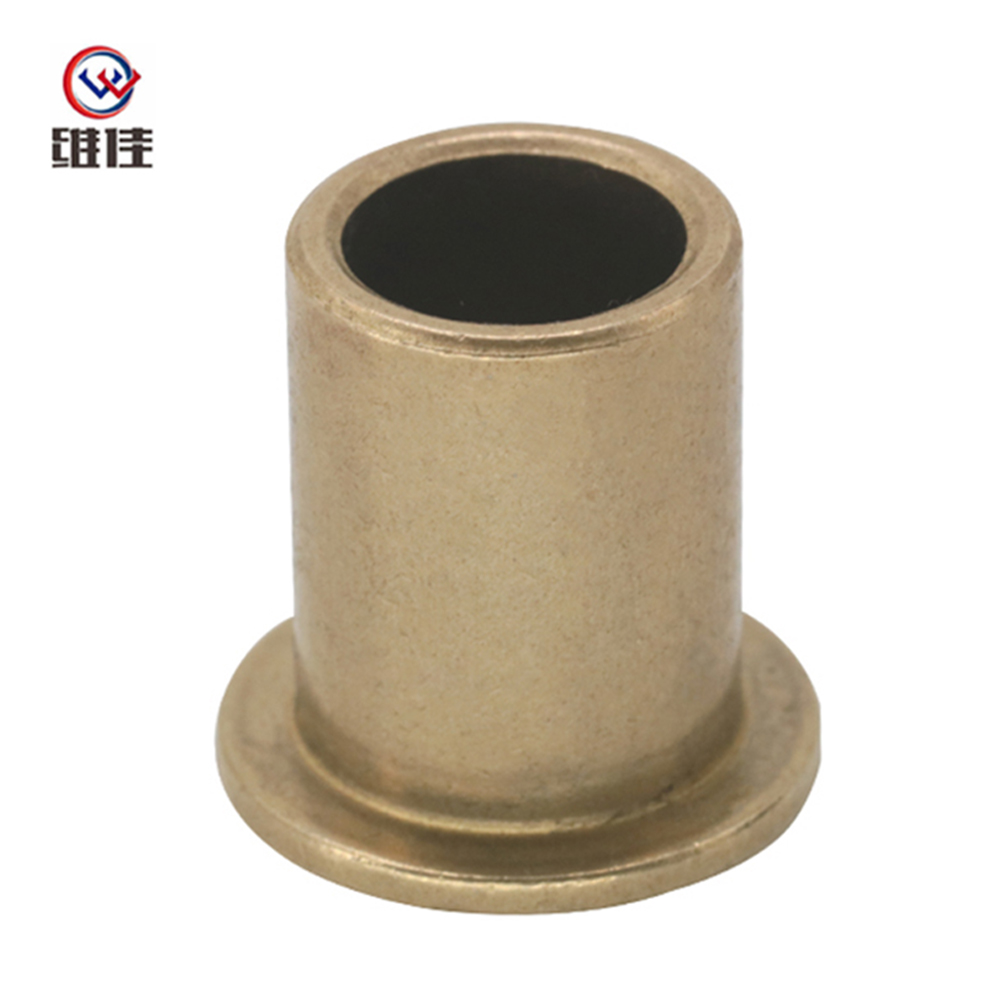
Our sintered bronze self-lubricating bearings are engineered for demanding industrial applications where traditional lubrication is impractical. Designed with advanced powder metallurgy technology, th...
See Details
Copyright © Jiande Welfine Technology Co., Ltd. All Rights Reserved. Custom Self-lubricating Sintered Bushing Manufacturers
