E-mail us: [email protected]
Tel: +86-15239857375
 English
 中文简体
中文简体

 Home / Author / Luo Qian — Product Sales Supervisor / High Performance Sintered Self-Lubricating Bushings for High-Load Applications
 High Performance Sintered Self-Lubricating Bushings for High-Load Applications
 2026.07.22
 Luo Qian — Product Sales Supervisor
Content
- 1 What Are Sintered Self-Lubricating Bushings?
- 2 Why Self-Lubrication Matters in Modern Machinery
- 3 Core Performance Advantages of High-Performance Sintered Bushings
- 4 Material Structure and Lubrication Mechanism
- 5 Powder Metallurgy Manufacturing Process
- 6 Manufacturing Strengths and Technical Capabilities
- 7 Advantages Over Conventional Machined Bushings
- 8 Application Areas
- 9 How to Select the Correct High-Load Sintered Bushing
- 10 Installation and Maintenance Recommendations
- 11 Quality Assurance from Development to Delivery
- 12 Cost and Sustainability Benefits
- 13 Why Choose an Experienced Customized Manufacturer?
- 14 Technical Comparison of Important Performance Factors
- 15 Frequently Asked Questions
- 15.1 What Is a Self-Lubricating Sintered Bushing?
- 15.2 Can a Sintered Bushing Handle High Loads?
- 15.3 Are Oil-Impregnated Bushings Completely Maintenance-Free?
- 15.4 What Is the Difference Between an Oil-Impregnated and Solid-Lubricant Bushing?
- 15.5 What Operating Temperature Can These Bushings Support?
- 15.6 Can the Bushings Be Customized?
- 15.7 What Information Should Be Provided for a Custom Bushing Project?
- 15.8 How Does Powder Metallurgy Reduce Production Cost?
- 15.9 How Can Sintered Bushings Improve Equipment Reliability?
- 15.10 Does the Manufacturer Support Automotive Applications?
- 15.11 What Certifications Does the Manufacturer Have?
- 16 Conclusion
- 17 References
- 18 Product: High Performance Sintered Self-lubricating Bushings
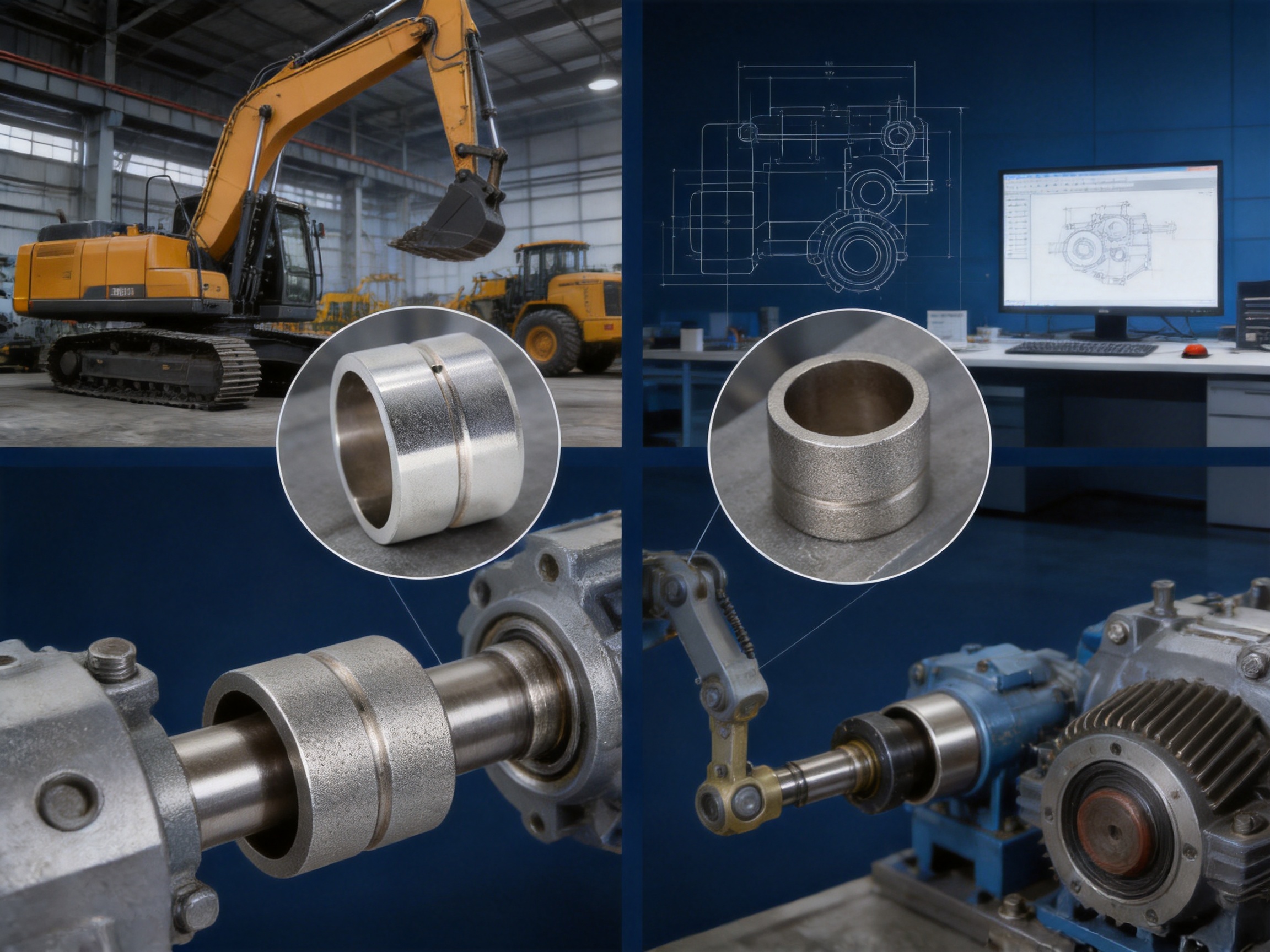
High-performance sintered self-lubricating bushings are engineered to support reliable motion in machinery exposed to continuous friction, heavy loads, vibration, temperature variation, and demanding operating environments. Unlike many conventional machined bushings that depend on frequent external lubrication, sintered bushings use a carefully controlled porous structure and a suitable lubricant system to reduce friction during operation. This design can lower maintenance requirements, improve running stability, and extend the service life of connected components.
These bushings are suitable for rotating, oscillating, and reciprocating movements. They can be used in industrial machinery, automotive systems, agricultural equipment, construction machinery, power transmission systems, hydraulic equipment, material-handling systems, and other applications where stable bearing performance is essential.
The performance of a sintered bushing is determined by more than its basic shape. Material composition, powder selection, compaction pressure, sintering temperature, porosity, oil retention, dimensional accuracy, surface finish, and post-processing all influence the finished component. For this reason, a dependable manufacturing partner must combine powder metallurgy expertise with strict process control, precision machining, inspection capability, and application-specific engineering support.
Jiande Welfine Technology Co., Ltd. has focused on powder metallurgy sintering and related precision machining since its establishment in 2001. The company provides powder metallurgy bushings, self-lubricating bushings, and customized precision components for industrial customers. With a 13,039-square-meter production base, more than 150 skilled employees, advanced manufacturing equipment, and certified quality management systems, the company supports OEM and ODM projects based on customer drawings, samples, or technical requirements.
What Are Sintered Self-Lubricating Bushings?
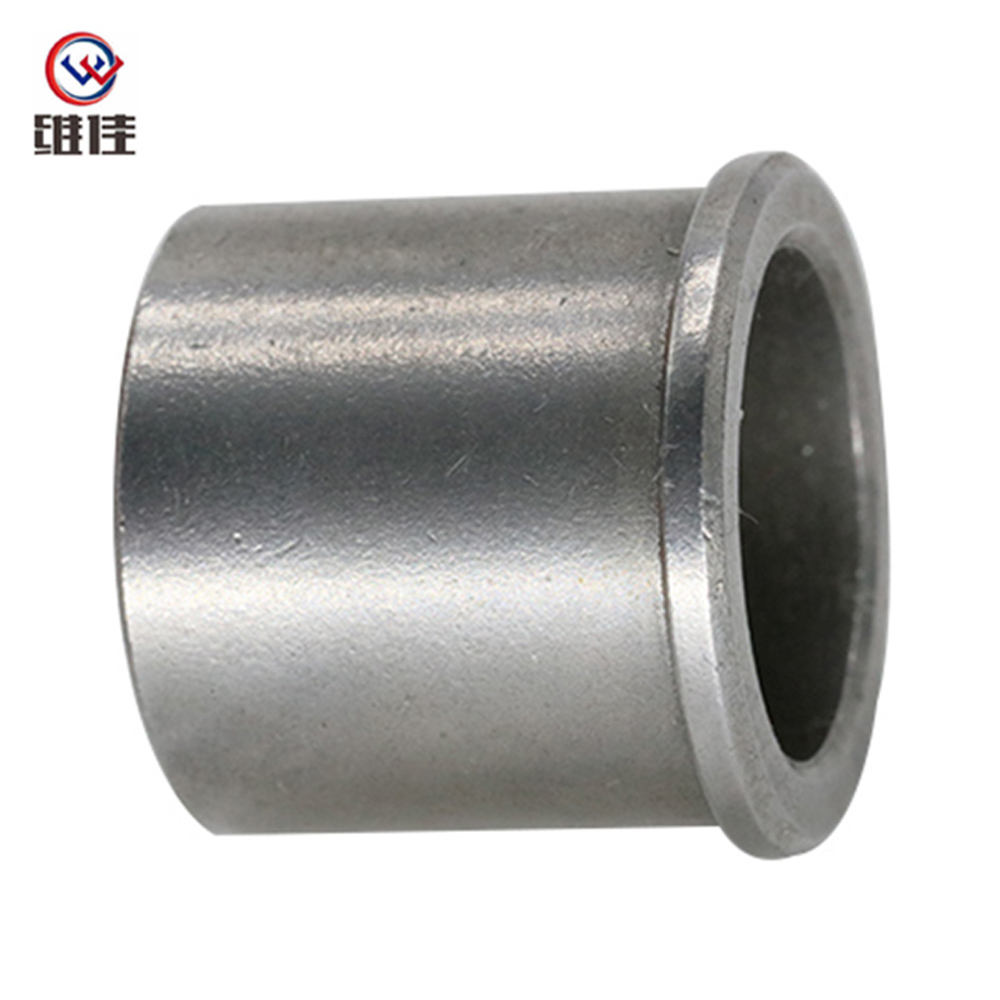
A sintered self-lubricating bushing is a sleeve-shaped bearing manufactured from compacted metal powder. The powder is pressed into a mold and then heated in a controlled atmosphere at a temperature below the melting point of the primary metal. During sintering, the powder particles bond together and form a solid structural body containing interconnected or controlled pores.
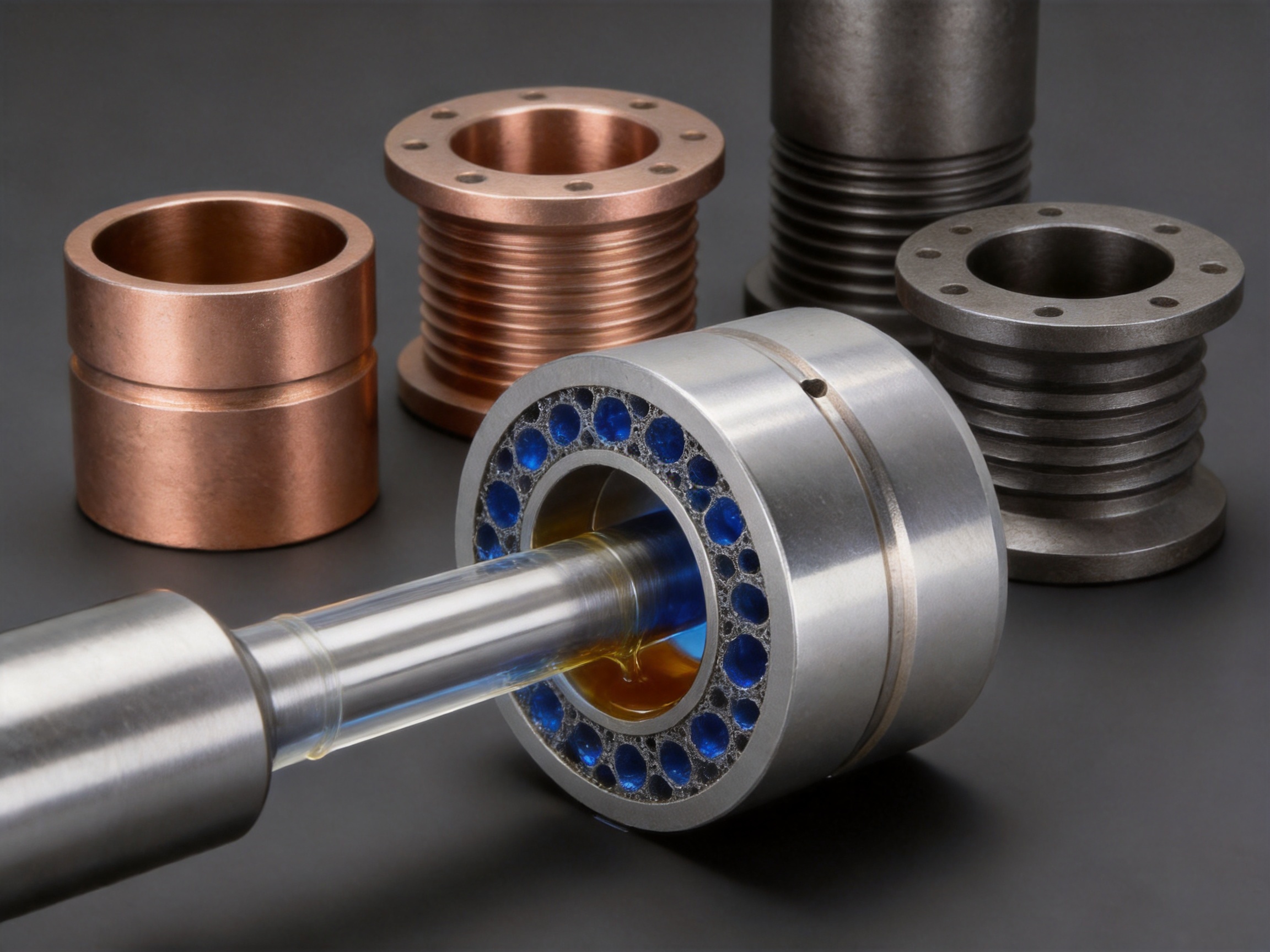
Depending on the product design, these pores may be impregnated with lubricating oil. During operation, heat, pressure, and capillary action encourage the lubricant to migrate toward the bearing surface. A thin lubricating film is created between the bushing and the mating shaft, reducing direct metal-to-metal contact. When the bushing cools or stops, some of the oil can return to the porous structure, allowing the system to retain a self-replenishing lubrication function.
Other high-performance formulations may incorporate solid lubricants such as graphite or molybdenum disulfide. These materials can form a low-shear transfer film on the working surface. Such formulations are useful when oil lubrication is unsuitable or when the bushing must operate in dusty, corrosive, high-temperature, or otherwise restricted environments.
The final product can therefore be configured according to the application. An oil-impregnated sintered bushing is often selected for continuous rotating motion and efficient low-friction performance. A solid-lubricant sintered bushing may be preferred for certain oscillating, reciprocating, high-temperature, or maintenance-restricted applications. Material composition and lubrication design should always be selected according to load, speed, temperature, atmosphere, shaft material, and duty cycle.
Why Self-Lubrication Matters in Modern Machinery
External lubrication systems can be effective, but they are not always practical. Grease fittings, oil lines, reservoirs, and automatic lubrication devices increase system complexity and may require regular inspection. In remote, enclosed, contaminated, or difficult-to-access machinery, maintenance personnel may not be able to replenish lubricant at the required intervals.
Self-lubricating bushings address this challenge by incorporating lubrication into the bearing structure. The bushing is supplied with a controlled quantity of lubricant or solid lubrication capability before installation. This reduces dependence on frequent manual lubrication and helps maintain a more stable friction condition during normal operation.
Self-lubrication can provide several practical advantages:
- Reduced maintenance frequency during normal service.
- Lower risk of seizure caused by insufficient external lubricant.
- Cleaner operation in applications where grease contamination is undesirable.
- Improved suitability for enclosed assemblies and difficult-to-reach locations.
- More consistent friction performance during repeated motion.
- Lower equipment downtime associated with lubrication maintenance.
- Reduced requirement for additional lubrication hardware.
Self-lubrication does not mean that every bushing can operate under all loads, speeds, and temperatures without any engineering limitations. The shaft surface, alignment, installation clearance, load direction, operating cycle, and environment remain important. Correct product selection and application design are necessary to achieve the expected service life.
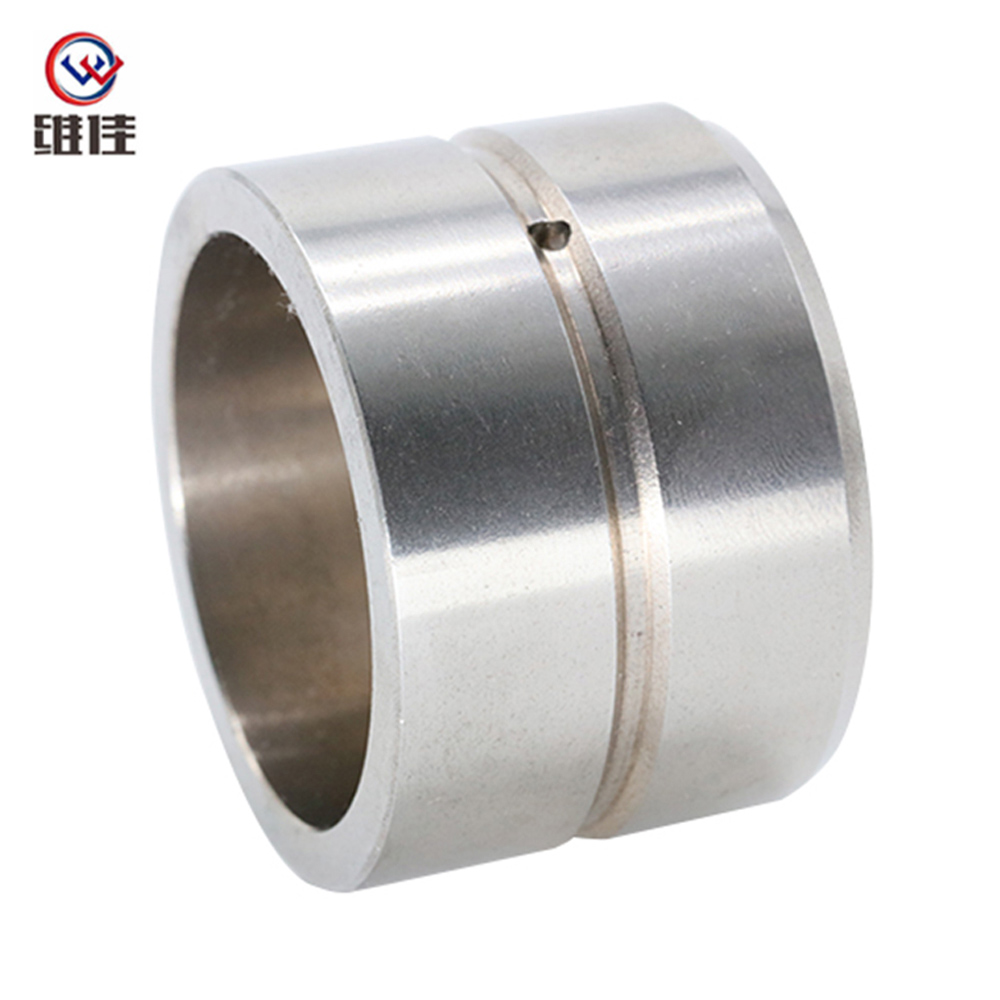
High Performance Sintered Self-lubricating Bushings
Core Performance Advantages of High-Performance Sintered Bushings
High Load Capacity
High-load applications require a bushing that can resist deformation while maintaining stable clearance and alignment. The load capacity of a sintered bushing is influenced by density, alloy composition, compaction quality, sintering uniformity, geometry, and the distribution of porosity.
Iron-based and iron-copper sintered alloys can provide strong support for static and dynamic loads. Copper contributes favorable friction and thermal characteristics, while iron-based structures can deliver high mechanical strength and wear resistance. By adjusting the powder blend and density profile, manufacturers can balance structural strength with the porosity required for lubrication.
A properly engineered high-load bushing helps reduce the risk of:
- Permanent deformation under radial or axial force.
- Loss of dimensional stability during long operating cycles.
- Excessive shaft movement caused by clearance growth.
- Misalignment between connected components.
- Premature fatigue or surface damage.
Typical iron-based bushing densities may fall within approximately 6.2 to 7.2 g/cm³, depending on the composition and required performance. However, density alone does not define product quality. A well-controlled density distribution, consistent sintering process, and suitable post-machining operation are equally important.
Wear Resistance
Wear resistance determines how well the bushing maintains its shape, surface condition, and functional clearance over time. In heavy-duty machinery, wear can be accelerated by high contact pressure, contamination, poor alignment, vibration, interrupted lubrication, or an unsuitable shaft surface.
High-performance sintered bushings are designed to reduce wear through a combination of material strength, controlled porosity, surface finish, and lubrication-film stability. The internal lubricant or solid-lubricant phase reduces direct contact between the bushing and shaft. As a result, the sliding interface can operate with lower frictional damage than an unlubricated metal surface.
Important factors affecting wear resistance include:
- Alloy composition and hardness.
- Uniformity of the sintered microstructure.
- Correct bearing density and porosity.
- Surface finish and dimensional accuracy.
- Stability of the lubrication film.
- Compatibility between the bushing and shaft materials.
- Cleanliness of the operating environment.
Depending on composition and processing, material hardness may vary significantly. A typical iron-based product may have a hardness within an approximate HRB 50–90 range, but the correct value depends on the application and the selected grade. Surface roughness may also be controlled within a typical Ra 0.8–3.2 micrometer range when machining or finishing is required.
Low and Stable Friction
Friction stability is especially important in equipment that performs repeated movement. Fluctuating friction can cause vibration, noise, energy loss, heat generation, and inconsistent positioning. A self-lubricating bushing helps create a more stable sliding condition by maintaining a lubricating film or transfer layer at the contact surface.
For suitable applications, friction coefficients may fall within an approximate range of 0.05–0.15. Actual performance depends on load, speed, temperature, surface finish, lubrication type, shaft material, and environmental conditions. The value should therefore be treated as an application reference rather than a universal guarantee.
Stable friction can improve:
- Motion smoothness during start-up and continuous operation.
- Energy efficiency in rotating or oscillating assemblies.
- Positioning consistency in automation systems.
- Noise and vibration control.
- Thermal management at the sliding interface.
- Operating life of the shaft and surrounding components.
Thermal Stability
Heat is generated whenever two surfaces move against each other. If frictional heat cannot be dissipated, the lubricant may degrade, the clearance may change, and the bushing may experience accelerated wear. High-performance sintered bushings are designed to provide stable operation over a broad range of working conditions.
Oil-impregnated products may commonly be used within an approximate range of -20°C to 120°C, depending on the oil type, material system, speed, load, and surrounding components. Products that use graphite, molybdenum disulfide, or other solid lubricants may be considered for higher-temperature or oil-restricted environments. The actual maximum temperature must be confirmed for the selected formulation and duty cycle.
Thermal stability is supported by:
- Appropriate alloy selection.
- Consistent sintering atmosphere and temperature.
- Controlled dimensional tolerances.
- Suitable lubricant selection.
- Effective heat transfer through the surrounding housing.
- Correct shaft clearance and surface condition.
Resistance to Shock and Vibration
Construction equipment, agricultural machinery, material-handling systems, and industrial automation equipment often experience impact loads and vibration. A bushing used in these systems must do more than support a steady radial load. It must also tolerate changing force direction and intermittent shock.
Sintered metal structures can provide a useful combination of compressive strength and wear resistance. When the bushing geometry and density are correctly designed, the component can support repeated mechanical stress while maintaining functional stability. For severe impact applications, the housing fit, shaft support, alignment, and load distribution must be evaluated together with the bushing material.
Material Structure and Lubrication Mechanism
One of the main advantages of powder metallurgy is the ability to create a controlled internal structure. The manufacturing process can be adjusted to produce a specific balance between density, strength, porosity, and lubricant retention.
High-performance bushings may use iron-copper sintered alloys, copper-based alloys, iron-based alloys, or other application-specific powder combinations. An iron-copper structure can provide a strong load-bearing framework while supporting suitable friction and thermal behavior. Additional alloying elements may be used to improve hardness, wear resistance, corrosion behavior, or dimensional stability.
In an oil-impregnated bushing, the pores act as a reservoir. The lubricant fills a controlled portion of the internal volume. When the bearing begins to rotate or oscillate, frictional heat and contact pressure encourage the oil to reach the surface. A thin film reduces direct contact and supports smooth movement. When operation stops, the oil can be partially reabsorbed into the porous structure.
In a solid-lubricant design, graphite or molybdenum disulfide can create a low-shear layer at the contact interface. This layer separates sliding surfaces and reduces friction even when an external oil supply is unavailable. Solid-lubricant formulations are particularly useful in applications involving dust, radiation, corrosive conditions, high temperatures, or restricted maintenance access.
The lubrication mechanism must be matched to the operating environment. Oil-impregnated bearings are generally effective in many rotating applications, while dry or solid-lubricated materials may be more appropriate when oil evaporation, contamination, or chemical compatibility is a concern.
Balancing Strength and Porosity
A higher density usually improves mechanical strength and load capacity, but excessive density may reduce the pore volume available for oil storage. Conversely, excessive porosity may reduce compressive strength and dimensional stability. The most suitable structure is therefore a controlled balance rather than the maximum possible density.
Manufacturing precision is essential because inconsistent porosity can cause uneven lubrication, localized wear, or variation in mechanical performance. Powder preparation, blending, mold filling, compaction, sintering, sizing, and final inspection all influence the final balance.
Powder Metallurgy Manufacturing Process
Powder Selection and Preparation
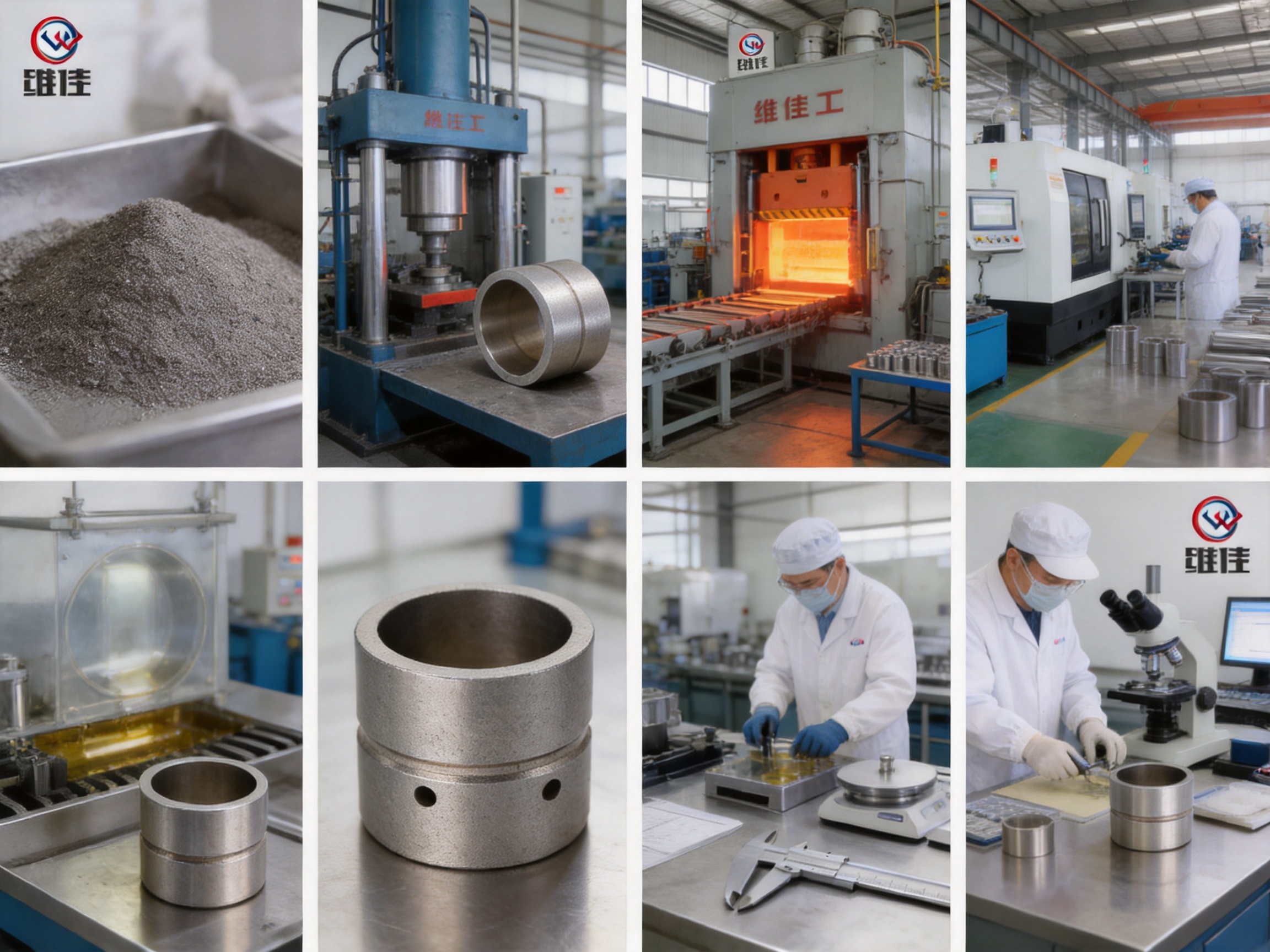
The manufacturing process begins with the selection of metal powders and lubricant additives according to the required performance. Particle size, shape, purity, flowability, compressibility, and chemical composition influence the behavior of the powder during pressing and sintering.
For high-load bushing applications, the powder formulation must support the required compressive strength and wear resistance. For oil-impregnated products, the formulation must also create an appropriate pore network. When solid lubrication is required, graphite, molybdenum disulfide, or another suitable additive may be incorporated into the mixture.
Powder blending must be controlled to reduce segregation and ensure consistent composition throughout the production batch. Uniform blending contributes to stable density, hardness, porosity, and friction performance.
Compaction and Forming
After preparation, the powder is placed into a precision mold and compacted under controlled pressure. The mold defines the basic bushing geometry, including the outside diameter, inside diameter, flange, grooves, steps, oil holes, or other features.
Compaction pressure must be carefully controlled. Inadequate pressure may produce a weak or dimensionally unstable compact, while excessive or uneven pressure can create density variation, cracking, or ejection problems. Modern high-efficiency presses and precision forming machines help maintain repeatable production conditions.
The design of the tooling is also important. Proper die construction supports consistent filling, even pressure distribution, and efficient removal of the compact. For OEM and ODM projects, tooling can be developed according to customer drawings, samples, and production volume requirements.
Controlled-Atmosphere Sintering
The compacted part is heated in a sintering furnace under a controlled atmosphere. The temperature profile must be carefully managed to remove binders or processing residues, promote particle bonding, and achieve the desired microstructure without distortion or excessive oxidation.
Sintering temperature stability is essential. Differences in heating rate, holding time, atmosphere, or cooling conditions can affect strength, hardness, dimensional change, and porosity. High-temperature sintering furnaces with appropriate process monitoring help manufacturers produce consistent parts across production batches.
During sintering, the component develops its structural integrity. The metal particles bond at their contact points, producing a strong porous body. The degree of bonding and the final density depend on the powder formulation and the sintering cycle.
Sizing and Precision Machining
After sintering, the bushing may undergo sizing, calibration, turning, grinding, honing, drilling, or other precision machining operations. These processes improve dimensional accuracy and help achieve the required fit between the bushing, shaft, and housing.
Precision machining is especially important for applications that require strict internal diameter tolerances, controlled clearance, high concentricity, or a specific surface finish. The correct clearance allows the shaft to move freely while ensuring adequate support and lubricant distribution.
Additional operations may include chamfering, grooving, oil-hole production, flange machining, surface treatment, cleaning, and marking. The selected process depends on product geometry and customer requirements.
Oil Impregnation or Solid-Lubricant Treatment
For oil-impregnated bushings, the sintered parts are placed in a controlled impregnation process. Air may be removed from the pores before the bearing is exposed to the selected oil. Pressure or vacuum methods can help fill the internal pore structure more consistently.
The oil type must be selected according to the expected temperature, speed, load, chemical environment, and compatibility requirements. After impregnation, excess surface oil is controlled so that the bushing can be handled, packaged, and installed appropriately.
For solid-lubricant bushings, the lubricant may be incorporated into the powder mixture before compaction or applied through a suitable post-processing method. The objective is to create a stable low-friction phase that remains effective during the intended service cycle.
Inspection and Testing
Quality control should be performed throughout the manufacturing process rather than only at the final stage. Inspection may include raw-material verification, dimensional measurement, density testing, hardness testing, porosity evaluation, surface-finish inspection, oil-retention measurement, and functional wear testing.
Depending on the application, performance testing may evaluate friction coefficient, wear rate, load capacity, temperature behavior, rotational durability, oscillating durability, or resistance to intermittent lubrication. Testing conditions should reflect the customer’s real operating requirements wherever possible.
Documented inspection procedures help identify variation early and support traceability. This is particularly important for automotive, industrial automation, power transmission, and other applications where consistent component quality is necessary.
Manufacturing Strengths and Technical Capabilities
Jiande Welfine Technology Co., Ltd. integrates research and development, powder metallurgy production, precision machining, and sales support. This integrated structure enables the company to manage the product from material selection through forming, sintering, finishing, inspection, and delivery.
More Than Two Decades of Industry Experience
Established in 2001, the company has more than 20 years of experience in powder metallurgy sintering and related precision machining. This experience supports practical decision-making in material selection, tooling design, production control, and application development.
Long-term experience is valuable because bushing performance depends on the interaction of multiple factors. A component may meet a dimensional drawing and still fail if the material, surface finish, porosity, shaft clearance, or lubrication system is not suitable. An experienced manufacturer can evaluate the complete operating condition rather than focusing only on a single specification.
Modern Production Base
The company operates a 13,039-square-meter production base equipped with high-efficiency presses, high-temperature sintering furnaces, precision forming machines, and testing equipment. A properly organized production facility supports efficient material flow, controlled processing, and stable output for both standard and customized products.
Production capacity is important for customers that require repeat orders, multiple sizes, or long-term supply. Consistent tooling, documented process parameters, and controlled inspection procedures can reduce variation between batches and support reliable assembly performance.
OEM and ODM Customization
Many bushing applications require more than a standard catalog size. Customers may need a special flange, oil groove, shoulder, slot, stepped profile, non-standard wall thickness, customized tolerance, or application-specific material formulation.
The company provides OEM and ODM support based on customer drawings or samples. The development process can include drawing review, material recommendation, tooling design, prototype production, dimensional verification, functional testing, and mass-production planning.
Customization may address:
- Inside diameter and outside diameter.
- Length, flange size, and external profile.
- Housing and shaft fit requirements.
- Load direction and movement type.
- Oil retention and lubricant selection.
- Temperature and environmental conditions.
- Surface finish and dimensional tolerances.
- Packaging, marking, and delivery requirements.
Certified Quality Management
Jiande Welfine Technology Co., Ltd. has passed ISO 9001:2015 and IATF 16949:2016 certifications. These systems support structured quality management, documented procedures, corrective action, process control, and continual improvement.
ISO 9001:2015 provides a framework for consistent quality management and customer-focused processes. IATF 16949:2016 is especially relevant to automotive supply chains, where traceability, process capability, risk management, and defect prevention are critical. Certification does not replace product-specific testing, but it demonstrates that the company operates within recognized management systems.
Skilled Workforce and Technical Collaboration
With more than 150 skilled employees, the company combines manufacturing experience with technical and production support. Skilled personnel are necessary for monitoring press operation, sintering conditions, machining accuracy, inspection requirements, tooling maintenance, and production scheduling.
Close cooperation among engineering, production, quality, and customer-service teams can shorten development cycles and reduce misunderstandings during custom projects. It also helps ensure that the final bushing reflects both the drawing requirements and the actual working conditions.
Advantages Over Conventional Machined Bushings
Conventional machined bushings remain useful for many applications, particularly where a solid material, special geometry, or high precision is required. However, sintered self-lubricating bushings offer distinctive advantages in applications where low maintenance, efficient production, and integrated lubrication are important.
| Performance or Production Factor | Sintered Self-Lubricating Bushing | Conventional Machined Bushing |
| Lubrication Method | Internal oil storage or integrated solid lubricant | Usually requires external oil or grease |
| Maintenance Requirement | Low under suitable operating conditions | Often higher because lubricant must be replenished |
| Material Utilization | Near-net-shape forming can reduce material waste | Machining may remove a significant amount of material |
| Mass Production Efficiency | Suitable for repeat production after tooling is established | Production time may increase with machining complexity |
| Friction Stability | Supported by stored oil or solid-lubricant transfer film | Depends strongly on external lubrication condition |
| Complexity of Maintenance System | Can reduce the need for grease fittings and oil lines | May require additional lubrication components |
| Material Flexibility | Powder composition and porosity can be engineered | Usually depends on available solid bar or tube material |
| Typical Application Benefit | Effective for repeated motion and maintenance-restricted locations | Useful where solid-section strength or special machining is required |
The greatest advantage of sintered technology is not that it replaces every other bushing type. Instead, it provides a specialized solution where controlled porosity, integrated lubrication, efficient production, and stable wear performance deliver greater value than a fully solid machined component.
Application Areas
Industrial Machinery
Industrial machinery often operates for long periods and may include numerous rotating or oscillating joints. Self-lubricating bushings can support shafts, levers, rollers, guide mechanisms, and linkages while reducing routine lubrication work.
In enclosed equipment, the bushing can be installed inside a housing where access is limited. The compact design and integrated lubrication function may simplify assembly and reduce the number of service points.
Automotive Components
Automotive systems require repeatable performance, controlled noise, compact dimensions, and resistance to vibration. Sintered bushings may be used in transmission-related mechanisms, engine accessories, actuators, hinges, pumps, dampers, and other moving assemblies.
Automotive applications also require strong process control. Dimensional consistency, traceability, material control, and validated production processes are important because even small variations can affect assembly fit and functional performance.
Construction Machinery
Construction equipment operates under heavy loads, impact, contamination, and changing weather conditions. Bushings used in joints, linkages, hydraulic mechanisms, and rotating connections must withstand demanding duty cycles.
High-load sintered bushings can be designed to support compressive force and repeated motion. For extremely contaminated or impact-heavy environments, the complete assembly should be designed with suitable sealing, shaft protection, clearance, and inspection intervals.
Agricultural Equipment
Agricultural machinery is exposed to dust, soil, moisture, vibration, and seasonal operating cycles. Maintenance access may be limited during critical working periods. A self-lubricating bushing can help reduce lubrication requirements in selected pivoting and rotating mechanisms.
Material and surface selection should consider moisture, fertilizer residues, cleaning practices, and storage conditions. Protective housing and appropriate installation procedures can further improve service life.
Power Transmission Systems
Power transmission systems depend on stable movement and accurate alignment. Bushings may be used in gear-related mechanisms, tensioning systems, linkage assemblies, and support points. Low friction and controlled wear help prevent excessive play and maintain system efficiency.
Hydraulic and Material-Handling Equipment
Hydraulic systems and material-handling equipment frequently contain repeated pivoting or sliding joints. These systems benefit from components that require limited maintenance and can tolerate regular load changes.
When a bushing is installed near hydraulic fluid, seals, or other chemical substances, material compatibility must be checked. The selected oil impregnation system should not adversely react with surrounding fluids or elastomeric components.
Aerospace and High-Temperature Equipment
Aerospace and high-temperature applications place strict demands on weight, reliability, dimensional stability, and environmental resistance. Sintered bushing formulations containing suitable solid lubricants may be considered when conventional oil lubrication is restricted.
Such applications require detailed validation. Temperature, pressure, speed, vibration, radiation exposure, outgassing requirements, and chemical compatibility should be evaluated before product approval.
Industrial Automation
Automation equipment often uses repeated reciprocating or oscillating motion. Stable friction is important for positioning accuracy, cycle consistency, and reduced vibration. Self-lubricating bushings can support compact mechanisms while reducing the need for frequent service intervention.
For high-frequency motion, the design engineer should consider acceleration, stroke length, duty cycle, load distribution, and heat generation. A bushing that performs well during low-speed rotation may require a different formulation for rapid reciprocating movement.
How to Select the Correct High-Load Sintered Bushing
Define the Load
Start by identifying the radial, axial, static, dynamic, and impact loads applied to the bushing. The maximum load should be considered together with the load duration and frequency. A short intermittent load may affect the design differently from a continuous load applied over thousands of operating hours.
Load distribution should also be reviewed. Edge loading caused by misalignment can create localized pressure significantly higher than the nominal average. Housing rigidity, shaft support, and assembly tolerances influence the actual contact condition.
Determine the Movement Type
Specify whether the bushing will be used for continuous rotation, intermittent rotation, oscillation, reciprocation, or a combination of movements. The speed and movement pattern affect friction, heat generation, lubricant migration, and wear.
Oscillating and reciprocating applications may not allow lubricant to redistribute in the same way as continuous rotation. Therefore, the bushing formulation and surface design should be selected for the actual motion pattern.
Evaluate Speed and Temperature
Speed and load work together to generate heat. The product selection should consider the pressure-velocity relationship, operating temperature, start-stop frequency, and heat dissipation through the housing and shaft.
Oil-impregnated products are appropriate for many general industrial conditions, while solid-lubricant materials may be better for higher-temperature or oil-restricted environments. The manufacturer should confirm the recommended temperature and speed limits for the selected grade.
Check Shaft and Housing Conditions
The mating shaft should have suitable hardness, roundness, straightness, and surface finish. A rough, soft, damaged, or improperly aligned shaft can accelerate bushing wear regardless of the bushing material.
The housing must provide sufficient support and correct interference or clearance. Excessive interference may reduce the internal diameter after installation, while insufficient interference may allow movement between the bushing and housing. Installation tolerances should be defined according to the material system and operating temperature.
Consider the Environment
Dust, water, chemicals, radiation, vacuum, humidity, and corrosive gases can affect both the bushing and lubricant. Environmental conditions should be identified during the design stage.
For dusty conditions, sealing and contamination control are important. For corrosive environments, material selection and surface protection may be required. For high-temperature or radiation-related applications, the lubricant system must be evaluated separately from the metal structure.
Installation and Maintenance Recommendations
Correct installation is essential to achieve the expected performance of a sintered bushing. Before assembly, verify that the shaft and housing are clean, free from burrs, and within the specified dimensional tolerances.
Do not force the bushing into the housing using an uneven impact. A suitable press, mandrel, or installation tool should apply force evenly and concentrically. The tool should contact the appropriate surface and avoid damaging the bearing edge or internal diameter.
After installation, check the internal diameter and shaft fit. The bushing should not bind during movement. Excessive clearance may cause vibration and impact, while insufficient clearance may create frictional heating and seizure.
For oil-impregnated bushings, avoid washing the component with solvents that can remove the stored lubricant unless a specific cleaning procedure has been approved. Store finished products in clean, dry packaging and protect them from contamination before installation.
Although self-lubricating bushings reduce maintenance, the surrounding system should still be inspected. Check for unusual noise, temperature increase, shaft scoring, excessive play, seal damage, contamination, and changes in movement resistance. Early detection can prevent damage to the shaft and housing.
Quality Assurance from Development to Delivery
A reliable bushing supplier should provide quality assurance at each stage of the product lifecycle. During development, the supplier should review the drawing, application conditions, material requirements, and expected service life. During production, process parameters should be monitored and documented. During final inspection, the product should be verified against the approved specifications.
Quality assurance may include:
- Raw-material inspection and batch identification.
- Powder blending and composition control.
- Tooling verification and maintenance.
- Compaction-pressure monitoring.
- Sintering temperature and atmosphere control.
- Dimensional and geometric inspection.
- Density, hardness, and porosity testing.
- Surface-finish measurement.
- Oil-retention or lubrication assessment.
- Wear and friction testing when required.
- Final packaging and shipment verification.
For customized components, first-article inspection is useful before mass production. Samples can be checked for dimensions, assembly fit, functional behavior, and compatibility with the customer’s equipment. Feedback from the sample stage can then be incorporated into tooling or process adjustments.
Cost and Sustainability Benefits
Powder metallurgy can reduce material waste because components are formed close to their final shape. Compared with machining a bushing from solid bar or tube stock, sintered production may reduce cutting operations, material removal, and processing time, especially in large-volume production.
Tooling investment must be considered during the initial project stage. However, once suitable tooling is established, repeat production can become efficient and consistent. This makes sintered bushings attractive for automotive, appliance, industrial equipment, and other applications requiring stable quantities over an extended supply period.
Self-lubricating operation can also reduce the consumption of external grease and oil. Lower maintenance frequency may reduce service visits, replacement parts, equipment downtime, and lubricant disposal. These benefits depend on the application and should be evaluated together with the complete product lifecycle.
Responsible manufacturing also requires control of energy use, material handling, waste, and process emissions. A structured quality and environmental approach can support more efficient production while maintaining the required performance of the finished bushing.
Why Choose an Experienced Customized Manufacturer?
High-load bushings are application-specific components. A standard dimension may fit mechanically but still fail to provide the required life if the material or lubrication system is unsuitable. Working with an experienced manufacturer can help identify the correct balance between load capacity, porosity, wear resistance, friction, and cost.
Jiande Welfine Technology Co., Ltd. supports customers with integrated R&D, production, precision machining, and quality-management capabilities. The company’s experience in powder metallurgy allows it to evaluate not only the external dimensions of a bushing but also the internal structure and manufacturing route required to achieve stable performance.
The company’s capabilities are supported by:
- Establishment in 2001 and more than 20 years of industry experience.
- A 13,039-square-meter modern production base.
- More than 150 skilled employees.
- High-efficiency powder compacting presses.
- High-temperature sintering furnaces.
- Precision forming and machining equipment.
- Product testing and inspection resources.
- OEM and ODM production based on drawings or samples.
- ISO 9001:2015 quality management certification.
- IATF 16949:2016 automotive quality management certification.
This combination supports both standard product supply and customized development. Customers can discuss material selection, geometry, tolerances, lubrication requirements, testing plans, packaging, and long-term production needs with one manufacturing partner.
Technical Comparison of Important Performance Factors
| Factor | Effect on Bushing Performance | Manufacturing or Design Consideration |
| Density | Influences strength, load capacity, and dimensional stability | Control powder formulation and compaction pressure |
| Porosity | Provides oil storage or space for controlled lubrication | Balance lubricant retention with mechanical strength |
| Material Hardness | Affects resistance to deformation and abrasive wear | Select alloy and sintering conditions for the duty cycle |
| Surface Finish | Influences friction, running-in, and shaft wear | Use sizing, machining, grinding, or honing as required |
| Oil Retention | Supports long-term self-lubricating performance | Control pore structure and impregnation conditions |
| Lubricant Type | Determines temperature, speed, and environmental suitability | Choose oil or solid lubricant according to service conditions |
| Dimensional Tolerance | Determines assembly fit and operating clearance | Apply precision forming and post-sinter machining |
| Sintering Uniformity | Affects strength, hardness, wear, and consistency | Maintain furnace temperature, atmosphere, and cycle control |
Frequently Asked Questions
What Is a Self-Lubricating Sintered Bushing?
A self-lubricating sintered bushing is a porous metal bearing produced by compacting and sintering metal powder. The pores can store lubricating oil, or the material can contain solid lubricants such as graphite or molybdenum disulfide. During operation, the lubrication system reduces friction and wear at the sliding interface.
Can a Sintered Bushing Handle High Loads?
Yes, a properly designed and manufactured sintered bushing can handle substantial static and dynamic loads. Load capacity depends on material composition, density, geometry, shaft condition, housing support, movement, speed, and operating temperature. The bushing should be selected using the actual application data rather than load alone.
Are Oil-Impregnated Bushings Completely Maintenance-Free?
They can significantly reduce routine lubrication maintenance, but no bearing should be considered completely maintenance-free in every environment. The assembly should still be inspected for contamination, excessive clearance, shaft damage, overheating, abnormal noise, and other signs of wear.
What Is the Difference Between an Oil-Impregnated and Solid-Lubricant Bushing?
An oil-impregnated bushing stores liquid lubricant in its pores and releases it to the working surface during operation. A solid-lubricant bushing uses materials such as graphite or molybdenum disulfide to form a low-friction transfer film. Oil-impregnated products are widely used in many rotating applications, while solid-lubricant products may be preferred for certain high-temperature, contaminated, or oil-restricted conditions.
What Operating Temperature Can These Bushings Support?
The suitable temperature range depends on the alloy, lubricant, speed, load, and environment. A common reference range for some oil-impregnated products is approximately -20°C to 120°C, but the actual limit must be confirmed for the selected grade. Solid-lubricant formulations may be considered for higher-temperature applications.
Can the Bushings Be Customized?
Yes. Customization may include the inside diameter, outside diameter, length, flange, groove, oil hole, material composition, density, surface finish, tolerance, and lubrication system. Jiande Welfine Technology Co., Ltd. provides OEM and ODM services based on customer drawings, samples, or application requirements.
What Information Should Be Provided for a Custom Bushing Project?
Useful information includes the bushing dimensions, shaft material and hardness, housing material, radial and axial loads, speed, movement type, temperature, environment, operating cycle, expected service life, lubrication restrictions, installation method, and annual quantity. A drawing or sample can further improve the accuracy of the technical evaluation.
How Does Powder Metallurgy Reduce Production Cost?
Powder metallurgy forms components close to their final shape, which can reduce material waste and machining time. After tooling is established, repeat production can be efficient and consistent. The cost advantage is particularly strong for medium- and high-volume products with stable geometry.
How Can Sintered Bushings Improve Equipment Reliability?
They can reduce friction, stabilize movement, limit wear, and decrease dependence on external lubrication. Their porous structure supports oil storage or solid lubrication, while the sintered metal framework provides load-bearing strength. Correct installation and application-specific selection are still essential.
Does the Manufacturer Support Automotive Applications?
Yes. The company has IATF 16949:2016 certification and provides powder metallurgy components for demanding industrial and automotive-related applications. Automotive projects can be supported through controlled production, inspection, traceability, and customized OEM or ODM development.
What Certifications Does the Manufacturer Have?
Jiande Welfine Technology Co., Ltd. has passed ISO 9001:2015 and IATF 16949:2016 certifications. These certifications support structured quality-management processes and are complemented by product-specific inspection and testing requirements.
Conclusion
High-performance sintered self-lubricating bushings provide a practical solution for equipment that requires dependable motion, high load capacity, controlled friction, wear resistance, and reduced maintenance. Their powder metallurgy structure can be engineered to combine mechanical strength with oil retention or solid-lubricant performance. This makes them suitable for rotating, oscillating, and reciprocating applications across industrial machinery, automotive systems, construction equipment, agricultural machinery, automation, power transmission, and other demanding sectors.
Compared with many conventional machined bushings, sintered self-lubricating designs can reduce external lubrication requirements, lower material waste, support efficient mass production, and provide stable friction performance. Their success depends on correct control of density, porosity, material composition, sintering conditions, machining accuracy, lubricant selection, and application design.
Jiande Welfine Technology Co., Ltd. combines more than 20 years of powder metallurgy experience with a 13,039-square-meter production base, advanced presses and sintering furnaces, precision machining equipment, skilled personnel, and ISO 9001:2015 and IATF 16949:2016 quality systems. Through OEM and ODM support, the company can develop customized bushing solutions based on drawings, samples, and operating requirements.
For customers seeking a high-load bushing manufacturer, the most important considerations are not only product price and basic dimensions. Material expertise, process stability, technical communication, inspection capability, customization support, and long-term supply reliability are equally important. A carefully engineered sintered bushing can help improve equipment efficiency, reduce maintenance demands, and extend the service life of the complete mechanical system.
References
1. ISO 9001:2015, Quality Management Systems — Requirements.
2. IATF 16949:2016, Quality Management System Requirements for Automotive Production and Relevant Service Parts Organizations.
3. ASM Handbook, Volume 7, Powder Metallurgy.
4. Metal Powder Industries Federation, Powder Metallurgy Design and Application Principles.
5. German Institute for Standardization, Sintered Metal Materials and Self-Lubricating Bearing Materials.
6. International Organization for Standardization, Plain Bearings — Terms, Definitions, Classification, and Application Principles.
7. Powder Metallurgy Review, Technical Principles of Compaction, Sintering, and Porous Bearing Manufacture.
8. Engineering Tribology references covering friction, wear, lubrication, and bearing-material selection.
Product: High Performance Sintered Self-lubricating Bushings

Related products
-
-
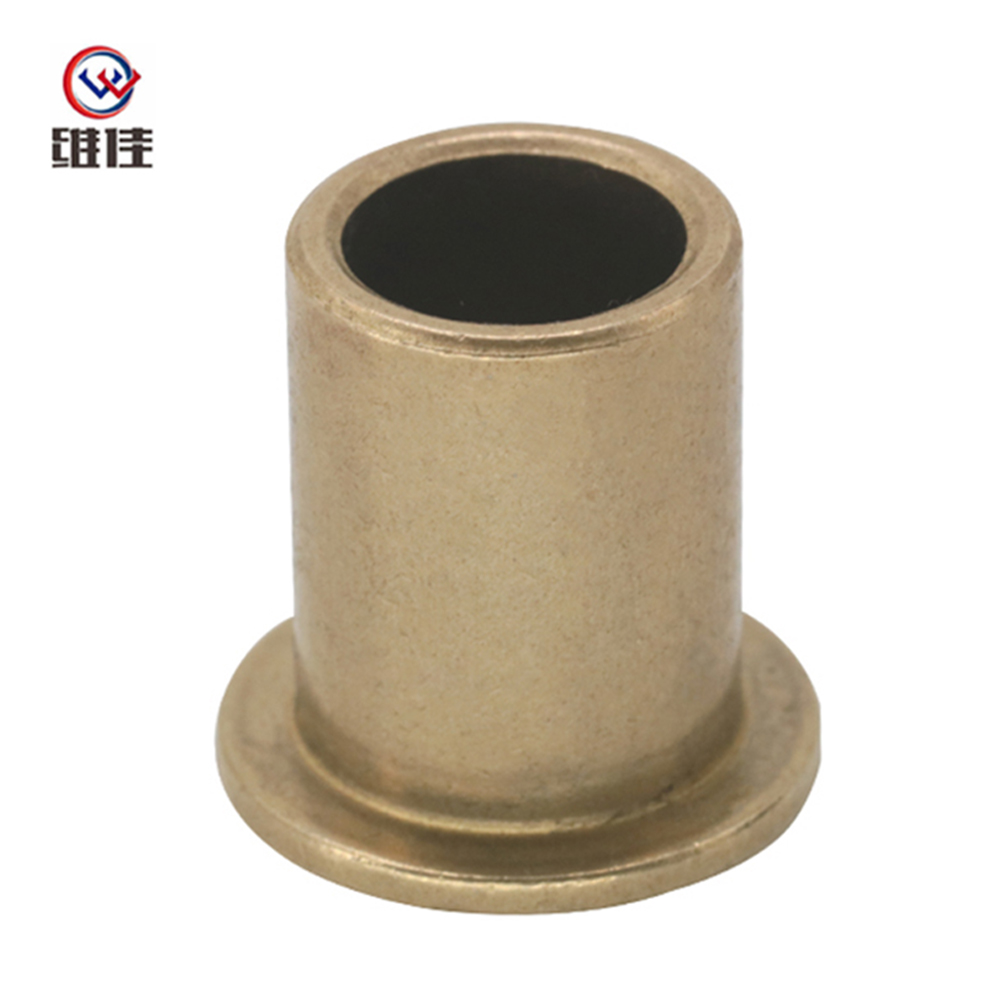
Our sintered bronze self-lubricating bearings are engineered for demanding industrial applications where traditional lubrication is impractical. Designed with advanced powder metallurgy technology, th...
See Details -
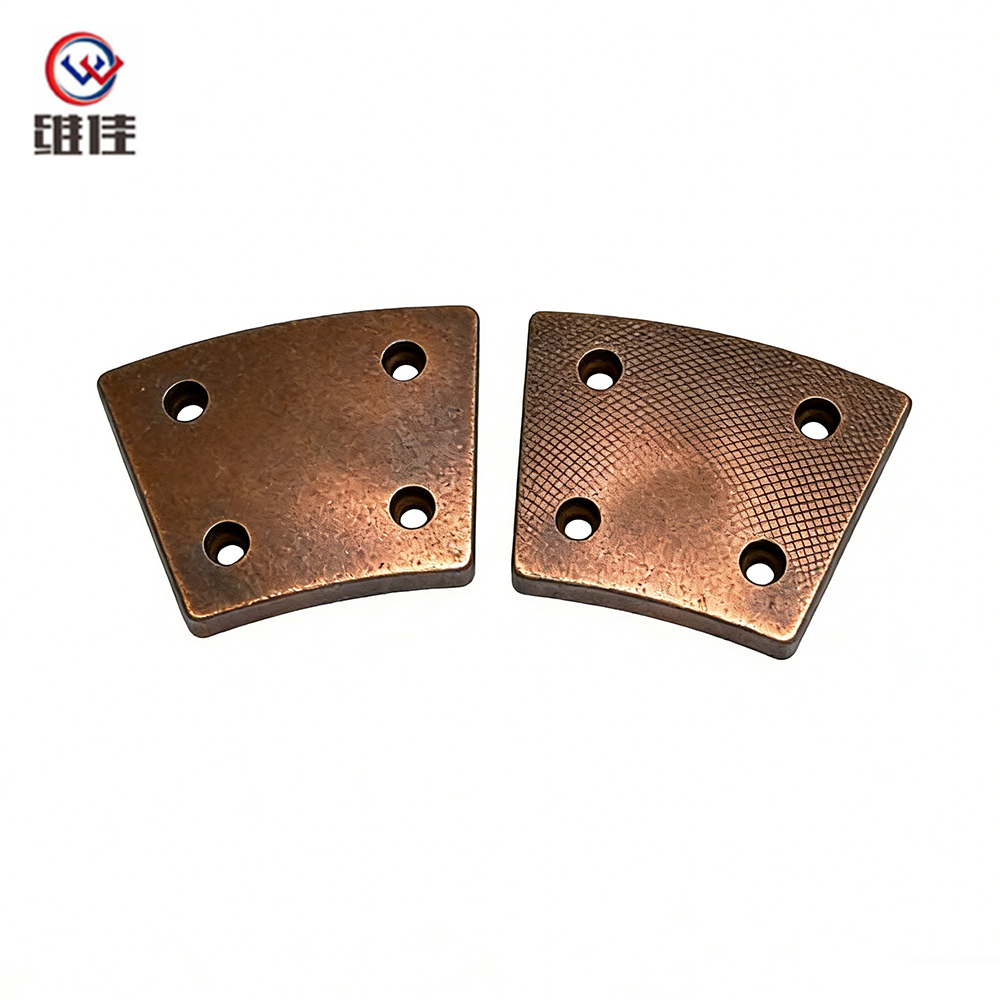
Description: 79.5×62×7.3mm copper-based brake pad with 4-hole design. Density 6.2g/cm³, weight 195g. Free from graphite segregation, cracks, and defects. Ideal for heavy-duty industrial braking system...
See Details -
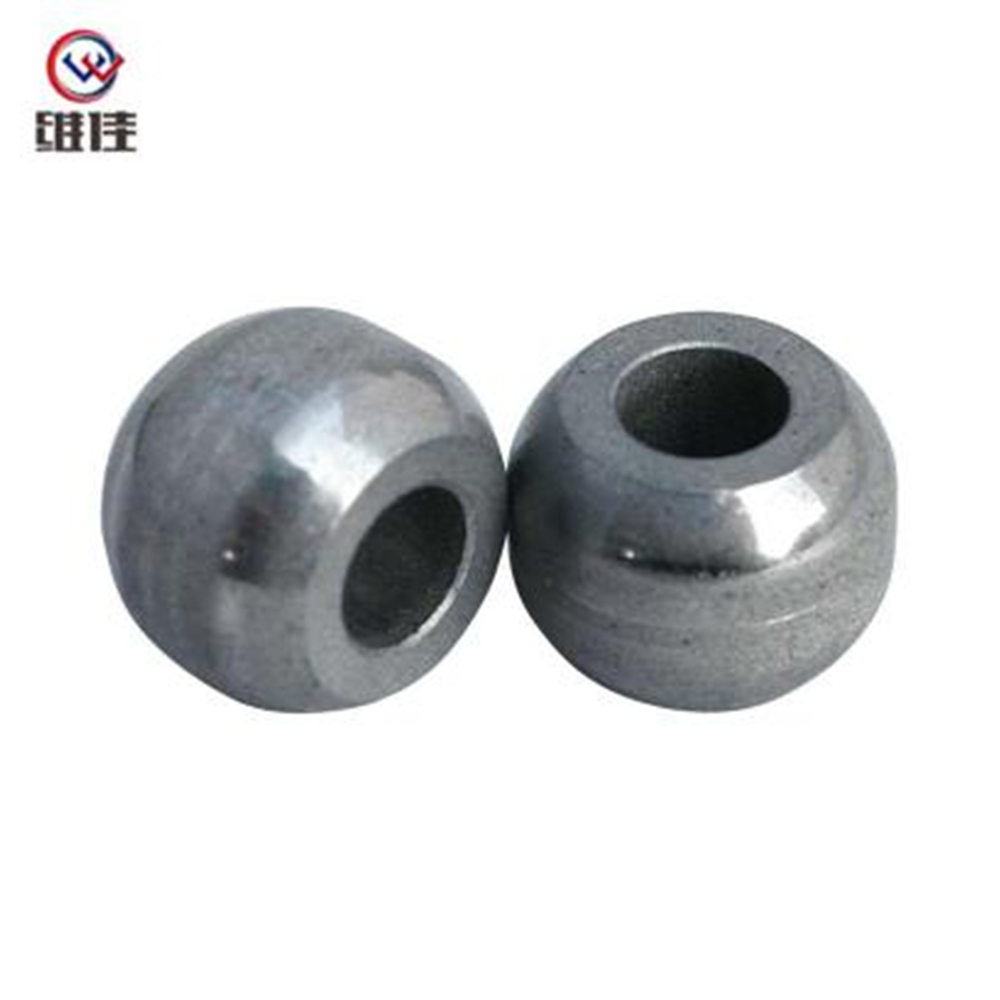
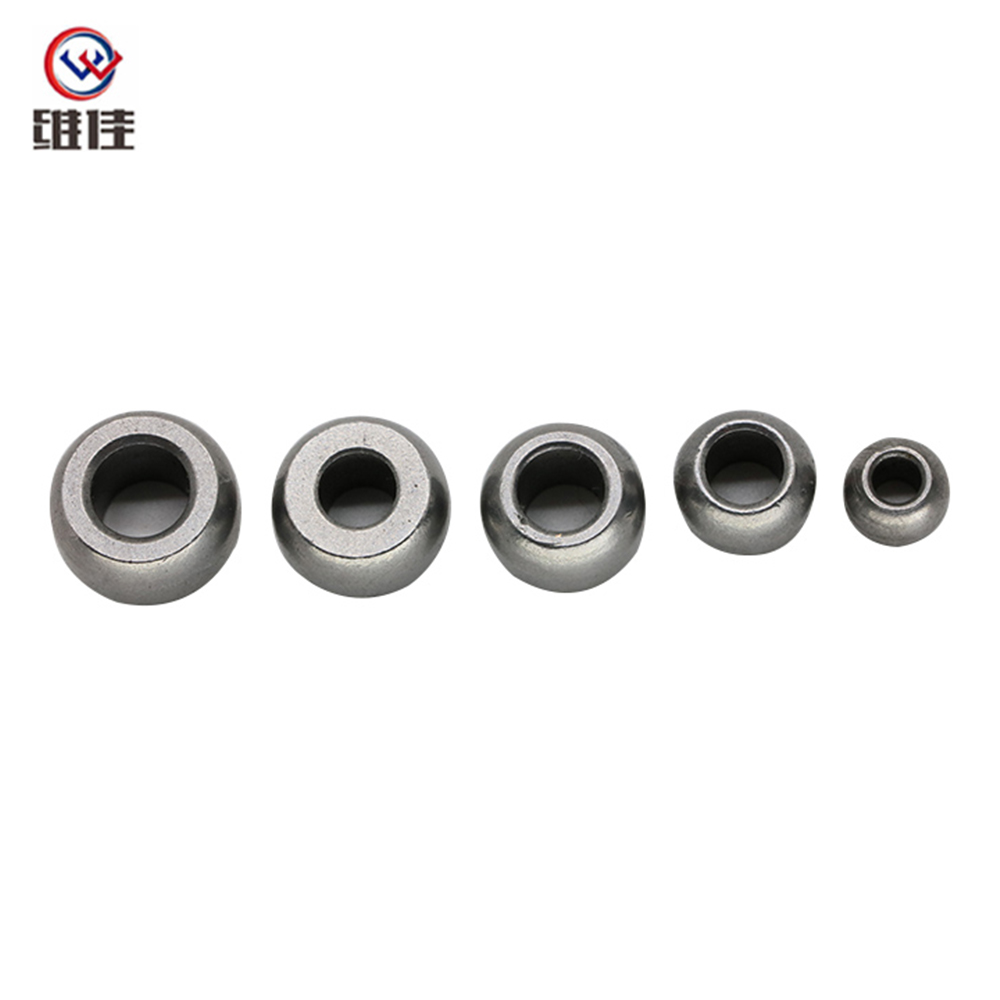
Product Description: High-precision powder metallurgy part (S14*7*10) made of iron material from Jiande Wefine, customized PM components with strict tolerance control.
See Details
Copyright © Jiande Welfine Technology Co., Ltd. All Rights Reserved. Custom Self-lubricating Sintered Bushing Manufacturers
