 English
 中文简体
中文简体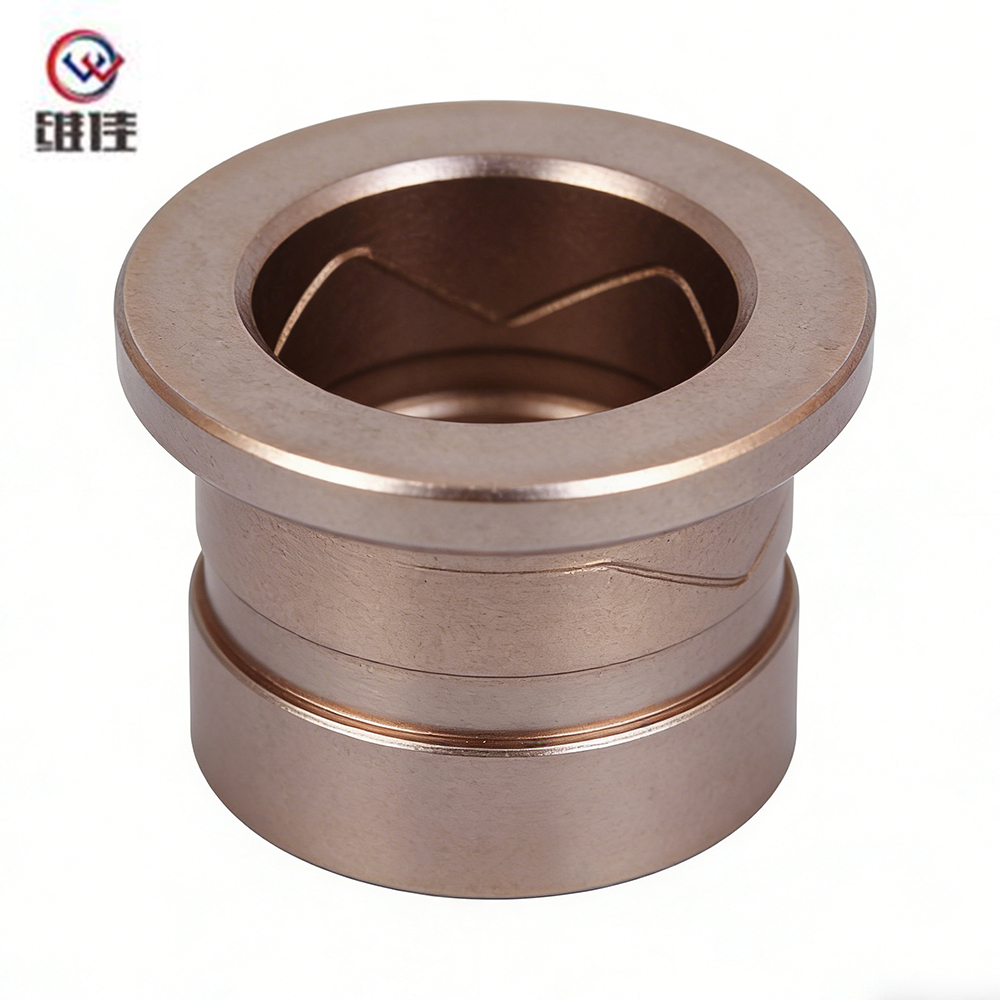

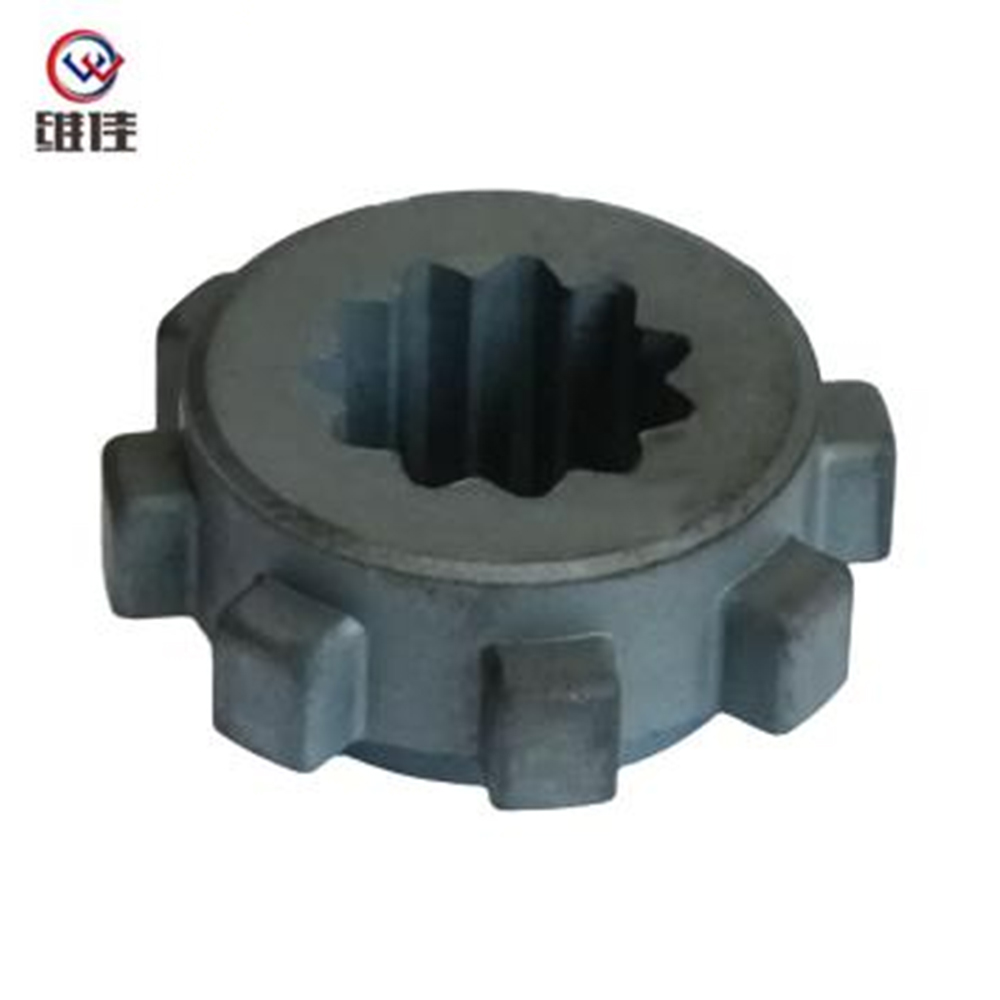
Product Description: High-precision powder metallurgy part (S14*7*10) made of iron material from Jiande Wefine, customized PM components with strict tolerance control.
See DetailsE-mail us: [email protected]
Tel: +86-15239857375


 Home / Author / Luo Qian — Product Sales Supervisor / Precision Iron-Copper Oil-Impregnated Forklift Component for Heavy-Duty Motion Systems
 Precision Iron-Copper Oil-Impregnated Forklift Component for Heavy-Duty Motion Systems
 2026.06.10
 Luo Qian — Product Sales Supervisor
Content
- 1 Product Overview
- 2 Basic Product Parameters
- 3 Why FeCu20 Powder Metallurgy Material Matters
- 4 Dimensional Precision and Assembly Reliability
- 5 Self-Lubricating Performance with HD460 Oil
- 6 Manufacturing Process: From Powder to Finished Component
- 7 Quality Control and Testing
- 8 Advantages Over Competing Solutions
- 9 Application in Forklift Systems
- 10 Company Manufacturing Strengths
- 11 OEM and ODM Customization Capability
- 12 Performance in Heavy-Load and Long-Hour Operation
- 13 Packaging, Storage, and Transportation Protection
- 14 Design Considerations for Engineers and Buyers
- 15 Sustainability and Production Efficiency
- 16 Q&A Section
- 16.1 What is the main function of this component?
- 16.2 What material is used?
- 16.3 Why is powder metallurgy used instead of conventional machining?
- 16.4 What is the purpose of HD460 oil impregnation?
- 16.5 Is the product suitable for heavy-duty forklift operation?
- 16.6 How does this component compare with ordinary steel bushings?
- 16.7 Can the component be customized?
- 16.8 What quality checks are performed?
- 16.9 What industries can benefit from similar components?
- 16.10 Why is manufacturer experience important?
- 17 Conclusion
- 18 References
- 19 Product: Sumitomo Forklift Component
In demanding forklift applications, every bearing, bushing, and motion-support component must do more than simply fit into an assembly. It must carry load, resist wear, maintain dimensional stability, reduce friction, support predictable motion, and continue working reliably through long operating hours. The precision iron-based oil-impregnated component described here is engineered for Sumitomo forklift trucks and manufactured from FeCu20 powder metallurgy material through a controlled process that includes pressing, sintering, heat treatment, machining, drilling, HD460 oil impregnation, and protective packaging.
This product belongs to the category of iron-based oil-impregnated bearings and powder metallurgy structural parts. It is designed for forklift transmission systems, power transmission matching positions, self-lubricating bearing and bushing locations, motion-control support structures, and other core operating areas that experience load, vibration, repeated motion, and contamination risks. With high precision, self-lubricating performance, stable mechanical strength, and excellent wear resistance, it provides a practical solution for heavy-duty industrial vehicles where downtime is costly and component consistency is essential.
Product Overview
The component is a precision powder metallurgy structural and bearing part developed for forklift operating systems. Its material, FeCu20, is an iron-copper-based powder metallurgy alloy selected for strength, fatigue resistance, impact resistance, sintering stability, and compatibility with demanding mechanical environments. The copper content improves friction behavior and contributes to the material’s balanced performance, while the iron base provides structural strength and load-bearing capability.
The production process is carefully arranged to transform metal powder into a durable, accurate, and functional component. High-precision pressing forms the initial geometry. Sintering bonds the compacted powder into a stable metallurgical structure. Heat treatment enhances hardness, toughness, and wear resistance. Machining and drilling ensure tight dimensional control and accurate assembly features. Oil impregnation with HD460 oil gives the part its self-lubricating characteristic, allowing lubricant stored inside the porous structure to support continuous operation. Finally, packaging protects the product from rust, impact, moisture, and contamination during transport and storage.
Unlike many conventional machined bushings or simple metal sleeves, this component is not only shaped to fit but also engineered internally. Its porosity, oil retention, and material composition are controlled during powder metallurgy manufacturing. This gives it a functional advantage in applications where lubrication intervals, noise, friction, and maintenance access are critical factors.
Basic Product Parameters
| Item | Specification |
|---|---|
| Product Name | Precision Powder Metallurgy Component for Sumitomo Forklift |
| Product Category | Iron-Based Oil-Impregnated Bearings / Powder Metallurgy Structural Component |
| Material | FeCu20 |
| Dimensions | 30.140484.535 mm |
| Process Route | Pressing, Sintering, Heat Treatment, Machining, Drilling, Oil Impregnation, Packaging |
| Impregnation Oil | HD460 |
| Application | Forklift transmission, motion support, and bearing/bushing positions |
| Quality Standard | OEM Standard and Forklift Industry Standard |
| Manufacturing Support | Custom production according to drawings or samples |
Why FeCu20 Powder Metallurgy Material Matters
FeCu20 is a high-performance iron-copper powder metallurgy material. In industrial motion systems, material selection directly affects product life, load capacity, dimensional stability, wear rate, and operating noise. A forklift component may appear small when compared with the full machine, but if it sits in a transmission or movement-support system, its failure can affect the entire vehicle. FeCu20 is selected because it provides a practical balance between strength, wear resistance, friction behavior, and production consistency.
The iron base gives the component the structural strength needed to withstand repeated loading. Forklifts frequently operate under start-stop conditions, abrupt directional changes, lifting actions, uneven ground impact, and long working cycles. Components within these systems must resist deformation and fatigue. The copper phase improves running performance and contributes to better resistance against seizure and wear. The combination is especially suitable for oil-impregnated structures, because powder metallurgy can create controlled porosity for lubricant storage.
Compared with ordinary cast or machined solid metal components, FeCu20 powder metallurgy parts offer more than a simple shape. They offer a controlled internal network that can hold oil. This is particularly valuable for bushings and bearing-style parts because lubricant is not only applied externally; it is retained within the component. When the part operates, heat and motion help release oil from the pores to the contact surface. When the motion slows or stops, part of the oil can be reabsorbed. This mechanism supports long-term lubrication and reduces dependence on frequent external oiling.
For forklift systems, this is a significant advantage. Forklifts are often used in warehouses, factories, logistics centers, ports, construction sites, and other environments where maintenance schedules can be difficult to maintain perfectly. A self-lubricating component reduces friction, helps limit operating noise, and contributes to a longer service interval. It also supports more predictable performance when the machine works for extended hours.
Dimensional Precision and Assembly Reliability
Dimensional precision is one of the most important features of this component. Forklift assemblies depend on accurate fit between shafts, housings, brackets, and moving parts. If a bushing or bearing component is too loose, it may cause vibration, misalignment, noise, accelerated wear, and reduced control accuracy. If it is too tight, it may increase friction, generate heat, damage the shaft, or make assembly difficult. Therefore, the manufacturing process includes both powder forming and follow-up precision machining to ensure that the final geometry meets application requirements.
The product dimensions are specified as 30.140484.535 mm. In practical manufacturing, this means the part must not only reach nominal size but also maintain consistency across production batches. Powder metallurgy offers a strong advantage in repeatability because pressing dies can produce a stable compact shape, and sintering can be controlled to achieve predictable shrinkage. Where very close tolerances are needed, machining and drilling provide final correction and functional accuracy.
High dimensional precision also improves interchangeability. For forklift maintenance and repair, a component should be easy to replace without additional adjustment or modification. This product is produced according to OEM and forklift industry standards, supporting stable assembly and reliable matching with the corresponding forklift system. That makes it suitable for both original equipment production and replacement or maintenance supply chains.
Self-Lubricating Performance with HD460 Oil
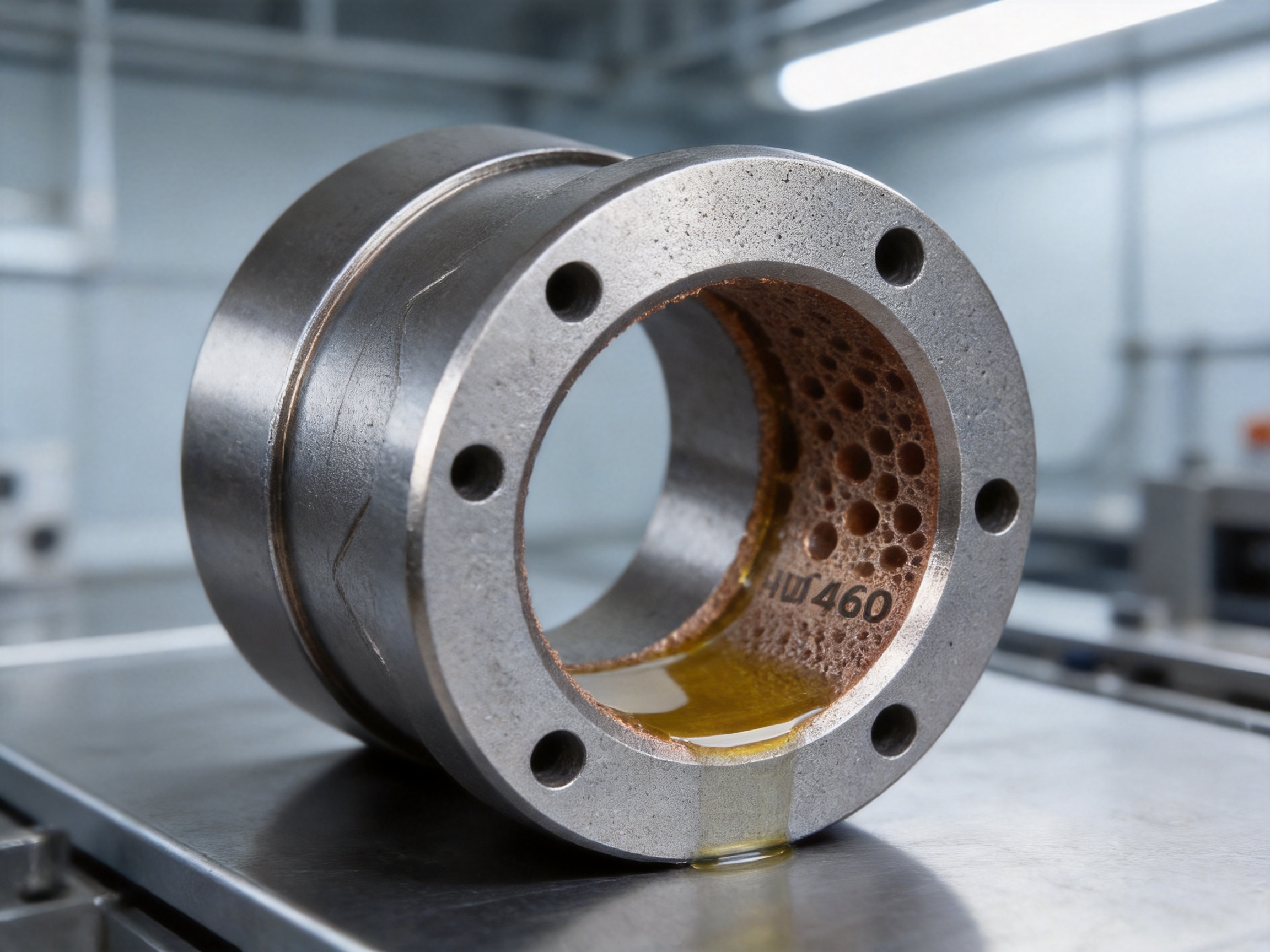
One of the key performance advantages of this component is oil impregnation with HD460 oil. Oil impregnation is not a surface coating; it is a process that allows oil to enter the interconnected pores created during powder metallurgy manufacturing. The component becomes a lubricant reservoir. During operation, oil migrates to the friction surface and helps create a lubricating film between the component and the mating part.
HD460 oil is selected for heavy-duty operating conditions. Forklift components often face high loads and relatively low to moderate sliding speeds, which can be more demanding than light, high-speed applications. Under heavy load, the lubricant must maintain a protective film and resist being squeezed out too quickly. Oil with suitable viscosity and stability helps reduce metal-to-metal contact, lower wear, decrease noise, and reduce heat generation.
Compared with non-impregnated metal bushings, this oil-impregnated component offers a major practical advantage. It can continue to provide lubrication during service, even in locations where external lubrication is limited or irregular. Compared with plastic bushings, it offers greater strength, heat resistance, and dimensional stability under heavy industrial loads. Compared with conventional bronze bushings, the iron-copper powder metallurgy structure can provide an excellent cost-performance balance while supporting self-lubricating functionality.
In real applications, the benefit is not only longer component life. Reduced friction also helps protect the shaft or mating component. If the bushing wears too quickly or runs dry, the damage can spread to more expensive assemblies. A reliable self-lubricating bearing component therefore helps reduce total maintenance cost, not just the cost of the part itself.
Manufacturing Process: From Powder to Finished Component
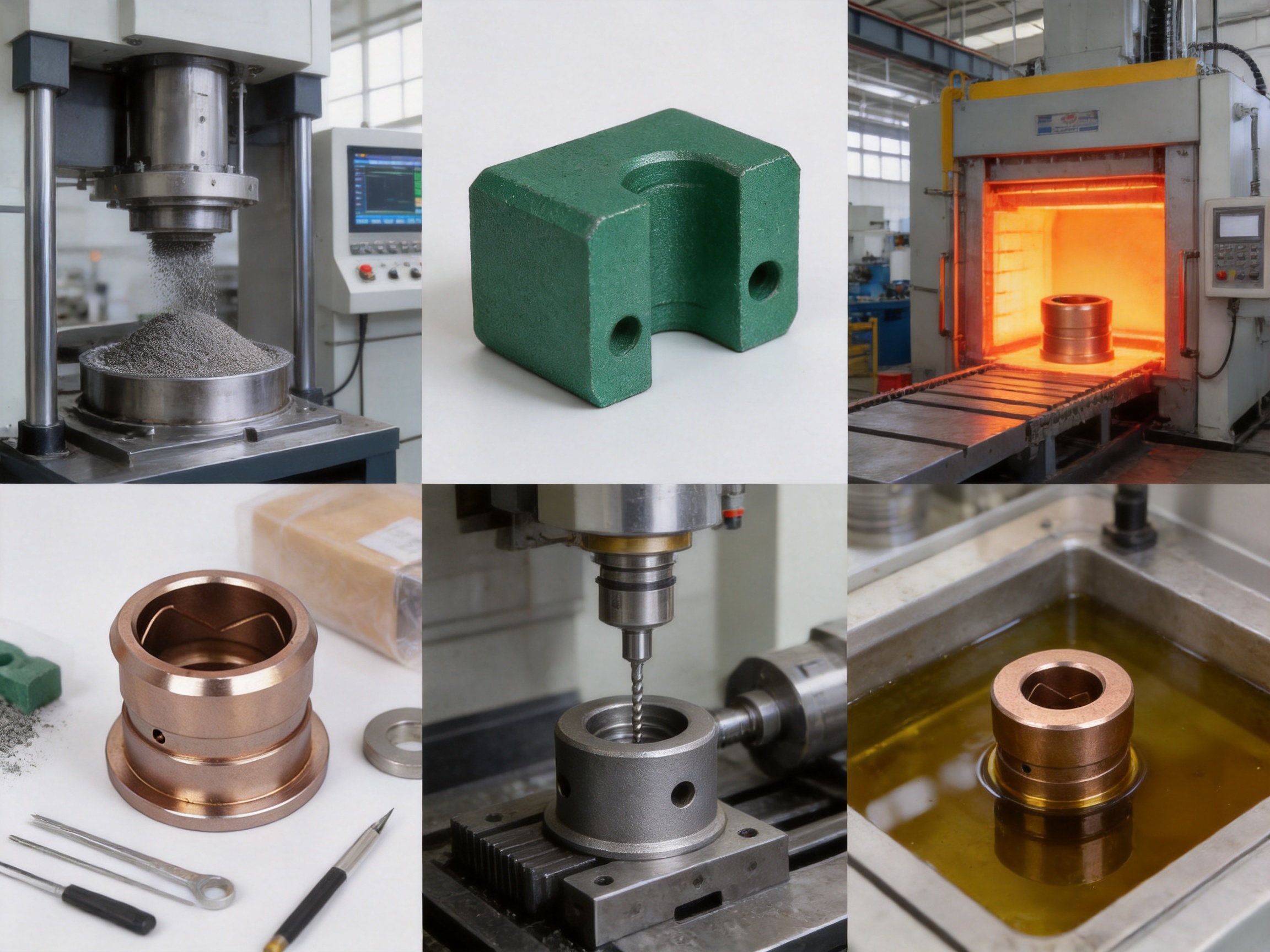
The product is manufactured through a complete powder metallurgy and finishing route. Each step affects performance, and the strength of the product comes from the integration of material control, forming technology, heat treatment, machining precision, oil impregnation, and inspection.
Powder Preparation and Pressing
The first major production step is pressing. Metal powder is placed into a high-precision mold and compacted under controlled pressure. This step determines the initial shape, density distribution, and dimensional consistency of the green compact. Stable pressing is critical because uneven density can lead to inconsistent sintering shrinkage, uneven oil absorption, and reduced mechanical performance.
Advanced powder pressing equipment helps achieve repeatable geometry and density. For a forklift component, this consistency is essential because multiple parts may be installed in similar systems or supplied over long periods. Customers need parts that match the same specification batch after batch. Precision tooling, controlled powder feeding, stable compaction pressure, and proper ejection are all important for minimizing variation.
High-Temperature Sintering
After pressing, the compacted part is sintered in a high-temperature furnace. Sintering bonds the powder particles together and creates the final metallurgical structure. Temperature, atmosphere, heating rate, holding time, and cooling control all influence the final strength, porosity, and dimensional behavior.
For FeCu20 material, sintering must be controlled carefully to achieve a stable iron-copper structure while retaining the required porosity for oil impregnation. If sintering is insufficient, the component may not reach the needed strength. If it is excessive or poorly controlled, the porosity may be reduced or distorted, affecting oil storage capacity. A qualified manufacturer therefore relies on high-temperature sintering furnaces and process experience to maintain the correct balance between strength and self-lubricating capability.
Heat Treatment
Heat treatment is used to optimize hardness, toughness, and wear resistance. Forklift components may experience impact, vibration, and repetitive stress. The heat-treatment stage improves the part’s ability to resist surface wear while retaining enough toughness for practical working conditions. This balance is important because excessive hardness without toughness can make a part brittle, while insufficient hardness can cause rapid wear.
The heat-treatment process is particularly valuable for heavy-duty applications. It enhances the product’s ability to perform under long working hours and repeated load cycles. When combined with FeCu20 material and oil impregnation, heat treatment helps create a component that is not only lubricated but also mechanically strong.
Precision Machining
Although powder metallurgy can produce near-net-shape components, precision machining is used when tight tolerances, accurate surfaces, or specific assembly features are required. Machining improves the fit between the component and the surrounding system. It can refine inner diameters, outer diameters, end faces, grooves, or other critical surfaces.
In forklift systems, accurate machining reduces assembly problems and improves operating stability. A properly machined bushing or bearing component supports correct alignment, smooth movement, and stable load distribution. It also reduces the risk of localized contact stress, which can lead to premature wear.
Precision Drilling
Drilling is included in the process to meet assembly, oil circuit, or structural requirements. Holes may be required for positioning, lubrication access, mounting, or functional connection with adjacent parts. Poor drilling accuracy can cause misalignment, oil flow problems, or assembly interference. Precision drilling ensures that the finished part meets design requirements and can be installed without modification.
Oil Impregnation
Oil impregnation with HD460 oil is a defining step for this component. The process allows the oil to penetrate the porous structure of the sintered metal. Proper impregnation requires controlled conditions so that sufficient oil enters the internal porosity. The result is a component capable of self-lubricating during operation.
Oil impregnation quality must be verified because underfilled components may not provide the expected lubrication life. The manufacturer therefore needs testing and inspection procedures to confirm oil content and functional performance. Reliable impregnation improves wear resistance, reduces noise, and contributes to longer service life.
Protective Packaging
The final step is packaging. Powder metallurgy oil-impregnated parts must be protected against rust, impact, dust, oil leakage, and moisture. Proper packaging ensures that the product arrives in usable condition and remains stable during warehouse storage. Anti-rust treatment, shockproof inner packaging, moisture-proof protection, and standard carton or pallet packaging are all part of the delivery assurance system.
Quality Control and Testing
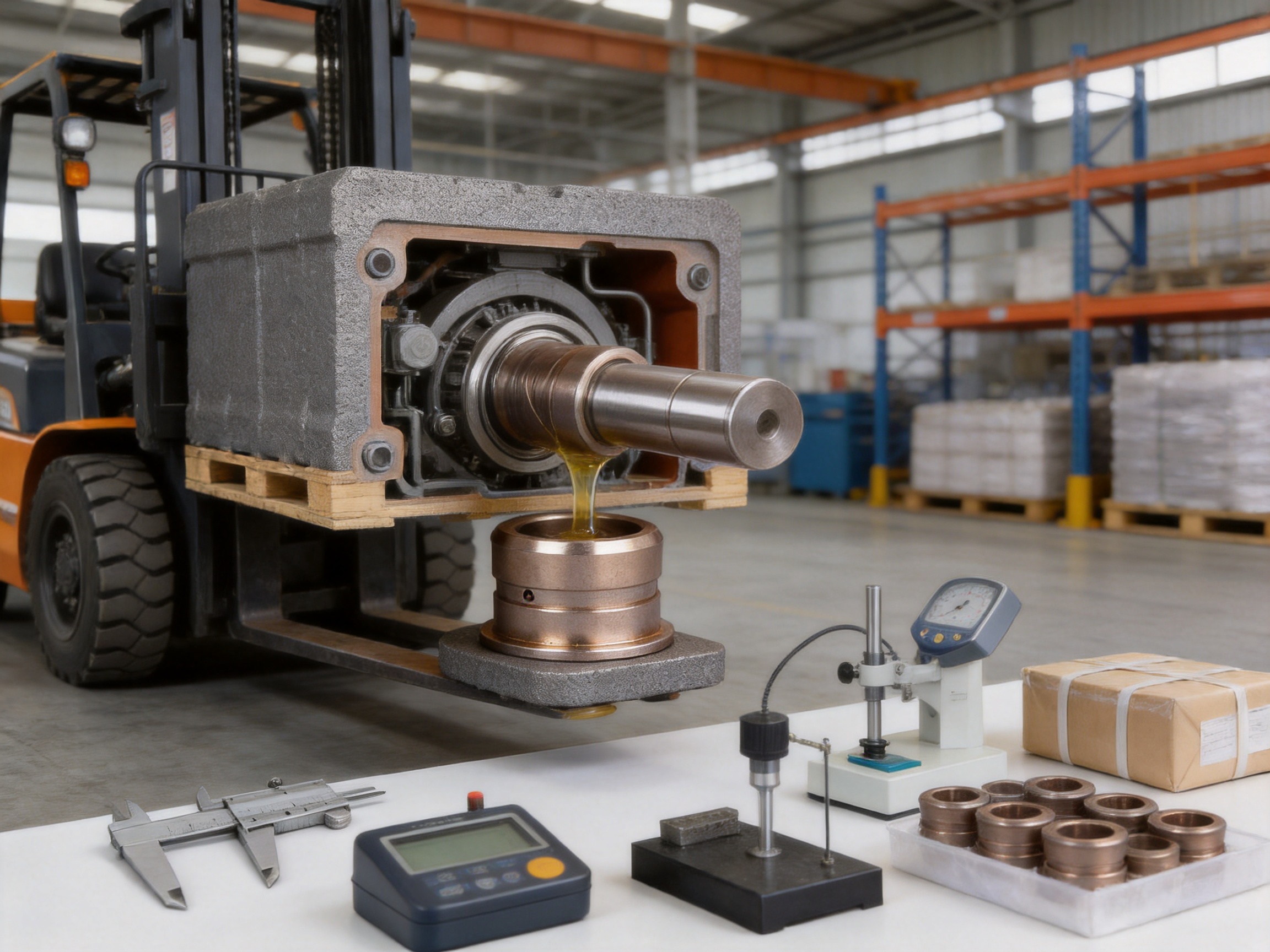
Quality assurance is not a single inspection at the end of production. It is a system that begins with material selection and continues through forming, sintering, heat treatment, machining, drilling, impregnation, and final inspection. For this component, the quality-control program includes full-dimensional inspection, material composition testing, hardness testing, density testing, oil impregnation verification, and 100% inspection before shipment.
Full-dimensional inspection confirms that critical features meet drawings and assembly requirements. Precision measuring instruments are used to check diameters, lengths, hole positions, flatness, roundness, and other necessary dimensions. This reduces the risk of assembly failure and ensures stable interchangeability.
Material composition testing verifies that the FeCu20 material meets the required formulation. Material stability is essential because changes in composition can affect strength, sintering behavior, wear resistance, and oil compatibility. Hardness testing confirms that heat treatment has achieved the required mechanical performance. Density testing helps verify that pressing and sintering have produced a stable structure with appropriate porosity.
Oil impregnation testing confirms that the product has absorbed oil properly and can perform as a self-lubricating component. This is especially important for bearing and bushing applications. A part that looks correct externally may still fail prematurely if oil content is insufficient. Therefore, internal lubrication performance must be part of the inspection system.
100% full inspection before leaving the factory provides additional assurance for customers who require high reliability. Forklift components often enter maintenance or production systems where defective parts create downtime, labor cost, and operational risk. A strict inspection system reduces these risks and supports long-term cooperation.
Advantages Over Competing Solutions
This product offers several advantages over competing solutions, including ordinary machined steel sleeves, non-impregnated bushings, low-grade powder metallurgy parts, plastic bushings, and standard bronze components. The advantages come from its material, process, lubrication method, dimensional control, and manufacturing consistency.
Stronger Than Many Low-Cost Alternatives
Low-cost bushings may be produced from basic materials with limited quality control. They may fit during installation but fail under heavy load, vibration, or long service periods. The FeCu20 material and heat-treatment process used for this product provide high strength, hardness, impact resistance, and fatigue resistance. This makes it more suitable for forklift conditions where load and operating cycles are demanding.
More Functional Than Plain Machined Parts
A plain machined steel part can provide strength, but it does not naturally store lubricant. It may require regular greasing or external oil supply. If lubrication is neglected, friction increases quickly. This powder metallurgy component, by contrast, stores HD460 oil inside its porous structure. It supports self-lubrication, making it more forgiving and durable in real industrial maintenance environments.
Better Load Capacity Than Many Plastic Bushings
Plastic or polymer bushings can be useful in light-duty applications, but they may deform under heavy load, soften at elevated temperatures, or wear quickly in contaminated environments. An iron-copper powder metallurgy component provides better structural rigidity and heat resistance. For forklift systems that involve high load and repeated motion, metallic self-lubricating parts often provide a more robust solution.
More Cost-Effective Than Fully Machined or Certain Bronze Components
Bronze bushings are widely used, but material cost and machining cost can be significant. Powder metallurgy manufacturing can reduce waste and improve production efficiency because parts are formed close to final shape. FeCu20 provides a strong cost-performance balance, combining strength, wear resistance, and self-lubrication. For long-term supply and volume production, this can be a major advantage.
More Consistent Than Uncontrolled Sintered Parts
Not all powder metallurgy components are equal. Some suppliers may lack advanced presses, stable sintering furnaces, precision machining capability, or strict quality systems. This product benefits from a controlled manufacturing chain and inspection process. Consistency is a competitive advantage because industrial customers need reliable batch-to-batch performance, not only a successful first sample.
Application in Forklift Systems
Forklifts operate through a combination of lifting, driving, steering, transmission, braking, and support systems. Many of these systems include components that rotate, slide, oscillate, or carry load. The described product is suitable for positions where a structural bearing or bushing component must provide stable support and controlled movement.
In transmission systems, the component can help support shafts, linkages, or moving interfaces that transfer power or motion. In power transmission matching locations, it can reduce friction while maintaining alignment. In self-lubricating bearing and bushing locations, it helps maintain movement without constant external lubrication. In motion-control and support structures, it contributes to smooth action and reduced vibration.
The product is especially relevant where forklifts work under heavy loads or long operating hours. Warehousing and logistics operations may run equipment for multiple shifts. Manufacturing plants may require forklifts to operate in dusty or oily environments. Outdoor or semi-outdoor operations may expose parts to moisture, temperature variation, and impact. A reliable oil-impregnated powder metallurgy component supports stable operation across these conditions.
Company Manufacturing Strengths
Jiande Welfine Technology Co., Ltd. was established in 2001 and has developed into a high-tech enterprise integrating research and development, production, and sales. The company focuses on powder metallurgy sintering and related precision machining, with products including powder metallurgy bushings, self-lubricating bushings, and various precision parts. Its experience in these areas directly supports the development and production of the precision FeCu20 oil-impregnated forklift component.
The company operates a modern production base of 13,039 square meters and is equipped with advanced production and testing equipment, including efficient presses, high-temperature sintering furnaces, and precision forming machines. These capabilities are important because powder metallurgy quality depends heavily on stable forming, controlled sintering, accurate finishing, and reliable inspection. A strong equipment foundation allows the manufacturer to control the process instead of relying on outsourcing or inconsistent external operations.
With more than 20 years of industry experience and more than 150 skilled employees, the company can provide OEM and ODM customized bushing solutions according to customer drawings or samples. This is particularly valuable for forklift and industrial equipment customers because many applications require special dimensions, material adjustments, oil selection, porosity control, or finishing requirements.
The company has passed ISO 9001:2015 and IATF 16949:2016 certifications. These management systems support consistent production, traceability, continuous improvement, and disciplined quality control. For customers in automotive, industrial machinery, logistics equipment, and high-reliability applications, certified quality systems are an important indicator of manufacturing maturity.
OEM and ODM Customization Capability
Customization is a major strength for powder metallurgy components. While standard bushings and bearings are useful in many applications, industrial equipment often requires special geometry or performance. The manufacturer supports customized production based on customer drawings and samples. This includes material selection, size optimization, process design, oil impregnation selection, machining requirements, and packaging methods.
For example, a customer may need a bushing with a modified inner diameter, different wall thickness, special hole position, specific oil content, enhanced hardness, or improved corrosion protection. Powder metallurgy is well suited to such requirements because the process can be adjusted at multiple stages. The pressing mold controls basic geometry. Powder formulation influences strength and wear resistance. Sintering parameters affect density and porosity. Heat treatment modifies mechanical properties. Machining ensures final tolerance. Oil impregnation determines lubrication behavior.
The ability to support sample trial, small-batch production, and mass production is also important. Customers may first test the component in a limited number of forklifts or assemblies. After validation, the same manufacturer can scale to larger production while maintaining the same process standards. This reduces development risk and improves supply continuity.
Performance in Heavy-Load and Long-Hour Operation
Forklift components are expected to survive repeated load cycles, impact, vibration, and imperfect lubrication. Heavy-load operation creates high contact stress. Long-hour operation increases heat, friction exposure, and fatigue risk. A component used in this environment must resist deformation, wear, and seizure.
The FeCu20 oil-impregnated component addresses these challenges through a combination of strength and lubrication. The iron-copper structure provides mechanical support, while heat treatment improves wear resistance. HD460 oil impregnation reduces friction and helps prevent dry running. Precision machining ensures that the load is distributed correctly rather than concentrated on a small area. Proper drilling and assembly features help the component integrate smoothly into the forklift system.
Noise reduction is another practical benefit. Worn or poorly lubricated bushings often produce squeaking, knocking, or vibration noise. In warehouses and factories, lower noise improves operator comfort and may support a better working environment. Self-lubricating performance and accurate fit help reduce unwanted sound.
Maintenance reduction is also significant. A part that lasts longer and requires less frequent lubrication reduces labor time and machine downtime. Forklifts are productivity tools; when they are stopped for repairs, material handling operations may be delayed. By improving reliability at the component level, the product contributes to overall equipment availability.
Packaging, Storage, and Transportation Protection
Packaging is sometimes underestimated, but it is an important part of product quality. Oil-impregnated powder metallurgy components must be protected from rust, contamination, collision, oil loss, and moisture. The product is packaged with anti-rust, anti-collision, and moisture-proof considerations so that it remains stable during long-distance transportation and warehouse storage.
Professional anti-rust and anti-oil leakage treatment helps preserve the component’s surface and internal lubrication condition. Shockproof inner packaging prevents impact damage during handling. Moisture-proof and dust-proof protection reduces contamination risk. Standard outer carton or pallet packaging supports efficient logistics, inventory control, and export shipment.
For customers, good packaging means fewer receiving problems and less rework before assembly. Parts can be stored more confidently and introduced into production or maintenance workflows as needed. This is especially important for distributors, fleet maintenance centers, and OEM assembly operations that may keep components in inventory for a period before use.
Design Considerations for Engineers and Buyers
When selecting a powder metallurgy oil-impregnated component, engineers and buyers should evaluate more than price. Important factors include material composition, density, porosity, oil type, dimensional tolerance, hardness, surface finish, load conditions, mating shaft material, operating temperature, environmental contamination, and expected maintenance interval.
The FeCu20 component is designed for heavy-duty forklift applications, but correct application matching remains important. The mating shaft should have suitable hardness and finish to work well with the bushing surface. Installation should avoid damaging the part or closing oil pores at the working surface. The surrounding housing should support the component evenly. If the part is pressed into a housing, allowance must be controlled to prevent excessive deformation.
Oil compatibility is another consideration. Because the component is impregnated with HD460 oil, the application environment should be compatible with this lubricant. If the machine uses other oils or is exposed to cleaning chemicals, the user should evaluate potential interactions. For custom applications, the manufacturer can assist with material, size, and process optimization according to actual working conditions.
Sustainability and Production Efficiency
Powder metallurgy is often valued for efficient material utilization. Unlike traditional machining from solid bar stock, powder metallurgy forms parts close to final shape, reducing metal waste. This is useful for high-volume industrial parts because it improves production efficiency and can reduce cost. Less machining also means less cutting waste, less tool wear, and lower processing time for certain geometries.
In addition to material efficiency, long-life self-lubricating parts can support sustainability by reducing replacement frequency, maintenance materials, lubricant consumption, and equipment downtime. A durable component that protects mating parts can also reduce the need to replace larger assemblies. In industrial operations, sustainability is not only about the material itself but also about lifecycle performance.
The manufacturer’s ability to produce consistent powder metallurgy parts at scale supports stable supply. Reliable mass production is especially important for customers who maintain equipment fleets or require continuous OEM production. A component that performs well in testing must also be available in consistent quality over months and years. This is where experienced process control and quality systems create a clear advantage.
Q&A Section
What is the main function of this component?
The component functions as a precision powder metallurgy structural and bearing part for forklift systems. It supports motion, reduces friction, helps maintain alignment, and provides self-lubricating performance in transmission, power transfer, bushing, and motion-support applications.
What material is used?
The component is manufactured from FeCu20, an iron-copper-based powder metallurgy material known for strength, hardness, wear resistance, fatigue resistance, and dimensional stability.
Why is powder metallurgy used instead of conventional machining?
Powder metallurgy allows the part to be formed close to final shape while creating controlled porosity for oil impregnation. This provides self-lubricating capability that a fully machined solid metal part normally cannot offer without additional lubrication design.
What is the purpose of HD460 oil impregnation?
HD460 oil impregnation allows lubricant to be stored inside the porous metal structure. During operation, oil is released to the friction surface, reducing wear, noise, heat, and the risk of dry running.
Is the product suitable for heavy-duty forklift operation?
Yes. The FeCu20 material, heat treatment, precision machining, and HD460 oil impregnation make it suitable for heavy-load, long-hour, and complex operating environments commonly found in forklift systems.
How does this component compare with ordinary steel bushings?
Ordinary steel bushings may offer strength but usually require external lubrication. This powder metallurgy component combines strength with internal oil storage, offering better self-lubricating performance and reduced maintenance demand.
Can the component be customized?
Yes. Customized production can be provided according to customer drawings or samples, including adjustments to material, size, tolerance, process, drilling, oil impregnation, and packaging requirements.
What quality checks are performed?
Quality checks include dimensional inspection, material composition testing, hardness testing, density testing, oil impregnation verification, and 100% inspection before shipment.
What industries can benefit from similar components?
Although this product is designed for forklift applications, similar powder metallurgy oil-impregnated parts can be used in industrial machinery, agricultural equipment, automotive systems, logistics equipment, electric tools, and other motion-support systems.
Why is manufacturer experience important?
Powder metallurgy quality depends on process control. Experience in pressing, sintering, heat treatment, machining, drilling, oil impregnation, and inspection helps ensure stable performance and consistent batch production.
Conclusion
The precision FeCu20 oil-impregnated forklift component is more than a simple replacement part. It is a carefully engineered powder metallurgy bearing and structural component designed to support reliability, reduce friction, withstand load, and improve service life in demanding forklift systems. Its advantages come from the combination of iron-copper material strength, controlled porosity, HD460 oil impregnation, heat treatment, precision machining, accurate drilling, and strict quality inspection.
Compared with ordinary machined sleeves, non-impregnated parts, low-grade sintered components, and many light-duty alternatives, this product offers a stronger balance of load capacity, self-lubrication, dimensional precision, wear resistance, and production consistency. It is particularly suitable for forklift transmission systems, power transmission matching parts, self-lubricating bearing and bushing locations, motion-control assemblies, and structural support positions exposed to heavy-duty operating conditions.
Jiande Welfine Technology Co., Ltd. supports the product with more than two decades of powder metallurgy experience, a modern 13,039-square-meter production base, advanced pressing and sintering equipment, precision machining capability, skilled employees, OEM/ODM customization service, and certified quality management systems. For customers seeking stable supply, reliable performance, and custom powder metallurgy solutions, this manufacturing foundation provides a strong competitive advantage.
In modern industrial equipment, long-term reliability is built from individual components. A well-designed self-lubricating powder metallurgy component can reduce wear, protect mating parts, simplify maintenance, and support stable machine operation. For forklift applications where strength, precision, and lubrication are all required, this FeCu20 oil-impregnated component represents a practical and high-value engineering solution.
References
German, R. M. Powder Metallurgy and Particulate Materials Processing. Metal Powder Industries Federation.
ASM International. ASM Handbook, Volume 7: Powder Metal Technologies and Applications.
Metal Powder Industries Federation. Standard Test Methods for Metal Powders and Powder Metallurgy Products.
Höganäs AB. Handbook for Sintered Components: Material and Design Recommendations.
ASM International. ASM Handbook, Volume 18: Friction, Lubrication, and Wear Technology.
International Organization for Standardization. ISO 9001:2015 Quality Management Systems Requirements.
International Automotive Task Force. IATF 16949:2016 Automotive Quality Management System Standard.
Product: Sumitomo Forklift Component
Related products
-
-
This 4×11.5×5.2mm powder metallurgy gear is manufactured through a precise press-sinter-through hole-oil impregnation process, with strict control of press density (6.7–6.8g/cm³) and sintering tempera...
See Details -
Premium Material: Our flange bushing is crafted from Sint B50 oil-impregnated bronze, featuring an 18% oil content. The high-quality tin bronze material ensures exceptional hardness, wear resistance, ...
See Details
Copyright © Jiande Welfine Technology Co., Ltd. All Rights Reserved. Custom Self-lubricating Sintered Bushing Manufacturers
