E-mail us: [email protected]
Tel: +86-15239857375
 English
 中文简体
中文简体

 Home / Author / Luo Qian — Product Sales Supervisor / High Performance Sintered Self-Lubricating Bushings for Demanding Motion Systems
 High Performance Sintered Self-Lubricating Bushings for Demanding Motion Systems
 2026.06.12
 Luo Qian — Product Sales Supervisor
Content
- 1 Product Overview
- 2 Why Sintered Self-Lubricating Bushings Matter
- 3 Material Structure and Functional Design
- 4 Key Performance Advantages
- 5 Comparison with Conventional Bearing Solutions
- 6 Applications in Industrial Machinery
- 7 Applications in Automotive Systems
- 8 Applications in Aerospace and High-Temperature Equipment
- 9 Advantages in Reciprocating, Rotating, and Oscillating Movements
- 10 Advanced Powder Metallurgy Manufacturing Process
- 11 Company Manufacturing Strengths
- 12 Advantages Over Competitors
- 13 Design Considerations for Selecting the Right Bushing
- 14 Quality, Testing, and Reliability
- 15 Maintenance and Service Life Benefits
- 16 Environmental and Cost Efficiency
- 17 OEM and ODM Customization
- 18 Practical Engineering Benefits
- 19 Q&A Section
- 19.1 What are High Performance Sintered Self-Lubricating Bushings?
- 19.2 How do these bushings lubricate themselves?
- 19.3 Are they suitable for high-temperature applications?
- 19.4 Can they operate without additional lubricating oil?
- 19.5 What movements are these bushings suitable for?
- 19.6 How do they compare with ordinary bronze bushings?
- 19.7 Why is powder metallurgy important for these bushings?
- 19.8 Can the bushings be customized?
- 19.9 What industries commonly use these bushings?
- 19.10 What makes the manufacturer a reliable supplier?
- 20 Conclusion
- 21 References
- 22 Product: High Performance Sintered Self-lubricating Bushings
In modern mechanical systems, motion components are expected to work longer, run cleaner, carry heavier loads, and perform reliably in environments where conventional bearings often struggle. High Performance Sintered Self-Lubricating Bushings are engineered for these demanding conditions. Designed through advanced powder metallurgy and precision sintering technology, these bushings combine structural strength, controlled porosity, solid lubrication, and excellent dimensional stability in one compact bearing solution.
Unlike traditional plain bearings that depend heavily on frequent oiling or grease maintenance, sintered self-lubricating bushings are designed to reduce the need for external lubrication. Their material system can include a high-performance Fe-Cu sintered alloy structure and embedded solid lubricants such as graphite and molybdenum disulfide. During operation, these lubricants help form a low-shear transfer film on the contact surface, reducing friction, limiting wear, and supporting stable movement under high-load, high-speed, high-frequency, and high-temperature conditions.
For industrial machinery, automotive transmission systems, engine components, aerospace mechanisms, and equipment exposed to dusty, corrosive, or high-temperature environments, these bushings provide a practical and durable alternative to many conventional bearing types. They are especially valuable where lubrication access is limited, maintenance downtime is expensive, or operating conditions are too severe for ordinary materials.
Jiande Welfine Technology Co., Ltd. supports this product category with more than 20 years of powder metallurgy experience, a modern production base, advanced forming and sintering equipment, precision machining capability, and certified quality management systems. With OEM and ODM customization based on customer drawings or samples, the company provides reliable bushing solutions for global industrial customers requiring stable performance, repeatable quality, and cost-effective manufacturing.
High Performance Sintered Self-lubricating Bushings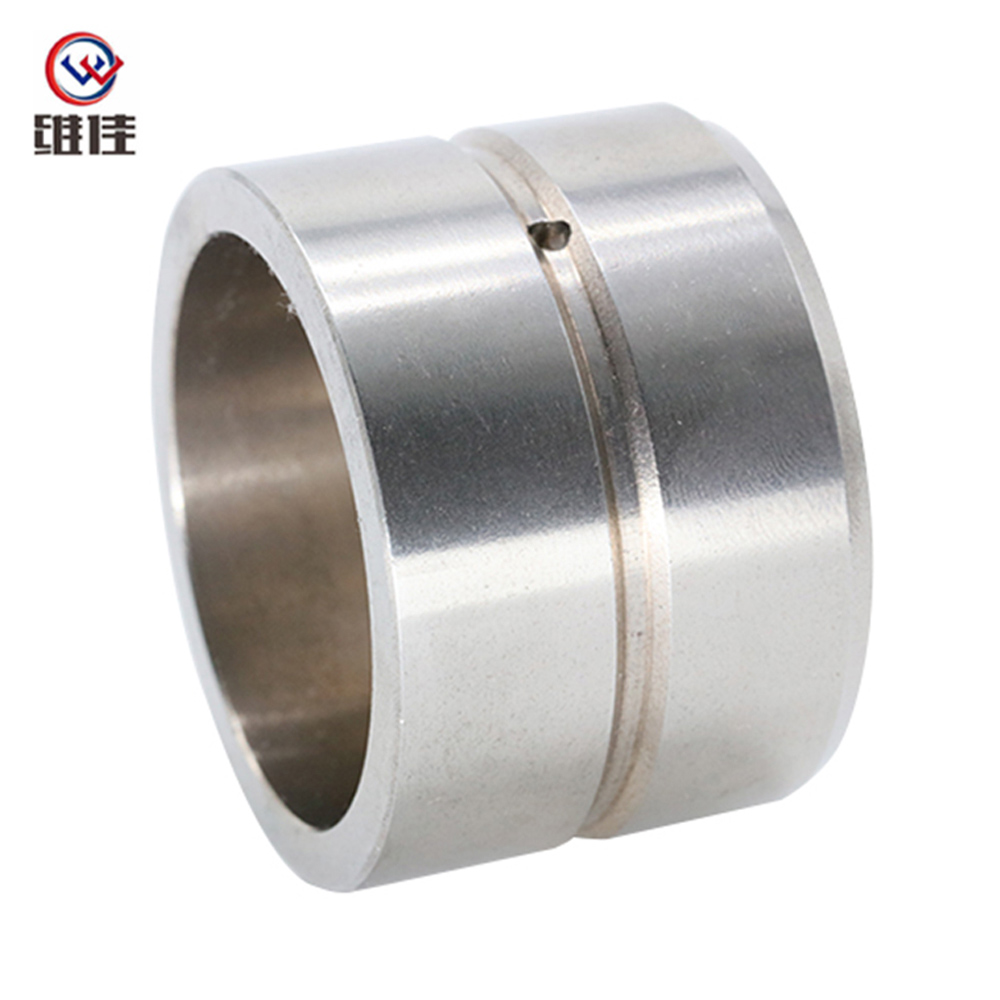
Product Overview
High Performance Sintered Self-Lubricating Bushings are precision-engineered bearing components made by compacting metal powders into a designed shape and then sintering them at elevated temperatures to create a strong, controlled microstructure. The process allows the bearing material to combine metallic strength with lubricant-retaining or lubricant-releasing properties. This is one of the key reasons powder metallurgy bushings are widely used in applications where reliability, compact size, and low maintenance are essential.
The product belongs to the category of sintered oil-impregnated bearings and self-lubricating bushings. In practical service, these bushings can operate with reduced dependence on external lubricating oil. Their self-lubricating behavior comes from the material structure, which may include interconnected porosity, oil retention, and dry solid lubricants. In advanced designs, Fe-Cu alloy provides load-bearing capacity, while graphite and molybdenum disulfide support low-friction sliding behavior. This material combination is particularly useful in reciprocating, rotating, and oscillating motion.
Compared with many standard bushings, High Performance Sintered Self-Lubricating Bushings offer improved resistance to wear, seizure, shock, and temperature-related failure. Their compressive strength enables them to support substantial static and dynamic loads, while their friction-reducing surface behavior helps protect shafts and mating components. Because they can work effectively with minimal maintenance, they are suitable for equipment where continuous operation is important and where regular lubrication is difficult or impractical.
These bushings are not limited to ordinary workshop conditions. They can be selected for high-speed equipment, high-load mechanical assemblies, high-frequency reciprocating systems, and operating environments containing dust, corrosive media, or elevated temperatures. Their ability to maintain functional stability under such conditions makes them an important choice for engineers looking to improve machine reliability while reducing service requirements.
Why Sintered Self-Lubricating Bushings Matter
Bearings and bushings are small components, but they strongly influence the efficiency, noise, reliability, and service life of machines. A poor bearing choice can lead to high friction, shaft scoring, heat generation, unstable movement, vibration, and eventual machine downtime. In many industries, downtime creates costs far beyond the price of the bearing itself. For this reason, selecting the correct bushing material and manufacturing process is a critical engineering decision.
Conventional bronze or steel bushings may provide good mechanical strength, but they often require continuous lubrication. If oil supply is interrupted, friction rises quickly and the risk of seizure increases. Polymer bushings can offer low friction, but they may not always withstand high temperatures, heavy loads, or harsh chemical conditions. Rolling bearings can reduce friction effectively in many cases, but they are more complex, sensitive to contamination, and sometimes unsuitable for oscillating or impact-loaded movements.
Sintered self-lubricating bushings fill an important performance gap. They provide a balance of strength, compact design, lubrication support, and cost efficiency. Their powder metallurgy manufacturing route allows engineers to design material composition, porosity, density, and shape with high repeatability. This is especially useful when large production volumes require consistent performance from part to part.
In many applications, the advantage is not simply lower friction. It is the combination of low maintenance, long service life, dependable load capacity, and stable operation in demanding environments. This combination gives sintered self-lubricating bushings a competitive position against traditional machined bushings, cast bearings, polymer sleeves, and some rolling bearing solutions.
Material Structure and Functional Design
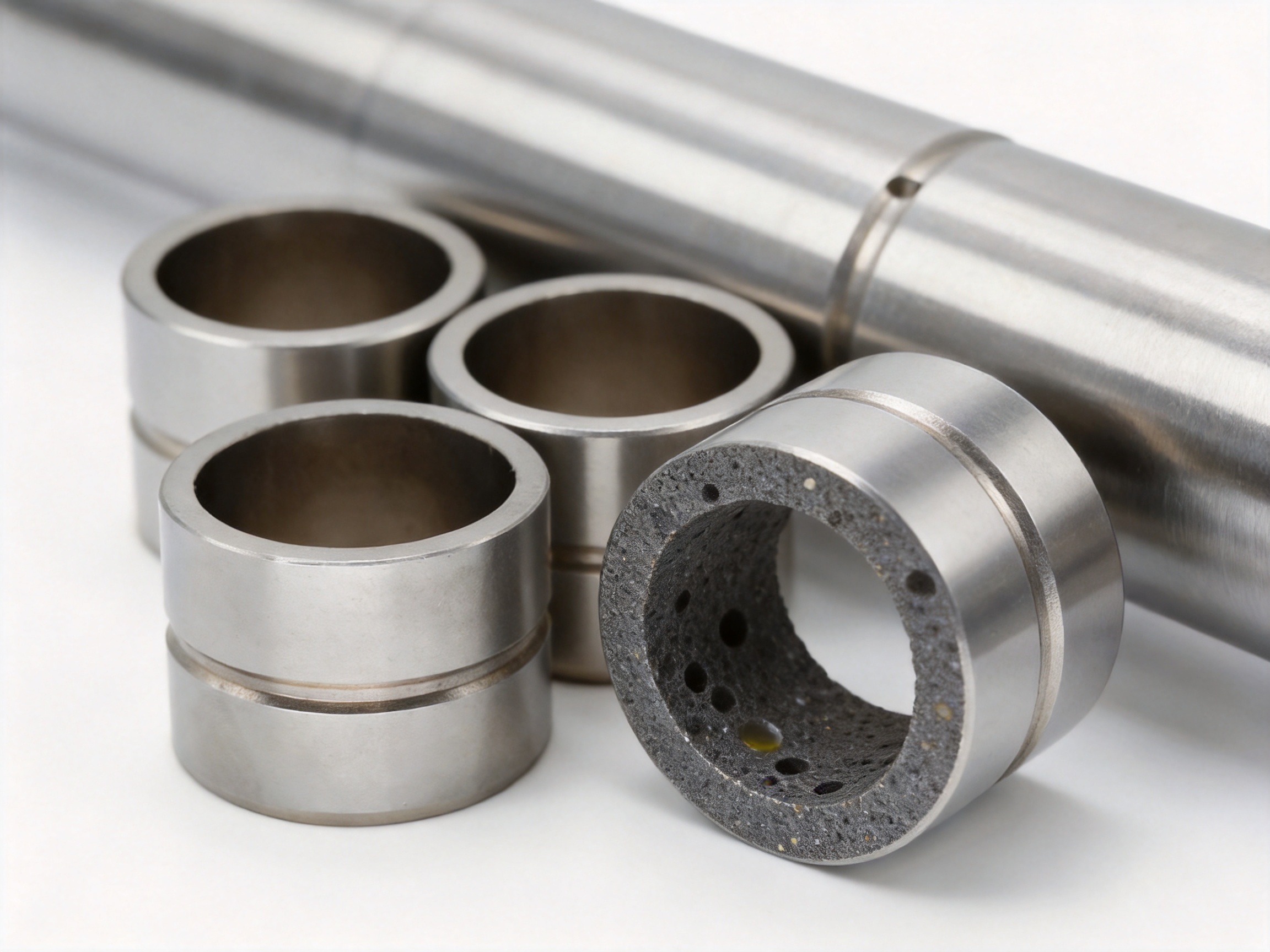
The performance of a sintered self-lubricating bushing begins with its material structure. High-performance Fe-Cu sintered alloy provides a strong metallic framework. Iron contributes strength and wear resistance, while copper can improve conformability, thermal behavior, and frictional properties. The powder metallurgy process allows these materials to be blended, compacted, and sintered into a controlled bearing structure.
Dry solid lubricants such as graphite and molybdenum disulfide may be embedded into the alloy matrix. These lubricants are valuable because they can reduce the shear force required for sliding motion. When the bushing operates against a shaft, small quantities of lubricant can transfer to the contact surface, forming a lubricating film. This film helps separate the sliding surfaces, lowers friction, reduces adhesive wear, and minimizes the risk of stuck or seized components.
The structure can also include controlled porosity. In sintered oil-impregnated bearings, porosity is not a defect; it is a functional feature. Microscopic pores can hold lubricating oil and release it during operation through capillary action and thermal effects. When the shaft rotates or oscillates, heat and pressure encourage lubricant movement toward the bearing surface. When operation stops, some oil may be reabsorbed into the porous structure. This self-regulating behavior contributes to long-term lubrication support.
The result is a bushing that does not rely only on external lubricant supply. Instead, lubrication is integrated into the component. For equipment designers, this means fewer lubrication points, reduced maintenance labor, cleaner machine layouts, and improved reliability where access is limited.
Key Performance Advantages
High Performance Sintered Self-Lubricating Bushings provide a series of advantages that address common bearing failure modes. These advantages are especially important in applications involving repeated movement, high load, elevated temperature, contamination, or restricted maintenance access.
Low Friction and Reduced Wear
The embedded lubricant system helps create a low-shear transfer film on the bearing surface. This film reduces direct metal-to-metal contact, which is one of the main causes of friction and wear. Lower friction also means less heat generation, smoother motion, and improved energy efficiency. In high-frequency motion systems, even small reductions in friction can significantly improve overall component life.
Oil-Free or Low-Maintenance Operation
Many machines require scheduled lubrication to keep traditional bearings working properly. Missed lubrication intervals can cause overheating and seizure. Sintered self-lubricating bushings reduce this risk because the lubrication function is built into the material. Depending on the application, they can operate without additional lubricating oil or with much longer maintenance intervals. This is valuable for equipment used in remote locations, sealed assemblies, automated systems, or hazardous environments.
High Load Capacity
The Fe-Cu sintered alloy structure provides strong support for both static and dynamic loads. Static loads occur when a bearing supports force without movement, while dynamic loads occur during sliding, rotating, or oscillating motion. A high-quality sintered bushing must resist deformation, cracking, and excessive wear under both conditions. These bushings are designed to handle demanding load profiles while maintaining dimensional stability.
High Thermal Stability
Temperature is a major challenge for bearing materials. Some polymers soften, creep, or lose strength at elevated temperatures. Some lubricants degrade or evaporate. High Performance Sintered Self-Lubricating Bushings are designed for long-term use in high-temperature environments, especially when solid lubricants are incorporated. Their metallic structure supports thermal conductivity and mechanical strength, while graphite and molybdenum disulfide remain effective in conditions that can be difficult for ordinary lubrication systems.
Resistance to Shock and Vibration
Industrial equipment often experiences impact loads, vibration, start-stop movement, and fluctuating forces. A bearing must resist surface fatigue and structural damage under these conditions. The sintered alloy design provides compressive strength and shock resistance, making these bushings suitable for heavy machinery, transmission systems, engine components, and reciprocating mechanisms.
Performance in Harsh Environments
Dust, corrosion, radiation, and poor lubricant cleanliness can shorten the life of conventional bearings. Sintered self-lubricating bushings can be designed for operation in dusty, corrosive, and even radioactive conditions where regular lubrication may be unsafe, ineffective, or impossible. Their simple sleeve structure also reduces the number of moving elements exposed to contamination compared with rolling bearings.
Comparison with Conventional Bearing Solutions
When evaluating bushing options, engineers often compare sintered self-lubricating bushings with machined bronze bushings, steel bushings, polymer bearings, and rolling bearings. Each option has advantages, but sintered self-lubricating bushings are particularly competitive when strength, low maintenance, cost efficiency, and stable sliding performance must be combined.
| Performance Factor | High Performance Sintered Self-Lubricating Bushings | Conventional Bronze or Steel Bushings | Polymer Bushings | Rolling Bearings |
|---|---|---|---|---|
| Lubrication Requirement | Built-in lubrication through porous structure and solid lubricants; reduced need for external oil | Usually requires regular oil or grease lubrication | Often low friction, but performance depends on material and temperature | Requires grease or oil and good sealing in many applications |
| Load Capacity | High static and dynamic load capability with Fe-Cu sintered alloy | High load capability, but lubrication-dependent | Moderate; may creep under heavy load | High in suitable operating modes, but sensitive to shock and contamination |
| Temperature Resistance | Strong thermal stability, especially with solid lubricants | Good metal strength, but lubricant may limit performance | Limited by polymer softening or creep | Limited by lubricant, seals, cage, and internal clearances |
| Maintenance Level | Low maintenance; suitable for difficult-access locations | Moderate to high maintenance | Low to moderate maintenance | Moderate maintenance; needs cleanliness and lubrication |
| Contamination Tolerance | Good in dusty or harsh environments when properly designed | Can wear quickly if lubrication becomes contaminated | Varies widely by polymer type | Often sensitive to particles and poor sealing |
| Manufacturing Efficiency | Near-net-shape powder metallurgy supports repeatable mass production | Often requires more machining and material removal | Efficient molding, but material limits may apply | More complex construction and assembly |
| Best Use Cases | High-load, high-temperature, low-maintenance sliding, rotating, oscillating, and reciprocating systems | General heavy-duty applications with reliable lubrication access | Light to medium load applications requiring low noise and corrosion resistance | High-speed rotation with clean lubrication and suitable alignment |
This comparison shows why sintered self-lubricating bushings are often selected for demanding industrial applications. They do not simply replace one type of bearing; they provide a balanced engineering solution when conventional alternatives create maintenance, durability, or environmental limitations.
Applications in Industrial Machinery
Industrial machinery requires components that can operate continuously under variable loads. Conveyors, presses, packaging equipment, textile machinery, agricultural machines, pumps, compressors, and automation systems all contain sliding or rotating points that may benefit from self-lubricating bushings. In these applications, bearing failure can stop an entire production line. A bushing that reduces lubrication dependence can directly improve uptime.
In dusty workshops, grease can attract abrasive particles. Once particles enter the contact zone, they accelerate wear and damage the shaft surface. A self-lubricating sintered bushing can reduce exposed lubricant and help maintain cleaner operation. In applications where frequent washdown or harsh cleaning is required, reduced lubrication points can also simplify maintenance procedures.
Industrial machinery often includes oscillating or reciprocating motion. Rolling bearings are not always ideal for such movement because the rolling elements may not complete full rotations, which can lead to false brinelling or localized wear. Sintered bushings, however, are well suited to oscillation and reciprocation because they support sliding contact over a broad surface area and can form a lubricating transfer film during repeated movement.
Applications in Automotive Systems
Automotive systems require compact, reliable, and cost-effective components. Sintered self-lubricating bushings are useful in transmission assemblies, engine accessories, seat mechanisms, steering components, pumps, hinges, and other moving systems. Automotive components must withstand vibration, temperature changes, start-stop operation, and long service intervals. A bushing with built-in lubrication can support these requirements while reducing assembly complexity.
In transmission and engine-related components, temperature and load can be significant. Conventional plastic bushings may not always provide enough thermal stability, while fully machined metal bushings may require dependable oil supply. Powder metallurgy bushings offer a practical middle path: metallic load capacity combined with self-lubricating behavior. This combination supports durability and helps manufacturers meet service life expectations.
Automotive manufacturing also demands consistent quality at high volumes. Powder metallurgy is well suited to this requirement because it enables near-net-shape production with repeatable dimensions and material properties. Jiande Welfine Technology Co., Ltd. supports OEM and ODM production based on drawings or samples, making it possible to tailor bushing dimensions, tolerances, material composition, and performance characteristics to specific vehicle platforms or mechanical assemblies.
Applications in Aerospace and High-Temperature Equipment
Aerospace mechanisms and high-temperature equipment place special demands on bearing materials. Components may face elevated temperatures, limited lubrication access, vibration, and strict reliability expectations. In some cases, liquid lubricants may degrade, evaporate, migrate, or become unsuitable for the environment. Solid-lubricant-enhanced sintered bushings can provide a more stable solution.
Graphite and molybdenum disulfide are commonly valued in severe sliding applications because they can reduce friction where conventional oils may be less effective. When integrated into a strong Fe-Cu sintered alloy matrix, these lubricants contribute to reliable sliding performance over extended service periods. This makes the bushings suitable for high-temperature bearings, control mechanisms, and other components where compact, maintenance-reduced sliding motion is required.
For aerospace and advanced industrial equipment, consistency is as important as material selection. Small dimensional variations or inconsistent porosity can affect performance. Advanced pressing, sintering, sizing, and inspection processes help ensure each bushing meets the required standards. Certified quality systems such as ISO 9001:2015 and IATF 16949:2016 further support process discipline and traceability.
Advantages in Reciprocating, Rotating, and Oscillating Movements
A high-performance bushing must adapt to different motion types. Rotating movement creates continuous sliding around the shaft. Reciprocating movement creates back-and-forth linear or angular travel. Oscillating movement involves repeated partial rotation. Each motion type creates different lubrication and wear challenges.
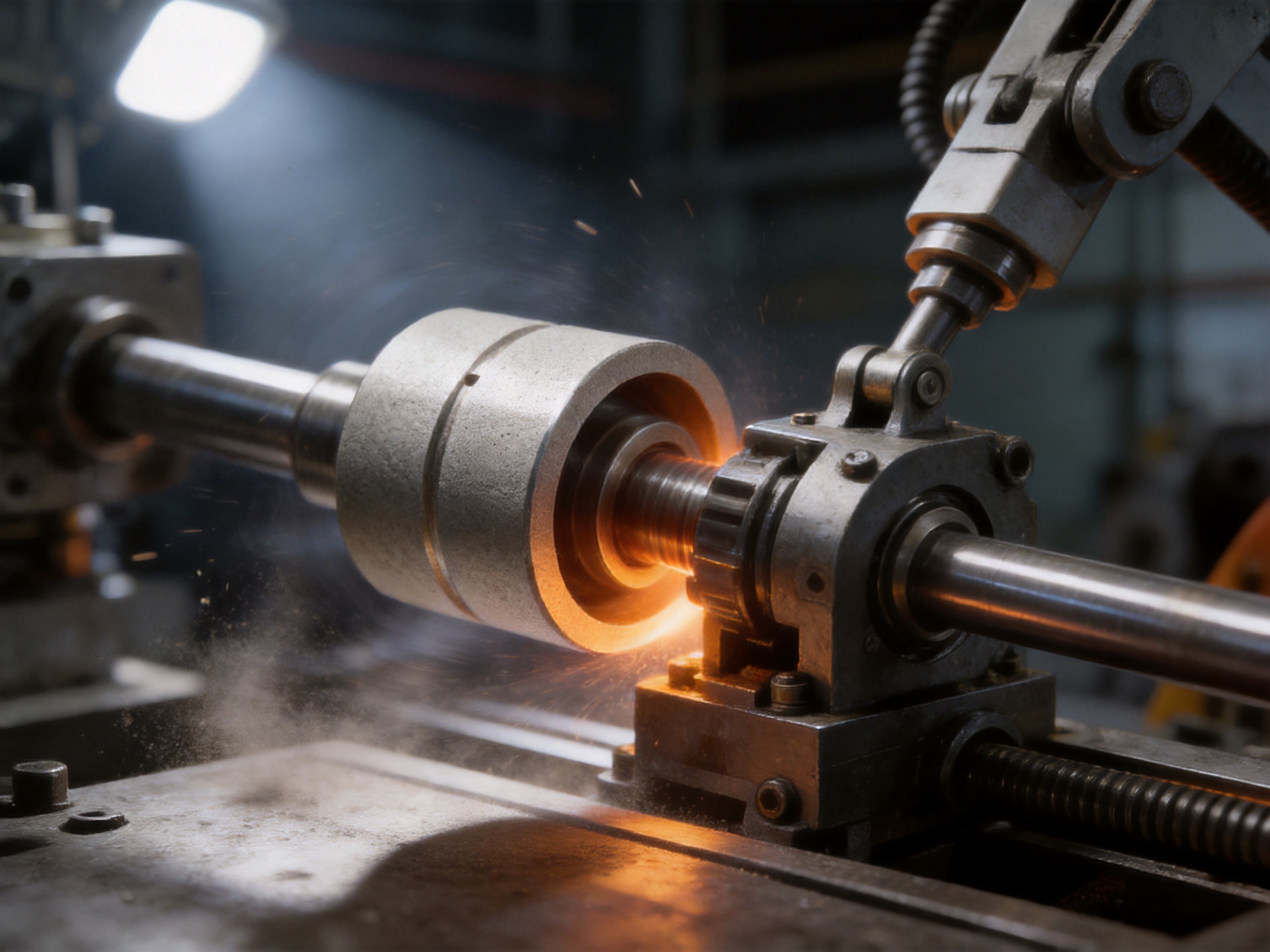
In continuous rotation, heat generation and lubricant stability are major concerns. The bushing must maintain low friction and prevent seizure. Sintered self-lubricating bushings support this through lubricant storage and transfer-film formation. In reciprocating motion, the direction reversal can squeeze lubricant away from the contact area. Solid lubricants help maintain a protective film even when hydrodynamic lubrication is limited. In oscillation, the short movement angle may prevent full lubricant distribution in rolling bearings, but sliding bushings can perform effectively because the contact surface is designed for this type of motion.
This versatility is one of the strongest advantages of High Performance Sintered Self-Lubricating Bushings. A single material concept can be adapted to many motion systems, allowing engineers to standardize bearing selection across multiple equipment designs while still customizing dimensions and tolerances as needed.
Advanced Powder Metallurgy Manufacturing Process
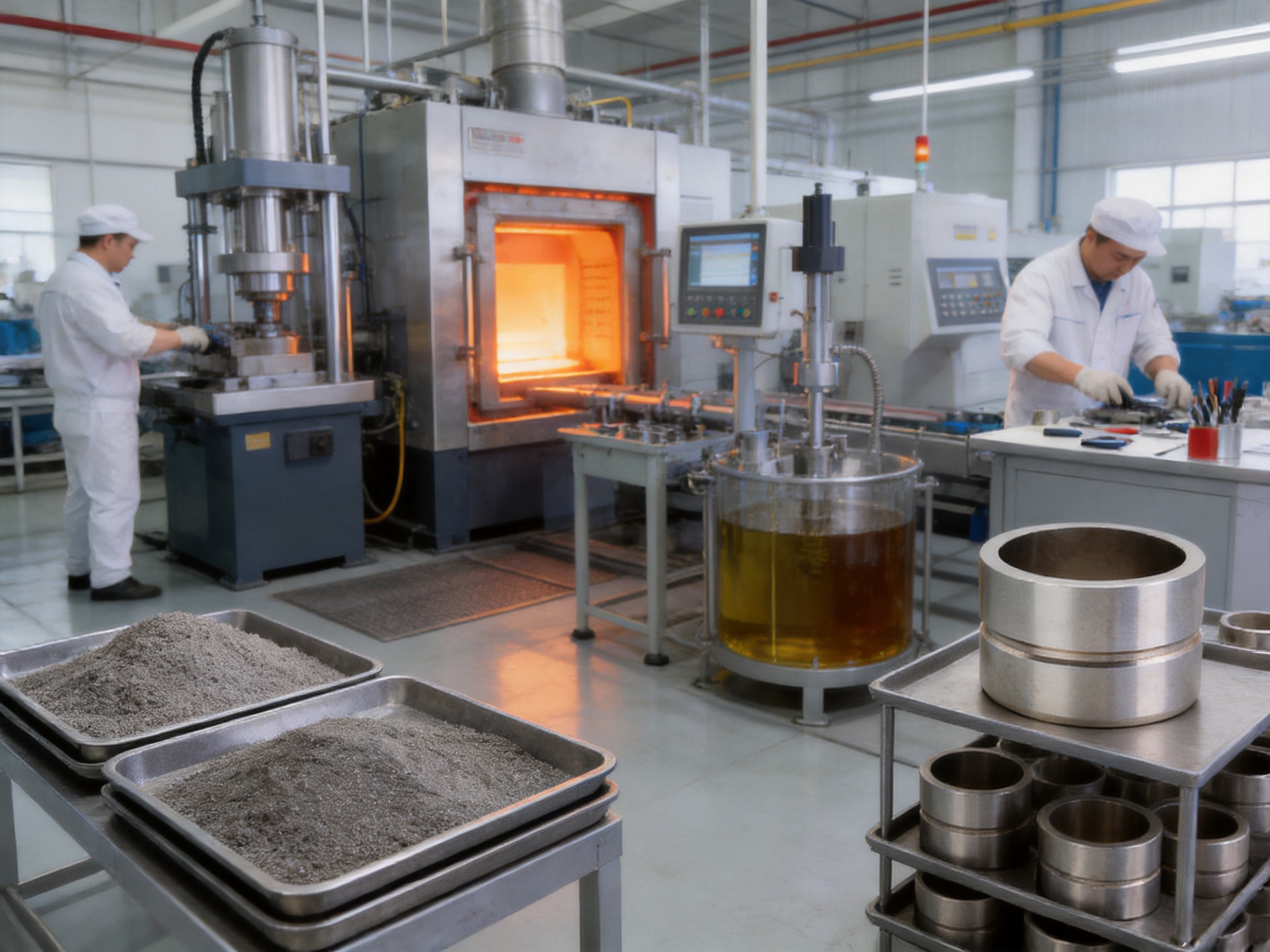
The performance of a sintered bushing depends not only on the material formula but also on manufacturing control. Powder metallurgy is a precision process that transforms selected metal powders and lubricating additives into a finished or near-finished bearing component. Each stage influences density, porosity, strength, dimensional accuracy, and friction behavior.
Powder Selection and Mixing
The process begins with selecting suitable metal powders, such as iron and copper-based powders, along with functional additives. The particle size, shape, purity, and distribution all affect compaction behavior and final properties. Lubricating additives such as graphite or molybdenum disulfide may be blended into the material system according to the required performance. Accurate mixing is essential to ensure uniform composition throughout the batch.
Compaction and Pressing
After mixing, the powder is pressed into a die under high pressure. This creates a green compact with the general shape of the final bushing. Pressing quality affects density distribution, dimensional accuracy, and mechanical strength. Modern high-efficiency presses allow consistent forming of bushings with stable wall thickness, bore geometry, and external dimensions. Near-net-shape forming reduces the need for extensive machining and improves material utilization.
High-Temperature Sintering
The compacted part is then sintered in a controlled furnace atmosphere. During sintering, particles bond together metallurgically, forming a strong structure while preserving designed porosity where required. Sintering temperature, time, atmosphere, and cooling conditions must be carefully controlled. Advanced high-temperature sintering furnaces support stable mechanical properties and repeatable production quality.
Sizing and Precision Forming
After sintering, bushings may undergo sizing or calibration. This process improves dimensional accuracy, roundness, and surface quality. For bearing applications, bore tolerance and geometry are especially important because they influence clearance, oil film behavior, shaft fit, noise, and wear. Precision forming machines help achieve consistent dimensions for OEM and ODM requirements.
Oil Impregnation and Lubricant Integration
For oil-impregnated designs, the porous structure can be filled with lubricant under controlled conditions. Vacuum impregnation or similar methods may be used to ensure lubricant enters the interconnected pores. For solid-lubricant designs, graphite and molybdenum disulfide are already integrated into the material system and contribute to transfer-film formation during operation. The selected lubrication method depends on application speed, load, temperature, environment, and maintenance strategy.
Inspection and Quality Control
Final inspection verifies dimensional tolerances, density, hardness, surface condition, and other performance-related characteristics. Quality control is critical because small changes in porosity or bore size can alter bearing behavior. A systematic inspection process ensures consistency from prototype samples to mass production.
Company Manufacturing Strengths
Jiande Welfine Technology Co., Ltd. was established in 2001 and has developed into a high-tech enterprise integrating research and development, production, and sales. The company focuses on powder metallurgy sintering and related precision machining, with product categories covering powder metallurgy bushings, self-lubricating bushings, and various precision structural parts. This long-term focus gives the company deep experience in both material behavior and application engineering.
The company operates a modern production base of 13,039 square meters in Jiande City, Zhejiang Province, China. Its manufacturing resources include high-efficiency presses, high-temperature sintering furnaces, precision forming machines, and testing equipment. These capabilities allow the company to manage key production stages internally, from forming and sintering to sizing and inspection. Internal process control helps ensure stable quality and faster response to customer requirements.
With more than 150 skilled employees and over 20 years of industry experience, the company can support both standard production and customized projects. Customers can provide drawings or samples, and the engineering team can develop OEM or ODM bushing solutions based on size, load, speed, operating temperature, shaft material, lubrication expectation, and environmental conditions. This customization capability is important because bearing performance depends heavily on the match between material, design, and application.
Quality management is another important strength. The company strictly implements quality management systems and has passed ISO 9001:2015 and IATF 16949:2016 certifications. ISO 9001 supports systematic quality control, process improvement, and customer satisfaction. IATF 16949 is especially important for automotive supply chains, where defect prevention, traceability, and continuous improvement are essential. These certifications show that the company is prepared to serve demanding industrial and automotive customers.
Advantages Over Competitors
In a competitive bearing market, product value is determined by more than basic material composition. Customers need reliability, repeatability, engineering support, customization, and delivery stability. High Performance Sintered Self-Lubricating Bushings supplied by an experienced powder metallurgy manufacturer offer several advantages compared with ordinary or low-cost alternatives.
More Integrated Lubrication Performance
Some competitor bushings rely primarily on external oil or grease. If lubrication is insufficient, their performance declines quickly. These sintered self-lubricating bushings are designed with lubrication integrated into the material structure. The use of porous sintered alloy and dry solid lubricants helps maintain sliding performance even when external lubrication is limited. This reduces seizure risk and supports longer service intervals.
Stronger Material Engineering
Basic bushings may use generic bronze, steel, or polymer materials without optimization for high load and high temperature. The Fe-Cu sintered alloy structure provides a strong balance of compressive strength, wear resistance, and thermal stability. Embedded graphite and molybdenum disulfide add friction-reducing function. This combination is more suitable for severe applications than many standard sleeve bearings.
Better Production Repeatability
Powder metallurgy enables repeatable mass production when process parameters are well controlled. Advanced presses, sintering furnaces, and precision forming equipment support stable density, dimensions, and performance. Compared with fully machined parts, near-net-shape production can reduce material waste and improve manufacturing efficiency. Compared with less controlled sintering operations, advanced process management helps reduce variation between batches.
Customization for Real Operating Conditions
Many bearing failures occur because a standard component is used in a nonstandard application. Customized OEM and ODM support allows the bushing design to reflect actual working conditions. Bore size, outer diameter, length, wall thickness, material composition, porosity, lubricant type, and tolerance can be adjusted according to the application. This engineering flexibility is a major advantage over suppliers offering only standard catalog parts.
Certified Manufacturing Discipline
Certification to ISO 9001:2015 and IATF 16949:2016 supports consistent quality management. For customers in automotive, machinery, and other regulated industries, this reduces supplier risk. It also demonstrates that the company follows structured procedures for production control, inspection, corrective action, and continuous improvement.
Design Considerations for Selecting the Right Bushing
To achieve the best performance, engineers should consider operating conditions carefully before selecting a bushing. The first factor is load. Both maximum static load and operating dynamic load should be reviewed. If the bushing is overloaded, wear may accelerate or deformation may occur. The second factor is speed. Sliding speed affects heat generation and lubricant film behavior. High-speed applications require careful attention to clearance, surface finish, and thermal stability.
Temperature is another important factor. If the application involves high ambient temperature or friction-generated heat, the material and lubricant system must remain stable. Solid lubricants such as graphite and molybdenum disulfide can be helpful in these conditions. Environmental exposure should also be evaluated. Dust, moisture, corrosive chemicals, or radiation can affect bearing life. A sintered self-lubricating bushing may be preferred where external grease would attract contaminants or where maintenance is difficult.
Shaft material and surface finish influence performance as well. A rough shaft can damage the bushing surface and disrupt the transfer film. A suitable shaft hardness and finish help reduce wear and improve life. Clearance must also be properly designed. Too little clearance can cause overheating or seizure, while too much clearance can create noise, vibration, and uneven load distribution.
Because these variables interact, customized engineering support is valuable. By reviewing drawings, samples, and working conditions, the manufacturer can recommend a suitable material structure and dimensional design. This helps customers avoid premature failure and obtain the full benefit of self-lubricating technology.
Quality, Testing, and Reliability
Reliable bushings require consistent control of both visible and invisible characteristics. Visible features include dimensions, surface condition, chamfers, and bore geometry. Invisible features include density, porosity distribution, lubricant content, metallurgical bonding, and internal defects. A strong quality system must address all of these factors.
Dimensional testing confirms that the bushing will fit correctly in the housing and provide the required shaft clearance. Density and hardness testing help verify mechanical properties. Surface inspection helps identify cracks, chips, or forming defects. For special applications, additional performance testing may evaluate wear rate, friction behavior, oil content, compressive strength, or thermal performance.
Repeatability is especially important for mass production. A single good sample is not enough; customers need every batch to perform consistently. Advanced production equipment and standardized procedures support batch-to-batch stability. Certified quality systems further reinforce inspection discipline, documentation, and continuous improvement.
For customers, reliable quality reduces assembly problems, warranty risk, and machine downtime. It also simplifies procurement because the bushing supplier can be trusted as a long-term manufacturing partner rather than only a parts vendor.
Maintenance and Service Life Benefits
One of the strongest reasons to choose sintered self-lubricating bushings is maintenance reduction. In many machines, lubrication points are difficult to reach, overlooked during service, or exposed to contamination. Each lubrication point requires labor, lubricant inventory, maintenance planning, and sometimes machine shutdown. Reducing these requirements can create significant lifetime cost savings.
Self-lubricating bushings help simplify equipment design. Designers may reduce grease fittings, oil lines, reservoirs, or lubrication channels depending on the application. Cleaner operation is also possible because less external oil or grease is required. This is valuable in equipment where lubricant leakage can contaminate products, attract dust, or create housekeeping issues.
Long service life comes from the combination of wear-resistant alloy structure and friction-reducing lubrication behavior. Lower wear helps maintain clearance, alignment, and motion stability over time. Reduced friction lowers heat generation, which protects both the bushing and the shaft. Improved seizure resistance helps avoid sudden failures that can damage surrounding components.
While no bearing is completely maintenance-free in every application, a properly selected sintered self-lubricating bushing can dramatically reduce maintenance frequency and improve reliability. This makes it an excellent choice for automated machinery, sealed assemblies, remote equipment, and high-duty-cycle systems.
Environmental and Cost Efficiency
High Performance Sintered Self-Lubricating Bushings also support environmental and cost-efficiency goals. Reduced lubricant consumption means less oil or grease is used over the life of the equipment. Lower leakage risk helps keep machines and work areas cleaner. Longer service life reduces part replacement frequency and the waste associated with failed components.
Powder metallurgy itself can be an efficient manufacturing process. Because parts are formed close to final shape, material waste is often lower than with machining from solid bar stock or cast blanks. This near-net-shape advantage can reduce production cost and improve resource utilization, especially for high-volume components.
From a total cost perspective, the purchase price of a bushing is only one part of the equation. Engineers should also consider installation time, lubrication labor, downtime, replacement frequency, shaft damage, and failure consequences. A higher-performance self-lubricating bushing can offer better overall value by extending service intervals and reducing unplanned maintenance.
OEM and ODM Customization
Different applications require different bushing designs. A bushing for an automotive transmission component may need different tolerances, lubricant behavior, and material density than a bushing for agricultural equipment or aerospace machinery. OEM and ODM customization allows the product to be designed around actual performance requirements rather than forcing the application to adapt to a standard component.
Customization can include inner diameter, outer diameter, length, flange structure, groove design, chamfers, tolerance class, material composition, lubricant type, density, porosity, and post-processing. Customers may provide drawings or samples, and the manufacturer can evaluate manufacturability and recommend improvements. This collaborative process is especially useful when customers want to replace a failing bearing, reduce lubrication requirements, lower cost, or improve service life.
Jiande Welfine Technology Co., Ltd. has the manufacturing equipment and engineering experience to support such customized projects. Its powder metallurgy specialization allows it to provide solutions across powder metallurgy structural parts, oil-impregnated bearings, bushings, friction materials, magnetic materials, and related precision components. This broad technical foundation supports complex customer requirements and long-term cooperation.
Practical Engineering Benefits
For machine designers, these bushings offer several practical benefits. Their compact sleeve form can be installed in limited spaces. Their sliding contact design distributes load over a relatively large area. Their self-lubricating behavior helps protect against maintenance errors. Their high thermal stability allows them to work in conditions that may be unsuitable for many polymer bearings. Their ability to handle static and dynamic loads makes them suitable for diverse motion systems.
For purchasing teams, powder metallurgy bushings can offer cost-effective mass production and stable supply. Near-net-shape manufacturing reduces unnecessary machining, and certified quality systems support consistent deliveries. For maintenance teams, fewer lubrication requirements and lower seizure risk simplify daily work. For equipment owners, longer service life and reduced downtime improve operating economics.
These benefits explain why sintered self-lubricating bushings are widely used across industrial machinery, automotive systems, aerospace mechanisms, high-temperature equipment, and other demanding applications. They represent a mature but still highly valuable bearing technology, especially when supported by an experienced manufacturer with advanced production capability.
Q&A Section
What are High Performance Sintered Self-Lubricating Bushings?
They are precision bushings manufactured through powder metallurgy and sintering. Their material structure can combine Fe-Cu alloy strength, controlled porosity, and solid lubricants such as graphite and molybdenum disulfide. This allows them to provide low-friction sliding performance with reduced dependence on external oil or grease.
How do these bushings lubricate themselves?
Self-lubrication is achieved through the material structure. In oil-impregnated designs, microscopic pores store lubricant and release it during operation. In solid-lubricant-enhanced designs, graphite and molybdenum disulfide form a low-shear transfer film on the bearing surface. Both mechanisms help reduce friction and wear.
Are they suitable for high-temperature applications?
Yes. The metallic Fe-Cu sintered alloy structure provides thermal stability, while solid lubricants can support sliding performance in elevated-temperature environments where ordinary lubricants or polymer materials may be limited.
Can they operate without additional lubricating oil?
Depending on the working conditions, they can operate with little or no external lubricating oil. However, the final recommendation depends on load, speed, temperature, shaft material, environmental conditions, and expected service life. For severe applications, engineering evaluation is recommended.
What movements are these bushings suitable for?
They are suitable for rotating, reciprocating, and oscillating movements. This makes them useful in industrial machinery, automotive components, aerospace mechanisms, pumps, transmissions, hinges, linkages, and high-frequency motion systems.
How do they compare with ordinary bronze bushings?
Ordinary bronze bushings often require regular lubrication. If lubrication is interrupted, wear and seizure risk increase. Sintered self-lubricating bushings integrate lubrication into the material structure, reducing maintenance requirements and improving reliability in difficult-access or harsh environments.
Why is powder metallurgy important for these bushings?
Powder metallurgy allows controlled material composition, porosity, density, and near-net-shape forming. This enables repeatable production of bushings with integrated lubrication properties and consistent dimensions, which is difficult to achieve through ordinary machining alone.
Can the bushings be customized?
Yes. OEM and ODM customization can be provided based on customer drawings or samples. Dimensions, tolerances, material composition, porosity, lubrication design, and finishing processes can be adapted to specific application requirements.
What industries commonly use these bushings?
They are commonly used in industrial machinery, automotive transmission and engine components, aerospace systems, high-temperature equipment, agricultural machinery, automation equipment, and other systems requiring reliable low-maintenance sliding motion.
What makes the manufacturer a reliable supplier?
The manufacturer has more than 20 years of powder metallurgy experience, a 13,039-square-meter production base, advanced presses, high-temperature sintering furnaces, precision forming machines, skilled employees, OEM and ODM capability, and ISO 9001:2015 and IATF 16949:2016 certifications.
Conclusion
High Performance Sintered Self-Lubricating Bushings provide a strong solution for modern motion systems that require low friction, high load capacity, long service life, and reduced maintenance. By combining Fe-Cu sintered alloy strength with lubricant-retaining porosity and dry solid lubricants such as graphite and molybdenum disulfide, these bushings deliver reliable performance in rotating, reciprocating, and oscillating applications.
Their advantages over many conventional bearing solutions include reduced dependence on external lubrication, excellent wear resistance, strong compressive strength, shock resistance, high thermal stability, and suitability for dusty, corrosive, radioactive, or difficult-maintenance environments. For industrial machinery, automotive components, aerospace systems, and high-temperature equipment, these benefits can translate into lower downtime, cleaner operation, reduced maintenance cost, and improved equipment reliability.
Just as important, the product is supported by advanced powder metallurgy manufacturing capability. Controlled powder mixing, high-pressure compaction, high-temperature sintering, precision sizing, lubricant integration, and systematic inspection all contribute to consistent quality. Jiande Welfine Technology Co., Ltd. strengthens this value with decades of experience, modern equipment, skilled teams, OEM and ODM customization, and certified quality management systems.
For engineers and purchasing teams seeking a durable, efficient, and customizable bearing solution, High Performance Sintered Self-Lubricating Bushings offer a practical path toward improved mechanical reliability and lower lifetime operating cost.
References
1. German, R. M. Powder Metallurgy and Particulate Materials Processing. Metal Powder Industries Federation.
2. ASM International. ASM Handbook, Volume 7: Powder Metal Technologies and Applications.
3. Neale, M. J. The Tribology Handbook. Butterworth-Heinemann.
4. Stachowiak, G. W., and Batchelor, A. W. Engineering Tribology. Butterworth-Heinemann.
5. ISO 9001:2015 Quality Management Systems Requirements.
6. IATF 16949:2016 Quality Management System Standard for Automotive Production and Relevant Service Parts Organizations.
Product: High Performance Sintered Self-lubricating Bushings

Related products
-
-
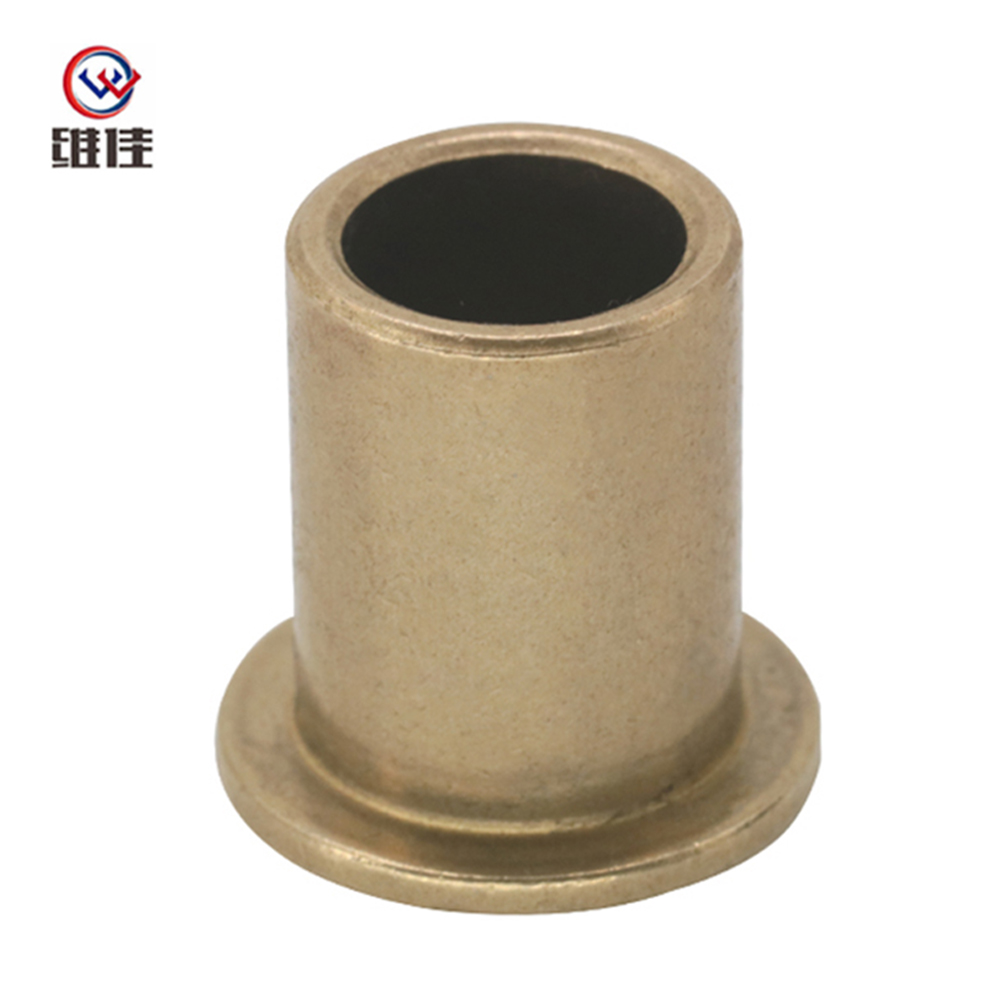
Our sintered bronze self-lubricating bearings are engineered for demanding industrial applications where traditional lubrication is impractical. Designed with advanced powder metallurgy technology, th...
See Details -
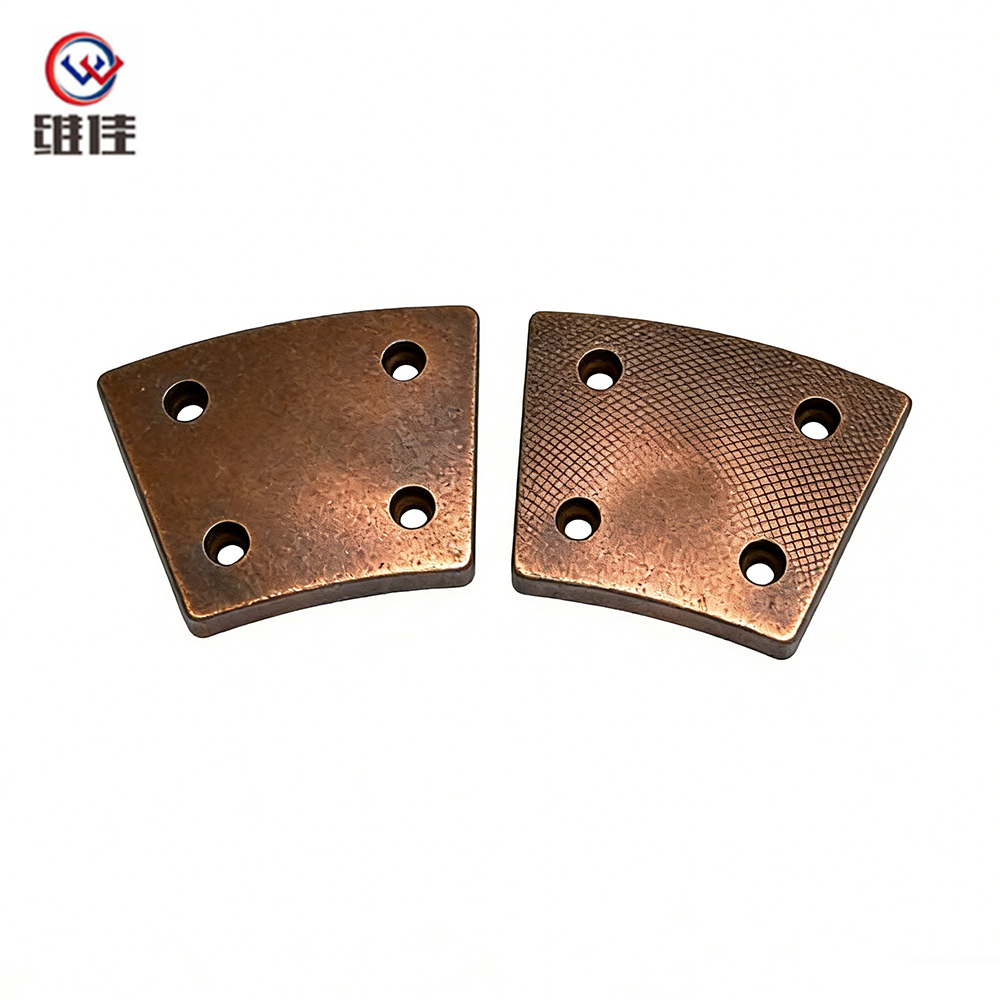
Description: 79.5×62×7.3mm copper-based brake pad with 4-hole design. Density 6.2g/cm³, weight 195g. Free from graphite segregation, cracks, and defects. Ideal for heavy-duty industrial braking system...
See Details
Copyright © Jiande Welfine Technology Co., Ltd. All Rights Reserved. Custom Self-lubricating Sintered Bushing Manufacturers
