E-mail us: [email protected]
Tel: +86-15239857375
 English
 中文简体
中文简体

 Home / Author / Luo Qian — Product Sales Supervisor / High-Precision Powder Metallurgy Components for Industrial Fuel Heaters
 High-Precision Powder Metallurgy Components for Industrial Fuel Heaters
 2026.06.30
 Luo Qian — Product Sales Supervisor
Content
- 1 Product Overview
- 2 Core Product Parameters
- 3 Material Advantage: FC0208 Iron-Copper-Carbon Powder Metallurgy Alloy
- 4 Why Powder Metallurgy Is Ideal for Industrial Fuel Heater Components
- 5 Manufacturing Process and Technical Control
- 6 Performance Advantages in Industrial Fuel Heaters
- 7 Advantages Over Competing Manufacturing Methods
- 8 Application Areas
- 9 Company Manufacturing Strength
- 10 Quality Control System
- 11 Customization and Engineering Support
- 12 Why This Product Stands Out
- 13 Packaging, Storage, and Delivery Protection
- 14 Q&A Section
- 14.1 Q1: What is the main application of this powder metallurgy component?
- 14.2 Q2: What material is used for this product?
- 14.3 Q3: Why is FC0208 suitable for industrial heater components?
- 14.4 Q4: What is the purpose of black oxide treatment?
- 14.5 Q5: How does powder metallurgy reduce production cost?
- 14.6 Q6: Can the product be customized?
- 14.7 Q7: What quality inspections are performed?
- 14.8 Q8: What makes this product better than cast or fully machined alternatives?
- 14.9 Q9: Is the component suitable for long-term continuous operation?
- 14.10 Q10: What certifications support the manufacturer’s quality capability?
- 15 Conclusion
- 16 References
- 17 Product: Powder Metallurgy Components for Industrial Fuel Heaters
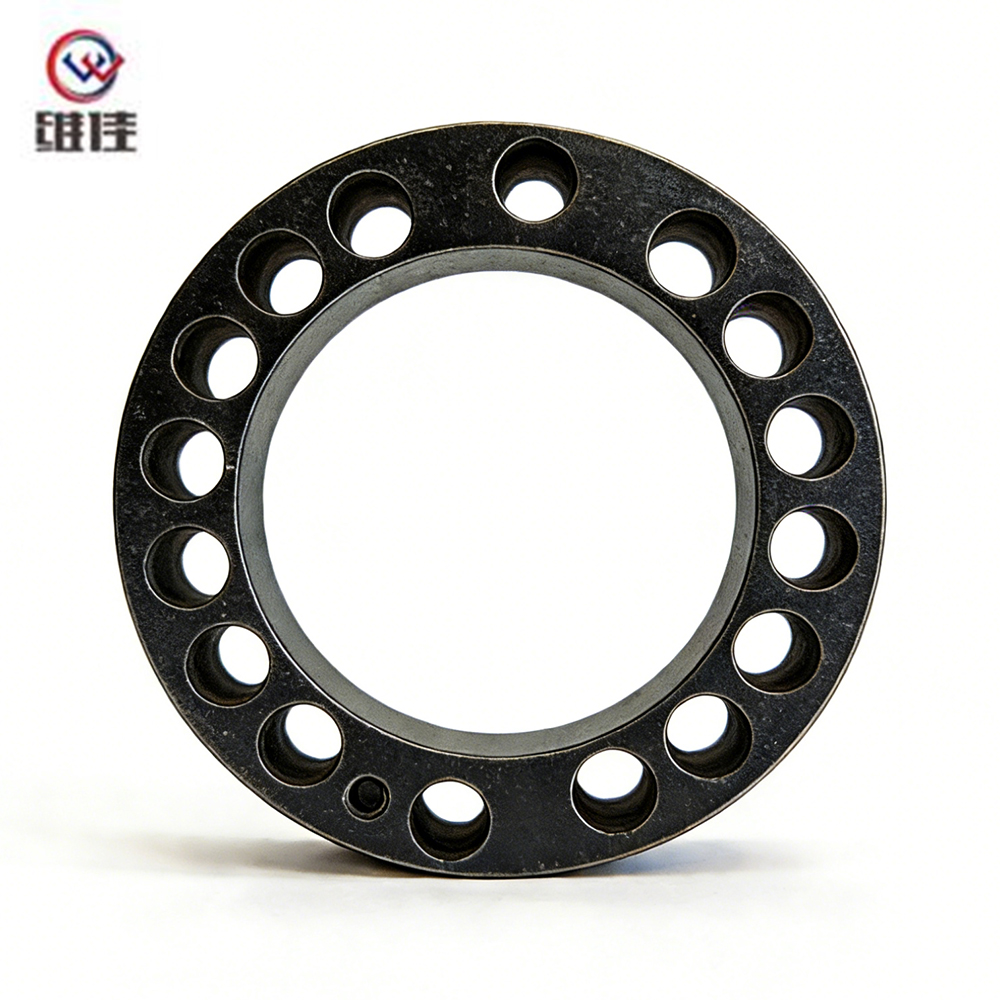
Powder Metallurgy Components for Industrial Fuel Heaters
Product Overview
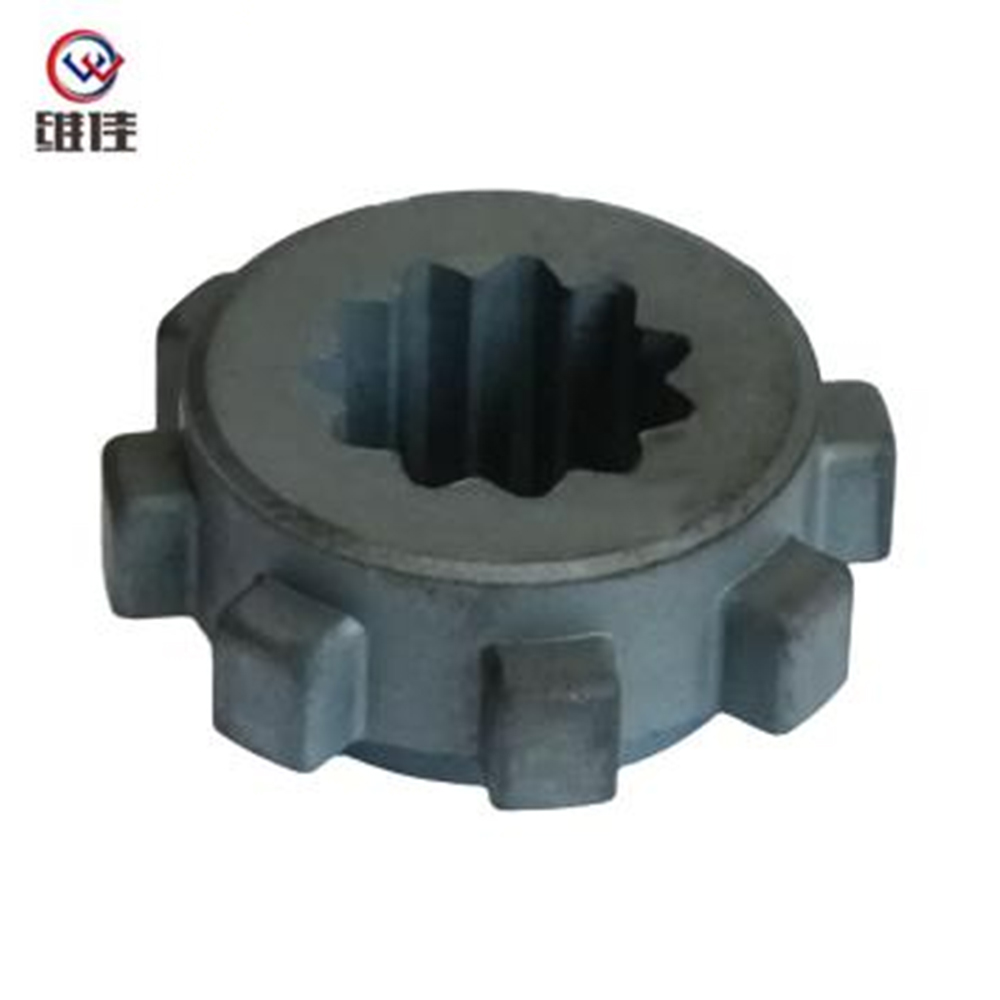
Powder metallurgy components for industrial fuel heaters are engineered structural parts designed to perform reliably in demanding heating equipment, including industrial fuel heaters, diesel warm air heaters, industrial hot air blowers, and high-power hot air generators. The product is manufactured from FC0208 iron-based powder metallurgy material, also known as Fe-2Cu-0.8C, and is produced through a controlled sequence of powder compaction, sintering, machining, blackening, inspection, and packaging.
This component is not a general-purpose metal part. It is a precision structural element developed for equipment that must operate under high temperature, vibration, airflow impact, and long-term continuous working conditions. In industrial heating systems, even small dimensional deviations or unstable mechanical properties may affect assembly accuracy, service life, noise level, and overall equipment reliability. For this reason, a powder metallurgy solution offers clear advantages over conventional casting, forging, or fully machined components.
The product model PM-FC0208-60.6×88.9×15.84 has dimensions of 60.6 mm × 88.9 mm × 15.84 mm and is designed to provide a stable balance between strength, wear resistance, machinability, and cost efficiency. Through powder metallurgy forming, the component can achieve high repeatability in mass production while reducing material waste and maintaining stable performance from batch to batch.
The black oxide surface treatment provides additional rust prevention and improves the product’s suitability for storage, transportation, and service in environments where moisture, temperature change, and oxidation may be present. Combined with precision machining and strict inspection, the component delivers high interchangeability, making it suitable for OEM and ODM production programs requiring consistent assembly performance.
Core Product Parameters
| Item | Specification |
|---|---|
| Product Name | Powder Metallurgy Structural Part for Industrial Fuel Heaters |
| Product Model | PM-FC0208-60.6×88.9×15.84 |
| Material | FC0208, Fe-2Cu-0.8C |
| Dimensions | 60.6 mm × 88.9 mm × 15.84 mm |
| Product Category | Iron-based structural components |
| Process Flow | Powder compaction, sintering, machining, blackening, packaging |
| Surface Treatment | Black oxide coating |
| Main Applications | Industrial fuel heaters, diesel heaters, industrial hot air blowers |
| Customization | Available according to 2D drawings, 3D drawings, or samples |
Material Advantage: FC0208 Iron-Copper-Carbon Powder Metallurgy Alloy
FC0208 is a widely used iron-copper-carbon powder metallurgy material selected for structural parts that require strength, dimensional stability, wear resistance, and reliable machinability. The material designation indicates an iron-based composition with approximately 2% copper and 0.8% carbon. Copper contributes to strength and dimensional control during sintering, while carbon improves hardness and wear resistance after sintering.
For industrial fuel heater applications, this material combination is especially practical. Heater components may face thermal cycling, vibration from motors or fans, and repeated mechanical loading. FC0208 offers a balanced structure that can withstand medium-load service while allowing secondary machining to achieve tighter tolerances where necessary.
Compared with ordinary low-carbon steel parts, FC0208 powder metallurgy components can be produced closer to the final shape, reducing the need for extensive cutting. Compared with some cast components, powder metallurgy provides better dimensional repeatability and more consistent density distribution when the forming and sintering parameters are properly controlled. Compared with plastic or zinc alloy alternatives, FC0208 delivers superior heat resistance, mechanical strength, and long-term durability in hot working environments.
The material also supports mass production consistency. In industrial heater manufacturing, a stable supply of identical components is essential. FC0208 can be processed in large batches with controlled density, hardness, and dimensional accuracy, helping manufacturers reduce assembly variation and after-sales maintenance issues.
Why Powder Metallurgy Is Ideal for Industrial Fuel Heater Components
Powder metallurgy is a manufacturing technology in which metal powders are blended, compacted under pressure, and sintered at high temperature to form solid metal components. The process is highly suitable for producing structural parts with complex shapes, controlled porosity, and repeatable dimensions.
Industrial fuel heaters often require compact structural parts that must fit precisely into limited assembly spaces. Conventional machining from solid bar stock can generate high material waste, especially when the part geometry includes holes, steps, grooves, or non-standard profiles. Powder metallurgy reduces this waste by forming the part close to its final shape before machining. This near-net-shape capability is one of the main reasons powder metallurgy is cost-effective for medium and large production volumes.
Another important advantage is repeatability. Once the tool design, powder formula, compaction pressure, sintering temperature, and machining parameters are fixed, the process can produce large quantities of parts with consistent dimensions and mechanical properties. This is critical for heater manufacturers that require stable performance across thousands or millions of units.
Powder metallurgy also allows engineers to select material systems according to the application. For example, FC0205, FC0208, and other iron-based materials can be selected depending on strength, hardness, machinability, and cost requirements. Surface treatments such as blackening, oil impregnation, zinc plating, or other anti-corrosion methods can also be applied to match different service environments.
Manufacturing Process and Technical Control
Powder Mixing and Material Preparation
The process begins with powder mixing and formulation. Iron powder, copper powder, graphite, and other required elements are prepared according to the FC0208 material specification. Proper powder mixing is essential because the final strength, hardness, and dimensional consistency depend on uniform distribution of alloying elements.
In advanced powder metallurgy production, powder flowability, apparent density, particle size distribution, and lubricant content are carefully controlled. Stable powder characteristics help ensure that each cavity in the compaction mold is filled uniformly. This reduces density variation and improves the consistency of sintered properties.
High-Precision Compaction
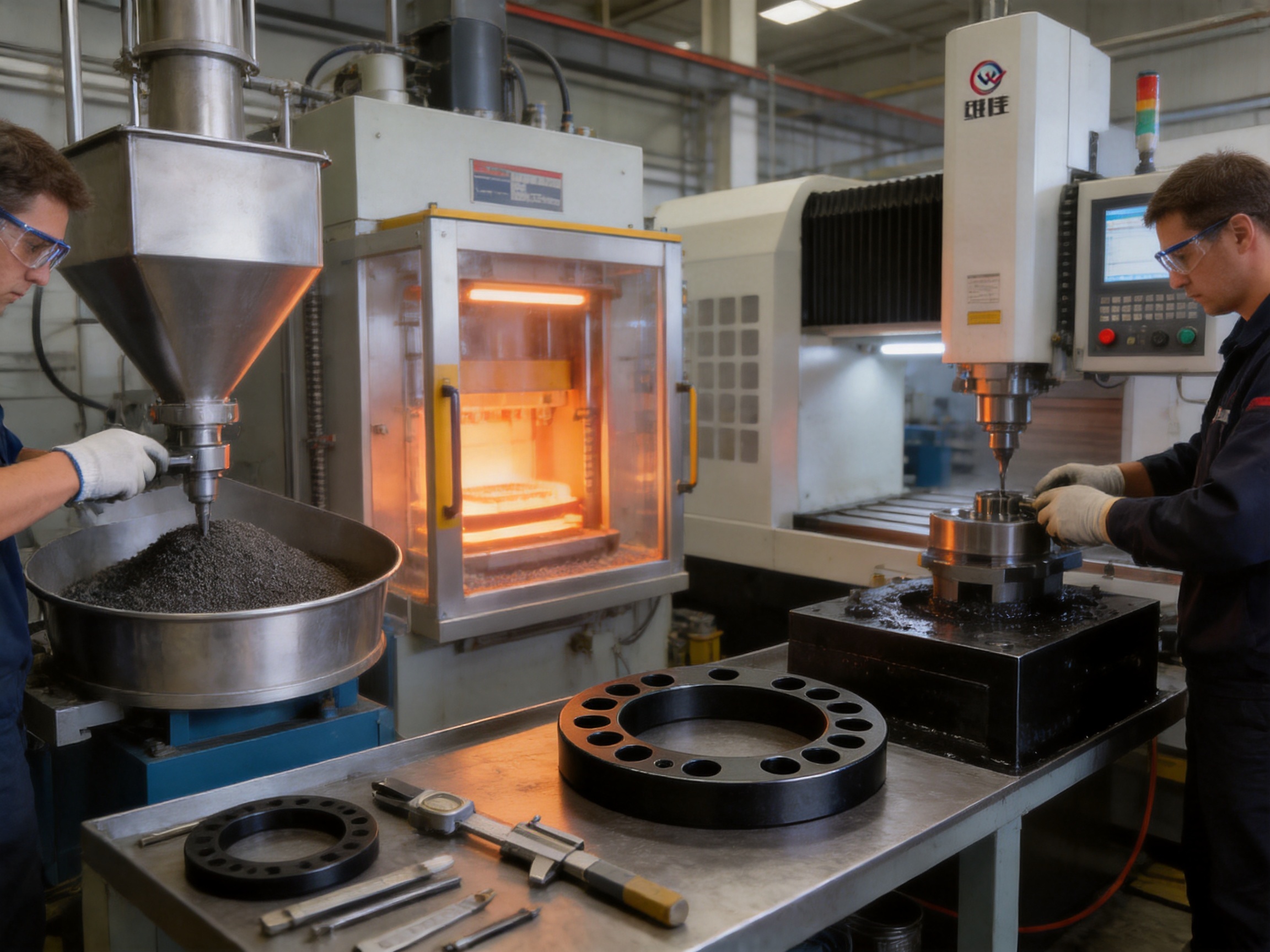
After powder preparation, the material is compacted in a precision mold. The compaction stage determines the green density, shape accuracy, and initial strength of the component before sintering. High-efficiency presses and precision tooling allow the part to be formed close to its final geometry.
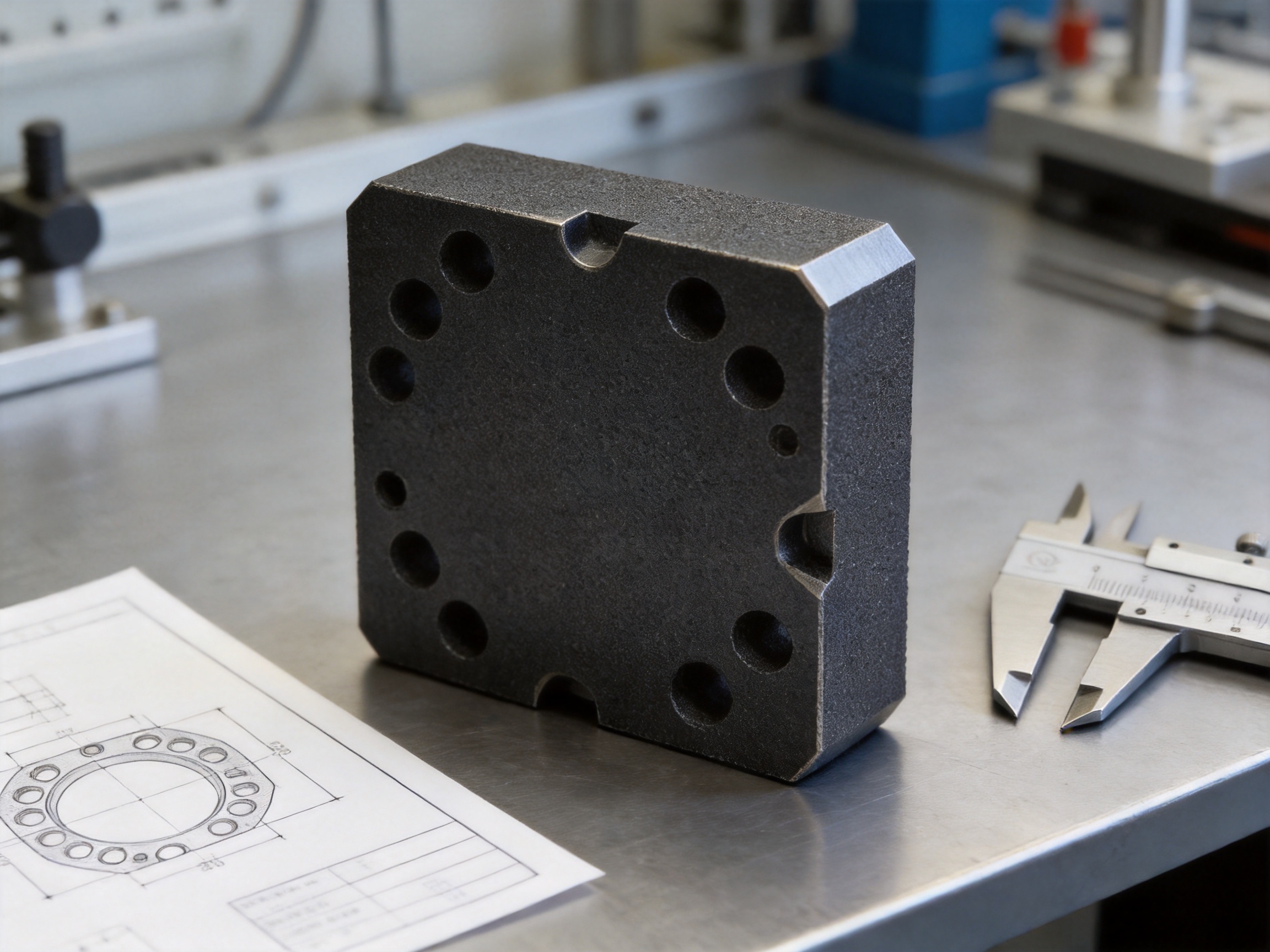
For a component with dimensions of 60.6 mm × 88.9 mm × 15.84 mm, tool design is extremely important. The tooling must account for powder flow, shrinkage during sintering, ejection force, edge integrity, and dimensional compensation. A well-designed mold improves productivity while reducing cracking, deformation, and dimensional drift.
High-precision compaction also supports interchangeability. When parts are formed consistently, the following machining operations can be optimized, and the final product can meet assembly requirements more reliably.
Protective Atmosphere Sintering
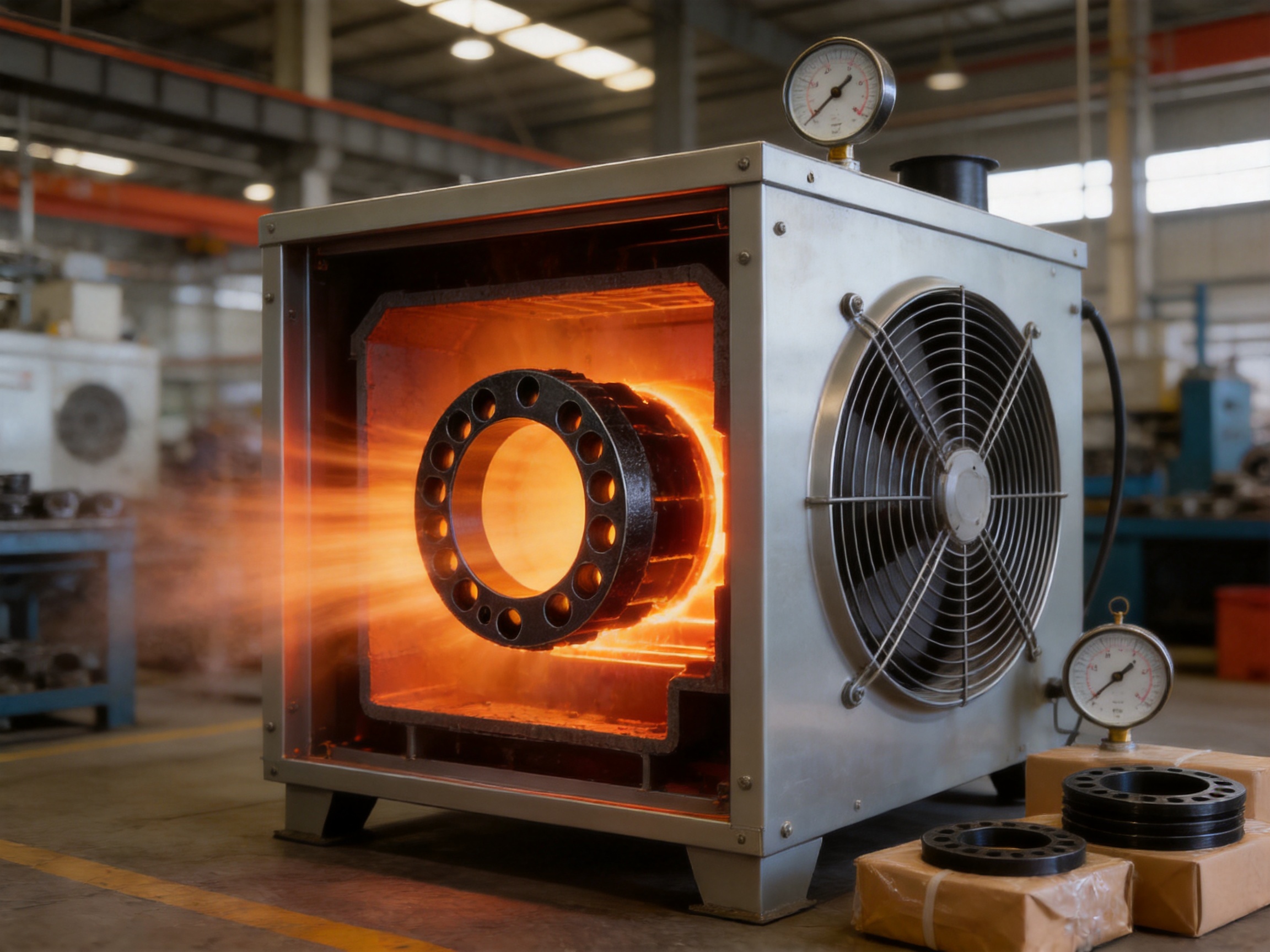
Sintering is the heart of the powder metallurgy process. During sintering, compacted parts are heated in a controlled atmosphere furnace. The temperature is high enough to bond powder particles together but generally below the full melting point of the base metal. This creates a solid metallic structure with the required mechanical strength.
For FC0208 material, the sintering process must be controlled carefully to achieve the intended strength, hardness, dimensional stability, and metallurgical bonding. A protective atmosphere helps prevent oxidation and supports carbon control. The sintering furnace parameters, including temperature profile, atmosphere composition, belt speed, and cooling rate, directly influence final product quality.
Compared with uncontrolled heat treatment or low-precision casting processes, protective atmosphere sintering provides a more stable production route for precision structural parts. It also supports high-volume production with repeatable results.
Precision Machining
Although powder metallurgy can produce near-net-shape parts, some dimensions may require secondary machining to achieve tighter tolerances, smoother surfaces, or functional features. Machining is especially important for assembly interfaces, positioning surfaces, bores, and other critical areas.
FC0208 is selected partly because it is compatible with machining. The material offers a practical balance between hardness and machinability, allowing precision processing without excessive tool wear when suitable cutting parameters are used. Machining after sintering ensures that final dimensions can meet customer drawing requirements.
Black Oxide Surface Treatment
After machining, the component receives black oxide treatment. Blackening creates a dark protective oxide layer on the surface, improving rust resistance and offering a clean, uniform appearance. For industrial heater parts, this treatment is valuable because components may be exposed to moisture during storage, transportation, or operation.
Black oxide coating is not only decorative. It provides practical corrosion protection, helps reduce surface oxidation, and can improve the component’s suitability for harsh working environments. When combined with proper packaging, the blackened surface helps maintain product quality before assembly.
Cleaning, Inspection, and Packaging
The final production stages include cleaning, full inspection, anti-rust packaging, and delivery preparation. Parts are checked using calipers, gauges, optical measuring devices, and other inspection tools. Density, hardness, material composition, visual appearance, and coating adhesion may also be evaluated according to customer requirements.
Packaging is designed to prevent collision, corrosion, and moisture exposure. Moisture-proof bags, cartons, and anti-rust packaging help protect the parts during storage and international transportation.
Performance Advantages in Industrial Fuel Heaters
High Dimensional Accuracy
Dimensional accuracy is one of the greatest advantages of this powder metallurgy component. Industrial fuel heaters often include fans, combustion systems, mounting structures, airflow channels, and rotating or vibrating parts. A structural component that does not meet dimensional requirements may cause assembly difficulty, air leakage, vibration, or premature failure.
The combination of precision compaction and secondary machining enables stable dimensional control. This improves interchangeability and reduces the need for manual adjustment during assembly. For OEM production lines, fewer assembly corrections mean higher efficiency and lower labor cost.
Stable Mechanical Properties
The FC0208 material system provides strength, toughness, and wear resistance suitable for medium-load structural applications. Through controlled sintering, the part achieves stable bonding between powder particles and consistent mechanical behavior.
In heater applications, stable properties are important because the component may experience vibration, thermal expansion, and mechanical stress during long operating periods. A part with inconsistent density or hardness may crack, deform, or wear unevenly. Powder metallurgy production with strict process control minimizes these risks.
Wear Resistance
Wear resistance is essential for components exposed to friction, vibration, or repeated assembly contact. The carbon content in FC0208 contributes to hardness, while the iron-copper matrix provides structural strength. The result is a component that can maintain its shape and function over long service periods.
Rust Prevention
Industrial fuel heaters may be used in construction sites, factories, warehouses, breeding facilities, agricultural buildings, and other environments where dust, moisture, and temperature changes are common. The black oxide surface treatment improves corrosion resistance and helps protect the part before and during service.
High-Temperature Suitability
Because the component is iron-based, it is suitable for environments where plastic or low-melting materials may not survive. Industrial heaters generate heat, and nearby structural components must maintain strength and shape under elevated temperatures. FC0208 powder metallurgy material offers good high-temperature stability for this type of application.
Vibration and Fatigue Resistance
Fuel heaters and hot air blowers commonly include motors and fans. These systems produce continuous vibration, especially during startup, shutdown, and long working cycles. The component’s stable material structure and controlled manufacturing process help resist fatigue and vibration-related damage.
Advantages Over Competing Manufacturing Methods
Compared with Conventional Machining
Machining a similar component from solid metal may require significant cutting time and produce high material waste. Powder metallurgy forms the part close to final shape, reducing machining volume and material loss. This is especially valuable for large-volume production where every gram of saved material and every second of reduced machining time contributes to total cost savings.
Powder metallurgy also improves consistency. Machined parts depend heavily on raw material quality, cutting parameters, tool wear, and operator control. While machining remains important for critical features, using powder metallurgy as the primary forming process reduces cost and improves repeatability.
Compared with Casting
Casting can produce complex shapes, but it may involve defects such as porosity, shrinkage cavities, surface roughness, and dimensional variation. Powder metallurgy offers better control of small and medium-sized precision components. It also avoids many casting-related issues and can produce cleaner surfaces and more predictable dimensions.
For heater components requiring accurate assembly, powder metallurgy can provide a better balance of dimensional precision, mechanical performance, and production efficiency.
Compared with Forging
Forging provides high strength but may be less economical for complex precision parts requiring extensive secondary machining. Tooling and processing requirements may also be higher for certain shapes. Powder metallurgy is often more suitable when the part geometry is compact, repeatable, and required in medium to high volumes.
Compared with Low-Cost Stamped or Plastic Parts
Stamped parts are useful for thin sheet structures, but they may not provide the thickness, strength, and wear resistance required for this component. Plastic parts may be lightweight and inexpensive, but they are generally less suitable for high-temperature industrial heater environments. FC0208 powder metallurgy components provide the metal strength and heat resistance needed for demanding service.
Application Areas
Industrial Fuel Heaters
Industrial fuel heaters require durable internal and external structural components that can withstand heat, airflow, vibration, and repeated operating cycles. This powder metallurgy component supports reliable assembly and long-term service in such systems.
Diesel Warm Air Heaters
Diesel warm air heaters are widely used in workshops, temporary buildings, outdoor work areas, vehicles, and industrial facilities. Components inside these heaters must resist vibration and temperature changes. The FC0208 material and black oxide finish make this part suitable for such use.
Industrial Hot Air Blowers
Hot air blowers use fans and heating systems to deliver heated air for drying, warming, curing, or ventilation. A precision structural part helps maintain proper alignment and mechanical stability, contributing to efficient equipment operation.
Construction, Factory, Breeding, and Storage Heating Equipment
Heating equipment used in construction sites, factories, breeding farms, and warehouses often works in dusty, humid, or unstable environments. Strong metal structural parts with corrosion protection provide better reliability than lower-grade alternatives.
Company Manufacturing Strength
Jiande Welfine Technology Co., Ltd. was established in 2001 and has developed into a high-tech enterprise integrating research and development, production, and sales. The company focuses on powder metallurgy sintering and related precision machining, with major products including powder metallurgy bushings, self-lubricating bushings, oil-impregnated bearings, and various precision sintered metal components.
The company operates a modern production base covering 13,039 square meters. Its manufacturing system includes advanced production and testing equipment such as high-efficiency presses, high-temperature sintering furnaces, and precision forming machines. These capabilities support stable production of sintered metal parts, structural components, oil-impregnated bearings, friction materials, magnetic materials, and other powder metallurgy products.
With more than 20 years of industry experience and over 150 skilled employees, the company is able to provide OEM and ODM customized solutions based on customer drawings or samples. This is especially important for industrial heater manufacturers because each equipment design may require different dimensions, mounting features, surface treatments, or material specifications.
The company has passed ISO 9001:2015 and IATF 16949:2016 certifications, demonstrating its commitment to systematic quality management. These certifications are meaningful for customers who require traceability, consistent production, controlled inspection, and reliable delivery.
Quality Control System
Dimensional Inspection
Each critical dimension can be inspected using calipers, gauges, and optical measuring devices. Dimensional inspection ensures that the component matches customer drawings and can be assembled without difficulty. For high-volume supply, statistical control may be applied to monitor dimensional trends and prevent drift before it causes nonconforming parts.
Density and Hardness Testing
Density is a key indicator of powder metallurgy quality. Insufficient or inconsistent density may reduce strength and wear resistance. Hardness testing confirms whether the sintered material meets the required performance range. Together, density and hardness data help verify process stability.
Material Composition Testing
Because FC0208 performance depends on its iron-copper-carbon composition, material testing helps ensure that the correct powder formula has been used. Composition control is essential for stable mechanical performance and batch-to-batch repeatability.
Visual and Coating Inspection
The black oxide finish is checked for appearance and adhesion. Visual inspection also identifies surface defects such as cracks, chips, deformation, stains, or machining burrs. A clean, uniform surface improves assembly quality and customer confidence.
Final Inspection Before Delivery
Full inspection before delivery reduces the risk of defective parts reaching the customer. This is particularly important for heater components used in safety-related or performance-sensitive equipment. A reliable inspection system supports lower failure rates, fewer complaints, and stronger long-term cooperation.
Customization and Engineering Support
Different heater manufacturers may require different structural designs. The component can be customized according to customer 2D drawings, 3D models, or physical samples. Engineering support may include material selection, tooling design, process planning, dimensional tolerance review, and surface treatment recommendation.
Available material options may include FC0205, FC0208, and other iron-based powder metallurgy materials. Surface treatments may include blackening, oil impregnation, zinc plating, or other protection methods depending on environmental and performance requirements.
Sample orders and mass production are both supported. This allows customers to validate part fit, function, and durability before full production. Once the sample is approved, tooling and process parameters can be stabilized for high-volume manufacturing.
Why This Product Stands Out
The main competitive value of this powder metallurgy component lies in the combination of suitable material, controlled manufacturing, precision finishing, and professional customization. Many competing parts may meet only one or two of these requirements. For example, a low-cost machined part may be dimensionally acceptable but expensive in mass production. A cast part may be inexpensive but less consistent. A stamped part may be economical but unsuitable for the required thickness and strength. A plastic part may be lightweight but unable to withstand heat.
This FC0208 powder metallurgy structural component provides a balanced solution. It offers metal strength, heat resistance, vibration resistance, wear resistance, dimensional accuracy, and economical mass production. The black oxide coating further enhances rust prevention, while precision machining ensures assembly reliability.
The manufacturer’s strengths also add value. Advanced presses, sintering furnaces, precision forming machines, experienced employees, ISO 9001:2015 certification, IATF 16949:2016 certification, and more than two decades of powder metallurgy experience create a strong foundation for stable production. Customers benefit not only from the part itself but also from the process knowledge behind it.
Packaging, Storage, and Delivery Protection
Proper packaging is essential for precision powder metallurgy components. Even a well-manufactured part can be damaged by careless handling, moisture, or collision during transport. The component is packed with anti-rust and anti-collision protection. Moisture-proof bags and cartons help protect the blackened surface and machined dimensions.
Storage should be in a dry and ventilated environment. Avoiding high humidity and corrosive atmospheres helps preserve the surface finish before assembly. For customers managing inventory, good packaging reduces the risk of rust, contamination, and rework.
Q&A Section
Q1: What is the main application of this powder metallurgy component?
A1: The component is mainly used in industrial fuel heaters, diesel warm air heaters, industrial hot air blowers, and high-power hot air generators. It is designed for heating equipment that requires reliable structural parts under high temperature, vibration, and continuous operation.
Q2: What material is used for this product?
A2: The product is made from FC0208 powder metallurgy material, also known as Fe-2Cu-0.8C. This iron-copper-carbon material provides good strength, toughness, wear resistance, machinability, and production consistency.
Q3: Why is FC0208 suitable for industrial heater components?
A3: FC0208 offers a balanced combination of strength, hardness, fatigue resistance, vibration resistance, and high-temperature stability. It is suitable for medium-load structural parts and can be machined and surface treated after sintering.
Q4: What is the purpose of black oxide treatment?
A4: Black oxide treatment improves rust prevention, provides a uniform surface appearance, and helps protect the component during storage, transportation, and service. It is especially useful for metal parts used in environments with moisture or temperature changes.
Q5: How does powder metallurgy reduce production cost?
A5: Powder metallurgy forms the part close to its final shape, reducing material waste and machining time. It is especially cost-effective for mass production because the process offers high repeatability and stable quality after tooling and parameters are established.
Q6: Can the product be customized?
A6: Yes. Custom development is available based on customer 2D drawings, 3D drawings, or samples. Material selection, dimensions, tolerances, and surface treatments can be adjusted according to application requirements.
Q7: What quality inspections are performed?
A7: Quality control may include dimensional inspection, density testing, hardness testing, material composition verification, visual inspection, coating adhesion inspection, and final inspection before delivery.
Q8: What makes this product better than cast or fully machined alternatives?
A8: Compared with casting, powder metallurgy offers better dimensional repeatability for precision structural parts. Compared with full machining, it reduces material waste and improves production efficiency. The product combines precision, strength, durability, and cost-effectiveness.
Q9: Is the component suitable for long-term continuous operation?
A9: Yes. The FC0208 material, controlled sintering process, precision machining, and black oxide surface protection make the component suitable for long-term use in industrial heating equipment.
Q10: What certifications support the manufacturer’s quality capability?
A10: Jiande Welfine Technology Co., Ltd. has passed ISO 9001:2015 and IATF 16949:2016 certifications, supporting reliable production management, quality control, and consistent manufacturing.
Conclusion
Powder metallurgy components for industrial fuel heaters provide a strong, precise, and economical solution for demanding heating equipment. Manufactured from FC0208 iron-copper-carbon material, the product offers high dimensional accuracy, stable mechanical properties, wear resistance, vibration resistance, high-temperature suitability, and improved rust prevention through black oxide treatment.
The production process combines powder mixing, high-precision compaction, protective atmosphere sintering, precision machining, blackening, cleaning, inspection, and protective packaging. This integrated process gives the component advantages over many competing cast, forged, stamped, plastic, or fully machined alternatives.
For industrial fuel heaters, diesel heaters, hot air blowers, and heating equipment used in construction, factory, breeding, and storage environments, reliable structural components directly influence equipment performance and service life. This product is designed to meet those expectations with consistent quality and strong production repeatability.
Backed by advanced manufacturing equipment, more than 20 years of powder metallurgy experience, skilled employees, OEM and ODM customization capability, and certified quality management systems, Jiande Welfine Technology Co., Ltd. provides customers with dependable sintered metal component solutions for both sample development and mass production.
References
German, R. M. Powder Metallurgy and Particulate Materials Processing. Metal Powder Industries Federation.
ASM International. ASM Handbook, Volume 7: Powder Metallurgy. ASM International.
Upadhyaya, G. S. Powder Metallurgy Technology. Cambridge International Science Publishing.
Thümmler, F., and Oberacker, R. An Introduction to Powder Metallurgy. The Institute of Materials.
Metal Powder Industries Federation. Standard Test Methods for Metal Powders and Powder Metallurgy Products.
International Organization for Standardization. ISO 9001:2015 Quality Management Systems Requirements.
International Automotive Task Force. IATF 16949:2016 Quality Management System Standard.
Product: Powder Metallurgy Components for Industrial Fuel Heaters

Related products
-
-
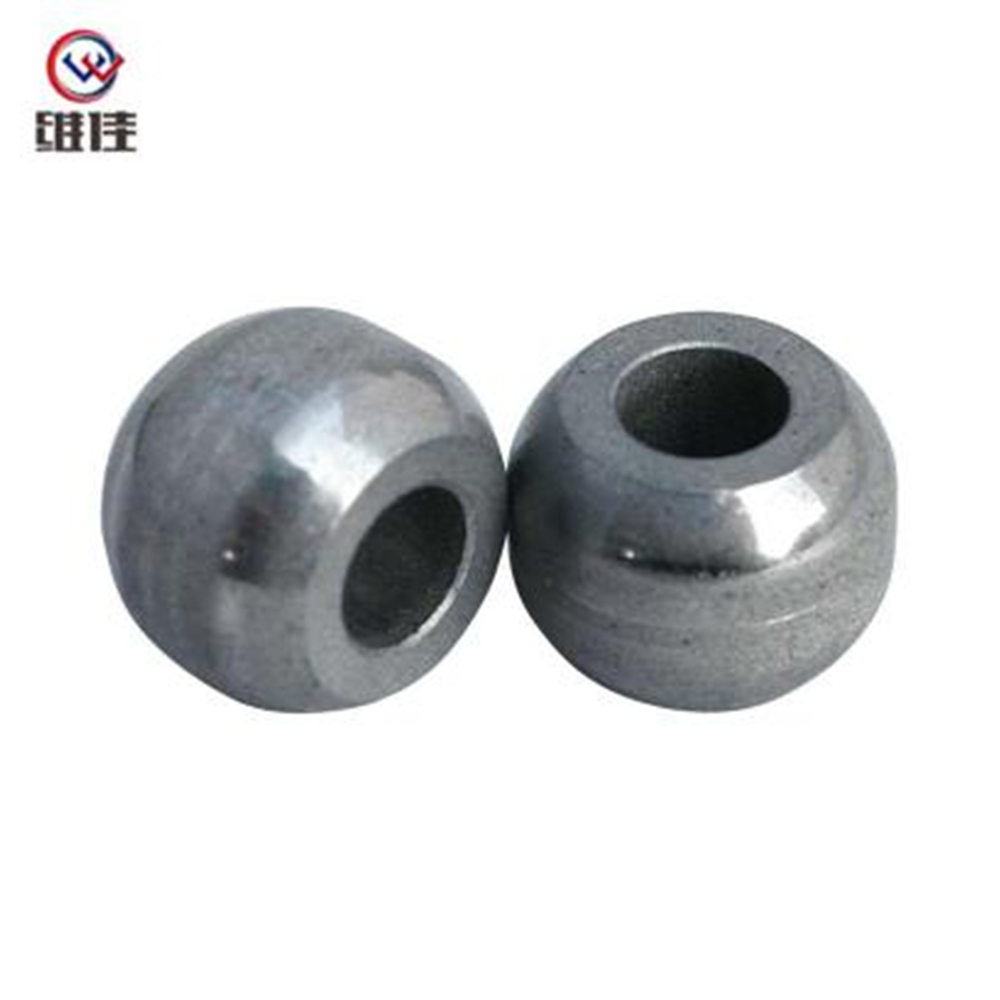
Product Description: High-precision powder metallurgy part (S14*7*10) made of iron material from Jiande Wefine, customized PM components with strict tolerance control.
See Details -
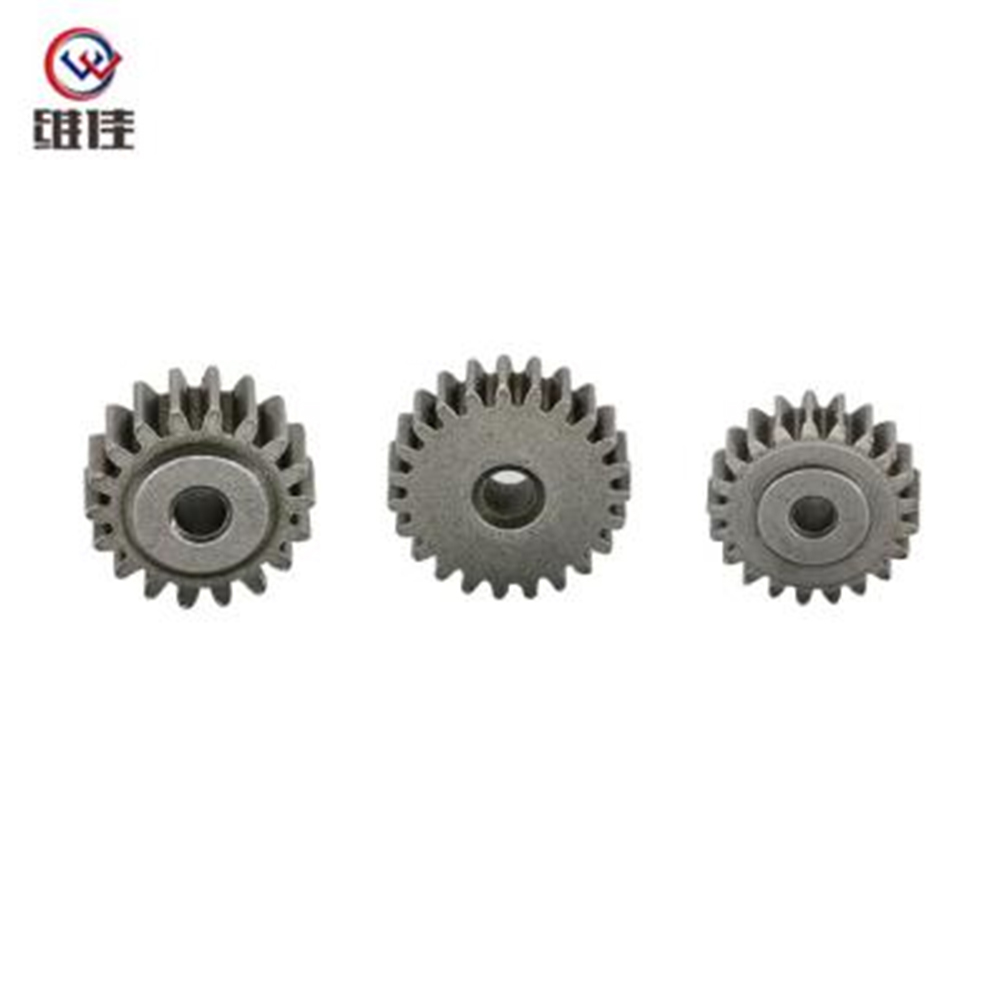
Description: Custom powder metallurgy planetary gear with high precision, wear resistance for automotive, industrial machinery & home appliances. OEM/ODM supported.
See Details -
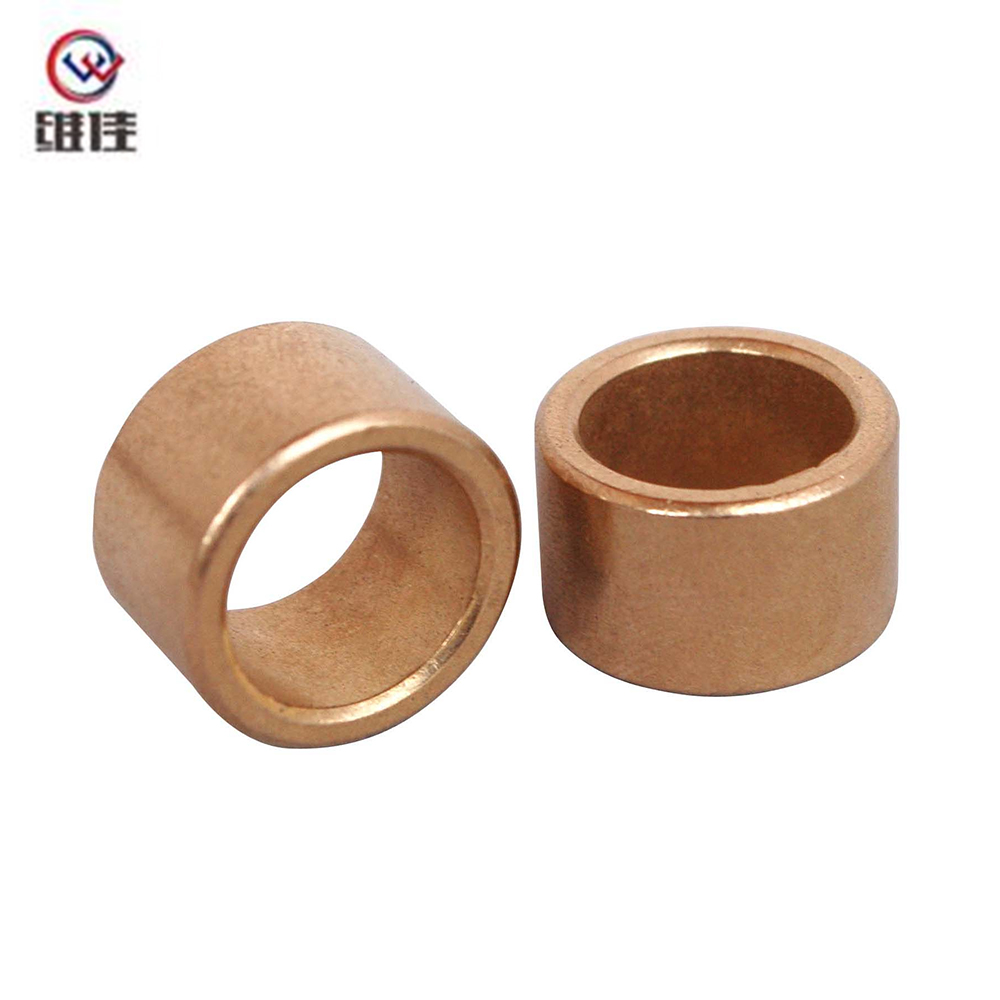
This copper-based powder metallurgy bushing is manufactured through an integrated process of compaction, sintering, sizing, and oil impregnation. It features excellent wear resistance and self-lubrica...
See Details -
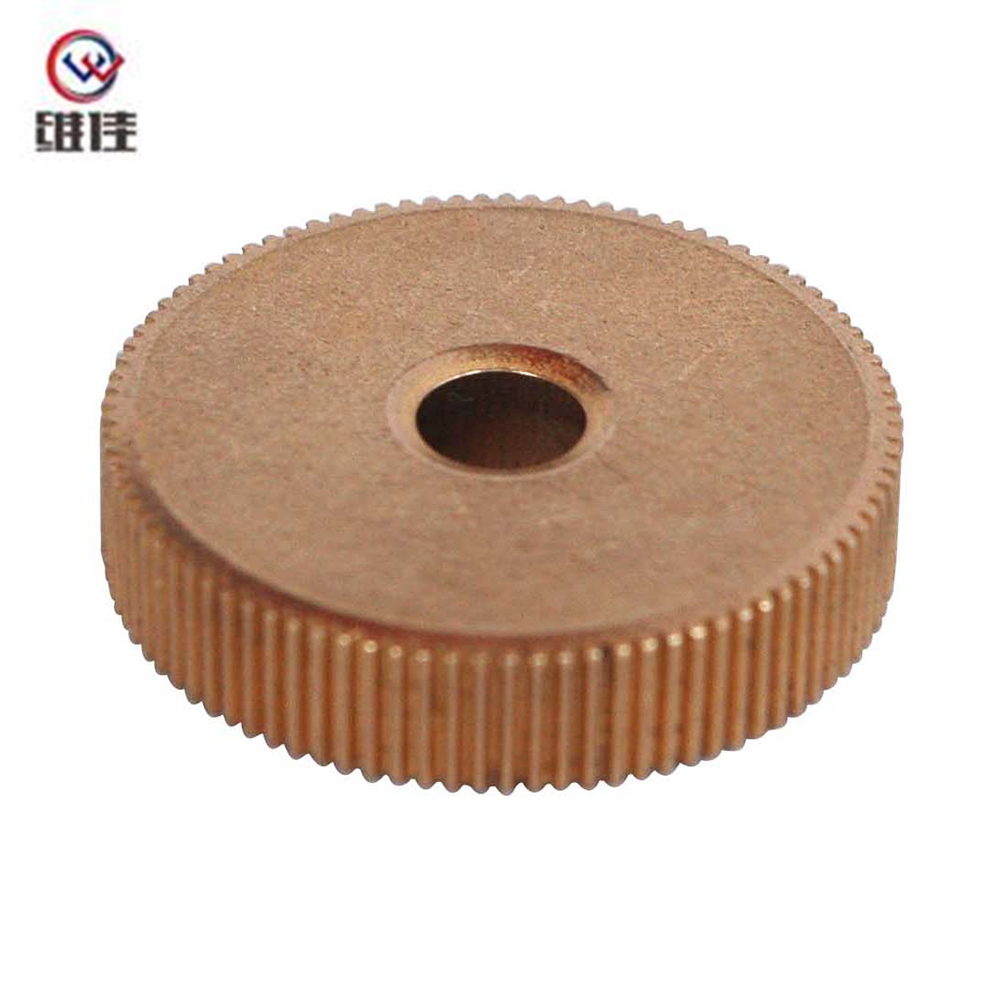
This 4×11.5×5.2mm powder metallurgy gear is manufactured through a precise press-sinter-through hole-oil impregnation process, with strict control of press density (6.7–6.8g/cm³) and sintering tempera...
See Details
Copyright © Jiande Welfine Technology Co., Ltd. All Rights Reserved. Custom Self-lubricating Sintered Bushing Manufacturers
