E-mail us: [email protected]
Tel: +86-15239857375
 English
 中文简体
中文简体

 Home / Author / Luo Qian — Product Sales Supervisor / CuSn10 Powder Metallurgy Bronze Bushing: Precision Self-Lubricating Performance for Demanding Applications
 CuSn10 Powder Metallurgy Bronze Bushing: Precision Self-Lubricating Performance for Demanding Applications
 2026.09.10
 Luo Qian — Product Sales Supervisor
Content
- 1 1. Product Overview
- 2 2. Why CuSn10 Is Suitable for Powder Metallurgy Bushings
- 3 3. How the Self-Lubricating Structure Works
- 4 4. Manufacturing Process for the A0667 Bushing
- 5 5. Dimensional Accuracy and Quality Control
- 6 6. Advantages Compared with Conventional Bushing Solutions
- 7 7. Application Areas
- 8 8. Customization and OEM Manufacturing
- 9 9. Manufacturing Capabilities and Technical Strengths
- 10 10. Installation and Application Recommendations
- 11 11. Service Life and Maintenance Considerations
- 12 12. Selecting the Correct Bushing for a Project
- 13 13. Frequently Asked Questions
- 13.1 Can a CuSn10 powder metallurgy bushing operate without regular lubrication?
- 13.2 Is the A0667 bushing suitable for high-speed rotation?
- 13.3 What makes this bushing different from a cast bronze sleeve?
- 13.4 What is the significance of the 5.7–5.8 g/cm³ density range?
- 13.5 Why is concentricity important?
- 13.6 Why does the bushing have a 0.4 × 45° chamfer?
- 13.7 Can the material or size be customized?
- 13.8 Can the bushing be used in hydraulic equipment?
- 13.9 What should be checked before installation?
- 13.10 How quickly can a quotation be prepared?
- 13.11 What quality certifications are available?
- 13.12 What delivery options are available?
- 14 14. Conclusion
- 15 References
- 16 Product: Powder Metallurgy Bronze Bushing (A0667)
CuSn10 powder metallurgy bronze bushings are designed for machinery that requires dependable shaft support, controlled friction, dimensional accuracy, and reduced maintenance. By combining a copper-tin alloy with a carefully controlled porous structure, this type of bushing provides a practical solution for rotating, oscillating, and guiding components in industrial equipment.
The Powder Metallurgy Bronze Bushing A0667 is manufactured from CuSn10 material through an integrated sequence of powder compaction, sintering, sizing, precision inspection, cleaning, and oil impregnation. The finished component has a specification of 10G7 × 13s7 × 10 mm, a 0.4 × 45° chamfer, a density of 5.7–5.8 g/cm³, and a concentricity of no more than 0.05 mm. Its pores are impregnated with 46# mechanical oil under vacuum, allowing the bushing to provide continuous lubrication during service.
This combination of material performance, controlled porosity, accurate forming, and oil retention makes the bushing suitable for precision machinery, automotive components, hydraulic systems, electric motors, household appliances, agricultural machinery, and automated equipment. It is also suitable for customers requiring customized sintered metal parts manufactured according to drawings, samples, or application requirements.
1. Product Overview
A bushing is a sleeve-shaped bearing component installed between a shaft and a housing or other supporting structure. Its main functions are to guide movement, reduce friction, distribute loads, protect mating components, and maintain alignment. In many applications, a bushing must operate for long periods with limited access for relubrication. This is where an oil-impregnated powder metallurgy bushing provides a significant advantage.
During production, metal powder is compacted into a near-net-shape blank. The compacted blank is then sintered at a controlled temperature to bond the particles and develop the required mechanical structure. Sizing and precision machining improve dimensional accuracy, while vacuum oil impregnation fills the interconnected pores with lubricant. During operation, the stored oil can migrate toward the sliding surface and help establish a lubricating film.
The A0667 bushing uses CuSn10, a copper-based alloy containing approximately 10% tin. Tin increases the hardness, wear resistance, and load-bearing capability of the copper matrix while preserving the favorable thermal conductivity and friction characteristics associated with copper-based bearing materials.
| Product Item | Specification |
| Product Name | Powder Metallurgy Bronze Bushing |
| Product Code | A0667 |
| Material | CuSn10 |
| Nominal Size | 10G7 × 13s7 × 10 mm |
| Chamfer | 0.4 × 45° |
| Weight | 3.36–3.41 g |
| Density | 5.7–5.8 g/cm³ |
| Concentricity | ≤0.05 mm |
| Sintering Parameter | TCI 690 ± 30°C |
| Impregnation Oil | 46# mechanical oil |
| Impregnation Condition | Approximately 80°C under vacuum |
The dimensions and performance values listed above are intended to describe the reference A0667 product. Final design requirements may vary according to shaft diameter, housing geometry, operating load, speed, temperature, lubrication conditions, and installation method. Customized products can be evaluated and developed from technical drawings or samples.
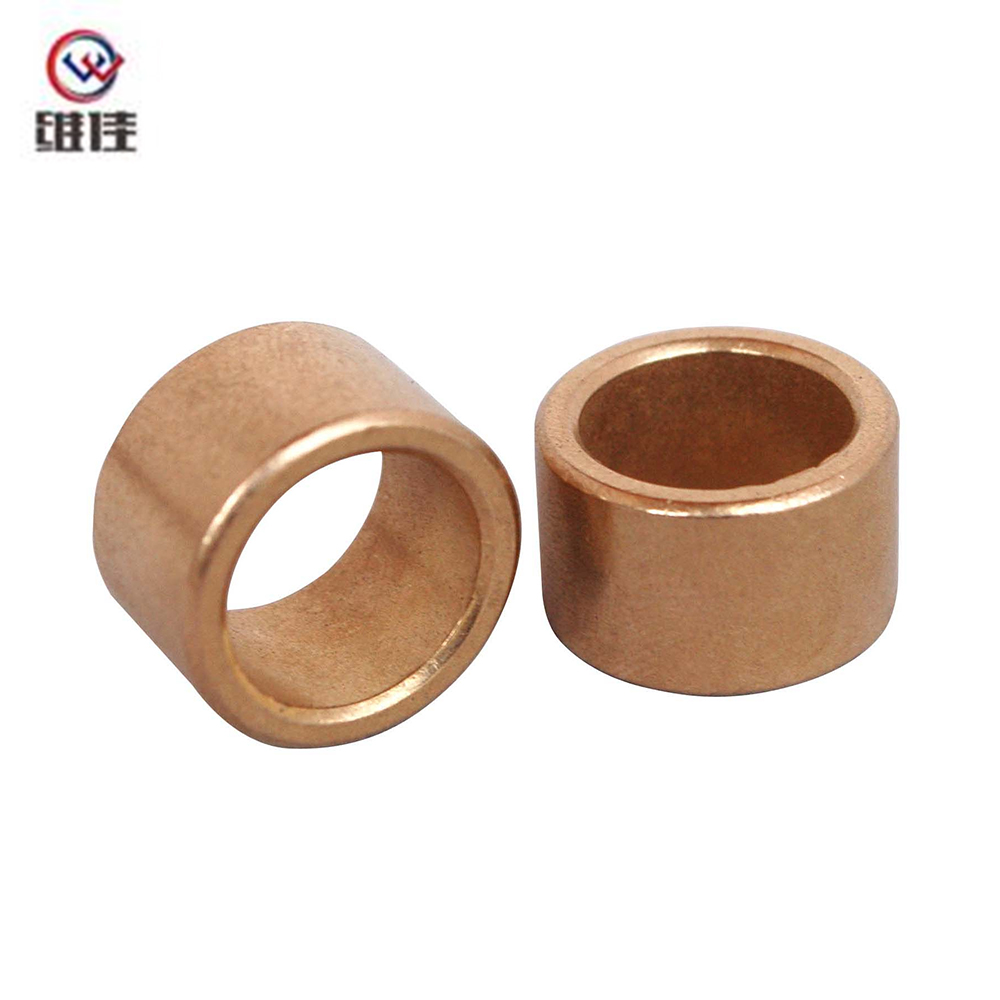
Powder Metallurgy Bronze Bushing (A0667)
2. Why CuSn10 Is Suitable for Powder Metallurgy Bushings
Material selection strongly influences the service life and reliability of a bushing. A bearing material must resist surface damage while supporting the applied load. It must also work with the selected shaft material, lubricant, operating speed, temperature, and surrounding environment.
CuSn10 offers a balanced combination of strength, wear resistance, thermal conductivity, and corrosion resistance. The tin content strengthens the copper matrix and improves resistance to adhesive and abrasive wear. The copper base helps transfer heat away from the contact zone, which can be valuable in rotating equipment where frictional heat must be controlled.
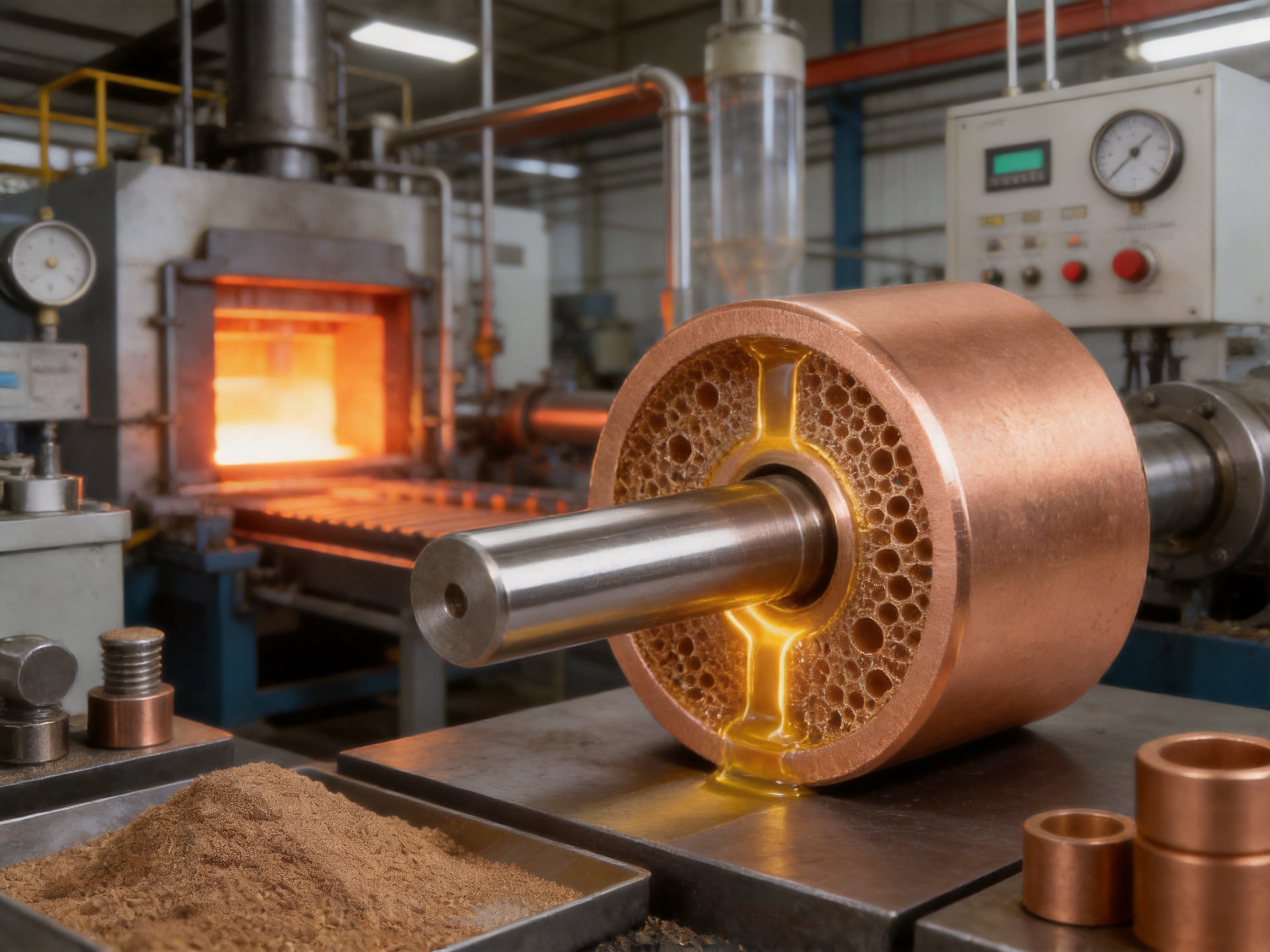
When CuSn10 is manufactured through powder metallurgy, its internal porosity can be controlled during compaction and sintering. These pores provide a reservoir for impregnated oil. As the bushing operates, heat and capillary action can encourage lubricant movement toward the contact surface. When the equipment stops, some of the oil can return into the pore network, helping restore the lubricant reserve.
This operating principle is different from that of a completely dense, conventionally machined bronze sleeve. A dense sleeve may require external grease or oil supply, while an oil-impregnated powder metallurgy bushing can reduce dependence on continuous external lubrication under suitable working conditions.
2.1 Wear Resistance
The CuSn10 matrix is suitable for applications in which the bushing is exposed to repeated sliding or rotation. Tin improves the hardness of the alloy and helps the surface resist progressive material loss. The oil retained in the porous structure further reduces direct metal-to-metal contact between the bushing and shaft.
Wear performance depends on the complete tribological system rather than on the bushing material alone. Shaft hardness, surface finish, alignment, load distribution, speed, contamination, temperature, and installation quality all influence actual service life. Nevertheless, the combination of a wear-resistant bronze matrix and retained oil provides a strong foundation for reliable operation.
2.2 Load-Carrying Capability
Bushings used in automotive linkages, hydraulic assemblies, construction equipment, and industrial mechanisms may be subjected to radial loads, intermittent impact, or oscillating movement. CuSn10 provides greater load-supporting capability than many softer copper-based alternatives.
The sintered structure also helps distribute the material throughout the component. By controlling density and porosity, the manufacturer can establish a practical balance between mechanical strength and oil-storage capability. Excessive porosity can reduce strength, while insufficient porosity can limit oil retention. Careful process control is therefore essential.
2.3 Thermal Conductivity and Corrosion Resistance
Friction generates heat at the sliding interface. Copper-based materials are generally effective at transferring heat away from the contact zone. This characteristic can support stable operation in motors, gearboxes, fans, pumps, and other assemblies where temperature control is important.
CuSn10 also provides useful corrosion resistance in many industrial environments. It is not a universal solution for every chemical or marine condition, so the operating environment should be reviewed before selection. In normal machinery environments, however, the alloy offers a dependable combination of mechanical and environmental resistance.
3. How the Self-Lubricating Structure Works
The self-lubricating behavior of an oil-impregnated bushing is based on its interconnected pore network. During impregnation, the component is placed in 46# mechanical oil under a vacuum environment at approximately 80°C. Vacuum helps remove air from the pores, allowing oil to penetrate more thoroughly into the internal structure.
After impregnation, the surface is cleaned so that excess oil does not interfere with assembly or packaging. The oil retained inside the component remains available during service. When the bushing is loaded and the temperature rises slightly during operation, lubricant can migrate toward the bearing surface. This forms or supports a film between the shaft and the bushing.
The film reduces friction, limits surface contact, and helps transport heat away from the sliding area. When operating conditions become less severe or the component cools, a portion of the lubricant may be drawn back into the porous structure. This repeated release-and-return behavior is the basis of the bushing’s self-lubricating function.
Self-lubrication does not mean that the component is suitable for every load, speed, temperature, or environment without inspection. High loads, high temperatures, contaminated conditions, shaft misalignment, and insufficient clearance can accelerate oil loss or wear. Application engineering remains important for achieving the expected service life.
| Operating Factor | Influence on Bushing Performance |
| Radial Load | Higher load increases contact pressure and may accelerate wear if the design limit is exceeded. |
| Rotational or Oscillating Speed | Speed influences frictional heat, oil movement, and the stability of the lubricating film. |
| Temperature | Temperature affects oil viscosity, dimensional clearance, and the rate of lubricant migration. |
| Shaft Surface Finish | A suitable finish supports stable sliding and reduces abrasive interaction. |
| Alignment | Correct alignment distributes load evenly across the bushing surface. |
| Contamination | Dust and abrasive particles can increase wear and should be controlled whenever possible. |
| Installation | Correct pressing, support, and clearance are necessary to avoid deformation or premature damage. |
4. Manufacturing Process for the A0667 Bushing
The performance of a powder metallurgy bushing depends not only on the alloy but also on the consistency of every manufacturing stage. The production route for the A0667 product integrates powder preparation, compaction, sintering, sizing, oil impregnation, cleaning, inspection, and packaging.
4.1 Raw Material Inspection
Production begins with inspection of the copper-based powder. The composition and particle size of each batch are checked to help ensure consistent pressing behavior, sintering response, density, and final performance. Powder characteristics influence filling, compressibility, pore distribution, and dimensional change during sintering.
Raw material inspection is performed according to the applicable internal quality requirements and referenced material standards. Controlling the incoming powder reduces variation at later process stages and provides a more stable foundation for mass production.
4.2 Powder Mixing and Preparation
CuSn10 powder and any approved process additives are prepared to achieve a uniform blend. Consistent mixing is important because local variations in composition or lubricant distribution can lead to differences in density, hardness, dimensional change, and oil-retention behavior.
The powder preparation stage is also important for production efficiency. A stable powder blend fills the die more consistently and supports repeatable compaction. This is especially valuable for small bushings, where even a small variation in filling can affect the final geometry.
4.3 Compaction
In the compaction stage, the prepared powder is placed into a precision tool and pressed into the approximate shape of the bushing. The pressing force and tool design are selected according to the component geometry, target density, and required pore structure.
Compaction must create enough green strength for safe transfer while maintaining an appropriate distribution of porosity. Uniform pressure and controlled filling help prevent density gradients, cracks, lamination, and dimensional variation. The use of high-efficiency presses and precision forming equipment supports consistent production of repeated components.
4.4 Sintering
Sintering bonds the compacted powder particles through controlled heating. For the A0667 product, the listed sintering parameter is TCI 690 ± 30°C. The actual furnace profile includes controlled heating, temperature maintenance, and cooling conditions appropriate for the material and component design.
During sintering, the compact gains mechanical strength and develops the final metallurgical structure. The process must be carefully managed because excessive temperature or an unsuitable atmosphere can affect dimensional change, pore structure, surface condition, and material properties.
High-temperature sintering furnaces with controlled process conditions help ensure that products from different production batches maintain consistent density and strength. Furnace monitoring and process records also support traceability and quality analysis.
4.5 Sizing and Precision Machining
After sintering, sizing is used to improve dimensional accuracy and roundness. The component is passed through a sizing tool that applies controlled pressure to critical surfaces. This operation helps achieve the required inner diameter, outer diameter, length, and geometric consistency.
Where necessary, precision machining or additional finishing operations are used to meet drawing requirements. The A0667 bushing includes a 0.4 × 45° chamfer. This chamfer helps guide assembly, reduces the possibility of edge interference, and lowers the risk of damage to mating parts during installation.
Key dimensional tolerances are controlled within approximately ±0.02 mm according to the product information. Concentricity is controlled to no more than 0.05 mm. Such control is valuable in applications where the shaft must remain accurately positioned inside the housing and where uneven contact could cause localized wear.
4.6 Cleaning and Oil Impregnation
Before oil impregnation, the workpiece is cleaned to remove loose particles and processing residue. The cleaned bushings are immersed in 46# mechanical oil for approximately 20 minutes in an 80°C vacuum environment. The vacuum helps the oil enter the open pore network.
After impregnation, the external surface is cleaned to remove excess oil. This is important because oil on the outside diameter or end face can affect press fitting, assembly cleanliness, packaging, and subsequent processing. Properly controlled cleaning leaves the lubricant inside the pore structure while presenting a suitable external surface.
4.7 Final Inspection and Packaging
Finished products undergo full dimensional inspection according to the applicable control plan. Sampling checks may also be performed for density, hardness, wear resistance, appearance, and other characteristics associated with the customer’s technical requirements.
Packaging is completed in a clean condition to reduce the risk of contamination, scratching, or oil leakage during transportation. International shipping options can include express delivery, air freight, or sea freight depending on order size, urgency, and destination.
5. Dimensional Accuracy and Quality Control
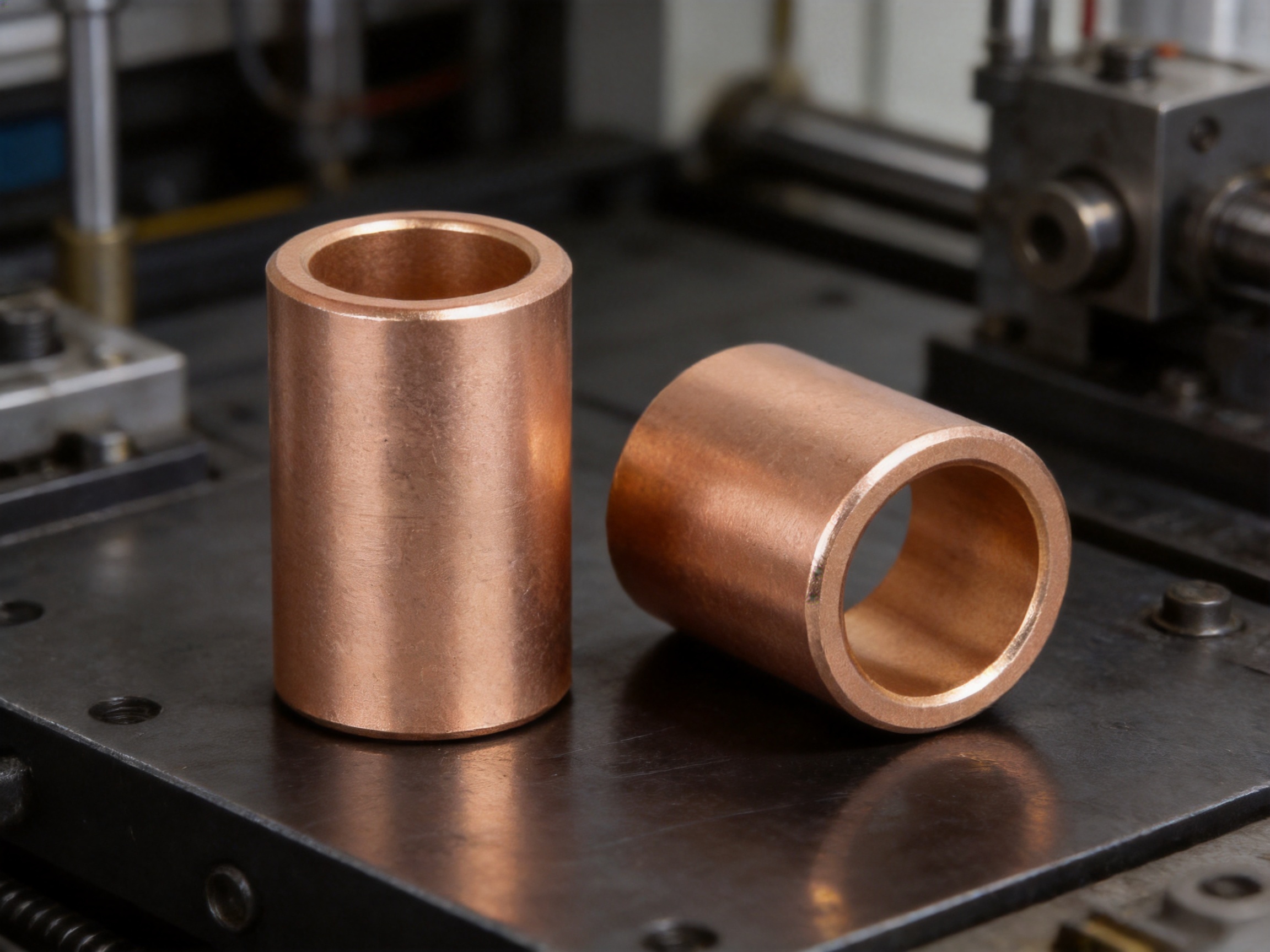
Dimensional accuracy is one of the major advantages of a carefully controlled powder metallurgy bushing. A bushing that is too tight may restrict shaft movement and generate excessive heat. A bushing that is too loose may permit vibration, impact, noise, and uneven wear. Concentricity is equally important because misalignment concentrates the load on a limited part of the bearing surface.
For the A0667 product, the nominal specification is 10G7 × 13s7 × 10 mm. The designation identifies the primary dimensional relationships for the inner diameter, outer diameter, and length. Actual assembly requirements should always be evaluated together with the mating shaft and housing tolerances.
Quality control begins with raw material inspection and continues through mixing, compaction, sintering, sizing, oil impregnation, and final inspection. First-article inspection confirms that tooling and process conditions produce an acceptable component before regular production proceeds. Online dimensional monitoring helps identify process drift at an early stage.
| Quality Control Stage | Typical Control Focus |
| Incoming Material Inspection | Alloy composition, powder particle size, cleanliness, and batch consistency. |
| Powder Preparation | Mixing uniformity, additive distribution, and powder flow behavior. |
| Compaction | Pressing force, filling consistency, green dimensions, and visible defects. |
| Sintering | Temperature profile, furnace atmosphere, cycle time, dimensional change, and surface condition. |
| Sizing | Inner diameter, outer diameter, length, roundness, and concentricity. |
| Oil Impregnation | Vacuum condition, temperature, immersion time, oil cleanliness, and surface residue. |
| Final Inspection | Dimensions, density, hardness, appearance, weight, and selected performance tests. |
| Packaging Inspection | Cleanliness, quantity, identification, protection, and shipping condition. |
Full dimensional inspection can be particularly valuable for compact components supplied in large quantities. It reduces the likelihood that a bushing with an incorrect diameter, excessive burr, damaged chamfer, or unsuitable concentricity will reach the customer’s assembly line.
6. Advantages Compared with Conventional Bushing Solutions
Powder metallurgy bronze bushings compete with machined bronze sleeves, cast bronze bushings, brass bushings, polymer bushings, and externally lubricated steel bearing arrangements. The best choice depends on the application, but the CuSn10 oil-impregnated design offers several practical advantages.
6.1 Compared with Conventionally Machined Bronze
A conventionally machined bronze bushing is produced from bar, tube, or cast stock. This approach can provide excellent dimensional flexibility and is useful for prototypes, large components, or low-volume production. However, machining removes a significant amount of material and normally produces a dense component without an internal oil reservoir.
Powder metallurgy uses a near-net-shape forming route that can reduce material waste and limit secondary machining. It also creates controlled porosity for lubricant retention. For repeated small and medium-sized components, this can improve production efficiency and cost competitiveness while maintaining consistent dimensions.
6.2 Compared with Cast Bronze
Cast bronze bushings can provide good load capacity, but their performance may be influenced by casting defects, segregation, shrinkage, and subsequent machining variation. A sintered bushing is formed from controlled powder and processed through a repeatable compaction and sintering cycle.
Oil impregnation is another important distinction. Cast bronze is generally dense and does not inherently retain oil in the same way as a porous sintered component. If continuous lubrication is required, the cast bushing may need grooves, an external oil supply, grease, or periodic maintenance.
6.3 Compared with Standard Brass
Standard brass may offer good machinability and corrosion resistance, but it generally does not provide the same combination of oil retention and wear resistance as CuSn10 powder metallurgy bronze. The CuSn10 matrix is specifically suited to bearing applications in which sliding performance and load support are important.
6.4 Compared with Polymer Bushings
Polymer bushings can be lightweight, quiet, and resistant to some chemicals. They may be appropriate for low-load or electrically insulating applications. However, their temperature capability, creep resistance, dimensional stability, and load capacity vary significantly by polymer grade.
A CuSn10 metal bushing is often preferred where mechanical strength, thermal conductivity, dimensional stability, and resistance to repeated loading are more important than low weight or electrical insulation.
| Comparison Item | CuSn10 Powder Metallurgy Bushing | Machined Bronze Bushing | Standard Brass Bushing | Polymer Bushing |
| Oil Retention | Excellent when properly impregnated | Usually limited without special design | Usually limited | Depends on polymer formulation |
| Wear Resistance | High | High, depending on alloy | Moderate to high | Application-dependent |
| Material Utilization | High | Lower because of machining waste | Lower because of machining waste | Generally high |
| Mass Production Suitability | Excellent | Moderate | Moderate | Good for suitable designs |
| Dimensional Consistency | High with controlled sizing | High but machining-dependent | High but machining-dependent | Can change with temperature and load |
| Thermal Conductivity | Good | Good | Good | Usually lower |
| Maintenance Requirement | Reduced under suitable conditions | Often requires external lubrication | Often requires external lubrication | Usually low, depending on design |
7. Application Areas
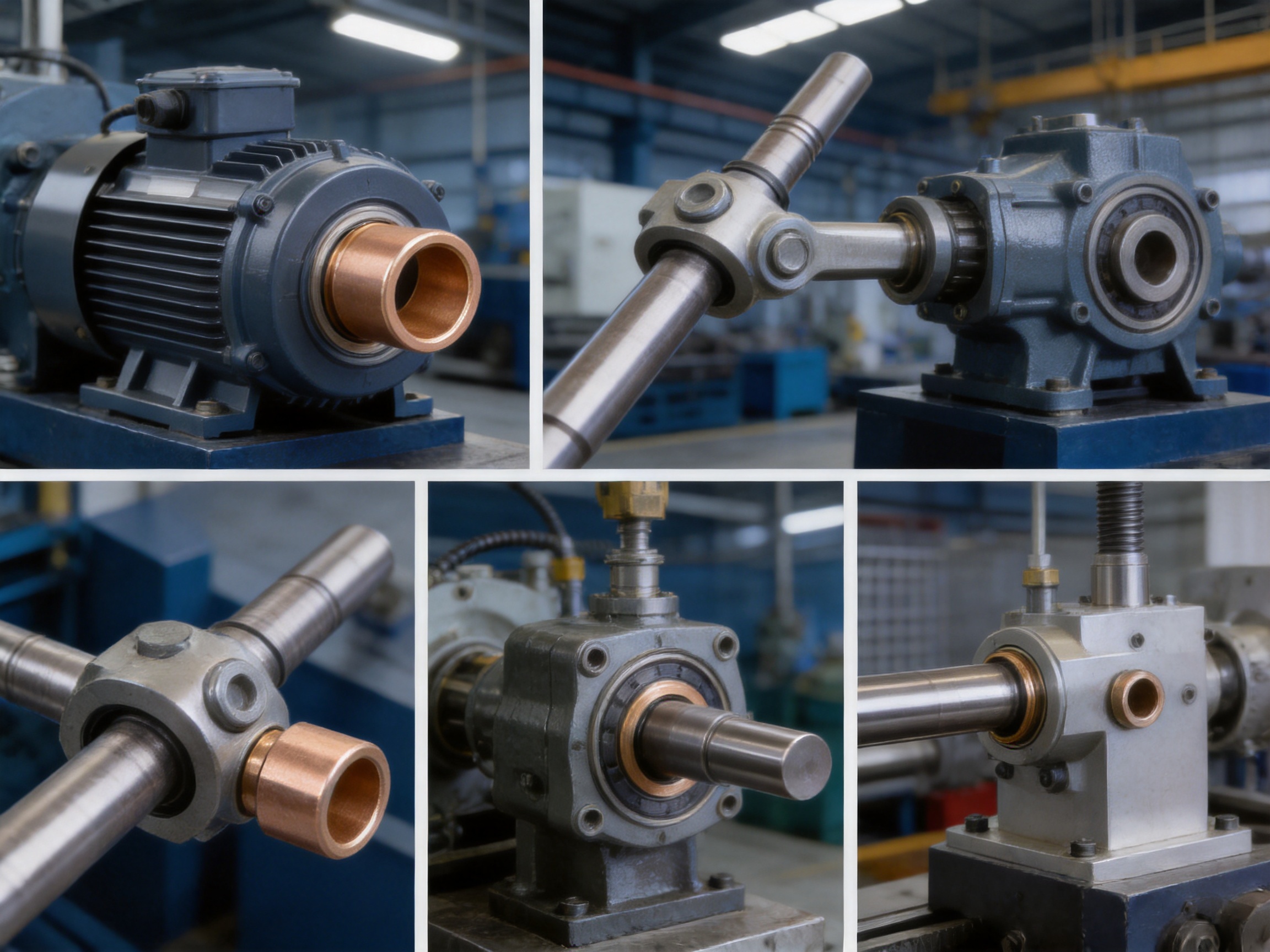
The A0667 design is suitable for compact assemblies in which a shaft or pin must be supported with low friction and stable alignment. Its material and self-lubricating structure can be adapted to many industries, although the final selection should always be based on actual load, speed, temperature, and environmental conditions.
7.1 Automotive Components
Automotive mechanisms include numerous rotating and oscillating joints. Bushings may be used in chassis linkages, actuator systems, transmission-related mechanisms, adjustment structures, and auxiliary equipment. In these applications, dimensional accuracy and resistance to repeated movement are important.
The oil-impregnated structure can help reduce the need for frequent maintenance in locations that are difficult to access. The CuSn10 material also provides a suitable balance of wear resistance and strength for many compact automotive components.
7.2 Electric Motors and Fans
Electric motors and fans require stable shaft support during continuous rotation. Excessive friction can increase energy loss, temperature, noise, and wear. A correctly selected CuSn10 bushing can provide a low-friction sliding interface while transferring heat through the copper-based material.
Fans and household refrigeration equipment may also benefit from compact oil-impregnated bushings. The bushing can be integrated into a small transmission or motor-support assembly where external lubrication would be inconvenient.
7.3 Hydraulic Pumps and Valve Assemblies
Hydraulic systems often require accurate guidance and dependable movement under load. Bushings may be used in pump mechanisms, valve groups, control linkages, and guide structures. Dimensional consistency and concentricity help support smooth movement and reduce the risk of uneven contact.
Hydraulic applications require careful consideration of fluid compatibility. The impregnated mechanical oil, external hydraulic medium, temperature, pressure, and sealing arrangement should be reviewed before approval for a specific system.
7.4 Precision Machine Tools
Machine tools depend on alignment and repeatability. Bushings used in adjustment mechanisms, guide assemblies, or rotating supports must maintain stable dimensions and prevent excessive play. The A0667 specification, including its controlled concentricity and chamfer, is suited to compact precision assemblies where accurate installation is required.
7.5 Agricultural Machinery
Agricultural equipment is exposed to dust, vibration, moisture, intermittent loading, and frequent start-stop operation. Bushings in transmission systems, pivot points, and control mechanisms must withstand changing conditions.
The oil-retaining structure can support longer lubrication intervals, while the bronze matrix provides wear resistance during repeated movement. Sealing and contamination protection remain important because abrasive particles can reduce the life of any sliding bearing.
7.6 Construction and Industrial Machinery
Construction machinery and industrial equipment may use bushings in articulated joints, guide mechanisms, control systems, and compact drive assemblies. These applications can involve shock loads and changing directions of movement.
For high-load or impact-intensive applications, the bushing design should be evaluated using the actual pressure-velocity conditions, load cycle, shaft geometry, and housing support. In some cases, a different density, wall thickness, oil formulation, or material grade may be more appropriate than the standard reference design.
7.7 Automation Equipment
Automated machinery often requires repeatable motion, low maintenance, and compact components. Powder metallurgy bushings can support these objectives by combining controlled dimensions with self-lubricating performance. They are suitable for selected linear guide, pivot, actuator, and motion-control assemblies.
8. Customization and OEM Manufacturing
Not all machines can use a standard bushing size. Shaft diameters, housing bores, wall thicknesses, lengths, chamfers, oil types, clearances, and density requirements may differ from one project to another. Custom powder metallurgy production allows the bushing to be developed around the customer’s assembly and operating conditions.
Customized products can be made according to customer drawings, physical samples, or technical specifications. The development process may include drawing review, material selection, tooling assessment, prototype production, first-article inspection, performance evaluation, and mass-production approval.
| Customization Area | Examples |
| Geometry | Inner diameter, outer diameter, length, flange, groove, slot, step, and chamfer. |
| Material | CuSn10 and other suitable copper-based powder metallurgy materials according to application needs. |
| Density | Adjusted to balance strength, porosity, oil retention, and dimensional stability. |
| Lubrication | Oil type, impregnation conditions, and compatibility with the working environment. |
| Surface Finish | Controlled according to shaft interaction, sealing requirements, and assembly method. |
| Inspection | Dimensional, density, hardness, appearance, weight, and application-specific testing. |
| Production Volume | Small-batch prototyping, trial orders, and repeat mass production. |
Small-batch prototyping can help customers confirm fit, clearance, lubrication behavior, and installation before committing to larger quantities. Once the design is approved, tooling and process parameters can be stabilized for repeat production.
For quotation, customers should provide a drawing or sample together with the expected annual quantity, application description, shaft and housing materials, operating speed, load, temperature, lubricant requirements, and inspection standards. This information allows the manufacturer to recommend a suitable material and production route rather than quoting only on nominal dimensions.
9. Manufacturing Capabilities and Technical Strengths
Jiande Welfine Technology Co., Ltd. was established in 2001 and specializes in powder metallurgy sintering, self-lubricating bushings, and precision components. The company operates a 13,039-square-meter production base and has more than 150 skilled employees. Its manufacturing capabilities include high-efficiency presses, high-temperature sintering furnaces, precision forming machines, inspection equipment, and supporting machining facilities.
More than two decades of production experience provide a foundation for controlling compacting behavior, sintering variation, density distribution, sizing accuracy, and oil impregnation consistency. These capabilities are important because a high-quality bushing depends on the interaction of material formulation, tooling, furnace control, dimensional inspection, and final cleaning.
The company provides OEM and ODM services for customers requiring customized sintered metal parts. Its quality management system is certified to ISO 9001:2015 and IATF 16949:2016. These certifications support organized process management, documentation, corrective action, traceability, and continuous improvement.
For international customers, the company can support quotation, technical communication, sample development, production scheduling, inspection coordination, and logistics planning. Standard orders are generally scheduled for delivery within 7–15 working days, subject to product complexity, quantity, tooling requirements, and order confirmation. Urgent production may be discussed according to capacity and technical feasibility.
10. Installation and Application Recommendations
Correct installation is essential for achieving the expected performance of a self-lubricating bushing. Before assembly, the shaft and housing should be checked for burrs, contamination, damage, and dimensional compliance. The chamfered end should be oriented appropriately to guide insertion without damaging the bushing edge.
The housing should provide adequate support around the outside diameter. Pressing force should be applied evenly and aligned with the bushing axis. Hammering directly on the bearing surface can deform the component or damage the edge. If a press fit is required, the actual housing tolerance should be verified against the product drawing.
The shaft should have a suitable surface finish and hardness. A rough, damaged, or poorly aligned shaft can remove lubricant, score the bushing, or create concentrated contact. The shaft should be cleaned before assembly, and excessive assembly force should be avoided.
Clearance must account for operating temperature, load, speed, shaft material, and expected dimensional change. A clearance that is appropriate for a low-speed room-temperature mechanism may not be suitable for a high-speed assembly with significant heat generation.
Although oil-impregnated bushings reduce the need for external lubrication, the bushing should not be washed with solvents that remove the impregnated oil unless a controlled re-impregnation process is planned. If additional lubrication is required, the lubricant should be checked for compatibility with the impregnated oil, shaft material, seals, and surrounding equipment.
11. Service Life and Maintenance Considerations
The service life of a CuSn10 powder metallurgy bushing depends on the complete application system. Important variables include load, speed, pressure-velocity value, duty cycle, temperature, shaft surface condition, alignment, contamination, housing rigidity, and installation accuracy.
Periodic inspection is recommended even when the bushing is designed for reduced maintenance. Inspection may include checking for excessive play, abnormal noise, increased temperature, vibration, discoloration, oil leakage, scoring, and changes in motion quality.
High-load or high-temperature applications should be evaluated more frequently. If the equipment experiences frequent shock loading, reverse rotation, extended idle periods, or contaminated operating conditions, the maintenance plan should reflect those risks.
Warning signs of bushing wear include increased radial clearance, shaft vibration, irregular movement, localized scoring, metallic noise, and a noticeable rise in operating temperature. Identifying these signs early can prevent damage to the shaft, housing, gear, or connected mechanism.
12. Selecting the Correct Bushing for a Project
Product selection should begin with the assembly geometry and operating conditions rather than with price alone. A technically suitable bushing can reduce downtime, maintenance labor, replacement frequency, and secondary damage.
12.1 Required Technical Information
Customers should collect the following information before requesting a recommendation:
1. Shaft diameter, shaft material, hardness, and surface finish.
2. Housing bore, housing material, and required press-fit or clearance-fit condition.
3. Radial load, peak load, impact load, and load direction.
4. Rotational speed, oscillating angle, stroke, and duty cycle.
5. Operating temperature and heat dissipation conditions.
6. Environmental exposure, including dust, moisture, chemicals, and vibration.
7. Required service life and maintenance interval.
8. Dimensional tolerances, inspection standards, and packaging requirements.
This information helps determine whether the standard CuSn10 A0667 bushing is suitable or whether the geometry, density, material, oil, or process should be customized.
12.2 Price Versus Total Cost
The purchase price is only one part of bushing cost. A lower-priced component may create additional expenses if it requires frequent lubrication, causes shaft damage, has inconsistent dimensions, or fails prematurely. A stable, self-lubricating bushing can reduce maintenance operations and help improve equipment availability.
Powder metallurgy can also provide favorable economics in volume production because it uses near-net-shape forming, reduces machining waste, and supports automated or repeatable processing. These benefits are particularly relevant for small components produced in large quantities.
13. Frequently Asked Questions
Can a CuSn10 powder metallurgy bushing operate without regular lubrication?
Under suitable operating conditions, the oil retained in the porous structure can provide continuous or intermittent lubrication and significantly reduce the need for external maintenance. It should not be interpreted as unlimited or maintenance-free operation. Load, speed, temperature, contamination, and installation quality must remain within the approved application range, and periodic inspection is recommended.
Is the A0667 bushing suitable for high-speed rotation?
CuSn10 oil-impregnated bushings can be used in many medium- and high-speed applications, including selected motor and fan assemblies. However, the allowable speed depends on load, clearance, shaft finish, temperature, and the pressure-velocity condition. The actual application should be reviewed before final approval.
What makes this bushing different from a cast bronze sleeve?
The powder metallurgy bushing has a controlled porous structure that can store lubricating oil. It also benefits from repeatable compaction, sintering, sizing, and inspection processes. Cast bronze can provide excellent mechanical performance, but it is normally dense and may require an external lubrication method. The best choice depends on load, size, volume, and operating conditions.
What is the significance of the 5.7–5.8 g/cm³ density range?
Density is related to the balance between mechanical strength, porosity, oil retention, and dimensional behavior. A controlled density range helps maintain consistent performance from one production batch to another. The ideal density depends on the component design and its application requirements.
Why is concentricity important?
Concentricity describes how accurately the inner and outer cylindrical surfaces share a common axis. A concentricity value of no more than 0.05 mm helps support even load distribution and stable shaft guidance. Poor concentricity can produce localized pressure, uneven wear, vibration, and premature failure.
Why does the bushing have a 0.4 × 45° chamfer?
The chamfer guides the bushing into the housing or assembly position. It reduces the possibility of edge interference and helps protect the bushing during insertion. It can also reduce the chance of scraping or damaging adjacent components during installation.
Can the material or size be customized?
Yes. OEM and ODM customization can be provided according to drawings, samples, or technical requirements. Possible customization areas include material, density, dimensions, wall thickness, chamfer, grooves, oil type, tolerances, inspection criteria, and packaging.
Can the bushing be used in hydraulic equipment?
It may be suitable for selected hydraulic pump, valve, guide, and linkage applications. Compatibility between the impregnated oil, hydraulic fluid, seals, temperature, and pressure should be confirmed. The bushing should also be evaluated for the actual load and movement pattern.
What should be checked before installation?
The shaft, housing, bushing dimensions, chamfer, surface condition, alignment, and cleanliness should be checked. Burrs and sharp edges should be removed. The bushing should be installed with an aligned press or suitable assembly method rather than by uncontrolled impact.
How quickly can a quotation be prepared?
When a customer provides drawings or samples together with quantity and application information, a precise quotation can generally be prepared within 24 hours. Complex designs may require additional technical review, tooling evaluation, or sample confirmation.
What quality certifications are available?
Jiande Welfine Technology Co., Ltd. operates with ISO 9001:2015 and IATF 16949:2016 quality management certifications. These systems support documented production control, inspection procedures, traceability, corrective action, and continuous improvement.
What delivery options are available?
International express services such as DHL or FedEx can be used for urgent or small shipments. Air freight and sea freight are available for larger quantities or scheduled deliveries. The appropriate logistics method depends on order size, delivery deadline, destination, and customer preference.
14. Conclusion
The CuSn10 Powder Metallurgy Bronze Bushing A0667 combines a wear-resistant copper-tin alloy, controlled porosity, vacuum oil impregnation, and precision dimensional control. Its self-lubricating structure can reduce maintenance requirements, while its bronze matrix provides load support, thermal conductivity, and resistance to sliding wear.
The integrated manufacturing process includes raw material inspection, powder preparation, precision compaction, controlled sintering at approximately 690 ± 30°C, sizing, machining, vacuum oil impregnation, cleaning, and final inspection. This process supports consistent dimensions, reliable oil retention, and stable performance in demanding applications.
Compared with conventional machined or cast bronze bushings, the powder metallurgy design offers strong material utilization, repeatable mass production, and an internal lubricant reservoir. Compared with standard brass or polymer alternatives, CuSn10 can provide a useful balance of wear resistance, load capacity, thermal behavior, and dimensional stability.
With more than 20 years of powder metallurgy experience, a 13,039-square-meter production base, advanced pressing and sintering equipment, precision forming capability, and ISO 9001:2015 and IATF 16949:2016 certifications, Jiande Welfine Technology Co., Ltd. can support both standard and customized sintered bushing requirements.
For a project requiring a reliable oil-impregnated bushing, the most effective approach is to provide the component drawing or sample together with load, speed, temperature, shaft, housing, environment, service-life, and inspection requirements. This allows the product and process to be matched accurately to the equipment and helps achieve dependable long-term performance.
References
1. ISO 9001:2015, Quality Management Systems — Requirements.
2. IATF 16949:2016, Quality Management System Requirements for Automotive Production and Relevant Service Parts Organizations.
3. Powder Metallurgy Materials and Processes, technical reference literature on compaction, sintering, sizing, and porous bearing production.
4. Tribology of Sliding Bearings, technical reference literature on friction, wear, lubrication, and bearing material selection.
5. Copper-Tin Alloy Engineering Data, reference information on bronze composition, wear resistance, thermal conductivity, and corrosion behavior.
6. Manufacturer process and product information for the CuSn10 Powder Metallurgy Bronze Bushing, product code A0667.
Product: Powder Metallurgy Bronze Bushing (A0667)

Related products
-
-
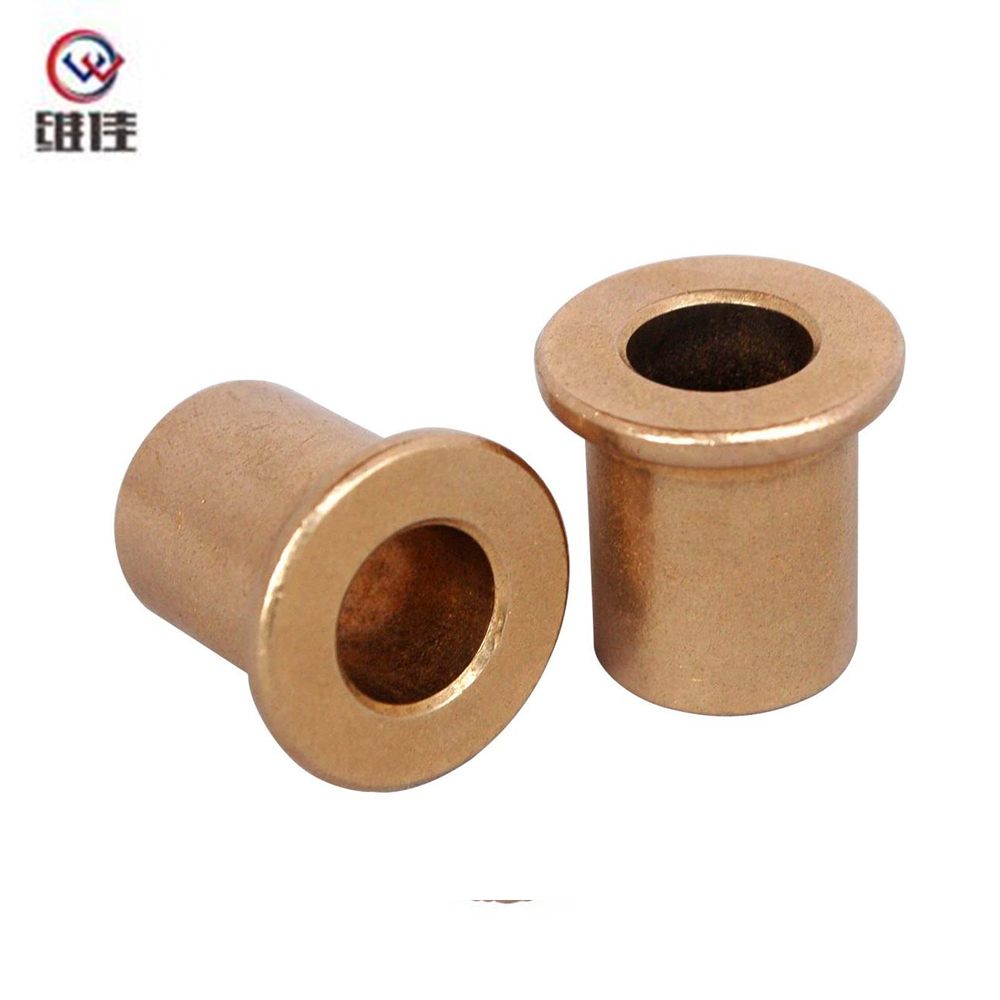
This copper-based powder metallurgy bushing is manufactured through an integrated process of compaction, sintering, sizing, and oil impregnation. It features excellent wear resistance and self-lubrica...
See Details -
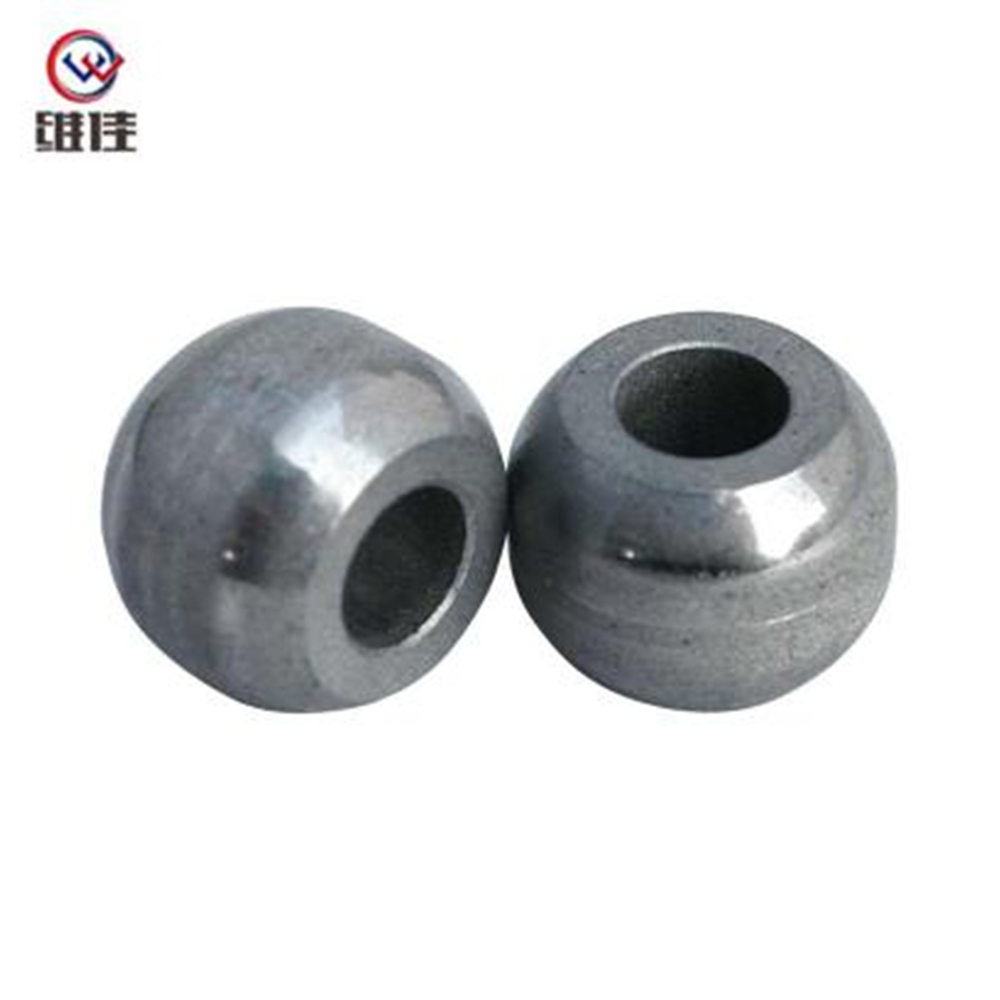
Product Description: High-precision powder metallurgy part (S14*7*10) made of iron material from Jiande Wefine, customized PM components with strict tolerance control.
See Details -
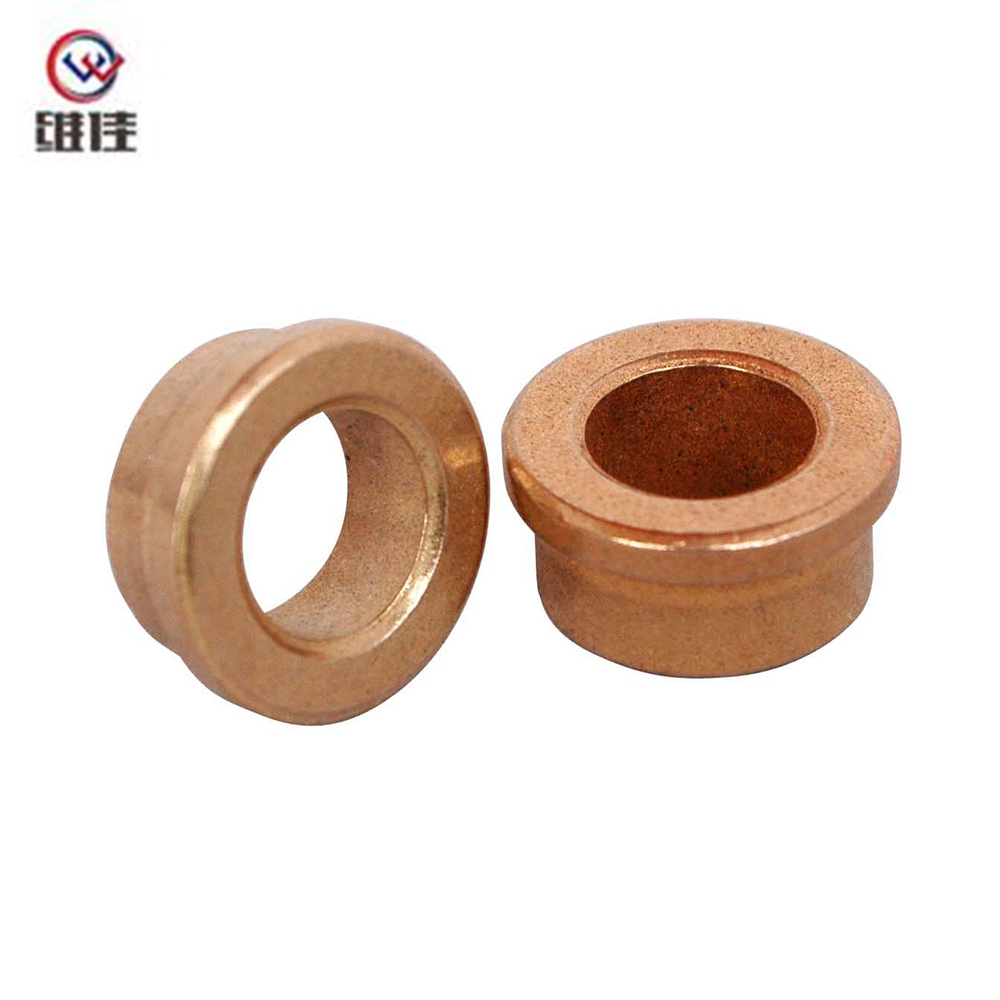
Premium Material: Our flange bushing is crafted from Sint B50 oil-impregnated bronze, featuring an 18% oil content. The high-quality tin bronze material ensures exceptional hardness, wear resistance, ...
See Details
Copyright © Jiande Welfine Technology Co., Ltd. All Rights Reserved. Custom Self-lubricating Sintered Bushing Manufacturers
