 English
 中文简体
中文简体
Our sintered bronze self-lubricating bearings are engineered for demanding industrial applications where traditional lubrication is impractical. Designed with advanced powder metallurgy technology, th...
See DetailsE-mail us: [email protected]
Tel: +86-15239857375


 Home / Author / Gao Manli — Overseas Sales Manager / Sintered Bronze Self-Lubricating Bushings: Reliable Powder Metallurgy Solutions for Demanding Applications
 Sintered Bronze Self-Lubricating Bushings: Reliable Powder Metallurgy Solutions for Demanding Applications
 2026.08.03
 Gao Manli — Overseas Sales Manager
Content
- 1 Understanding Sintered Bronze Self-Lubricating Bushings
- 2 Why Powder Metallurgy Is Important
- 3 Key Construction Features
- 4 Principal Advantages of Sintered Bronze Self-Lubricating Bushings
- 5 Material Options for Different Applications
- 6 Comparison with Alternative Bearing Solutions
- 7 Manufacturing Process of Sintered Bronze Bushings
- 8 Welfine’s Manufacturing Strengths
- 9 Design Considerations for Engineers
- 10 Typical Applications
- 11 How Sintered Bronze Bushings Improve Total Operating Value
- 12 Quality Assurance and Product Consistency
- 13 Recommended Product Selection Process
- 14 Frequently Asked Questions
- 14.1 What makes a sintered bronze bushing self-lubricating?
- 14.2 Are sintered bronze bushings completely maintenance-free?
- 14.3 Can these bushings operate without oil?
- 14.4 What is the difference between CuSn and CuPb sintered bronze bearings?
- 14.5 Can Welfine manufacture custom dimensions?
- 14.6 What information should be provided for a quotation?
- 14.7 Are sintered bronze bushings suitable for high loads?
- 14.8 Can they be used in automotive applications?
- 14.9 How does installation affect service life?
- 14.10 Can Welfine support product development from a sample?
- 15 Conclusion
- 16 References
- 17 Product: Sintered Bronze Self-lubricating Bushings
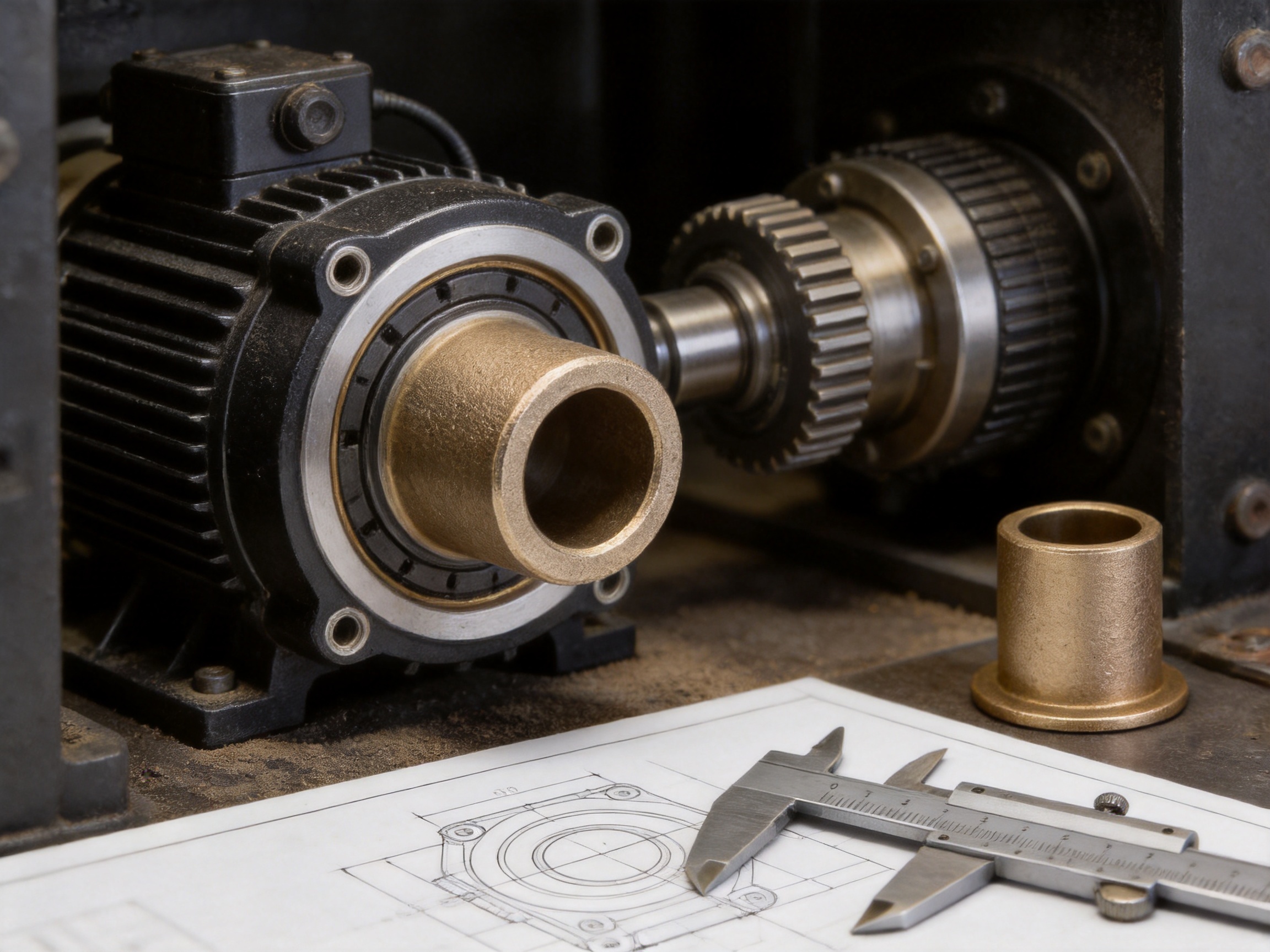
Sintered bronze self-lubricating bushings are engineered bearing components designed to provide dependable motion support, reduced friction, and long service life in applications where conventional lubrication is difficult, costly, or unreliable. Manufactured through advanced powder metallurgy, these bushings combine the strength of a metallic structure with the lubrication-retaining capability of a controlled porous network. The result is a compact, economical, and highly adaptable bearing solution for industrial machinery, automotive systems, electric motors, gear mechanisms, household appliances, construction equipment, and specialized mechanical systems.
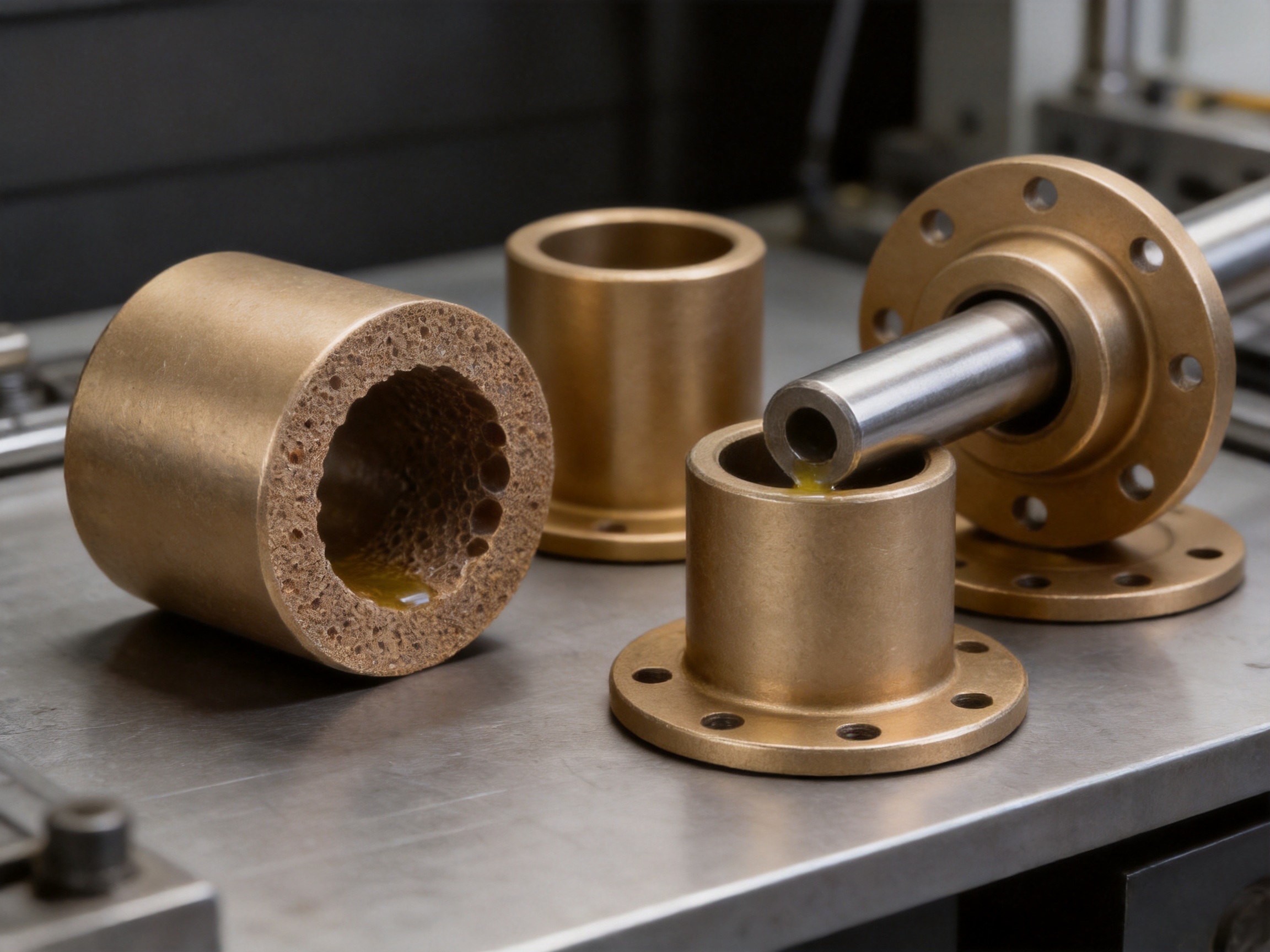
Unlike many conventional plain bearings that depend continuously on grease or oil supplied from an external system, sintered bronze bushings are manufactured with interconnected pores that can be impregnated with lubricating oil. During operation, heat and pressure encourage a controlled release of lubricant to the bearing surface. When the component cools or the shaft stops, part of the lubricant can be reabsorbed into the porous structure. This self-lubricating action helps reduce maintenance requirements and supports stable operation over extended periods.
Jiande Welfine Technology Co., Ltd. specializes in powder metallurgy bushings, self-lubricating bushings, and precision sintered components. Established in 2001, the company integrates research and development, manufacturing, precision machining, and sales. Its production capabilities include high-efficiency presses, high-temperature sintering furnaces, precision forming equipment, and inspection systems. With a 13,039-square-meter production base, more than 150 skilled employees, and over two decades of industry experience, the company provides customized OEM and ODM solutions based on customer drawings, samples, technical specifications, and application requirements.
Understanding Sintered Bronze Self-Lubricating Bushings
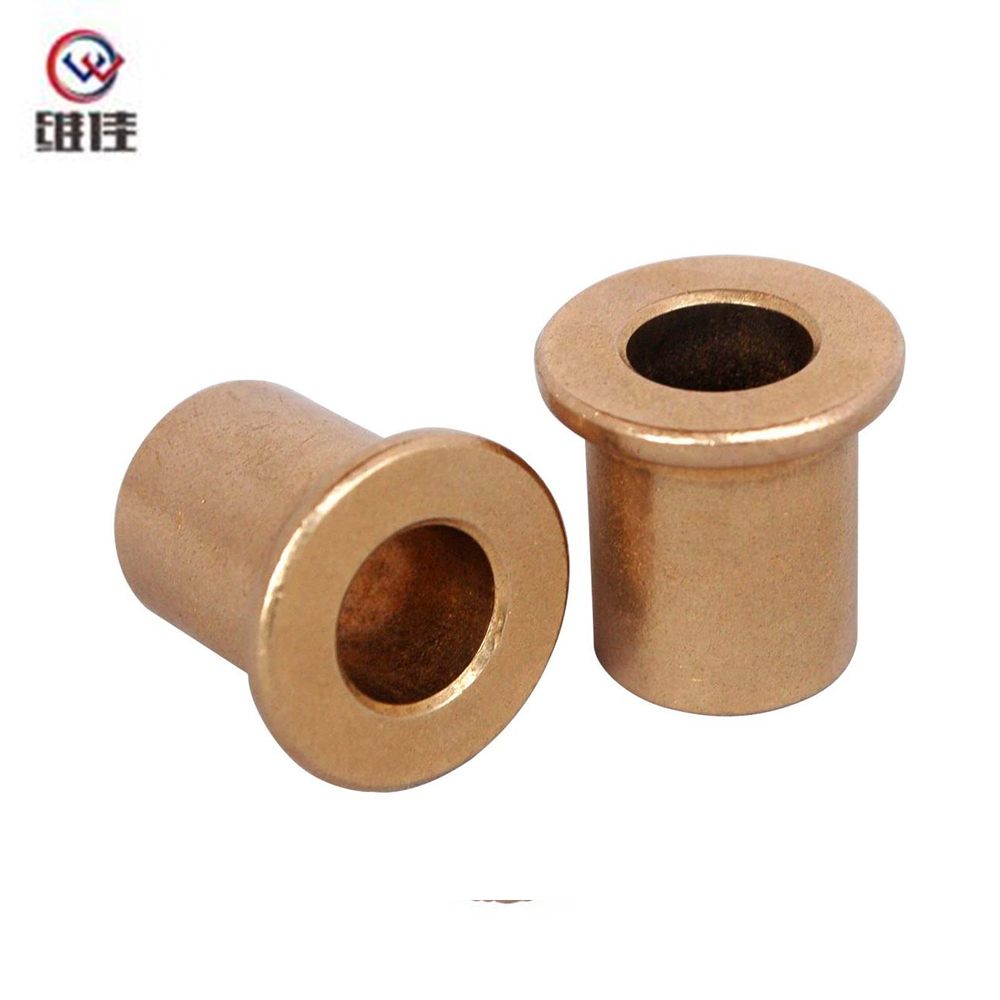
A bushing is a cylindrical or flanged bearing component that supports a rotating, oscillating, or sliding shaft. It creates a controlled interface between moving and stationary parts, helping to manage friction, wear, noise, vibration, and alignment. Sintered bronze bushings are produced from bronze-based metal powders that are compacted in a die and then heated below the material’s melting point. This process bonds the particles into a durable component while preserving a carefully controlled level of porosity.
The porous structure is one of the most important features of a sintered oil-impregnated bearing. After sintering, the bushing can be impregnated with a selected lubricant. The oil occupies a portion of the internal pores and remains available for gradual release during operation. The bearing therefore functions as an integrated bearing and lubrication system rather than merely as a dry metallic sleeve.
Depending on the material grade, design, surface treatment, and operating conditions, sintered bronze bushings may be suitable for continuous rotation, intermittent movement, oscillating motion, or dry-running and high-temperature applications. The exact performance depends on load, speed, shaft material, surface finish, temperature, environmental contamination, lubrication conditions, and installation accuracy. For demanding applications, these factors should be evaluated during product selection and validation.
Why Powder Metallurgy Is Important
Powder metallurgy provides a level of material and dimensional control that is difficult to achieve economically through conventional machining alone. Instead of starting with a solid bar and removing most of the material, manufacturers form the bushing from carefully prepared metal powders. This approach reduces material waste, supports near-net-shape production, and enables efficient manufacturing of high-volume components.
Powder metallurgy also makes it possible to control density and porosity throughout the part. These characteristics influence oil retention, strength, wear behavior, thermal response, and dimensional stability. By adjusting powder composition, compaction pressure, sintering parameters, sizing operations, and post-processing, a manufacturer can produce a bushing tailored to a specific duty cycle.
For customers requiring large quantities of consistent components, this process can offer significant advantages. Once the tooling and process parameters are established, repeated production can maintain a stable geometry and predictable performance. Complex external profiles, flanges, stepped features, grooves, and other design details can often be integrated into the compacted shape, reducing the need for secondary machining.
Key Construction Features
Controlled Porosity
Controlled porosity allows the bushing to store and release lubricant. The pore structure must be balanced carefully. Excessive porosity may reduce mechanical strength, while insufficient porosity may limit oil capacity and replenishment. A well-designed material structure provides the necessary combination of load support, oil retention, and wear resistance.
Bronze-Based Metallic Matrix
The bronze matrix provides a stable bearing surface with good compatibility against many shaft materials. Bronze alloys are widely used in bearing applications because they offer a useful balance of strength, machinability, thermal conductivity, corrosion resistance, and friction performance. Alloy selection can be adapted to the requirements of the application, including load, temperature, speed, and environmental exposure.
Oil Impregnation
Oil impregnation fills the internal pores with a suitable lubricant. The lubricant is selected according to the expected temperature range, operating speed, load, chemical exposure, and compatibility with adjacent materials. Correct impregnation helps reduce starting friction and supports a continuous lubricating film or boundary layer during operation.
Precision Geometry
The inside diameter, outside diameter, length, flange dimensions, concentricity, roundness, and surface condition all influence bearing performance. A high-quality bushing must maintain the intended clearance after installation. Dimensional control is especially important because press fitting can slightly reduce the internal diameter, while misalignment can create localized loading and premature wear.
Principal Advantages of Sintered Bronze Self-Lubricating Bushings
Maintenance-Free or Low-Maintenance Operation
The main advantage of an oil-impregnated bushing is the reduction in routine lubrication. The bearing stores lubricant internally and releases it gradually during service. This is particularly valuable in assemblies where grease fittings are inaccessible, lubrication lines are impractical, or maintenance access would require extended downtime.
Reduced maintenance can also support cleaner equipment design. Without frequent external greasing, there is less risk of lubricant attracting dust or contaminating nearby parts. In automated machinery, remote mechanisms, sealed assemblies, and compact consumer products, the ability to operate with minimal intervention can simplify the entire system.
Reliable Friction and Wear Performance
The combination of a bronze bearing surface and internal lubricant helps reduce friction between the bushing and shaft. Lower friction can reduce energy loss, heat generation, noise, and wear. With suitable shaft preparation and correct operating conditions, sintered bushings can provide stable performance over a long service interval.
Compared with an ordinary unlubricated metal sleeve, an oil-impregnated bushing offers a more controlled friction interface. Compared with a basic polymer bushing, the bronze structure can provide stronger resistance to certain loads, temperatures, and mechanical stresses. The most appropriate comparison, however, depends on the application rather than on material type alone.
High Load-Capacity Potential
Sintered bronze bushings are suitable for many static and dynamic load conditions. Their metallic matrix helps support radial loads and repeated movement. The actual load capacity depends on the product’s density, alloy composition, geometry, shaft speed, lubrication, temperature, and allowable wear rate.
For heavy-duty applications, engineering teams can evaluate the pressure-velocity relationship, load distribution, contact area, shaft hardness, and duty cycle. A bushing with a larger bearing area may support a greater load, while a lower speed or intermittent duty cycle may permit a higher load than continuous high-speed operation.
Wide Temperature Capability
Metallic sintered bushings can perform across a broader temperature range than many general-purpose polymer alternatives. Bronze has good thermal conductivity, which helps transfer heat away from the sliding interface. The final operating limit is also influenced by the impregnated oil, shaft material, surrounding components, and any protective treatment.
For high-temperature environments, the lubricant must be selected carefully because oil viscosity, evaporation, oxidation, and film strength change with temperature. In applications involving sustained heat, dry-running conditions, or thermal cycling, product validation should include the actual temperature profile rather than relying only on room-temperature test data.
Excellent Thermal Stability
Repeated heating and cooling can cause dimensional changes, lubricant migration, and changes in clearance. The stable metallic structure of a sintered bronze bushing helps maintain mechanical integrity during thermal cycling. Good thermal conductivity can also reduce localized hot spots at the shaft interface.
This makes sintered bronze bushings suitable for components exposed to heat from motors, transmissions, mechanical friction, industrial processing equipment, and high-temperature mechanisms. Correct clearance design remains essential because both the shaft and bushing expand as temperature increases.
Electrical Conductivity
Because the bearing is based on a metallic bronze structure, it can provide electrical conductivity and help reduce the accumulation of static charge. This can be useful in equipment where electrostatic buildup is undesirable. Electrical behavior depends on surface condition, lubricant characteristics, coatings, contact pressure, and the complete assembly design, so it should be confirmed for safety-critical or sensitive electrical applications.
Resistance to Dust and Contamination
In many industrial environments, dust, dirt, and airborne particles can interfere with external lubrication systems. A self-lubricating bushing reduces dependence on frequent grease application and may help simplify the sealing strategy. The bearing itself is not immune to contamination, however. Proper shielding, sealing, shaft alignment, and cleaning procedures remain important when abrasive particles are present.
Compatibility with Specialized Environments
Sintered bronze bearing solutions may be considered for vacuum, dry-friction, radioactive, and other specialized environments when the material and lubricant are selected appropriately. Conventional oils may not be suitable for every vacuum or radiation application. Special formulations, alternative impregnation methods, or dry-running material designs may be required.
The advantage of powder metallurgy is the ability to develop different material structures and compositions for different conditions. A standard oil-impregnated bushing, a dry-running high-temperature bushing, and a specialized bearing for a controlled environment should not be treated as identical products. Application engineering is essential for reliable results.
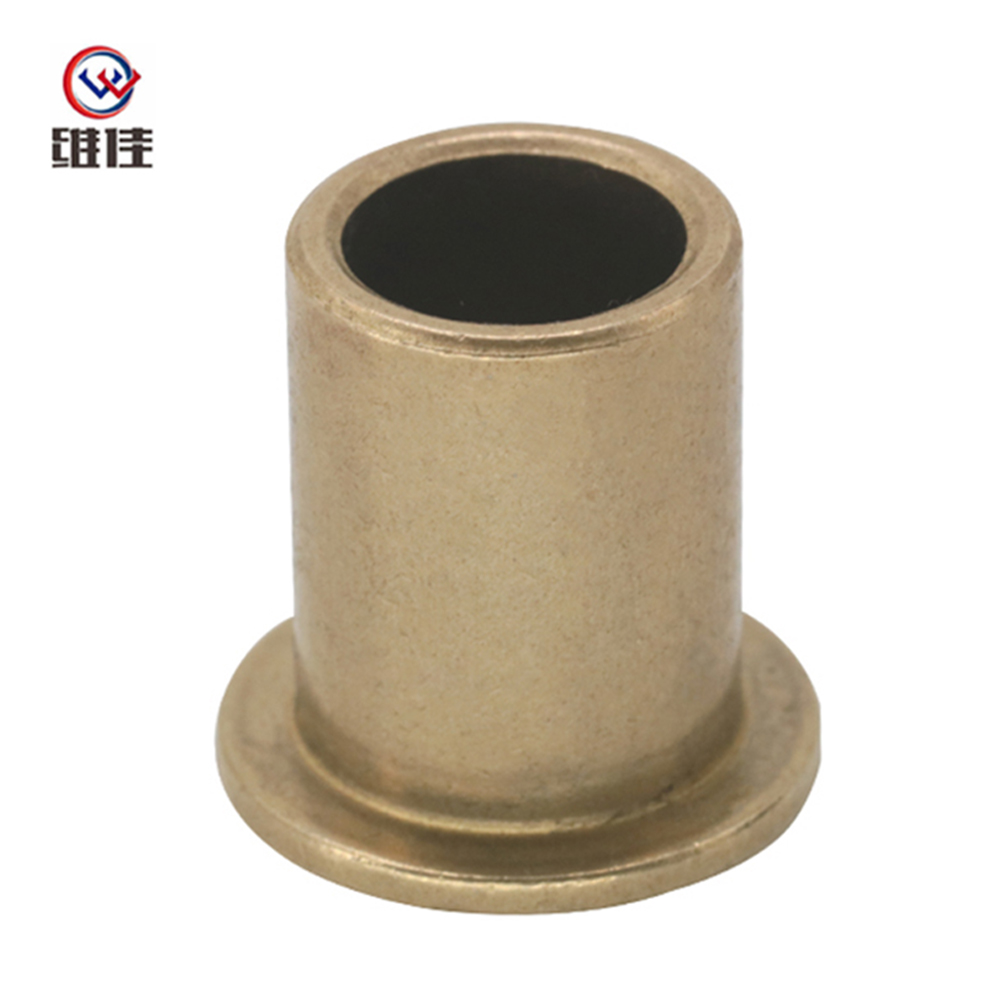
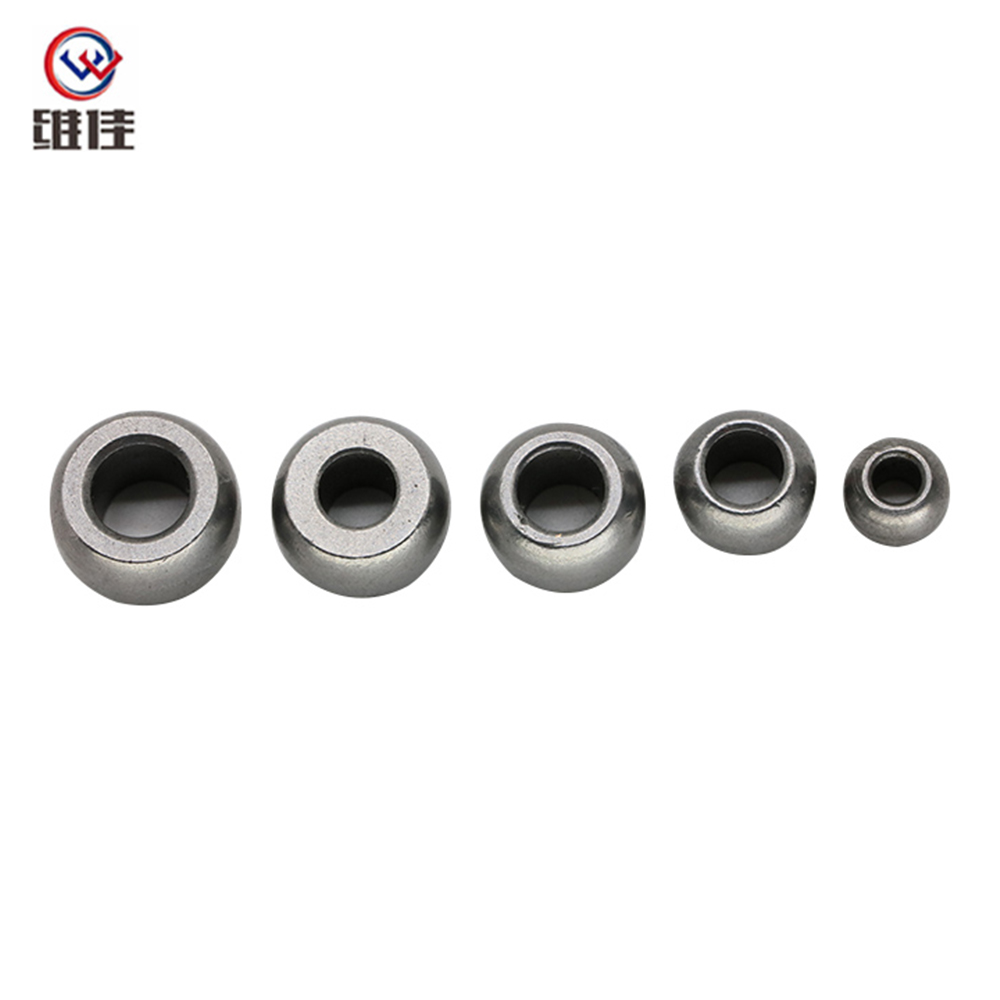
Sintered Bronze Self-lubricating Bushings
Material Options for Different Applications
Welfine offers several sintered bronze bearing categories, including sintered alloy self-lubricating bearings, dry-running and high-temperature bearings, sintered tin bronze bearings in the CuSn series, and sintered lead bronze bearings in the CuPb series. Each material family can provide a different combination of strength, friction behavior, thermal stability, conformability, and corrosion resistance.
Sintered Alloy Self-Lubricating Bearings
Sintered alloy bearings are designed for applications requiring a balance of mechanical strength and self-lubricating performance. Their composition can be adjusted to suit load, speed, temperature, and environmental conditions. These bearings are often suitable for general industrial mechanisms, motors, gear systems, and automated equipment.
Sintered Tin Bronze Bearings
CuSn-series sintered tin bronze bearings are selected when the application requires a bronze matrix with suitable wear resistance, structural stability, and compatibility with lubricated sliding surfaces. Tin bronze materials are widely recognized for their useful mechanical and tribological properties. Their exact performance depends on alloy content, density, pore structure, and operating conditions.
Sintered Lead Bronze Bearings
CuPb-series sintered lead bronze bearings can be considered for applications where friction and sliding performance are important. Lead-containing materials may provide favorable conformability and anti-friction characteristics in suitable applications. Because lead-bearing products are subject to regulatory and environmental requirements in some markets, material selection must take account of the customer’s compliance obligations and end-use restrictions.
Dry-Running and High-Temperature Bearings
Some mechanisms cannot use conventional oil because of temperature, contamination, vacuum, cleanliness, or process restrictions. Dry-running and high-temperature bearing designs are developed for such conditions. Their performance depends on the selected material system, counterface condition, speed, pressure, and heat dissipation. These products should be specified separately from standard oil-impregnated bushings.
Comparison with Alternative Bearing Solutions
| Characteristic | Sintered Bronze Self-Lubricating Bushing | Grease-Lubricated Metal Bushing | Polymer Bushing | Rolling Bearing |
|---|---|---|---|---|
| Lubrication requirement | Internal oil storage or specialized self-lubricating structure | Usually requires periodic external lubrication | Often dry-running, depending on material | Usually requires grease or oil |
| Maintenance demand | Low when correctly selected and installed | Moderate to high in difficult locations | Generally low | Moderate, depending on sealing and duty |
| Load support | Suitable for many radial and oscillating loads | Suitable for high loads with proper lubrication | Depends strongly on polymer grade and temperature | Efficient for rotational motion and defined load directions |
| High-temperature suitability | Good, subject to alloy and lubricant selection | Depends on lubricant and bushing material | Limited by polymer temperature capability | Depends on bearing, cage, seal, and lubricant design |
| Space requirements | Compact radial design with simple housing | Compact but may require grease access | Compact and lightweight | May require greater radial or axial space |
| Motion types | Rotation, oscillation, and sliding | Rotation, oscillation, and sliding | Rotation, oscillation, and sliding | Best suited to rolling rotation |
| Contamination considerations | Can be integrated with seals and shields | Grease may attract contaminants | May be sensitive to swelling or chemical attack | Seals are often essential in dirty environments |
This comparison illustrates why sintered bronze bushings remain attractive even when other bearing technologies are available. They provide a practical middle ground between a simple dry sleeve and a more complex rolling bearing assembly. They can support compact designs, reduce lubrication infrastructure, and accommodate both rotary and oscillating movement.
Rolling bearings can offer very low rolling resistance and excellent performance at suitable speeds, but they often require more components, tighter assembly control, and effective sealing. Polymer bushings can be lightweight and quiet, but their load and temperature capability may be more limited in certain applications. Grease-lubricated metal bushings can support demanding loads but may require regular maintenance. Sintered bronze bushings are particularly useful when simplicity, compactness, and low maintenance are priorities.
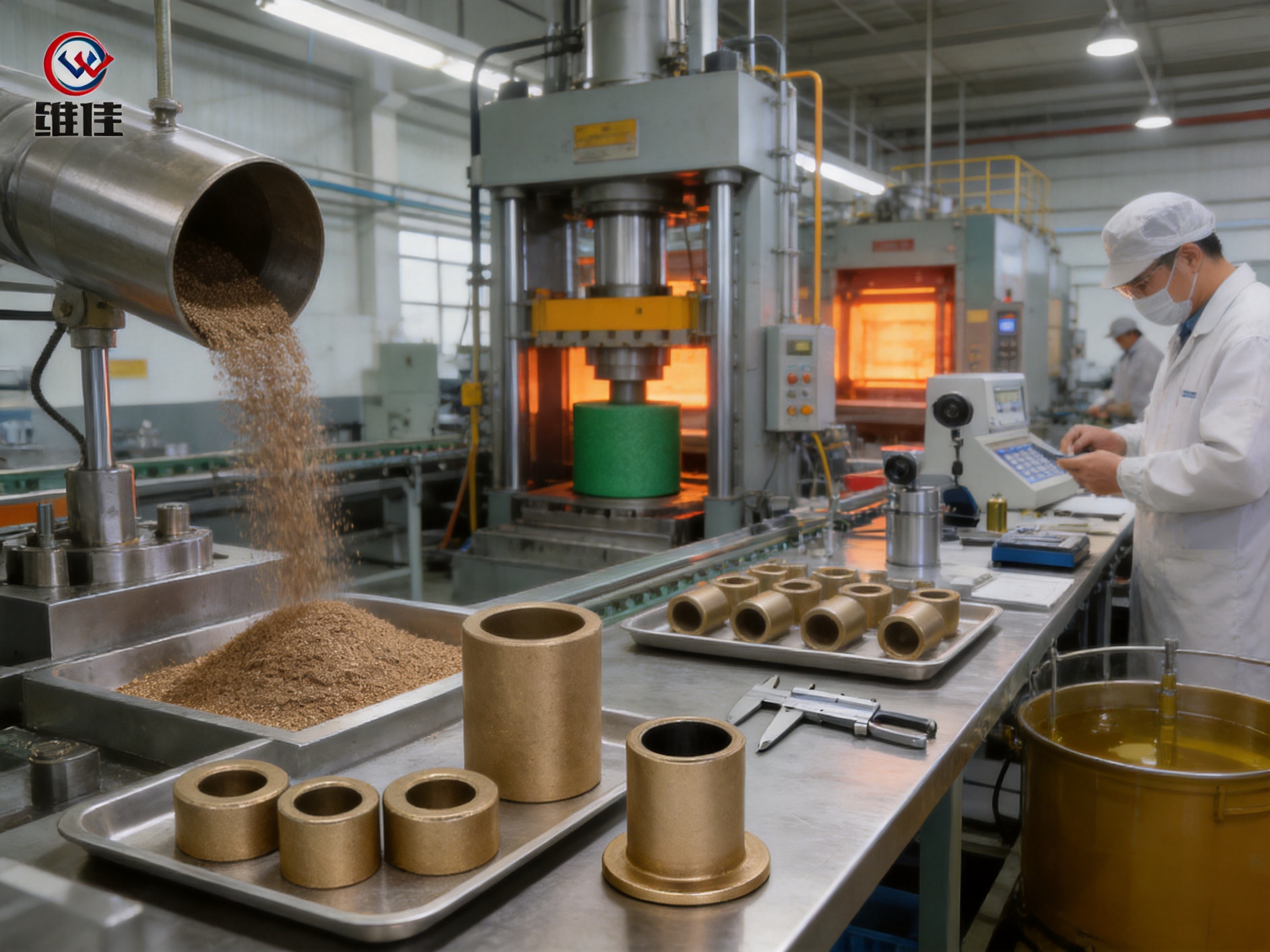
Manufacturing Process of Sintered Bronze Bushings
1. Powder Selection and Preparation
Manufacturing begins with the selection of bronze-based powders and any required alloying additions. Powder characteristics such as particle size distribution, shape, flowability, compressibility, purity, and apparent density influence the final component. Lubricants or processing additives may be blended into the powder to support die filling and compaction.
Consistent powder preparation is important because variation in the powder blend can affect density, shrinkage, hardness, porosity, and dimensional stability. Controlled batching and documented material handling help maintain repeatable results across production lots.
2. Tooling and Die Design
The powder is placed into a precision die that defines the basic geometry of the bushing. Tooling may include punches, cores, inserts, and special features for flanges, steps, grooves, recesses, or other customer-specific requirements. Proper die design helps ensure uniform powder distribution and minimizes density gradients.
Tooling design also influences productivity and cost. Near-net-shape forming can reduce machining requirements, shorten cycle times, and minimize material waste. For high-volume OEM production, a well-designed tool can deliver consistent parts over many production cycles.
3. Compaction
During compaction, high pressure transforms the loose powder into a green compact. The compact has the desired shape but does not yet possess the full strength of a sintered component. Compaction pressure, filling height, punch movement, and ejection conditions must be controlled carefully to avoid cracks, lamination, distortion, or uneven density.
Modern high-efficiency presses support repeatable forming and can be configured for different component sizes and geometries. Process monitoring helps ensure that each compact is produced within the established operating window.
4. Sintering
The green compact is heated in a controlled-atmosphere furnace. The temperature is below the melting point of the primary material, but sufficient to promote diffusion and metallurgical bonding between particles. Sintering gives the bushing its structural strength and establishes much of its final density and pore structure.
Temperature profile, atmosphere, heating rate, soak time, cooling rate, and furnace loading all affect the final result. High-temperature sintering furnaces with stable process control help limit oxidation and support consistent metallurgical bonding. Proper sintering is essential for achieving the required balance between strength, dimensional stability, and oil capacity.
5. Sizing and Calibration
After sintering, the component may undergo sizing or calibration. This operation improves dimensional accuracy, roundness, straightness, and surface condition. Sizing can be especially important for bushings because the installed clearance between the shaft and bearing depends directly on the internal diameter.
Precision forming and calibration equipment allow manufacturers to meet customer-specific dimensional requirements. Where necessary, secondary machining can be used to produce particularly tight tolerances, special grooves, chamfers, oil holes, or complex features.
6. Surface Treatment and Finishing
Depending on the application, the bushing may receive cleaning, deburring, machining, polishing, coating, or other finishing operations. The purpose is to remove unwanted particles, improve the mating surface, support installation, or provide additional protection against the operating environment.
Surface finish must be coordinated with the shaft finish. A shaft that is excessively rough can accelerate bearing wear, while a shaft that is too smooth may not retain an adequate lubricant film in some applications. The bearing and counterface should therefore be considered as a complete tribological system.
7. Oil Impregnation
For oil-impregnated products, the sintered bushing is placed in a controlled impregnation process. Air may be removed from the pores before oil is introduced, allowing the lubricant to penetrate the internal structure. After impregnation, excess oil is removed from the external surface while the desired internal oil content is retained.
The selected oil must match the intended operating environment. Factors include viscosity, oxidation resistance, temperature capability, compatibility with seals and plastics, volatility, cleanliness, and chemical stability. Proper storage and packaging are also important to prevent contamination or unwanted oil loss before assembly.
8. Inspection and Testing
Quality control may include dimensional inspection, visual inspection, density measurement, hardness testing, porosity evaluation, oil-content verification, surface inspection, and functional testing. Depending on the product and customer requirements, testing can also include friction, wear, load, temperature, noise, or endurance evaluation.
A robust inspection system does more than identify defective parts. It provides manufacturing data that can be used to improve tooling, powder blending, furnace settings, sizing parameters, and process capability. This continuous feedback supports consistent performance and long-term production stability.
Welfine’s Manufacturing Strengths
Jiande Welfine Technology Co., Ltd. combines powder metallurgy expertise with precision manufacturing and application-oriented engineering. The company’s focus on sintering technology allows it to control the complete production chain from material preparation to forming, sintering, finishing, inspection, and delivery.
Integrated R&D, Production, and Sales
By integrating research and development with production, Welfine can connect design requirements with practical manufacturing conditions. This helps customers evaluate material selection, dimensions, tolerances, oil impregnation, production volume, and application constraints before finalizing a component.
An integrated structure also supports faster communication when a drawing requires modification. Tooling, powder selection, manufacturing feasibility, and quality requirements can be reviewed together instead of being handled by disconnected suppliers.
Modern Production Base
The company operates a 13,039-square-meter production base equipped with high-efficiency presses, high-temperature sintering furnaces, precision forming machines, and testing equipment. This equipment supports both standard products and customized components for industrial customers.
A modern production base is important for more than output capacity. It supports process organization, controlled material flow, consistent furnace loading, repeatable forming, efficient inspection, and scalable production planning. These factors contribute to reliable delivery and stable product quality.
More Than Two Decades of Experience
Since its establishment in 2001, Welfine has developed experience in powder metallurgy bushings, self-lubricating bearing products, and precision sintered parts. More than 20 years of practical manufacturing experience can help identify common design risks, such as insufficient wall thickness, difficult ejection features, excessive density variation, unsuitable clearances, or inappropriate lubrication conditions.
Experience is particularly valuable for customized components. A drawing may define dimensions, but the best manufacturing solution also considers powder flow, compaction direction, tooling life, sintering shrinkage, sizing allowance, inspection method, and final assembly conditions.
OEM and ODM Customization
Welfine provides OEM and ODM solutions based on customer drawings or samples. Customization may include inside diameter, outside diameter, length, flange configuration, grooves, oil holes, material grade, density, impregnation oil, surface treatment, packaging, and inspection documentation.
For customers without a finalized design, application information can be used to develop a suitable proposal. Important information includes load, speed, motion type, temperature, shaft material, shaft hardness, surface finish, housing material, installation method, contamination level, environmental chemicals, and expected service life.
Quality Management Certifications
The company has passed ISO 9001:2015 and IATF 16949:2016 certifications. ISO 9001 supports a structured quality management approach, while IATF 16949 is associated with automotive industry quality requirements. These systems help establish documented procedures, traceability, corrective action, process control, and continual improvement.
Certification does not replace product-specific validation, but it provides an organized framework for managing manufacturing consistency. For customers in automotive, industrial, and other quality-sensitive sectors, documented systems can simplify supplier evaluation and project approval.
Skilled Workforce
With more than 150 skilled employees, Welfine has the personnel base to support production, engineering, quality control, tooling, customer service, and order management. Skilled operators and technicians are essential because powder metallurgy depends on the interaction of materials, machines, tooling, furnace conditions, and inspection results.
Design Considerations for Engineers
Load and Speed
Engineers should consider both radial load and shaft speed. A bushing may operate successfully under a high static load but experience excessive heat under the same load at continuous speed. Oscillating motion can produce a different wear pattern from continuous rotation because the lubricant may not redistribute in the same way.
Pressure-velocity values are useful for initial comparison, but they should not be treated as universal guarantees. Actual performance depends on the bearing material, shaft condition, clearance, temperature, lubrication, alignment, and duty cycle. Prototype testing under representative conditions is recommended for critical applications.
Clearance
Clearance must account for the shaft diameter, bushing internal diameter, press-fit reduction, thermal expansion, lubricant viscosity, speed, and alignment. Excessive clearance may increase vibration and reduce load distribution. Insufficient clearance may cause heat buildup, seizure, or difficult starting.
For a press-fit housing, the designer should consider how much the housing compresses the bushing. The final internal diameter after installation may differ from the free-state dimension. Welfine can assist in reviewing installation conditions and recommending a suitable manufacturing allowance.
Shaft Quality
The shaft is a critical part of the bearing system. It should have suitable hardness, roundness, straightness, and surface finish. A rough or soft shaft can wear rapidly and transfer debris into the bushing. A misaligned shaft can create edge loading and concentrated stress.
Common shaft materials may include hardened steel, stainless steel, or other compatible metals. The correct material depends on corrosion exposure, load, speed, temperature, and the required service life.
Housing and Installation
The housing bore should be clean, accurately machined, and properly aligned. Pressing should be performed with suitable tooling that applies force evenly. Hammering directly on the bushing can deform the component, damage the edge, or disturb the internal structure.
For flanged bushings, the flange must be supported correctly and should not be used to compensate for an improperly aligned housing. Installation lubricant, if permitted, should be compatible with the bushing’s impregnated oil and the surrounding materials.
Environmental Conditions
Dust, water, chemicals, vibration, vacuum, radiation, and temperature cycling can all influence bushing life. A standard oil-impregnated bronze bushing may not be appropriate for every environment. The material grade and lubricant should be selected after reviewing the actual conditions rather than only the nominal operating temperature.
Typical Applications
Industrial Machinery
Industrial machines often contain numerous pivot points, guide mechanisms, rollers, levers, and rotating shafts. Self-lubricating bushings help reduce maintenance and can simplify machine layout. Their compact shape is suitable for equipment where space is restricted and routine lubrication is inconvenient.
Automotive Components
Automotive systems require consistent operation, controlled friction, and resistance to vibration and temperature changes. Sintered bronze bushings may be used in mechanisms, actuators, motors, gear systems, hinges, pumps, and other assemblies when the material and design meet the required specifications.
Electric Motors and Gear Systems
Electric motors and gear systems benefit from compact bearings that operate quietly and reliably. Oil-impregnated bushings can support rotating shafts while reducing the need for external lubrication. Thermal behavior and electrical characteristics should be considered carefully in motor applications.
Household Appliances
Appliances often require low noise, compact dimensions, reliable starting, and minimal user maintenance. Sintered bushings can be used in fans, small motors, actuators, pumps, and adjustment mechanisms. Consistent dimensional control is essential because appliance components are commonly produced in high volumes.
Construction Equipment
Construction equipment operates under vibration, shock, dust, and changing loads. Bushings may be used in control mechanisms, motors, gear systems, pivots, and auxiliary equipment. For severe shock loads or exposed joints, the bearing must be selected together with proper sealing and structural support.
High-Temperature Mechanical Systems
High-temperature equipment may include industrial ovens, thermal processing machinery, hot-air systems, and specialized actuators. These applications require careful selection of the bearing alloy and lubricant. High-temperature testing should reflect continuous operation, thermal cycling, start-stop conditions, and surrounding heat transfer.
How Sintered Bronze Bushings Improve Total Operating Value
The purchase price of a bushing is only one part of its total cost. Maintenance labor, equipment downtime, lubricant consumption, replacement frequency, assembly complexity, and inventory requirements can have a greater impact over the service life of the machine.
A self-lubricating bushing can reduce the need for grease fittings, lubrication lines, reservoirs, and scheduled service visits. It can also shorten assembly time because the component is relatively simple to install. When production equipment must operate continuously, avoiding a lubrication-related shutdown can provide substantial value.
Powder metallurgy can further reduce total cost through efficient material utilization and high-volume repeatability. Near-net-shape forming minimizes machining waste, while integrated features can reduce the number of separate parts required. Consistent production also helps reduce variation during assembly and lowers the risk of field failures caused by dimensional inconsistency.
Quality Assurance and Product Consistency
Consistency is fundamental to bearing performance. Two bushings with the same nominal dimensions may behave differently if their density, oil content, hardness, porosity, or surface condition varies significantly. Effective quality management therefore requires control of both visible dimensions and internal material characteristics.
Quality assurance may begin with incoming powder inspection and continue through batch identification, mixing, die filling, compaction, sintering, sizing, impregnation, final inspection, and packaging. Process records help trace the product history and support investigation if a customer reports an unexpected issue.
Inspection plans can be customized according to the customer’s application. Standard checks may be supplemented with capability studies, first-article inspection, endurance testing, material verification, or special dimensional reports. For automotive and other regulated sectors, documentation and traceability may be incorporated into the supply program.
Recommended Product Selection Process
The first step is to define the motion. Continuous rotation, intermittent rotation, oscillation, reciprocating movement, and sliding motion produce different friction and wear conditions. The next step is to define load, speed, temperature, and operating time. These parameters establish the basic performance requirements.
The shaft and housing should then be reviewed. Shaft diameter, hardness, surface finish, housing material, press-fit condition, alignment, and available space all influence the final design. Environmental factors such as dust, moisture, chemicals, vacuum, or radiation must also be documented.
Finally, the customer and manufacturer should agree on material, lubrication, tolerances, inspection requirements, packaging, and validation testing. Providing a drawing or sample is helpful, but application data is equally important. A complete technical review helps prevent a bushing from being selected only by size while ignoring the real operating conditions.
Frequently Asked Questions
What makes a sintered bronze bushing self-lubricating?
Its porous metallic structure is impregnated with oil or designed with a self-lubricating material system. During operation, lubricant can migrate toward the bearing surface and reduce friction. The exact lubrication behavior depends on the pore structure, oil type, temperature, load, speed, and duty cycle.
Are sintered bronze bushings completely maintenance-free?
They can provide maintenance-free or very low-maintenance operation when correctly selected and operated within their design limits. “Maintenance-free” does not mean that installation, alignment, contamination control, or inspection can be ignored. Critical equipment should still be monitored according to the machine manufacturer’s maintenance program.
Can these bushings operate without oil?
Standard oil-impregnated bushings are designed to use internal oil for lubrication. Dry-running operation may be possible for specially designed materials, but it should not be assumed for a standard oil-impregnated grade. Dry, high-temperature, vacuum, and radiation applications should be reviewed with the manufacturer before selection.
What is the difference between CuSn and CuPb sintered bronze bearings?
CuSn refers to tin bronze materials, while CuPb refers to lead bronze materials. Their friction, wear, strength, conformability, and application characteristics can differ. The correct choice depends on load, speed, temperature, environment, regulatory requirements, and the required service life.
Can Welfine manufacture custom dimensions?
Yes. Welfine provides OEM and ODM bushing solutions based on customer drawings, samples, and technical requirements. Custom features may include dimensions, flanges, grooves, oil holes, material grades, density, impregnation oil, surface treatment, and packaging.
What information should be provided for a quotation?
Useful information includes the drawing or sample, annual quantity, inside and outside diameters, length, flange details, shaft size, housing condition, load, speed, motion type, temperature, environment, lubrication requirements, tolerance, surface treatment, inspection standard, and packaging requirements.
Are sintered bronze bushings suitable for high loads?
They can support many high-load applications, particularly when the bearing area, material grade, density, clearance, shaft condition, and operating speed are correctly matched. High shock loads, high speeds, and severe temperatures require application-specific analysis and testing.
Can they be used in automotive applications?
Yes. Sintered bronze bushings are used in various automotive mechanisms, motors, gear systems, actuators, and other components. Automotive applications require careful control of quality, traceability, temperature, vibration, and service-life requirements.
How does installation affect service life?
Incorrect installation can deform the bushing, reduce clearance, create misalignment, or damage the surface. The housing should be clean and accurately aligned, and the bushing should be installed with suitable pressing equipment. The final clearance should be checked after installation whenever practical.
Can Welfine support product development from a sample?
Yes. A sample can be evaluated together with its dimensions, material requirements, operating conditions, and intended application. The engineering team can then review manufacturability, tooling, powder metallurgy process requirements, inspection criteria, and potential improvements.
Conclusion
Sintered bronze self-lubricating bushings provide an effective solution for applications that require dependable sliding performance, reduced maintenance, compact construction, and long service life. Their controlled porous structure stores lubricant internally, while the bronze matrix provides a stable metallic bearing surface with useful load, thermal, and wear characteristics.
Compared with conventional grease-lubricated bushings, they can reduce service requirements and simplify equipment design. Compared with many polymer alternatives, they can offer stronger metallic support and improved performance in selected temperature and load conditions. Compared with rolling bearings, they provide a simple and economical solution for rotary, oscillating, and sliding movement where rolling elements are unnecessary or impractical.
The real value of these products depends on correct material selection, accurate dimensions, suitable clearance, proper shaft preparation, controlled installation, and realistic validation. With more than 20 years of powder metallurgy experience, modern presses and sintering furnaces, precision forming capabilities, OEM and ODM engineering support, and ISO 9001:2015 and IATF 16949:2016 quality systems, Jiande Welfine Technology Co., Ltd. is positioned to supply customized sintered bronze bushings and precision sintered components for demanding industrial applications.
For customers seeking a reliable long-term bearing partner, the most effective approach is to share drawings, samples, performance requirements, and operating conditions at the beginning of the project. This allows the product, material, manufacturing process, inspection plan, and commercial requirements to be developed as one coordinated solution.
References
1. ASM International, Powder Metallurgy Materials and Processes, technical reference materials.
2. ISO 5755, Sintered Metal Materials, Specifications.
3. ISO 9001:2015, Quality Management Systems, Requirements.
4. IATF 16949:2016, Quality Management System Requirements for Automotive Production and Relevant Service Parts Organizations.
5. German, R. M., Powder Metallurgy and Particulate Materials Processing, engineering reference text.
6. Modern Tribology Handbook, bearing materials, friction, lubrication, and wear engineering references.
Product: Sintered Bronze Self-lubricating Bushings
Related products
-
-
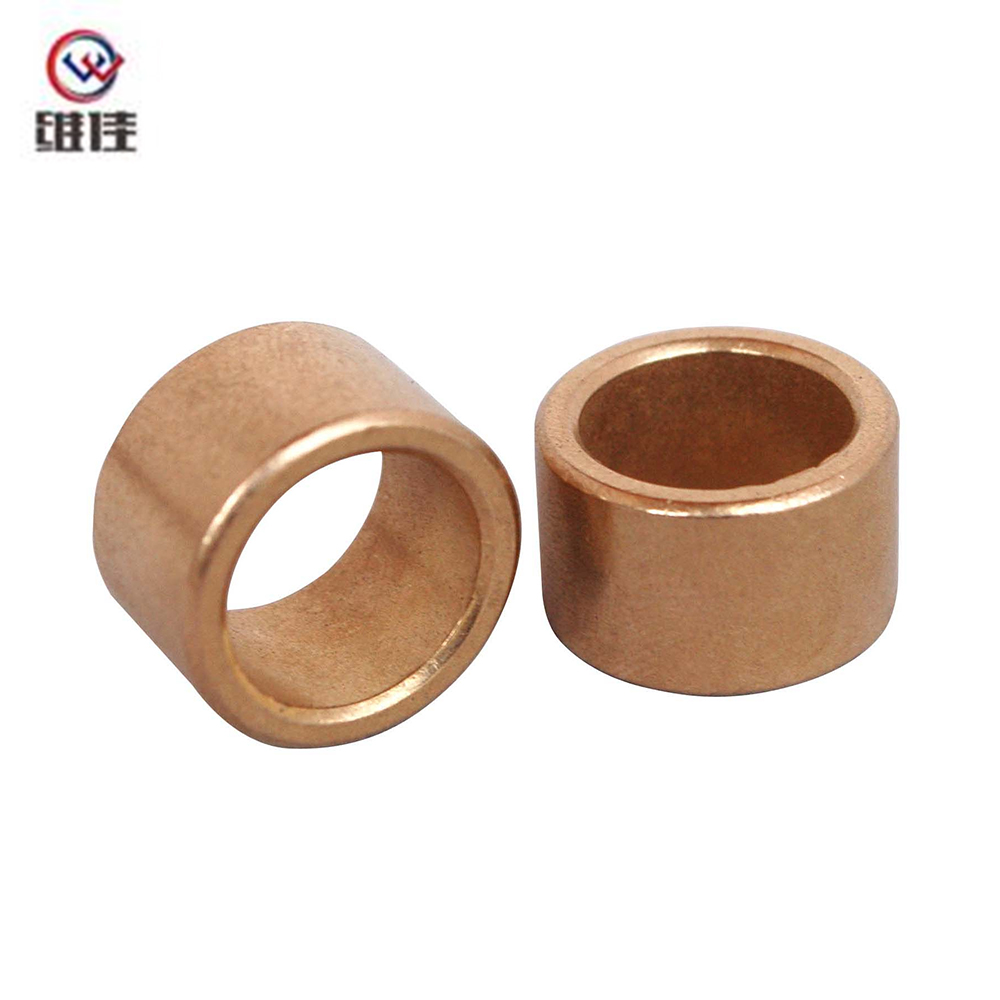
This copper-based powder metallurgy bushing is manufactured through an integrated process of compaction, sintering, sizing, and oil impregnation. It features excellent wear resistance and self-lubrica...
See Details
Copyright © Jiande Welfine Technology Co., Ltd. All Rights Reserved. Custom Self-lubricating Sintered Bushing Manufacturers
